

Comprehensive Guide to Durable and Beautiful Wrought Iron Railing Parts
Wrought Iron Railing Parts: A Comprehensive Guide
Investing in high-quality wrought iron railing parts is essential for creating durable, aesthetically pleasing, and safe railings. Whether you’re a seasoned contractor, a DIY enthusiast, or a homeowner looking to enhance their property, understanding the available options and their applications is crucial. This article will delve into the world of wrought iron railing components, exploring different types, materials, and key considerations for a successful project. We will cover everything from balusters to newel posts, helping you make informed decisions for your next railing installation.
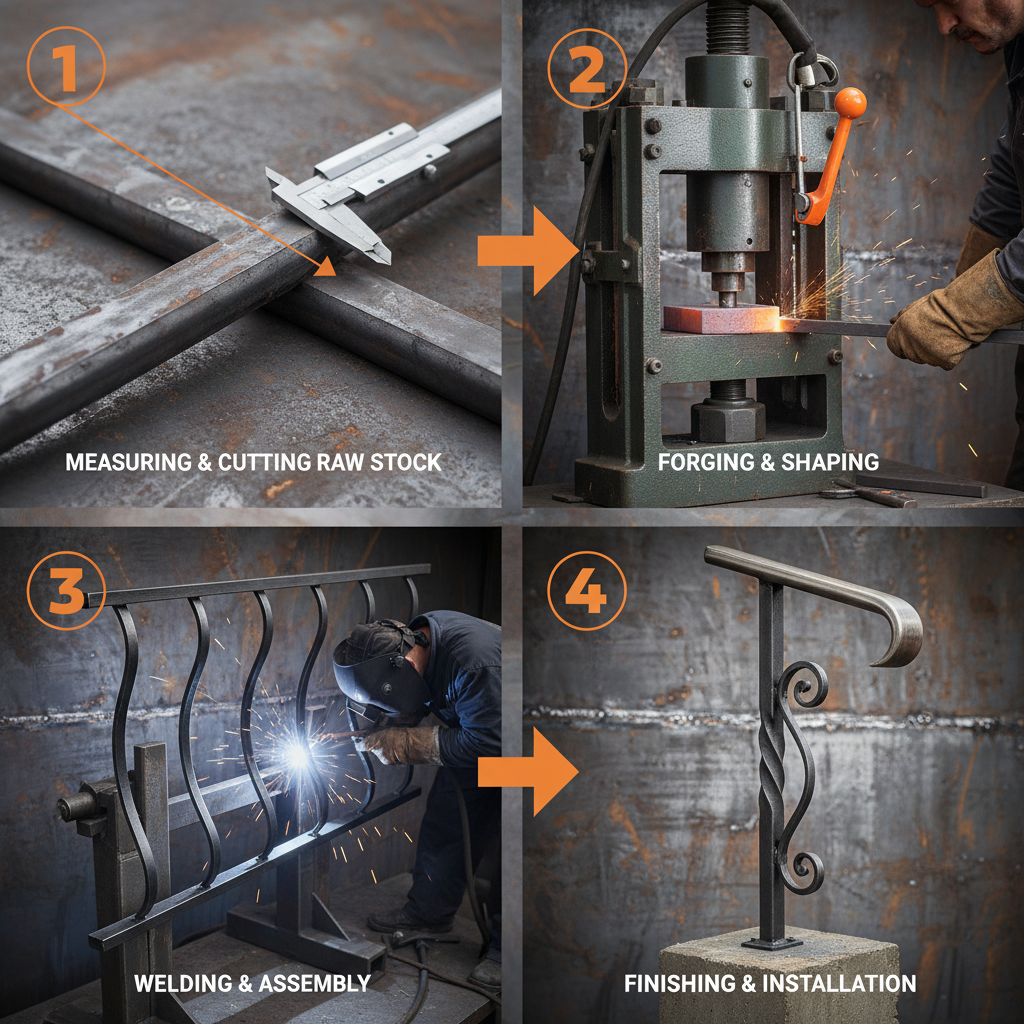
Understanding the Core Components of Wrought Iron Railings
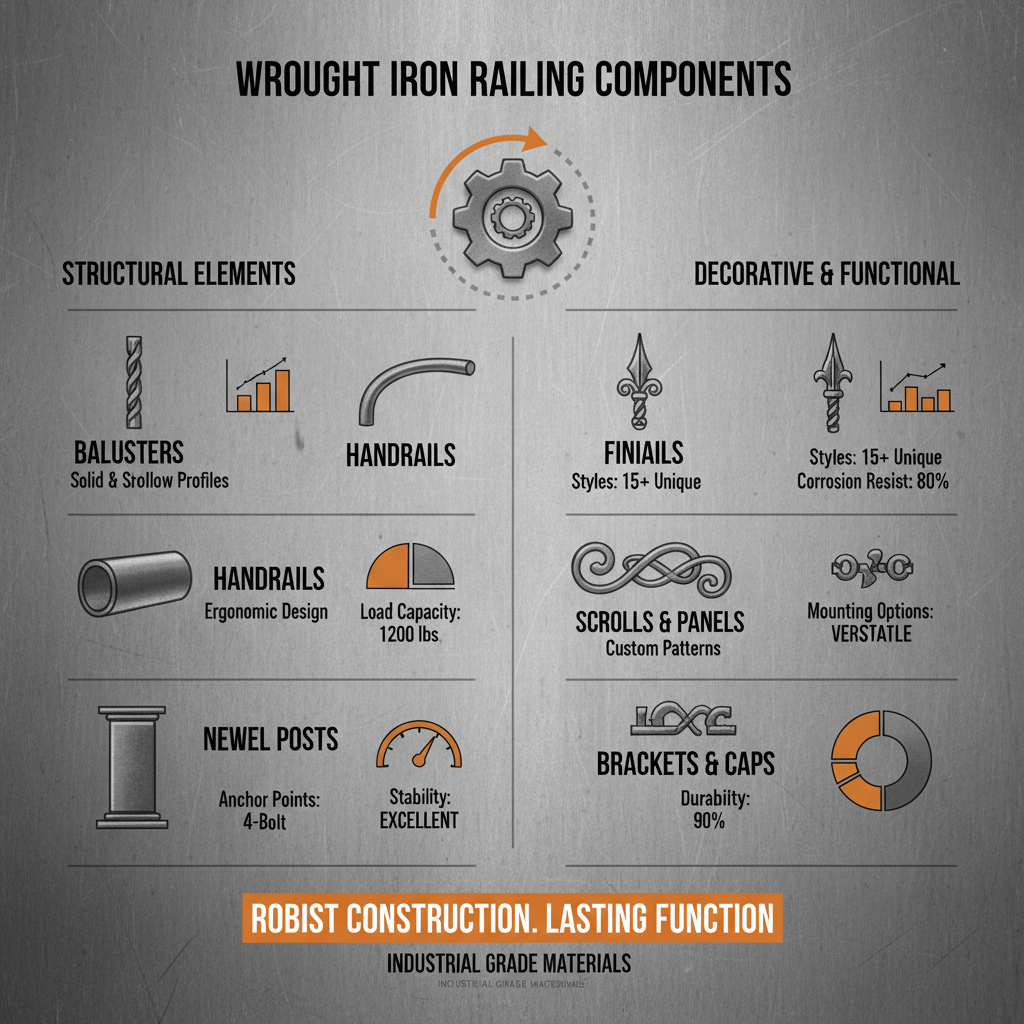
A wrought iron railing system is comprised of several key components, each playing a vital role in the overall strength and appearance. The main elements include balusters (the vertical bars between posts), newel posts (the larger posts at the ends of the railing), handrails (the horizontal part you grip), and any decorative elements like caps, scrolls, or panels. Choosing the right wrought iron railing parts depends on your desired aesthetic, the specific application (e.g., balcony, staircase), and local building codes. Properly sourced and installed components ensure a safe and long-lasting railing system.
Key Components: Balusters, Newel Posts, Handrails, Caps, Scrolls, and Panels are the building blocks of a complete wrought iron railing.
Types of Wrought Iron Railing Parts
The world of wrought iron railing parts offers a diverse array of styles and designs. Common types of balusters include plain, twisted, basket weave, and scrolled. Newel posts can range from simple square designs to ornate, custom-fabricated pieces. Handrails can be round, square, or feature intricate profiles. Understanding these options allows you to create a railing that complements your property's architecture. Different styles cater to various aesthetics, from traditional Victorian to modern minimalist. TJ Iron Casting provides a wide selection to meet diverse design needs.
Common Railing Styles:
• Traditional Victorian
• Modern Minimalist
• Contemporary
• Rustic
Materials: Cast Iron vs. Forged Iron vs. Steel
While often referred to as “wrought iron,” it’s important to understand the different materials used in railing construction. Traditionally, wrought iron was a low-carbon iron alloy known for its ductility. However, true wrought iron is now relatively rare. Today, most “wrought iron” railings are actually made from mild steel or cast iron. Cast iron is made by pouring molten iron into a mold, creating intricate designs but it is brittle. Forged iron is shaped by hammering, resulting in a stronger, more durable product. Steel is a more readily available and cost-effective option, offering a good balance of strength and workability.
Selecting the Right Wrought Iron Railing Parts
Choosing the right components requires careful consideration of several factors. First, consider the style of your property and select parts that complement its architecture. Next, ensure the parts meet local building codes for height and spacing requirements. Finally, prioritize quality and durability. Investing in high-quality wrought iron railing parts will save you money in the long run by minimizing maintenance and replacement costs.
Why Choose TJ Iron Casting for Your Railing Needs?
At TJ Iron Casting, we specialize in providing high-quality wrought iron railing parts to customers worldwide. We offer a comprehensive selection of components, from classic balusters to custom newel posts, all manufactured to exacting standards. Our commitment to quality, competitive pricing, and excellent customer service makes us a trusted partner for contractors, designers, and homeowners alike. We can assist you in finding the perfect parts for your project, ensuring a beautiful and durable railing system.
Conclusion: Elevate Your Space with Quality Wrought Iron Railings
Investing in quality wrought iron railing parts from a trusted supplier like TJ Iron Casting is a surefire way to enhance the beauty, security, and value of your property. With a wide range of styles and materials to choose from, you can create a railing system that perfectly matches your aesthetic and meets your specific needs. Don't compromise on quality – choose the enduring elegance of wrought iron.
Frequently Asked Questions (FAQs)
What is the typical lifespan of a wrought iron railing?
With proper care and maintenance, a well-constructed wrought iron railing can last for decades, even generations. The lifespan depends on the quality of the materials used, the climate conditions, and the level of maintenance performed. Regular painting or sealing is essential to prevent rust and corrosion, especially in coastal or humid environments. Using high-quality wrought iron railing parts from a reputable supplier like TJ Iron Casting will significantly extend the railing's lifespan. Expect a properly maintained railing to last at least 50-75 years.
What kind of maintenance is required for wrought iron railings?
Regular maintenance is crucial for preserving the appearance and structural integrity of a wrought iron railing. This includes periodically cleaning the railing with a mild detergent and water to remove dirt and debris. Rust is the biggest enemy of wrought iron, so promptly addressing any signs of rust is essential. This can involve sanding off the rust and applying a rust-inhibiting primer followed by a coat of exterior-grade paint or sealant. Annual inspection and touch-ups will help prevent significant corrosion and extend the railing's lifespan.
Are wrought iron railings code compliant?
Wrought iron railings must comply with local building codes to ensure safety. These codes typically specify minimum railing height, maximum spacing between balusters (to prevent children from slipping through), and load-bearing capacity. It's essential to check with your local building department to understand the specific requirements in your area. TJ Iron Casting can provide parts that meet common code requirements, but it's ultimately the installer's responsibility to ensure compliance.
Can I install wrought iron railing parts myself?
While some DIY enthusiasts may be able to install a simple wrought iron railing, it's generally recommended to hire a professional for more complex installations. Proper installation requires welding, cutting, and fitting of the components, as well as ensuring structural integrity and code compliance. Incorrect installation can compromise the railing's safety and stability. If you're not comfortable with these tasks, it's best to leave the installation to a qualified contractor.
-
Understanding Iron is What Type of Element and Its PropertiesNewsApr.16,2026
-
How to Identify Prevent and Remove Wrought Iron Rust EffectivelyNewsApr.09,2026
-
Enhance Your Property with Durable and Stylish Iron Gate HandlesNewsApr.07,2026
-
Understanding Wrought Iron vs Iron Properties and ApplicationsNewsApr.04,2026
-
Elevate Your Property with Stunning Gate Wrought Iron Design OptionsNewsMar.31,2026
-
The Enduring Appeal of Ornamental Wrought Iron for Elegant DesignNewsMar.28,2026
-
 Aluminum Ally door and window handle
+
-
 Sliding door window wheel rollers
+
-
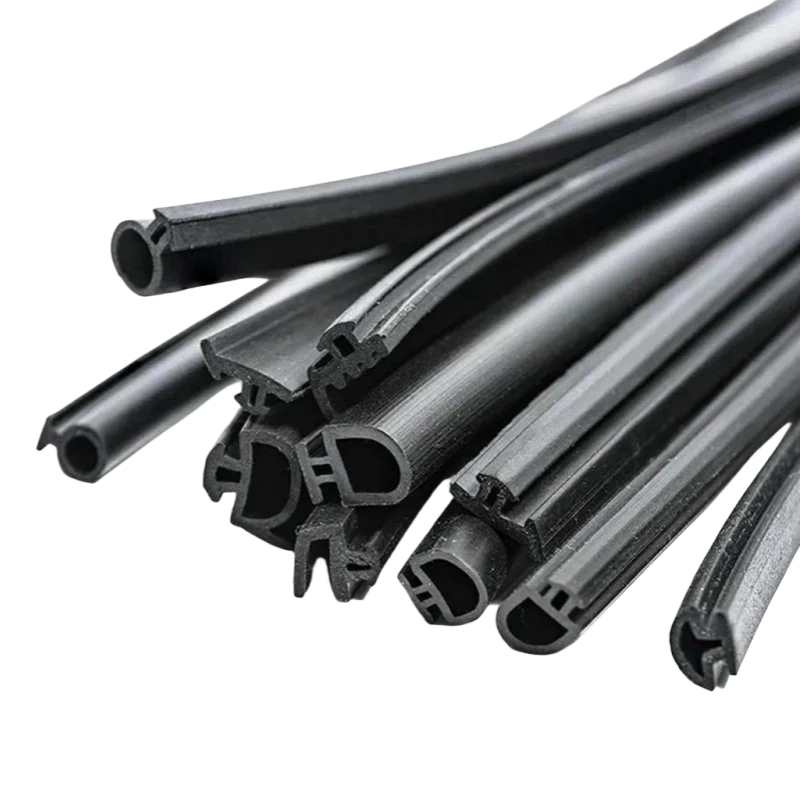 rubber window seal
+
-
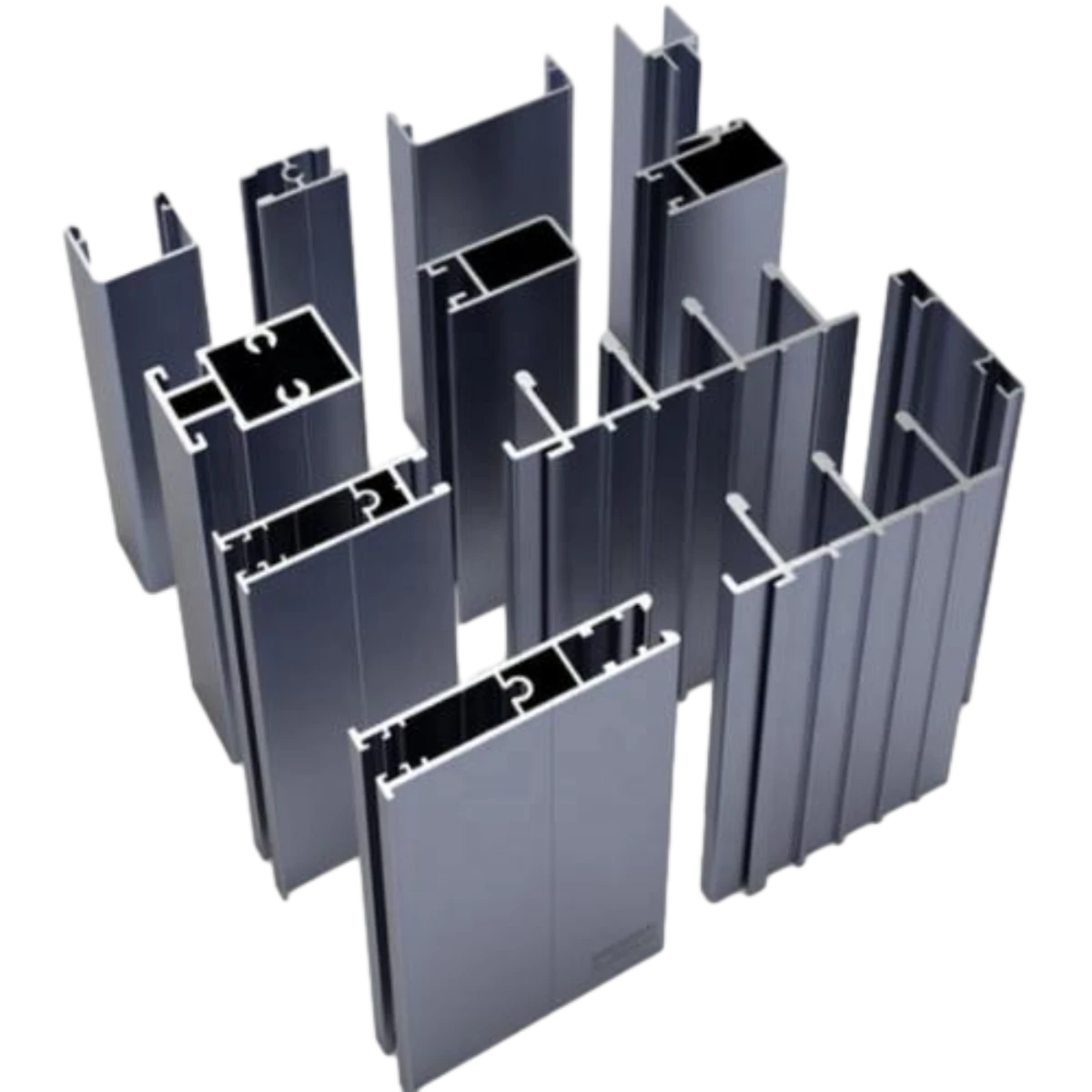 Aluminium Windows Profiles
+
-
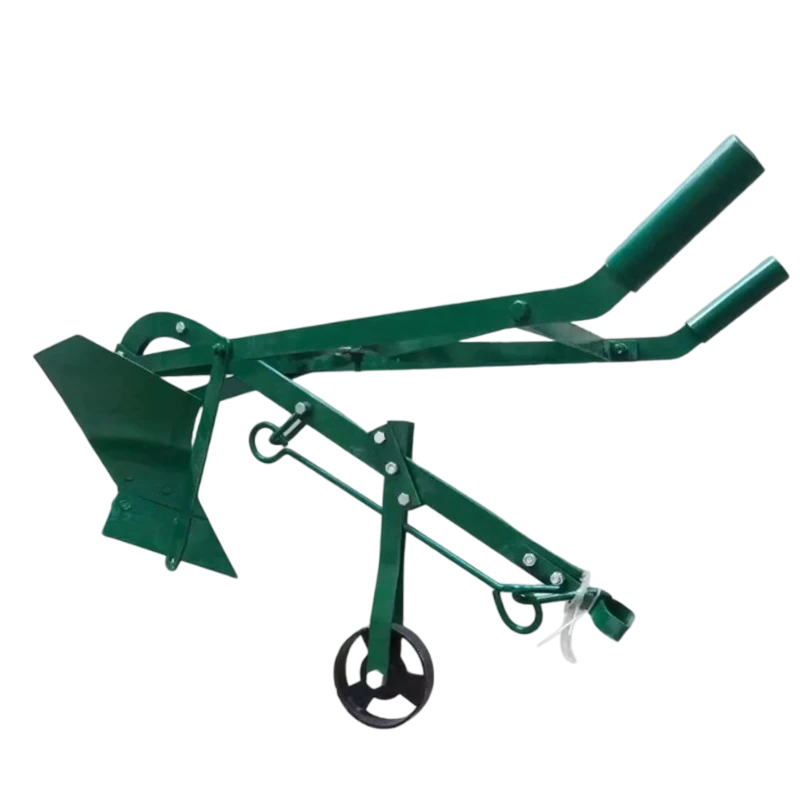 animal drawn plough plows
+
-
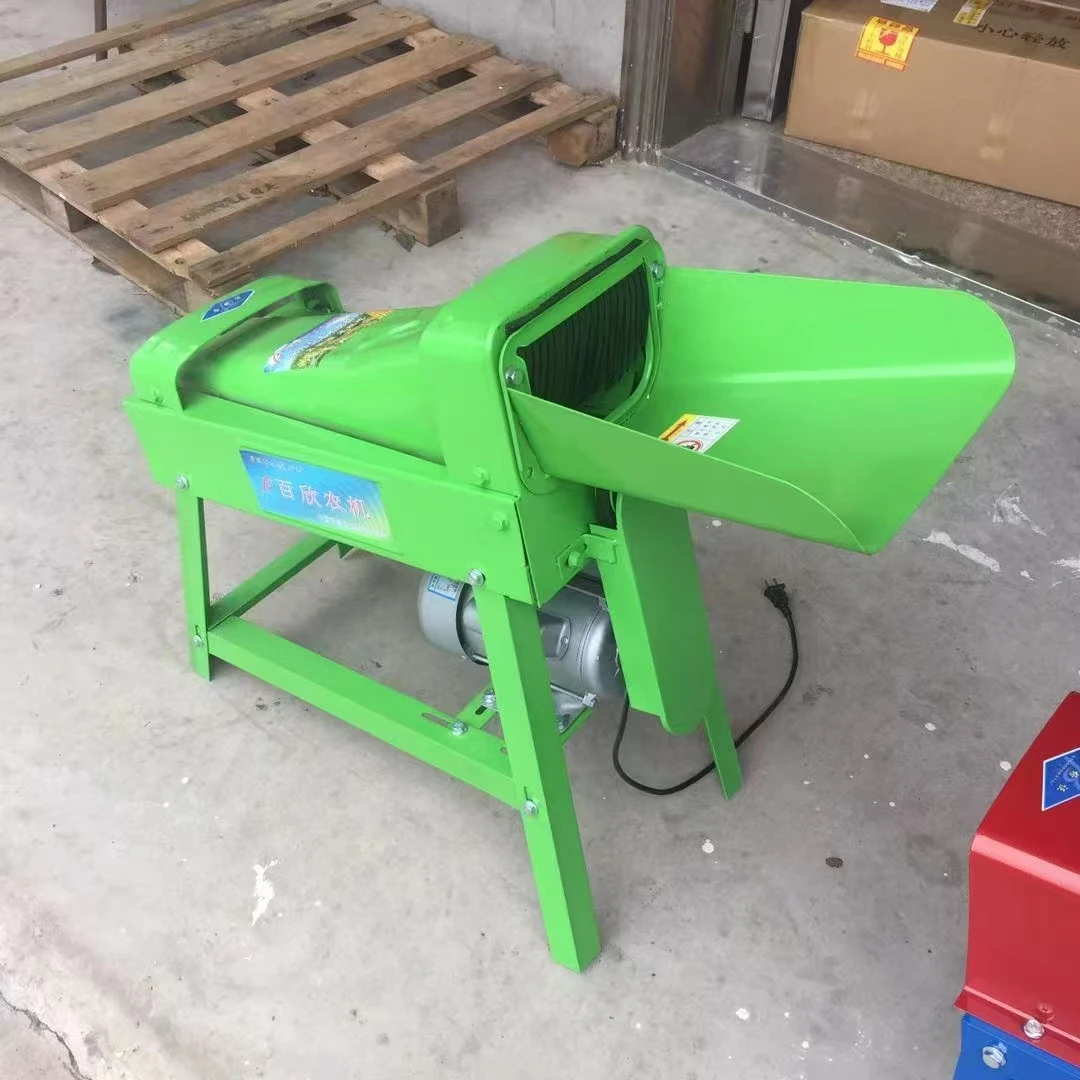 Thresher Machine
+
-
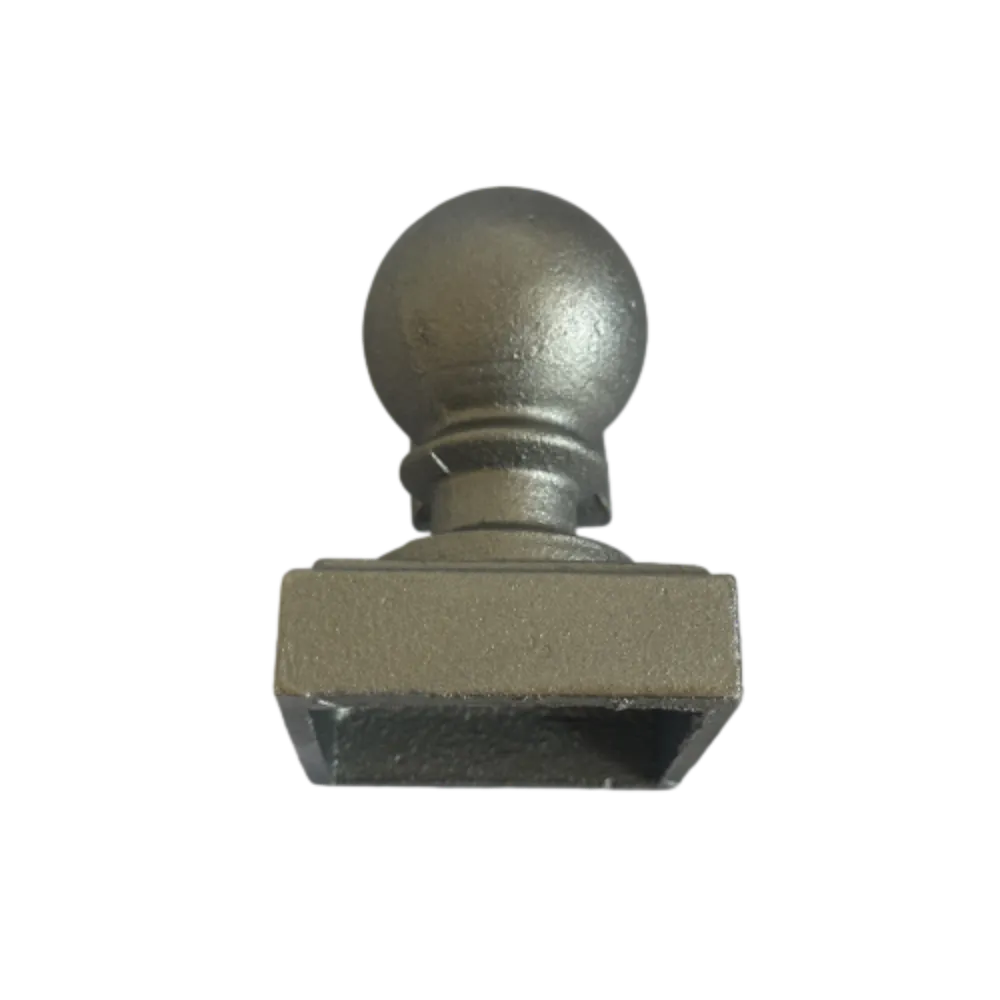 Cast Iron Post Caps
+
-
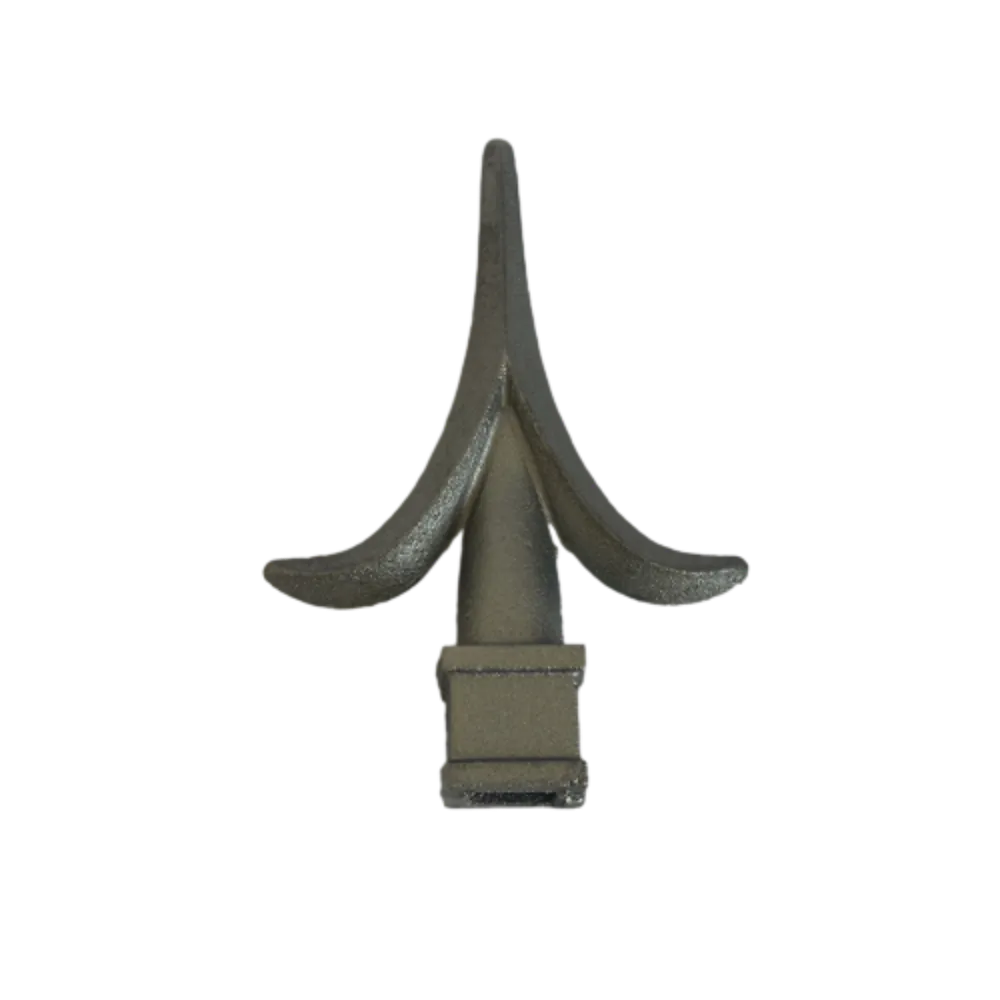 Cast Iron Spear Point Finial
+
-
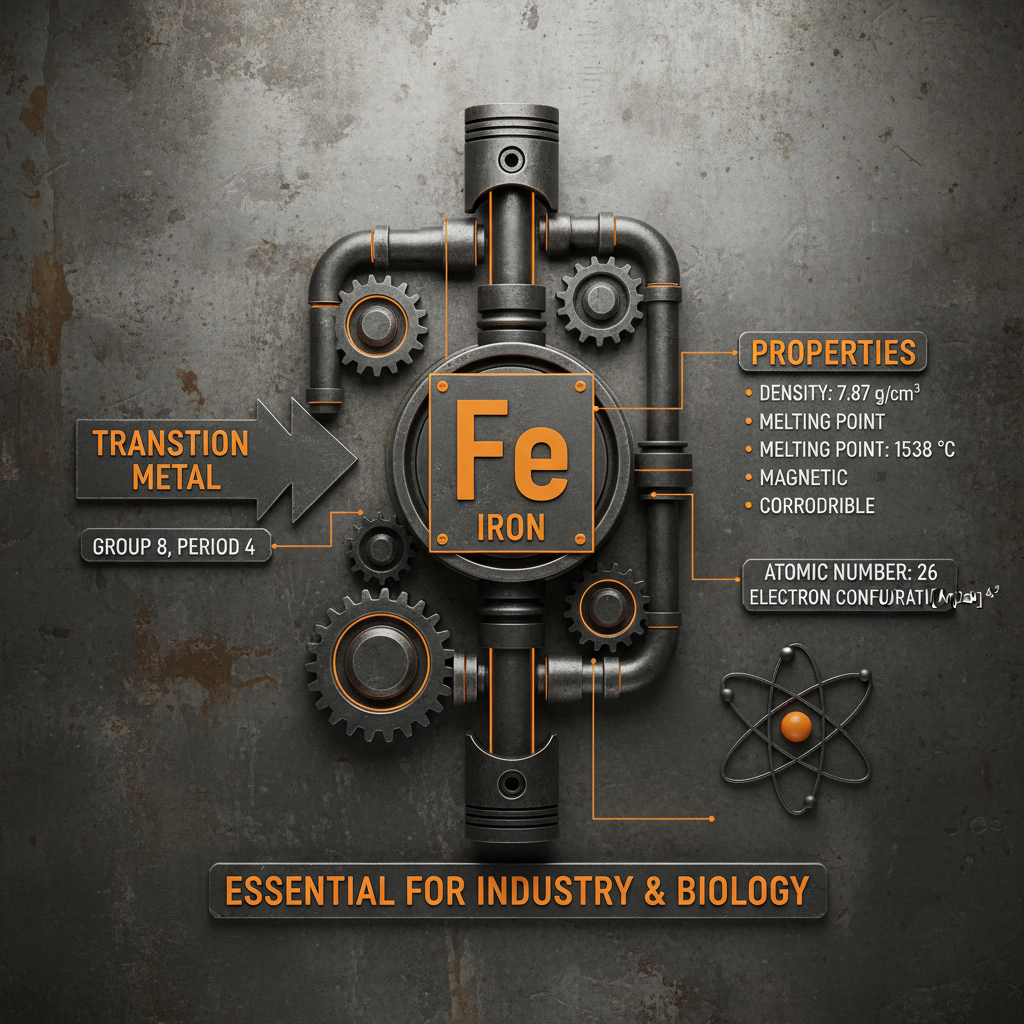 Understanding Iron is What Type of Element and Its PropertiesApr-16-2026Understanding Iron is What Type of Element and Its Properties
 -
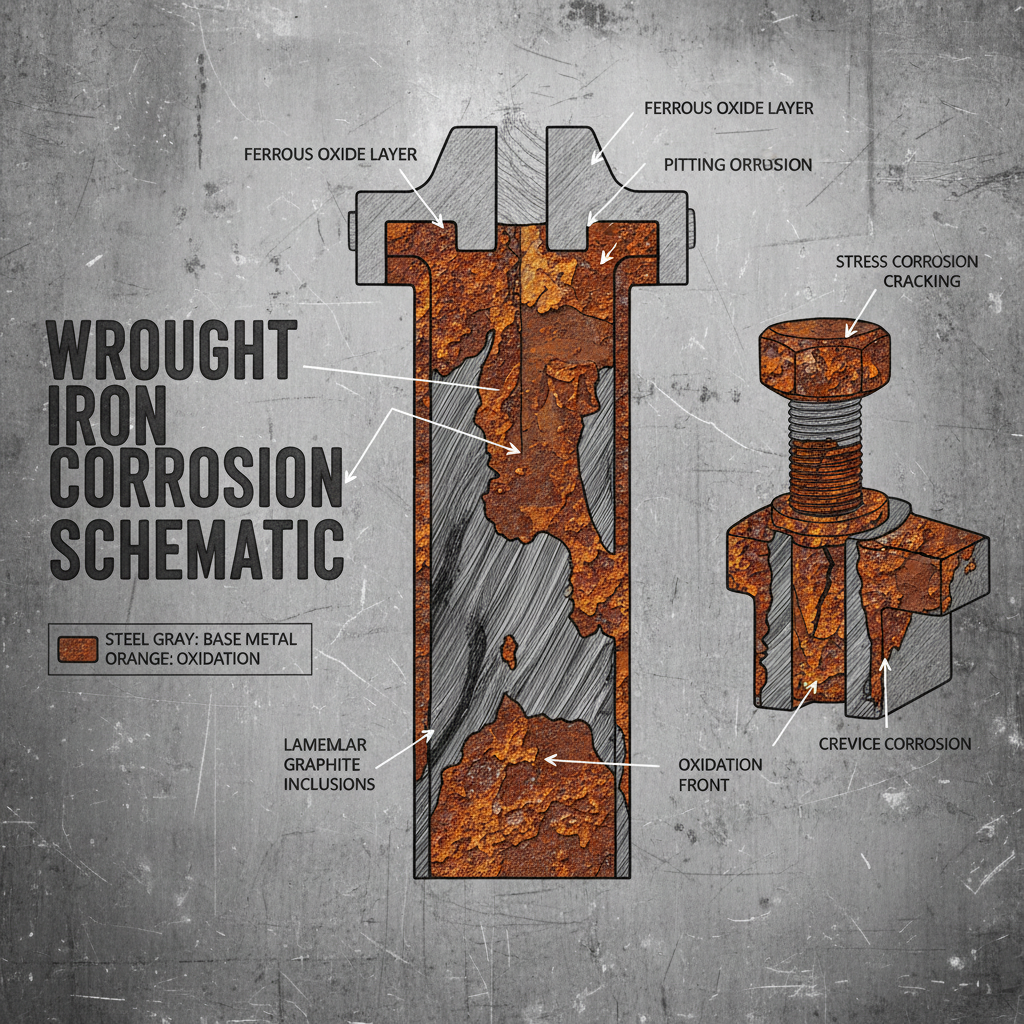 How to Identify Prevent and Remove Wrought Iron Rust EffectivelyApr-09-2026How to Identify Prevent and Remove Wrought Iron Rust Effectively
 -
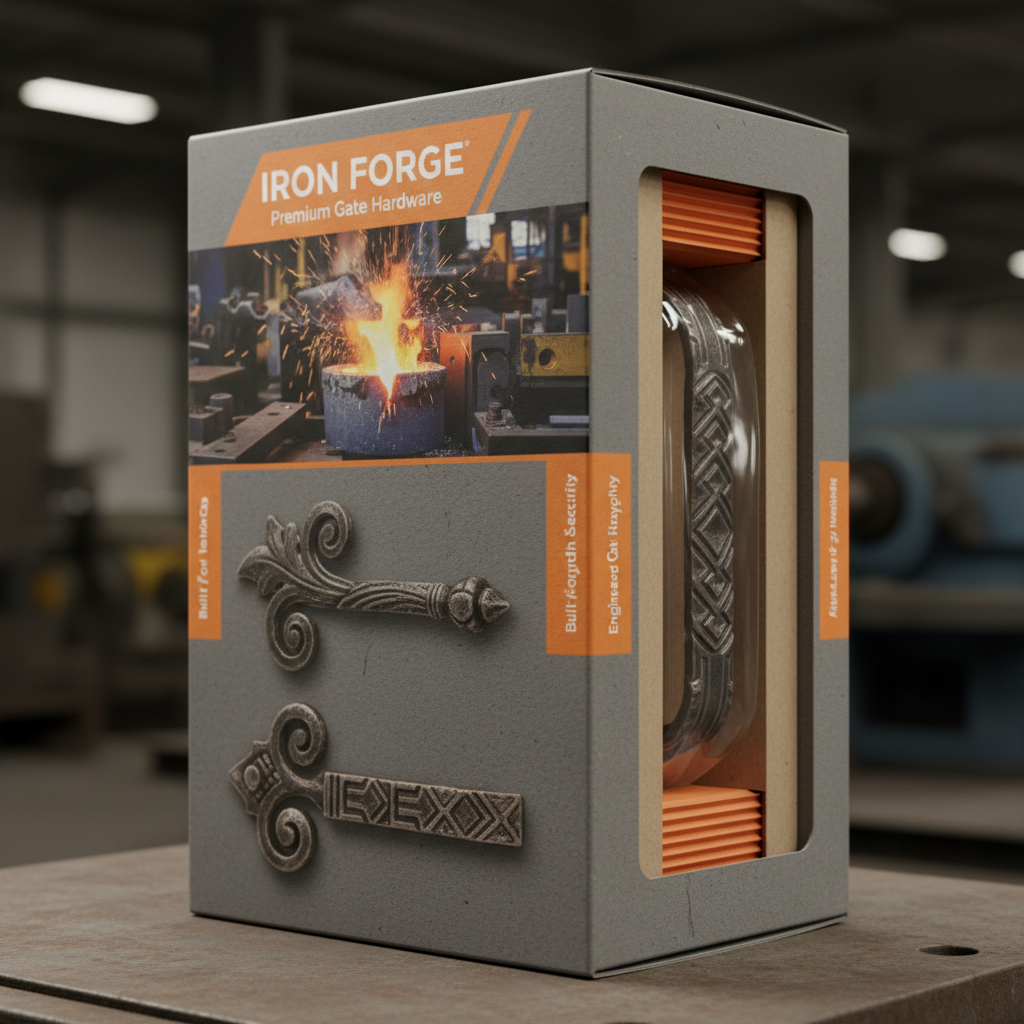 Enhance Your Property with Durable and Stylish Iron Gate HandlesApr-07-2026Enhance Your Property with Durable and Stylish Iron Gate Handles


