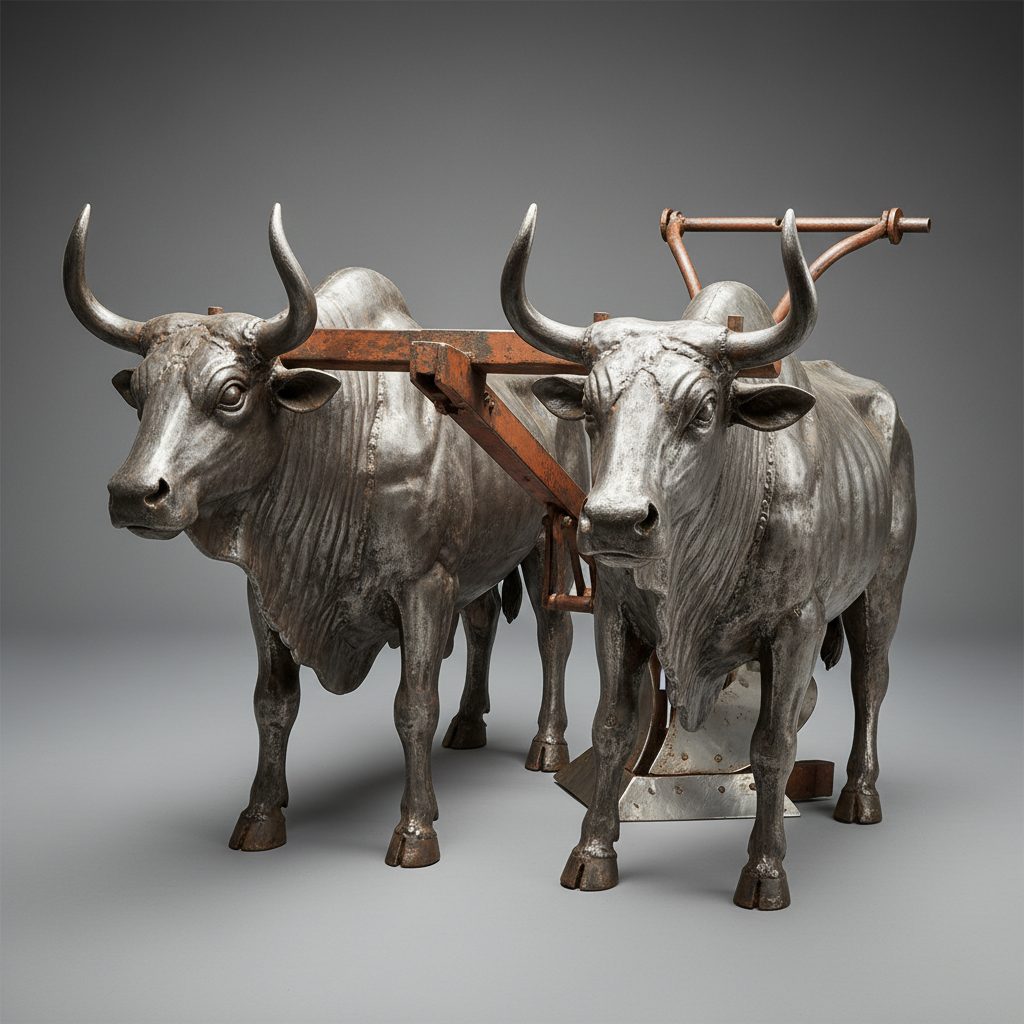
The Enduring Relevance of the Bull Drawn Plough for Sustainable Agriculture
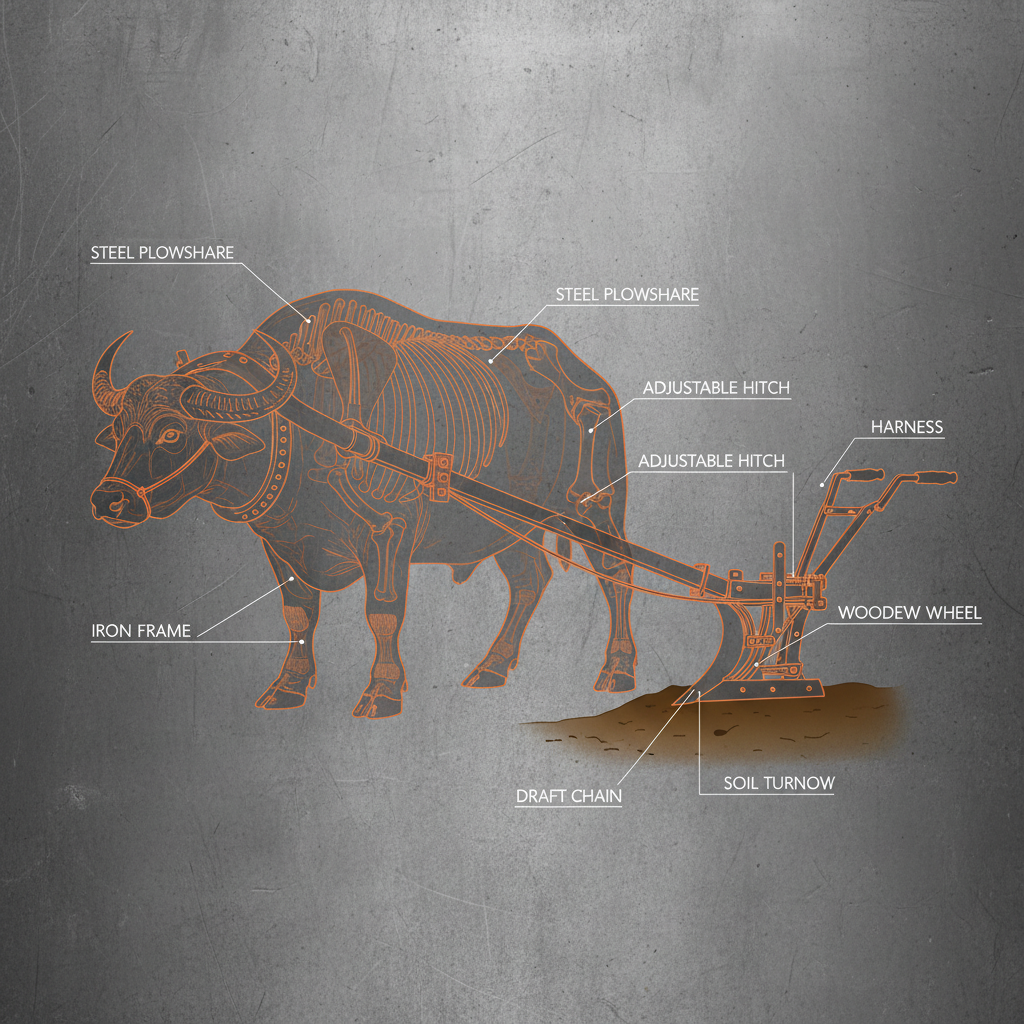
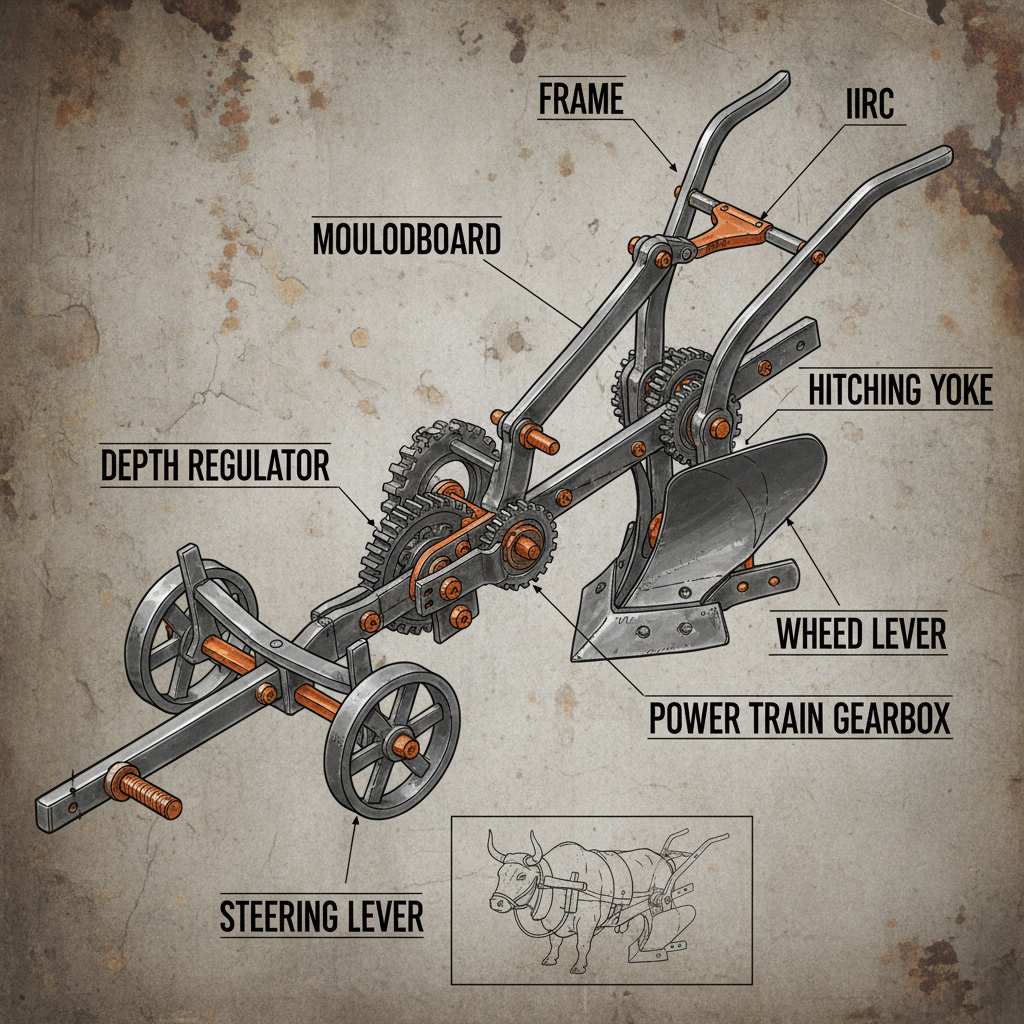
The bull drawn plough, or bullock drawn plough as it’s often called, isn’t some dusty relic of the past. It’s a cornerstone of sustainable agriculture, particularly in regions where mechanization is limited or impractical. For centuries, this simple yet effective tool has allowed farmers to cultivate land, providing food security and livelihoods for countless communities. Understanding its principles and enduring relevance is crucial, not just for agricultural historians, but for anyone involved in global food systems, rural development, and even modern engineering seeking inspiration from time-tested designs. It represents a fascinating intersection of animal power, agricultural technology, and cultural adaptation. Globally, smallholder farmers – those managing less than two hectares of land – produce a significant portion of the world’s food. According to the UN Food and Agriculture Organization (FAO), these farms account for around 80% of all farms worldwide. In many of these areas, access to modern farm machinery is limited due to cost, infrastructure constraints, and environmental factors. This is where the bull drawn plough continues to play a vital role.
Read more »

 By:Charles Anderson - April 17, 2026

 By:Robert Johnson - April 8, 2026

 By:David Miller - April 3, 2026
 By:William Wilson - April 1, 2026
 By:Michael Davis - March 30, 2026