

Comprehensive Guide to Durable and Decorative Wrought Iron Rail Parts Selection
Wrought Iron Rail Parts: A Comprehensive Guide
When designing or renovating a staircase, balcony, or garden, wrought iron rail parts are essential components that combine safety, durability, and aesthetic appeal. These parts, ranging from spindles and newel posts to handrails and brackets, can dramatically enhance the visual character of any space. This article provides a detailed overview of wrought iron rail parts, their applications, materials, and considerations for choosing the right components for your project. Understanding the different options available is key to creating a stunning and secure railing system.
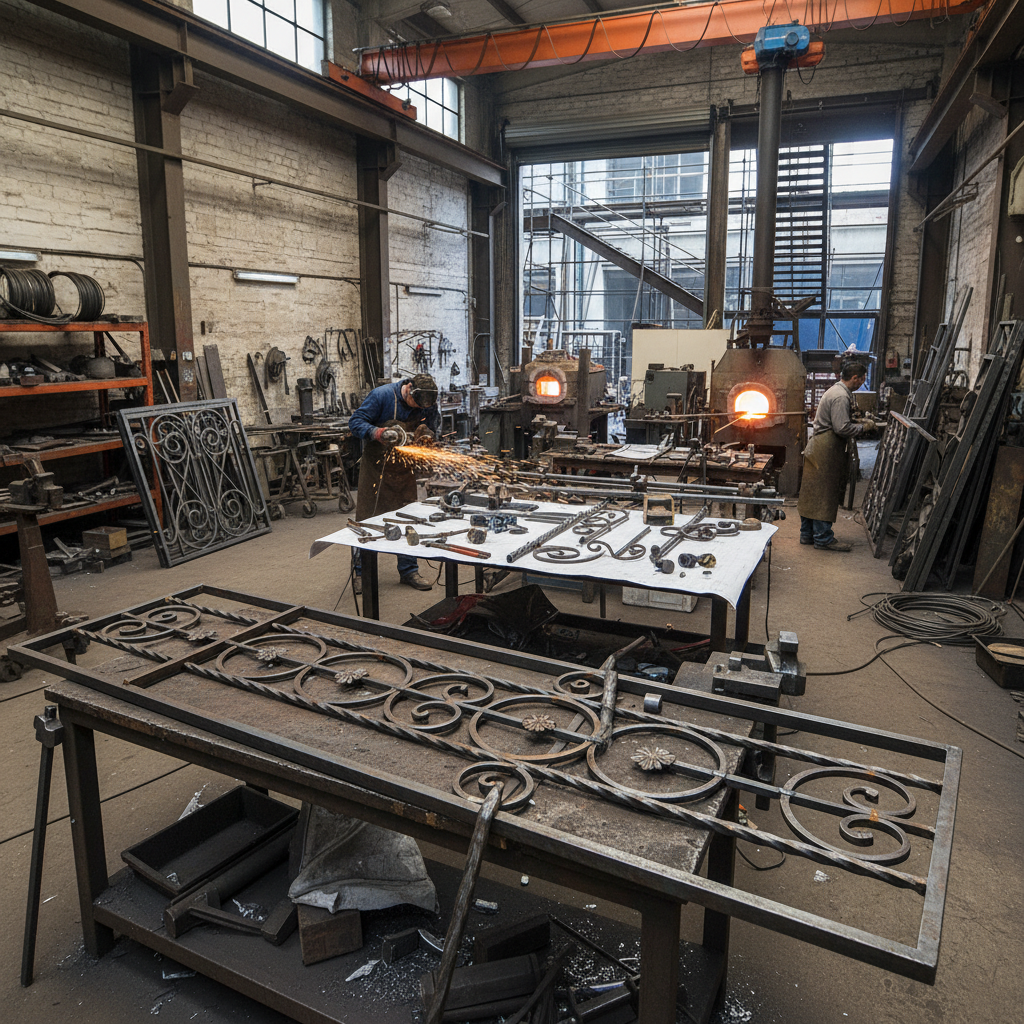
Understanding the Key Components of Wrought Iron Railing
A complete wrought iron railing system consists of several crucial parts. The handrail is the top-most part, designed for grasping, while the spindles (or balusters) are the vertical supports between the handrail and the floor or base rail. Newel posts are the larger, upright posts at the beginning and end of a railing run, providing structural support and often serving as a decorative focal point. Base rails (or shoe rails) run along the bottom, connecting spindles and providing stability. Finally, brackets and fittings are used to connect all these components securely. Choosing high-quality wrought iron rail parts ensures a long-lasting and safe railing.
Key Takeaway: Proper selection and installation of each component are crucial for both the aesthetic appeal and structural integrity of the railing.
Common Materials Used in Wrought Iron Rail Parts
While traditionally made from actual wrought iron, many modern wrought iron rail parts are crafted from steel, offering similar strength and durability at a more cost-effective price point. Carbon steel is a popular choice, known for its strength and weldability. Stainless steel provides excellent corrosion resistance, making it ideal for outdoor applications or coastal environments. Cast iron is often used for intricate designs and decorative elements. The choice of material depends on the specific application, budget, and desired level of maintenance.
Material Comparison:
• Carbon Steel: Strong, affordable, requires protective coating.
• Stainless Steel: Corrosion-resistant, durable, more expensive.
• Cast Iron: Ideal for ornate designs, can be brittle.
Choosing the Right Wrought Iron Rail Parts for Your Project
Selecting the appropriate wrought iron rail parts requires careful consideration of several factors. First, building codes dictate spacing requirements for spindles to ensure safety, particularly regarding child safety. Second, the style of your home or building will influence the design choices – classic, modern, or ornate. Third, the environment (indoor vs. outdoor) impacts material selection. Finally, consider the level of customization desired – pre-fabricated parts are more affordable, while custom-made parts offer greater design flexibility.
The Benefits of Working with a Reputable Supplier
Sourcing your wrought iron rail parts from a trusted supplier like Tianjin Jinyu Iron Casting Co., Ltd. ensures quality, consistency, and reliable customer support. A reputable supplier will offer a wide selection of parts, competitive pricing, and the ability to handle custom orders. They'll also provide technical expertise and guidance to help you select the right components for your specific project needs. Moreover, they typically adhere to stringent quality control measures, guaranteeing the durability and safety of their products.
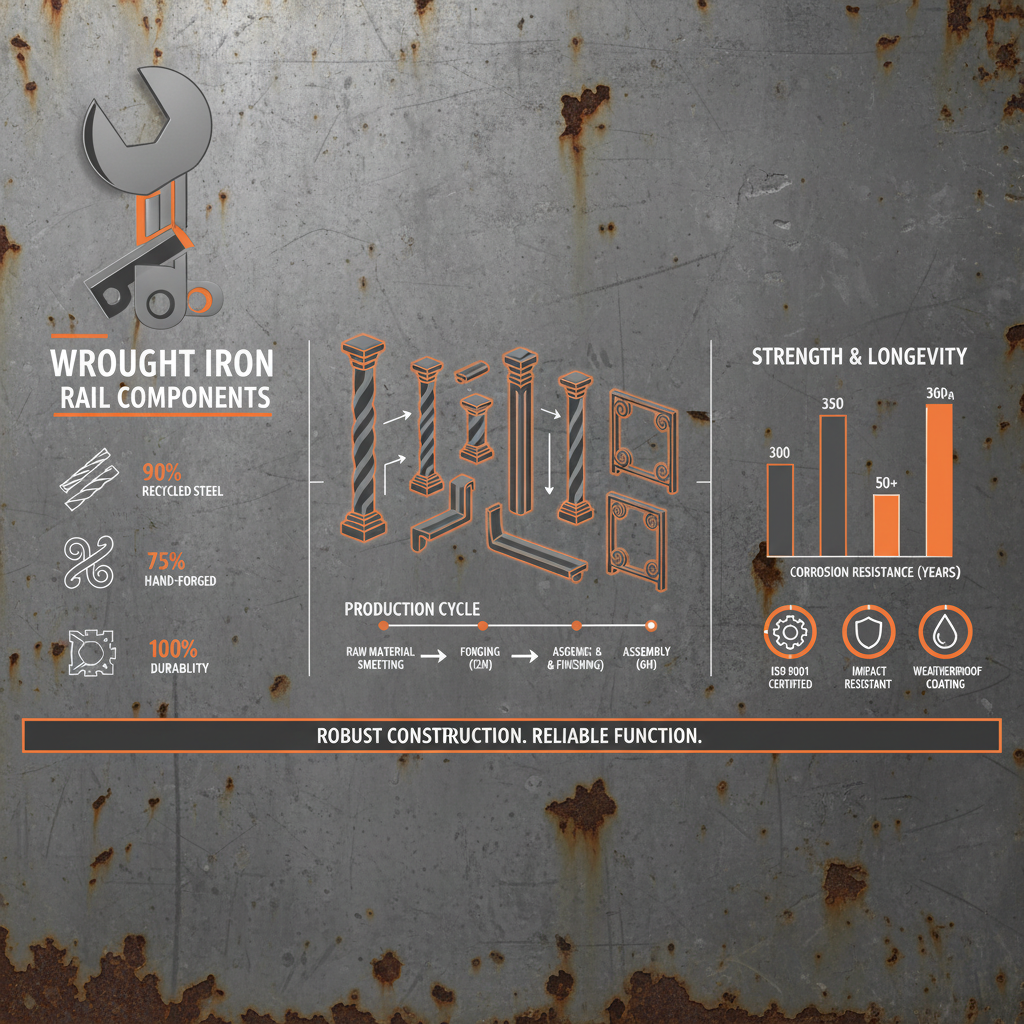
Installation and Maintenance Tips
Proper installation is paramount for the safety and longevity of your wrought iron railing. Ensure all connections are secure and that the railing meets local building codes. Regular maintenance, including cleaning and applying a protective coating (for carbon steel), will prevent rust and corrosion. Inspect the railing periodically for any signs of damage or wear and tear, addressing issues promptly to prevent further deterioration.
Conclusion: Enhancing Spaces with Quality Wrought Iron
Investing in high-quality wrought iron rail parts from a reliable supplier like Tianjin Jinyu Iron Casting Co., Ltd., combines safety, durability, and aesthetic appeal. By carefully considering your project needs and choosing the right materials and components, you can create a stunning and secure railing system that will enhance your space for years to come.
Frequently Asked Questions (FAQs)
What is the typical lead time for custom wrought iron rail parts?
Lead times for custom wrought iron rail parts vary depending on the complexity of the design, the quantity ordered, and the supplier's current workload. Generally, you can expect a lead time of 4-8 weeks for custom fabrication. It's best to discuss your specific requirements with the supplier to get an accurate estimate. Factors such as material availability and intricate detailing can influence the timeframe. Planning ahead and allowing sufficient time for fabrication is crucial for staying on schedule.
What finishes are available for wrought iron rail parts?
A variety of finishes are available for wrought iron rail parts, including powder coating, paint, and clear coatings. Powder coating provides a durable and weather-resistant finish in a range of colors. Paint offers a more traditional look and allows for custom color matching. Clear coatings protect the metal from rust while preserving its natural appearance. The choice of finish depends on the application, desired aesthetic, and level of maintenance.
How do I determine the correct height for my wrought iron railing?
The correct height for a wrought iron railing depends on building codes and the intended application. Generally, railings should be at least 36 inches (91 cm) high for residential use and 42 inches (107 cm) high for commercial applications. For staircases, the height should be consistent along the handrail. Always check your local building codes for specific requirements to ensure compliance and safety.
Are wrought iron rail parts suitable for outdoor use?
Yes, wrought iron rail parts are suitable for outdoor use, but it's essential to choose materials and finishes that can withstand the elements. Stainless steel is an excellent choice for its corrosion resistance. Carbon steel railings should be treated with a protective coating, such as powder coating or paint, to prevent rust. Regular maintenance, including cleaning and re-coating as needed, will ensure the longevity of outdoor wrought iron railings.
-
Understanding Iron is What Type of Element and Its PropertiesNewsApr.16,2026
-
How to Identify Prevent and Remove Wrought Iron Rust EffectivelyNewsApr.09,2026
-
Enhance Your Property with Durable and Stylish Iron Gate HandlesNewsApr.07,2026
-
Understanding Wrought Iron vs Iron Properties and ApplicationsNewsApr.04,2026
-
Elevate Your Property with Stunning Gate Wrought Iron Design OptionsNewsMar.31,2026
-
The Enduring Appeal of Ornamental Wrought Iron for Elegant DesignNewsMar.28,2026
-
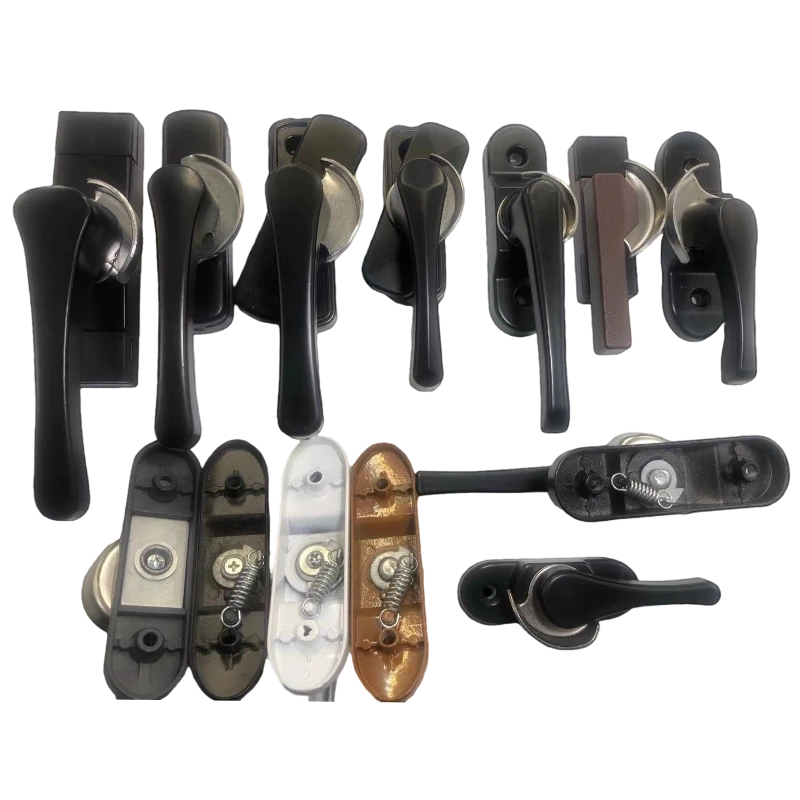 Aluminum Ally door and window handle
+
-
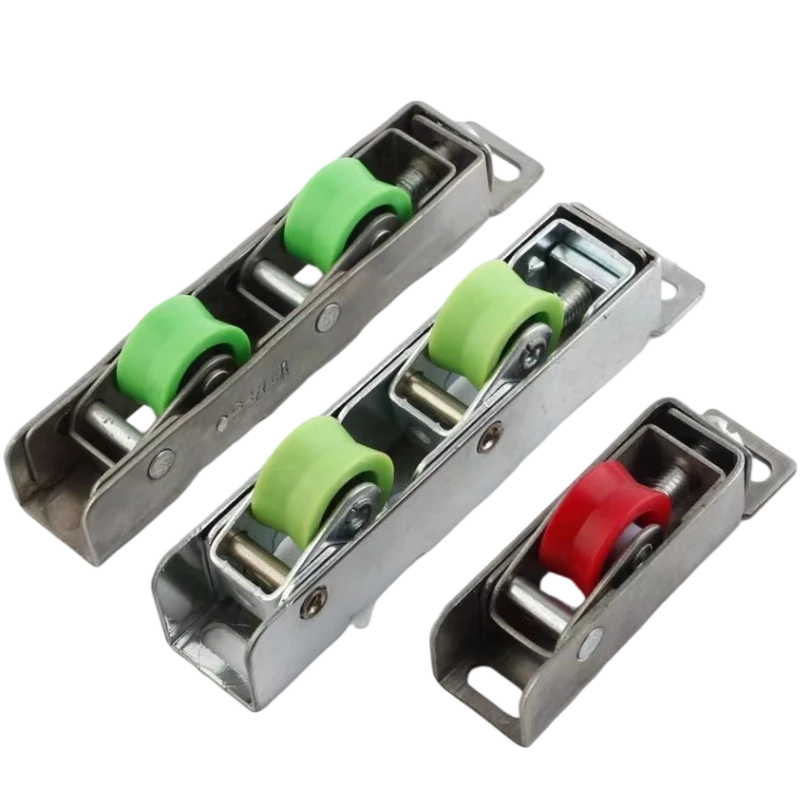 Sliding door window wheel rollers
+
-
 rubber window seal
+
-
 Aluminium Windows Profiles
+
-
 animal drawn plough plows
+
-
 Thresher Machine
+
-
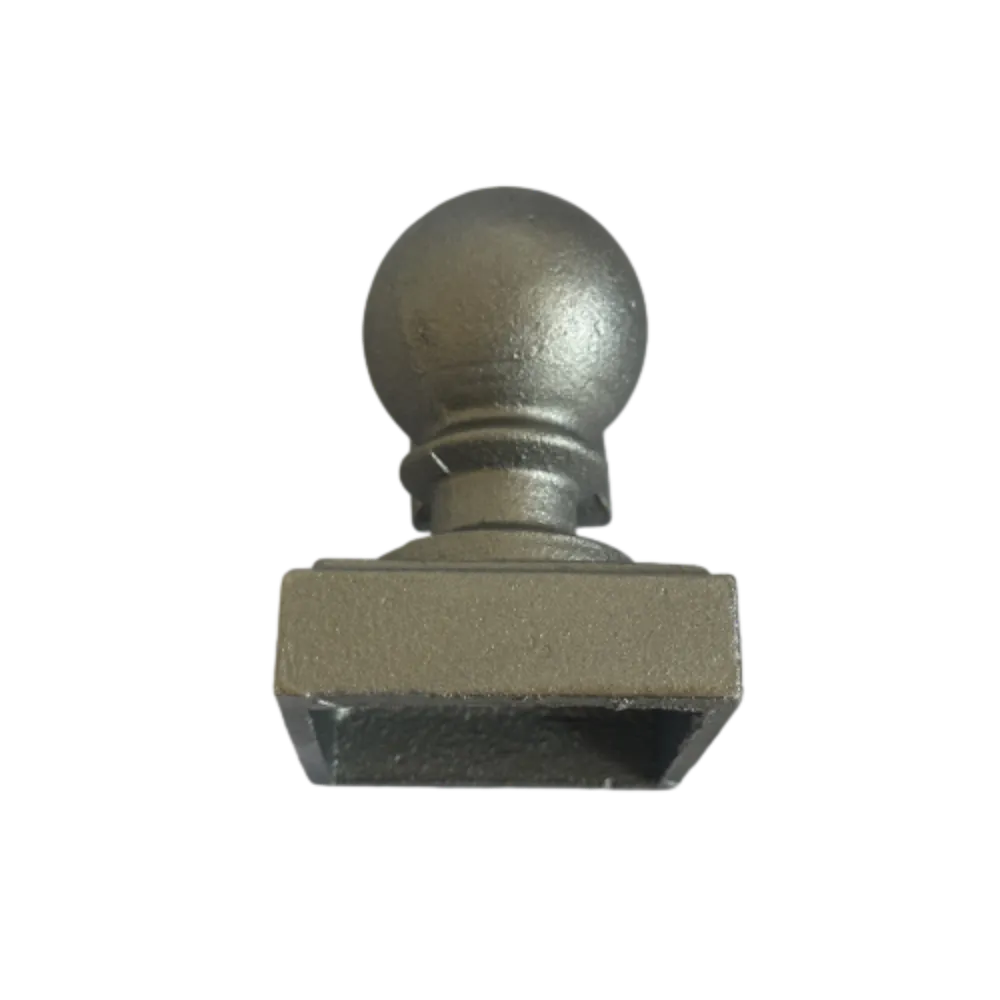 Cast Iron Post Caps
+
-
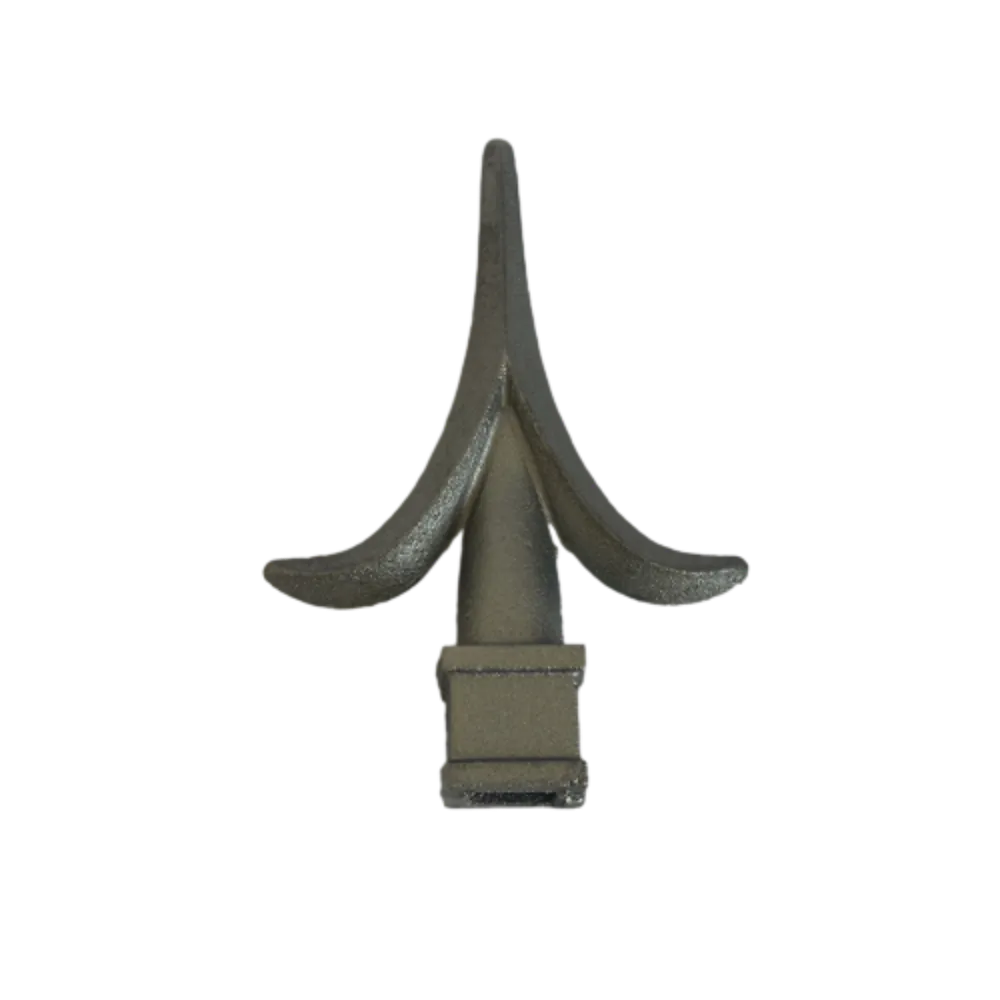 Cast Iron Spear Point Finial
+
-
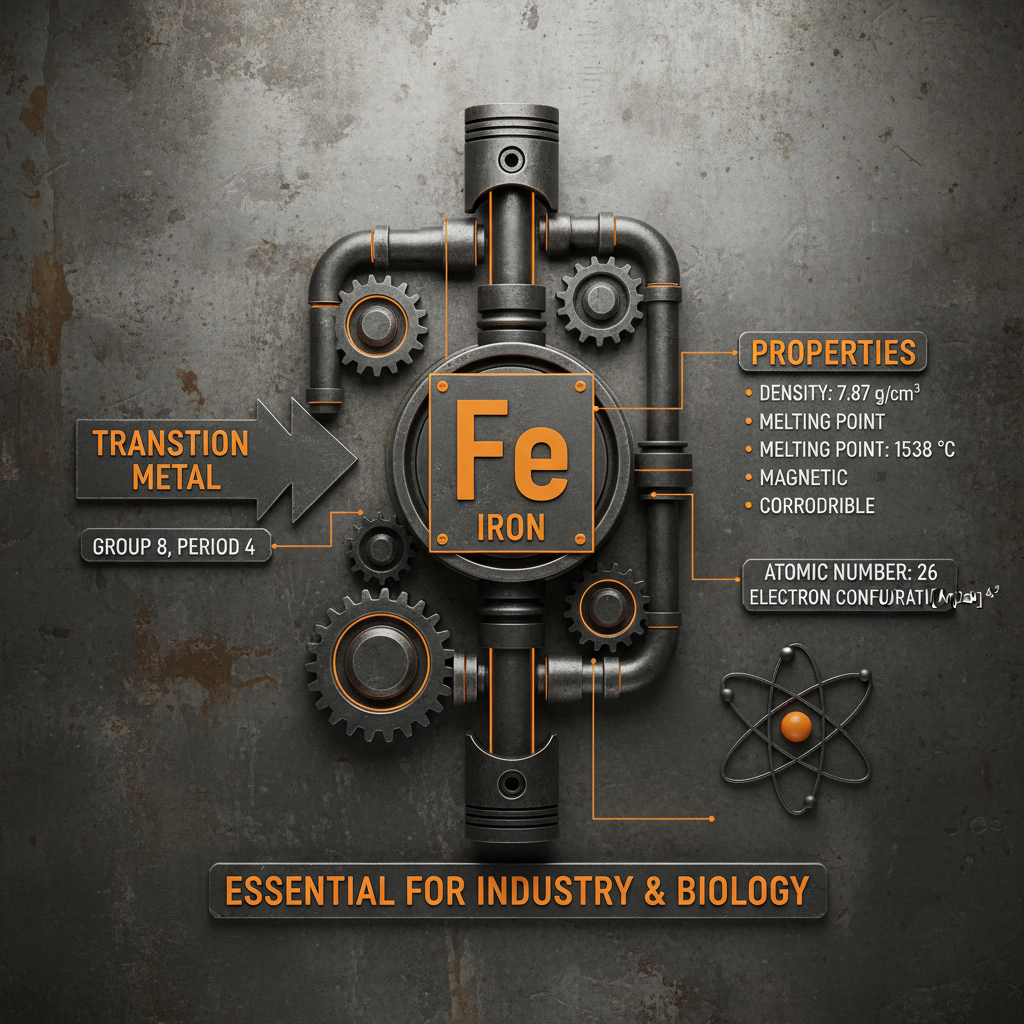 Understanding Iron is What Type of Element and Its PropertiesApr-16-2026Understanding Iron is What Type of Element and Its Properties
 -
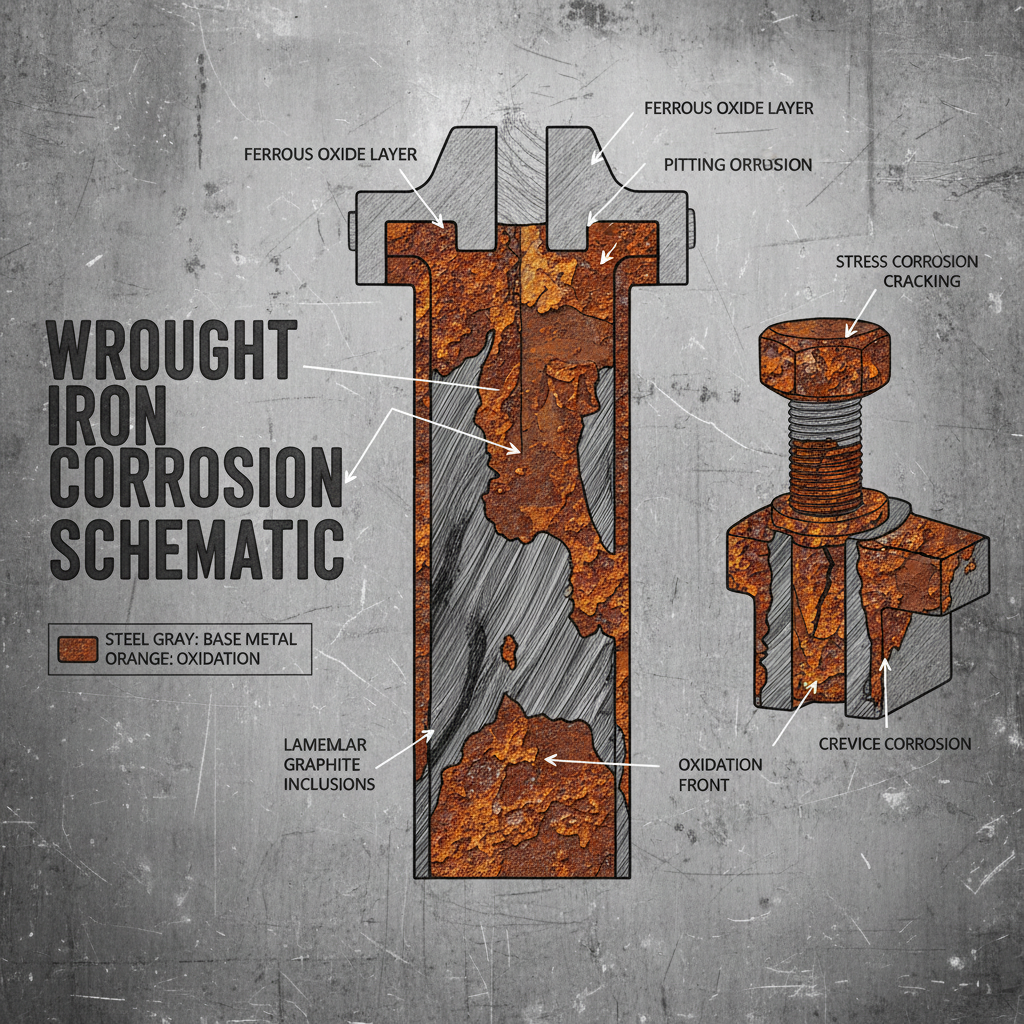 How to Identify Prevent and Remove Wrought Iron Rust EffectivelyApr-09-2026How to Identify Prevent and Remove Wrought Iron Rust Effectively
 -
 Enhance Your Property with Durable and Stylish Iron Gate HandlesApr-07-2026Enhance Your Property with Durable and Stylish Iron Gate Handles


