

Comprehensive Guide to Durable Wrought Iron Railing Components and Systems
Wrought Iron Railing Components: A Comprehensive Guide
When planning a railing project, selecting the right wrought iron railing components is crucial for both aesthetic appeal and structural integrity. These components, ranging from balusters to newel posts, form the foundation of a durable and visually striking railing system. This article will delve into the various types of wrought iron railing components, their applications, material considerations, and factors to consider when choosing a supplier. We’ll explore how quality components contribute to a long-lasting and secure railing installation.
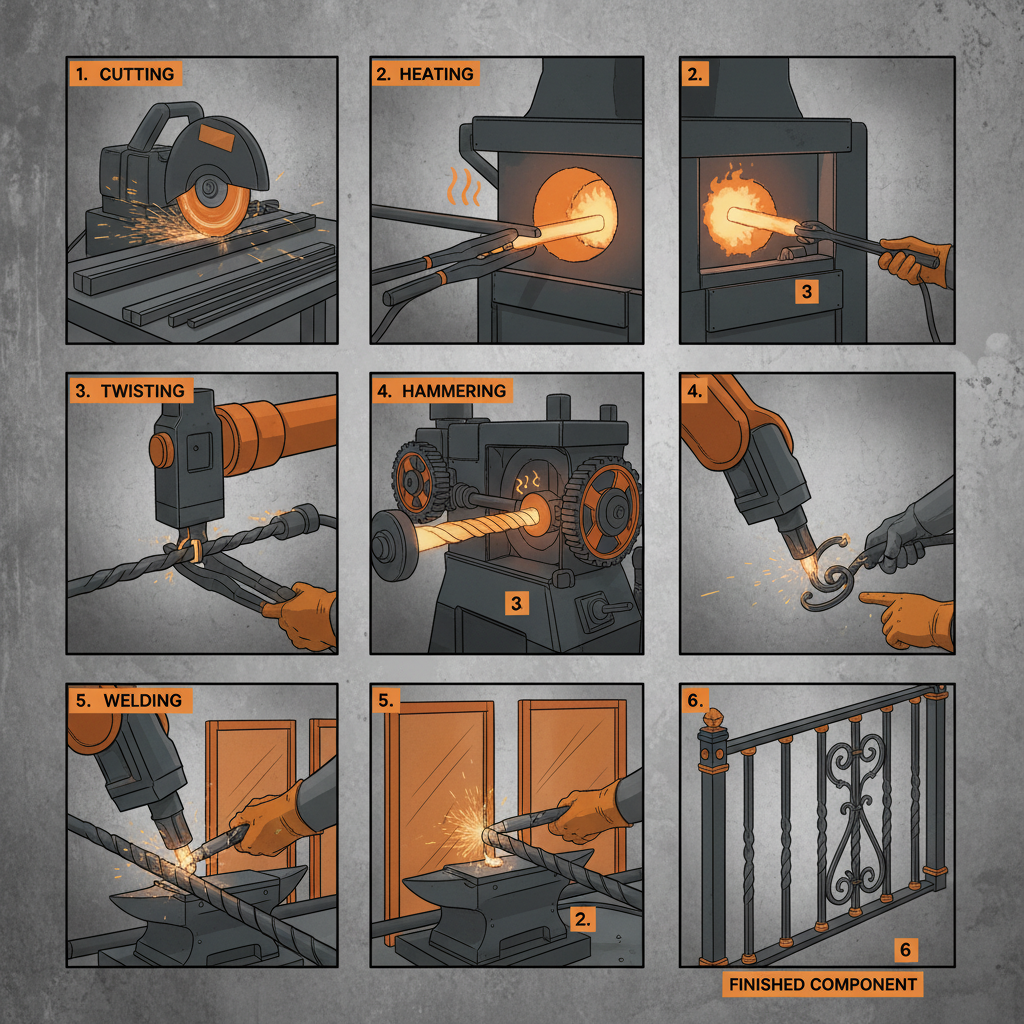
Understanding the Different Types of Wrought Iron Railing Components
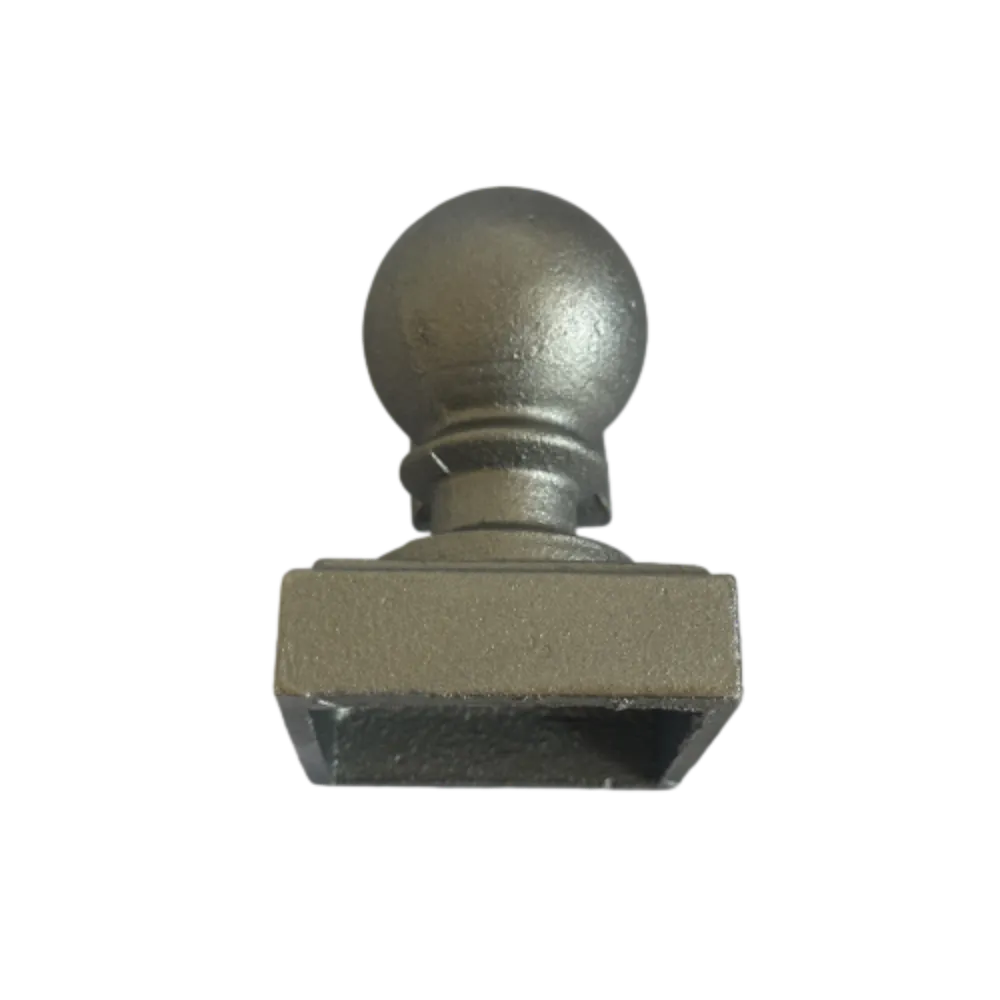
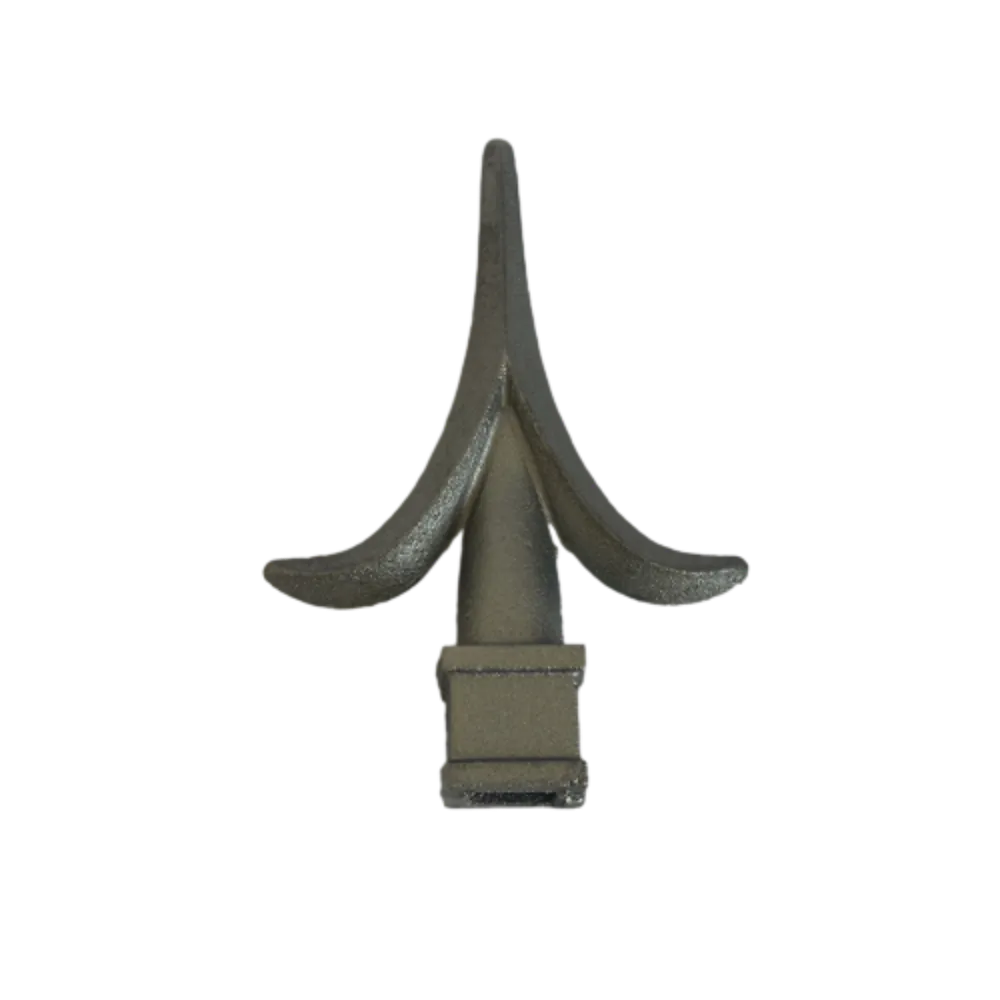
Wrought iron railing systems consist of several key components. These include balusters (the vertical posts between the handrail and the floor), handrails (the top portion you grip), newel posts (the larger posts at the beginning and end of the railing run), base plates (for securing newel posts and balusters), and fittings (connecting components like caps and flanges). The style and complexity of these components can vary greatly, from simple, traditional designs to ornate, custom creations. Selecting the appropriate combination of these components is essential to achieve the desired look and meet safety requirements. TJ Iron Casting offers a wide range of these components to suit diverse project needs.
Key Takeaway: Properly understanding the role of each component ensures a successful railing installation.
Material Considerations: Wrought Iron vs. Other Metals
While the term "wrought iron" is commonly used, many modern railing components are actually made from steel, often mild steel, due to its lower cost and increased availability. True wrought iron is rarely used today. Steel offers excellent strength and durability, but it's susceptible to rust if not properly protected. Galvanization and powder coating are commonly used to prevent corrosion. Other metals, like aluminum, are also used for railings, particularly in coastal areas where corrosion is a major concern. However, aluminum is generally less strong than steel. The choice of material depends on the environment, budget, and desired aesthetic.
Material Comparison:
• Wrought Iron (Steel): High strength, durable, requires corrosion protection.
• Aluminum: Lightweight, corrosion-resistant, lower strength.
• Stainless Steel: Excellent corrosion resistance, high strength, more expensive.
Selecting the Right Wrought Iron Railing Components for Your Project
Choosing the correct wrought iron railing components involves considering several factors. First, determine the local building codes and safety regulations regarding railing height, baluster spacing, and load capacity. Next, assess the overall architectural style of your property and select components that complement its aesthetic. Consider the environment – coastal areas require more corrosion-resistant materials. Finally, prioritize quality and durability when selecting a supplier. TJ Iron Casting provides detailed product specifications and expert advice to help you make informed decisions.
Why Choose TJ Iron Casting for Your Railing Needs?
At TJ Iron Casting, we specialize in providing high-quality wrought iron railing components. We offer a wide selection of designs, customizable options, and competitive pricing. Our commitment to quality control ensures that our products meet stringent industry standards. We also pride ourselves on our excellent customer service and prompt delivery. Whether you’re a homeowner, contractor, or architect, we have the expertise and resources to meet your project requirements.
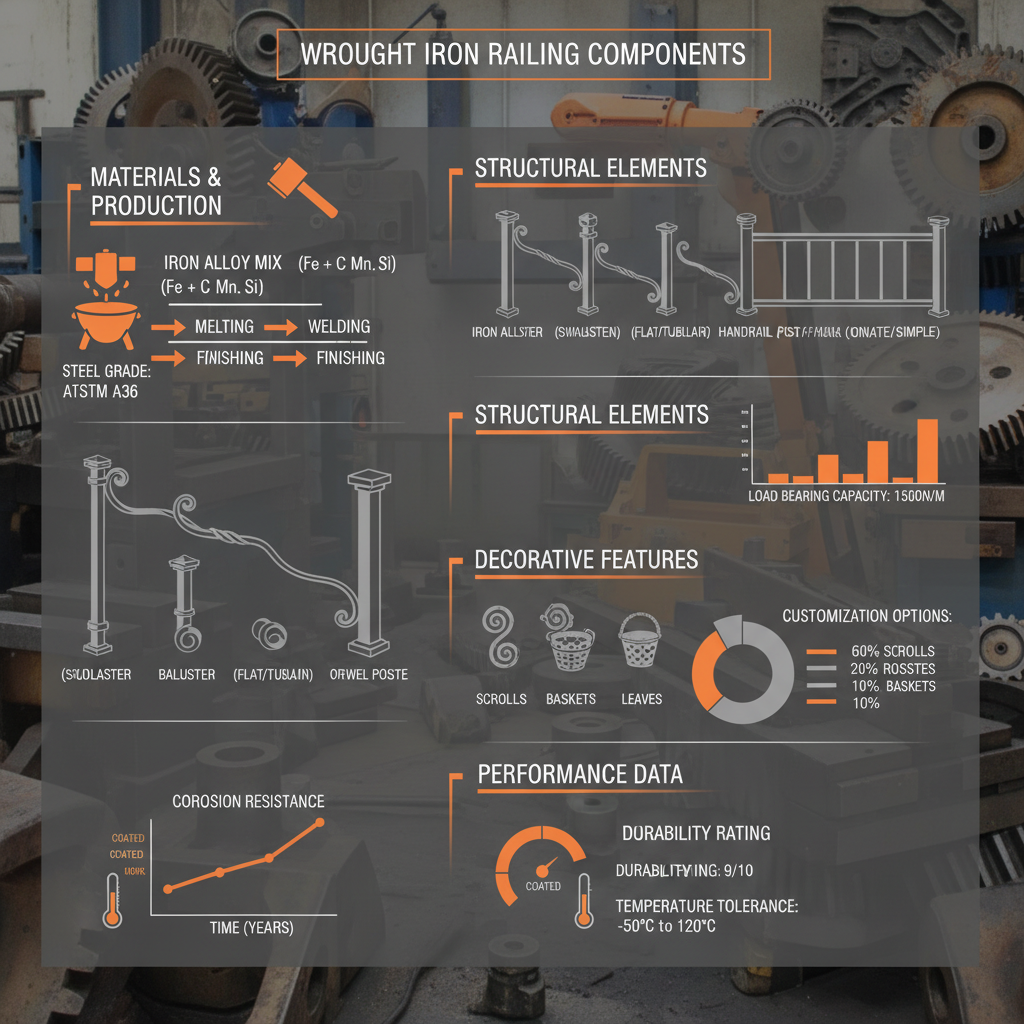
Maintenance and Care for Wrought Iron Railings
To ensure the longevity of your wrought iron railing, regular maintenance is essential. This includes periodic cleaning to remove dirt and debris, and applying a protective coating to prevent rust. Inspect the railing for any signs of damage, such as cracks or loose connections, and address them promptly. A well-maintained wrought iron railing will provide years of beauty and security. Consider using a wax-based coating for added protection against the elements. TJ Iron Casting offers guidance on proper maintenance practices.
Conclusion: Investing in Quality Railing Components
Choosing the right wrought iron railing components is a crucial investment in the safety, aesthetics, and longevity of your property. By considering material options, design styles, and selecting a reliable supplier like TJ Iron Casting, you can create a railing system that enhances your home or business for years to come. Don’t compromise on quality – choose components that are built to last.
Frequently Asked Questions (FAQs)
What is the typical lead time for ordering custom wrought iron railing components?
Lead times vary depending on the complexity of the design and current order volume. Generally, standard components are in stock and can ship within 1-3 business days. Custom designs typically require 2-4 weeks for fabrication. We provide a detailed timeline during the quoting process. At TJ Iron Casting, we strive to deliver orders as quickly as possible without compromising quality.
Do you offer installation services for wrought iron railings?
While we primarily specialize in the manufacturing and supply of wrought iron railing components, we can recommend qualified installers in your area. We partner with experienced professionals who have the expertise to ensure a safe and secure installation. We can also provide detailed installation guides and support to assist your chosen installer.
What types of finishes are available for your wrought iron components?
We offer a variety of finishes, including powder coating, galvanization, and traditional paint finishes. Powder coating provides excellent durability and corrosion resistance, while galvanization offers superior protection in harsh environments. We can also match custom colors to meet your specific design requirements. We offer a range of standard colors, including black, bronze, and silver.
Are your components suitable for outdoor use?
Yes, our wrought iron railing components are designed for both indoor and outdoor use. We recommend selecting components with appropriate corrosion protection, such as galvanization or powder coating, for outdoor applications. Proper maintenance, including regular cleaning and protective coatings, is also essential to ensure longevity in outdoor environments.
-
Understanding Iron is What Type of Element and Its PropertiesNewsApr.16,2026
-
How to Identify Prevent and Remove Wrought Iron Rust EffectivelyNewsApr.09,2026
-
Enhance Your Property with Durable and Stylish Iron Gate HandlesNewsApr.07,2026
-
Understanding Wrought Iron vs Iron Properties and ApplicationsNewsApr.04,2026
-
Elevate Your Property with Stunning Gate Wrought Iron Design OptionsNewsMar.31,2026
-
The Enduring Appeal of Ornamental Wrought Iron for Elegant DesignNewsMar.28,2026
-
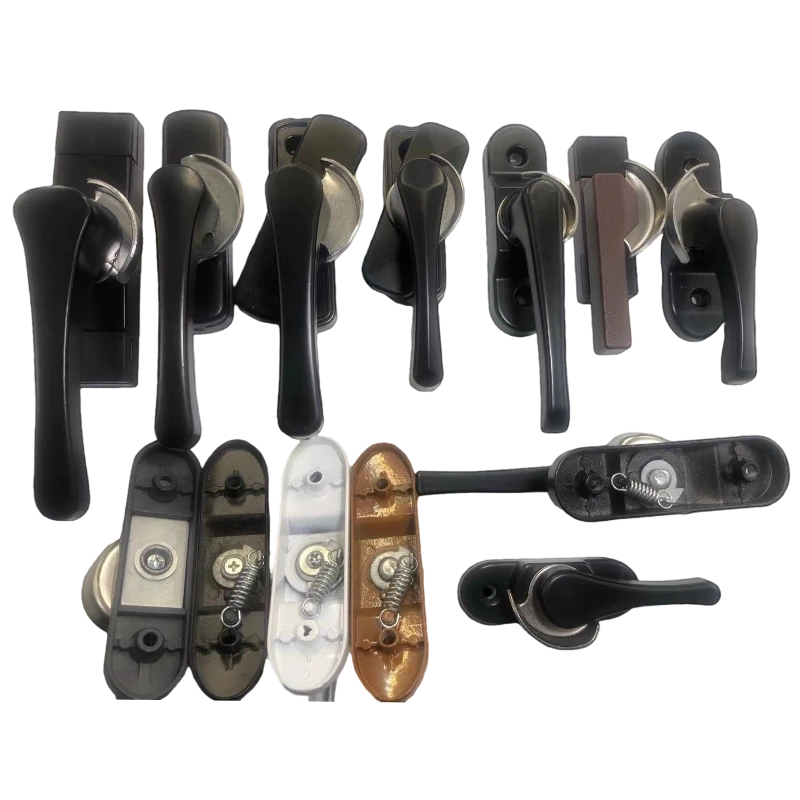 Aluminum Ally door and window handle
+
-
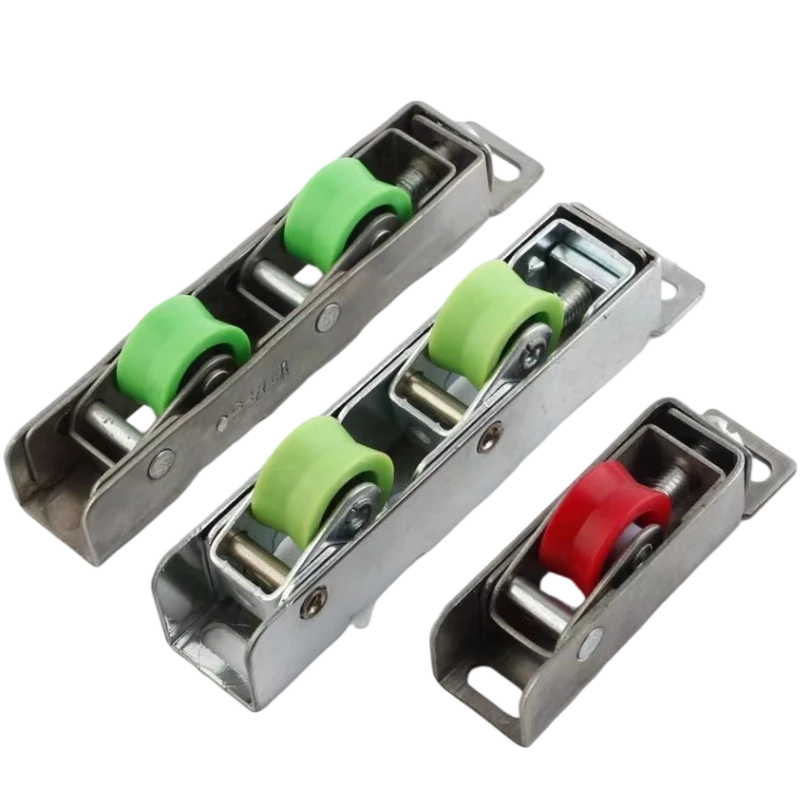 Sliding door window wheel rollers
+
-
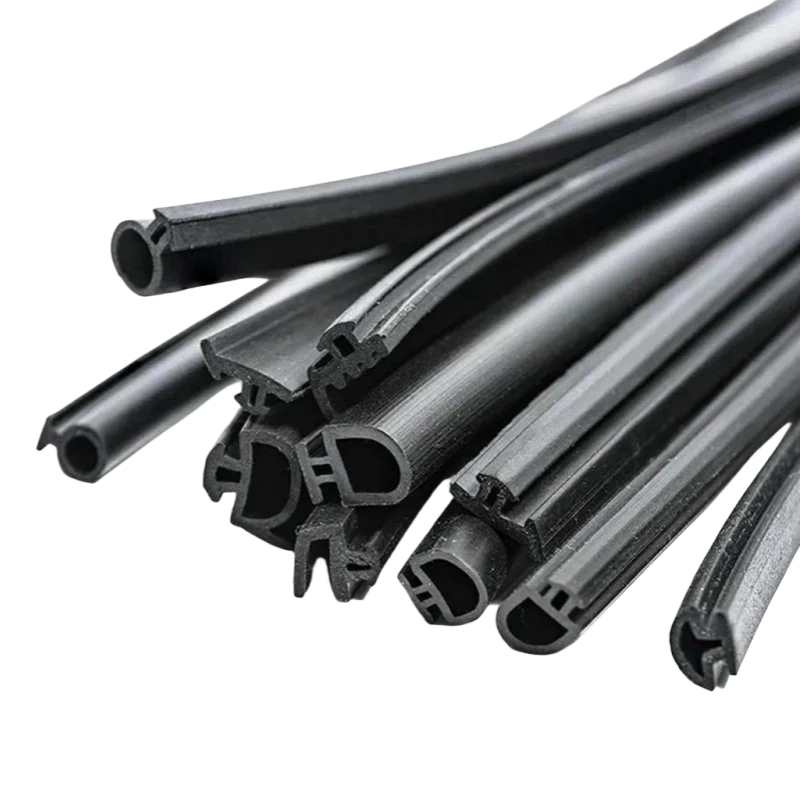 rubber window seal
+
-
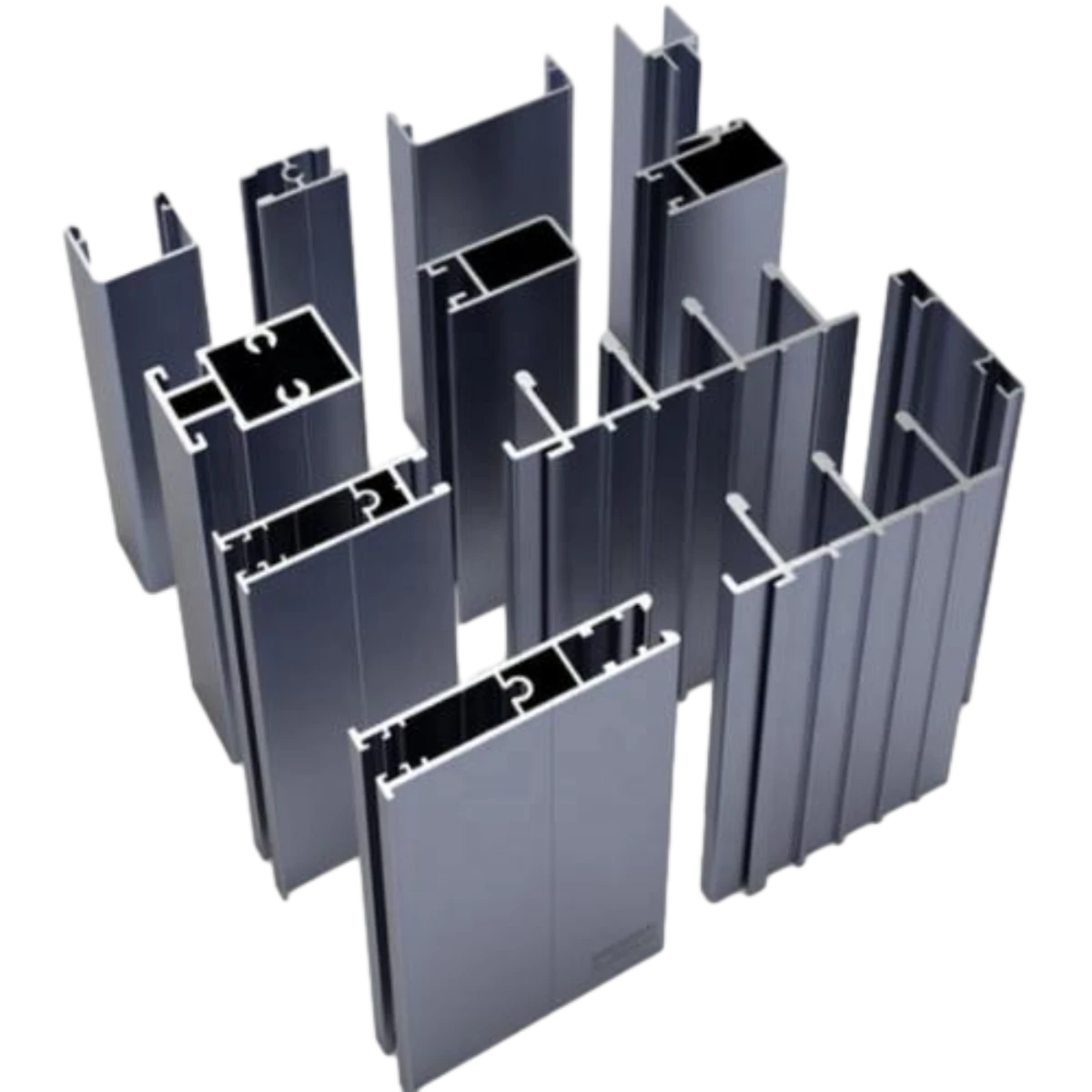 Aluminium Windows Profiles
+
-
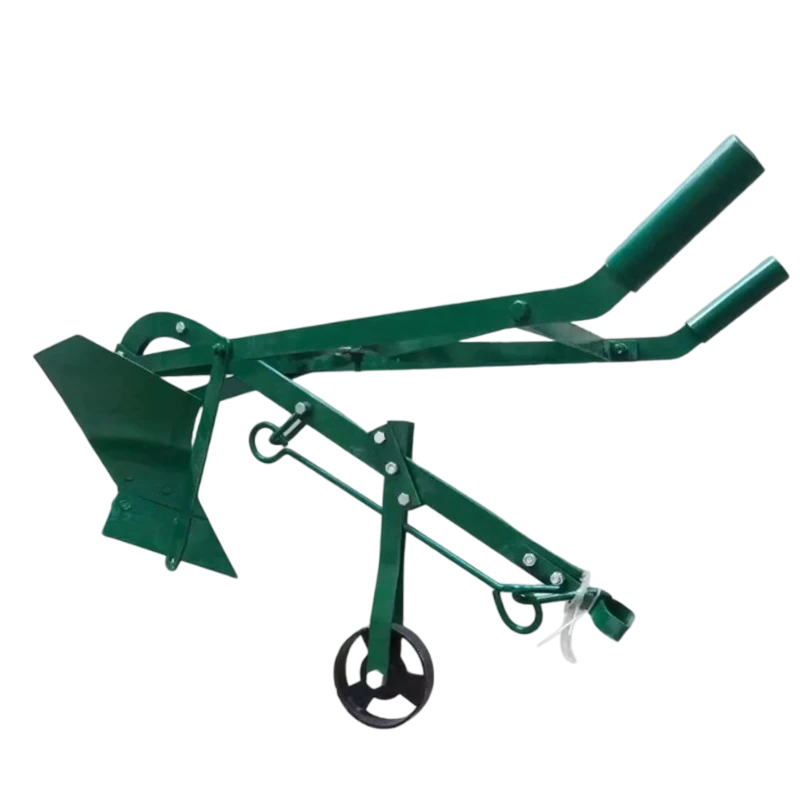 animal drawn plough plows
+
-
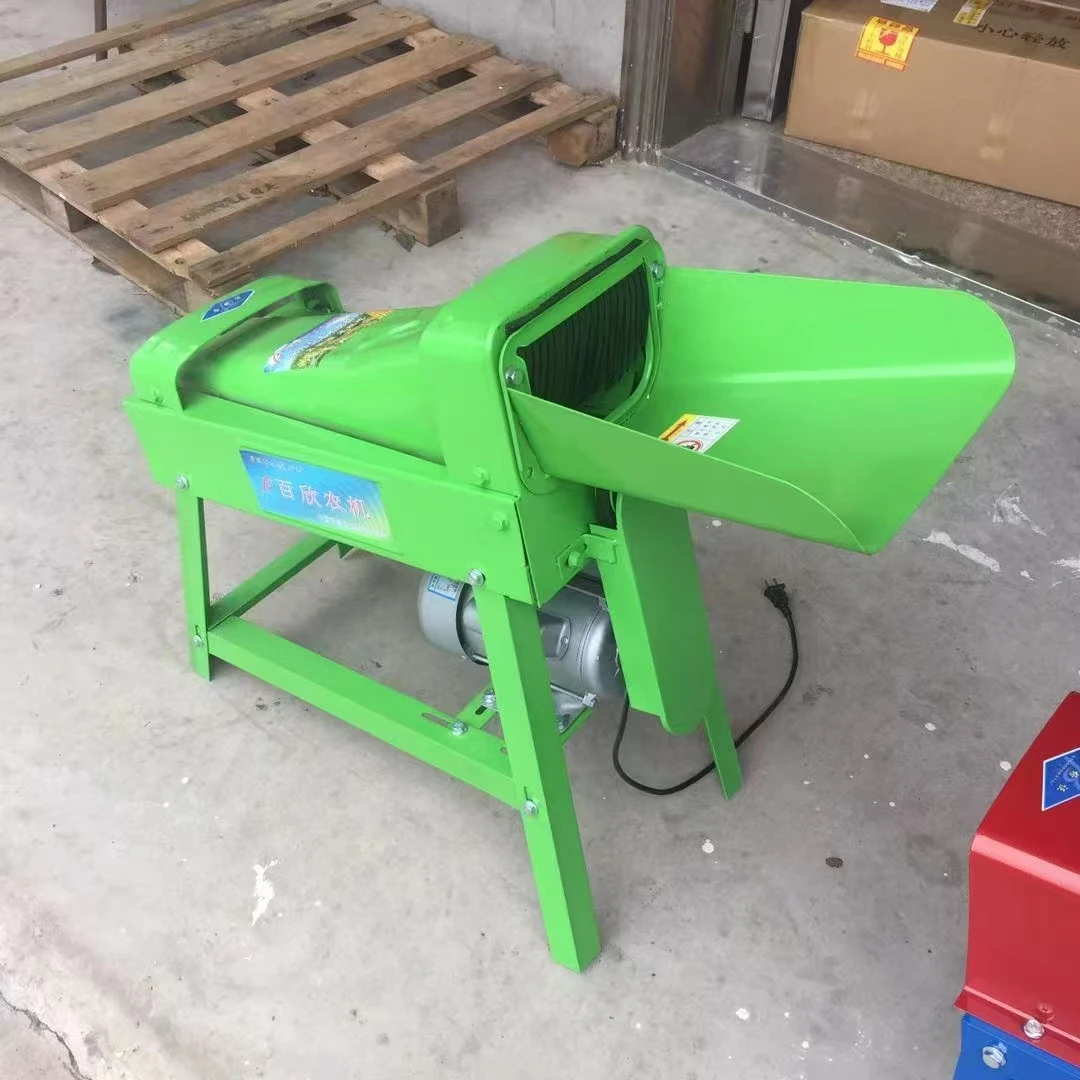 Thresher Machine
+
-
 Cast Iron Post Caps
+
-
 Cast Iron Spear Point Finial
+
-
 Understanding Iron is What Type of Element and Its PropertiesApr-16-2026Understanding Iron is What Type of Element and Its Properties
 -
 How to Identify Prevent and Remove Wrought Iron Rust EffectivelyApr-09-2026How to Identify Prevent and Remove Wrought Iron Rust Effectively
 -
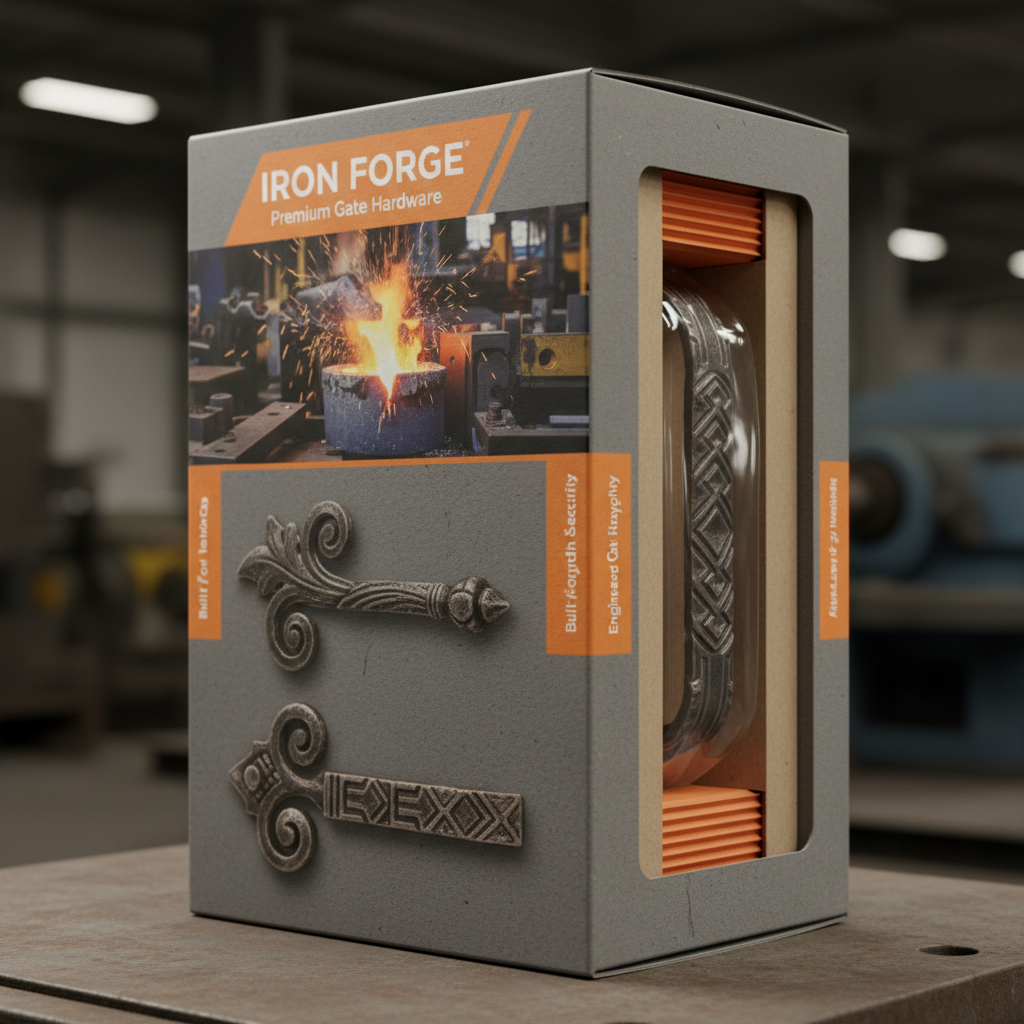 Enhance Your Property with Durable and Stylish Iron Gate HandlesApr-07-2026Enhance Your Property with Durable and Stylish Iron Gate Handles


