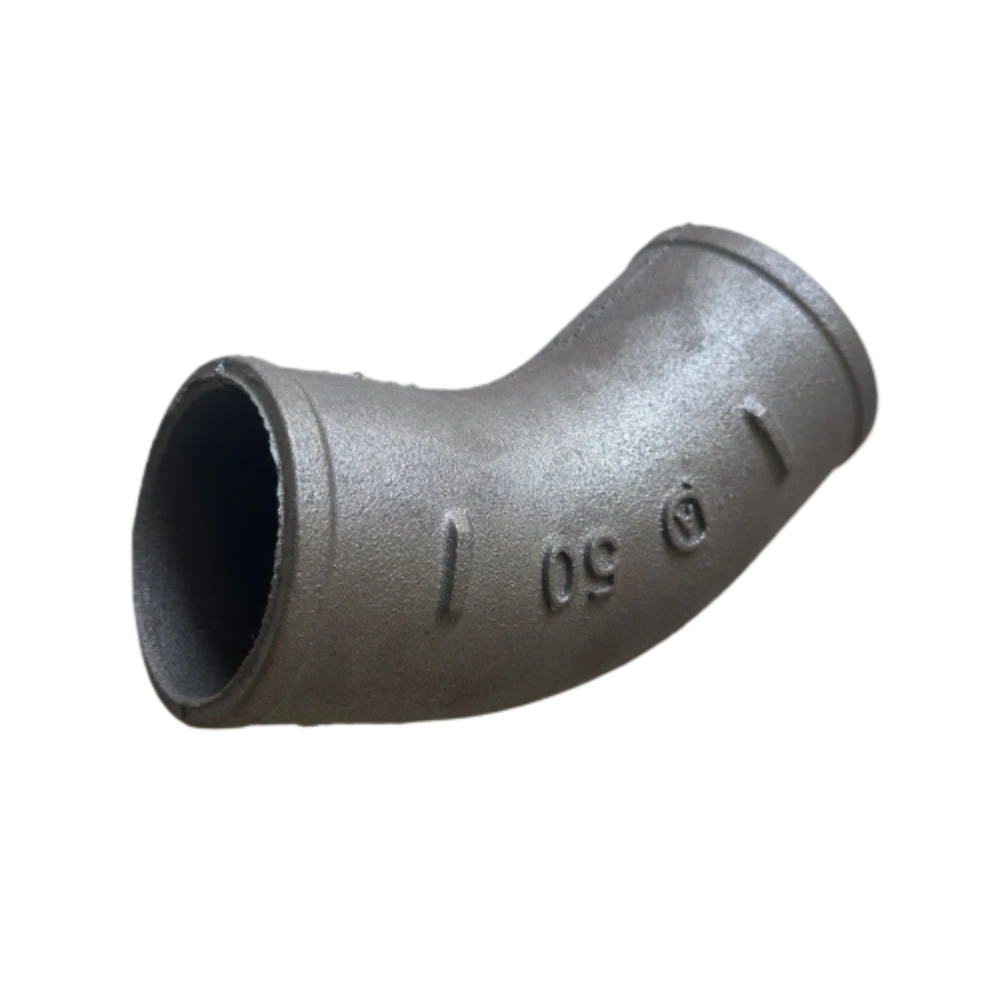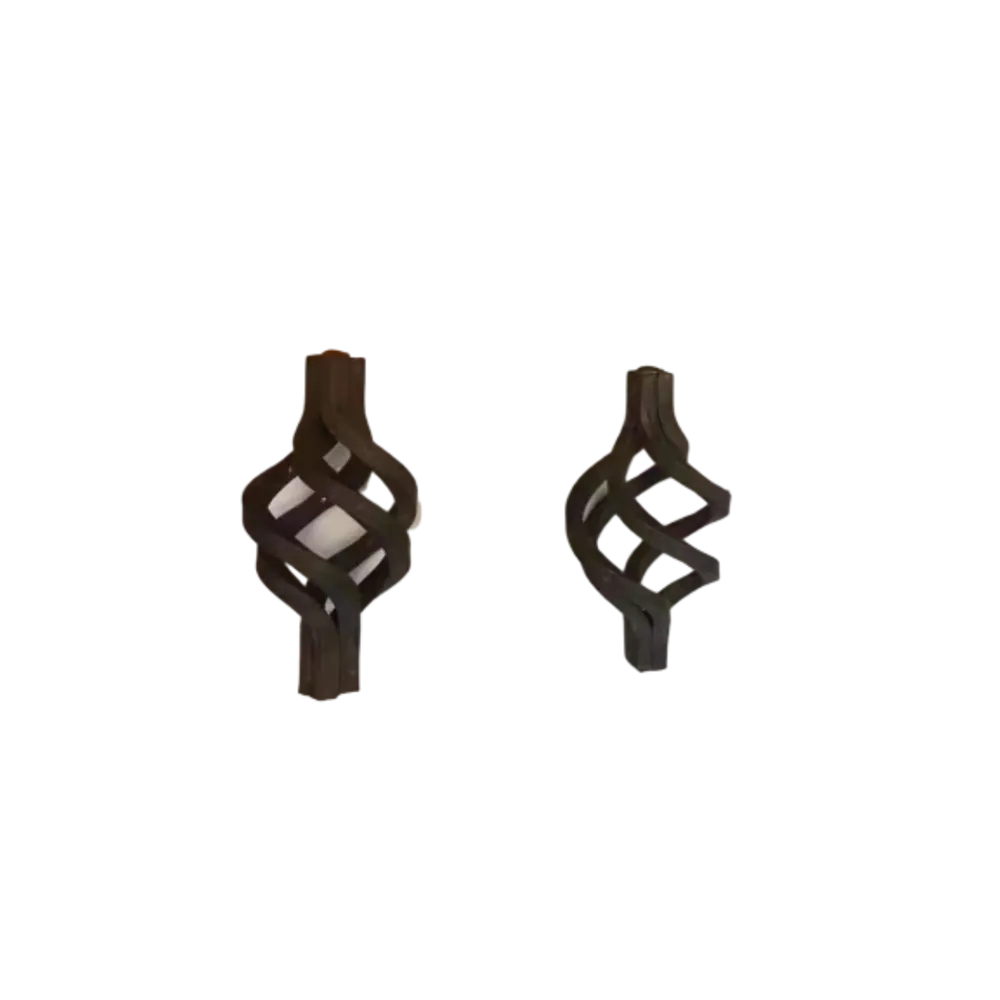
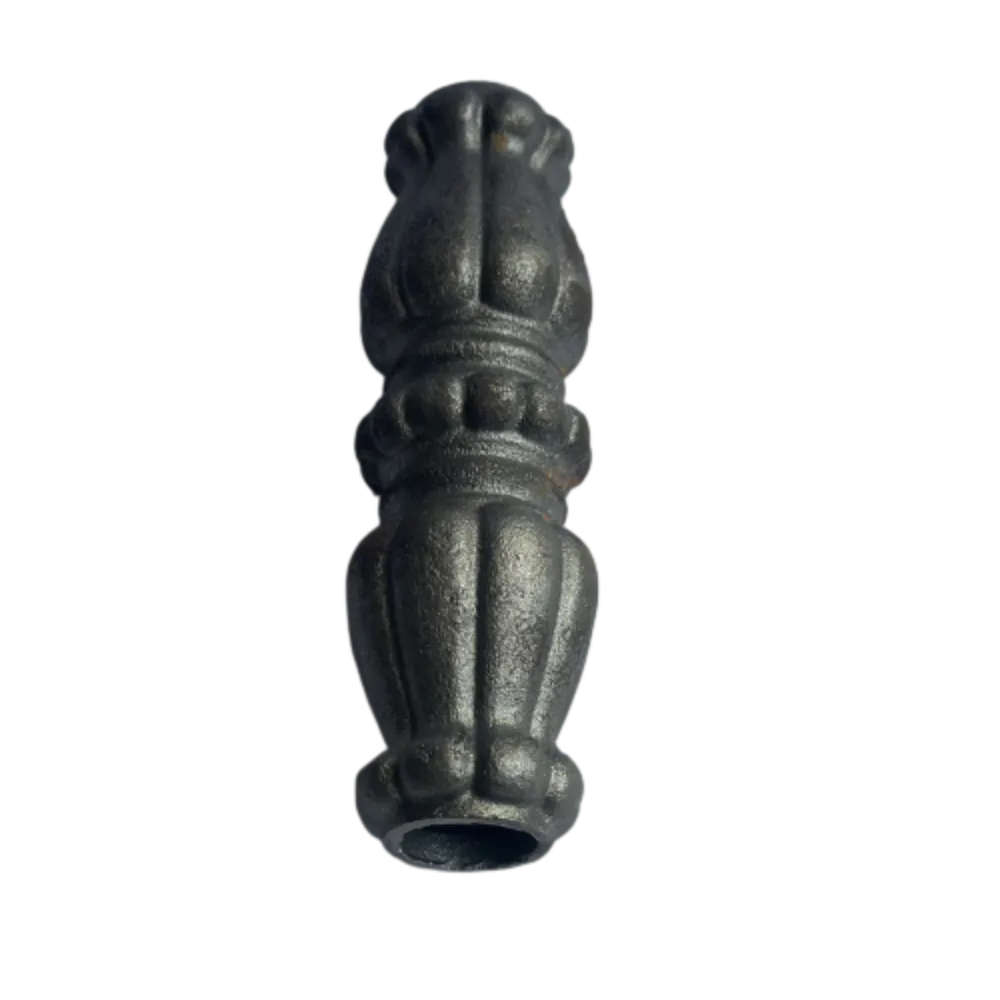

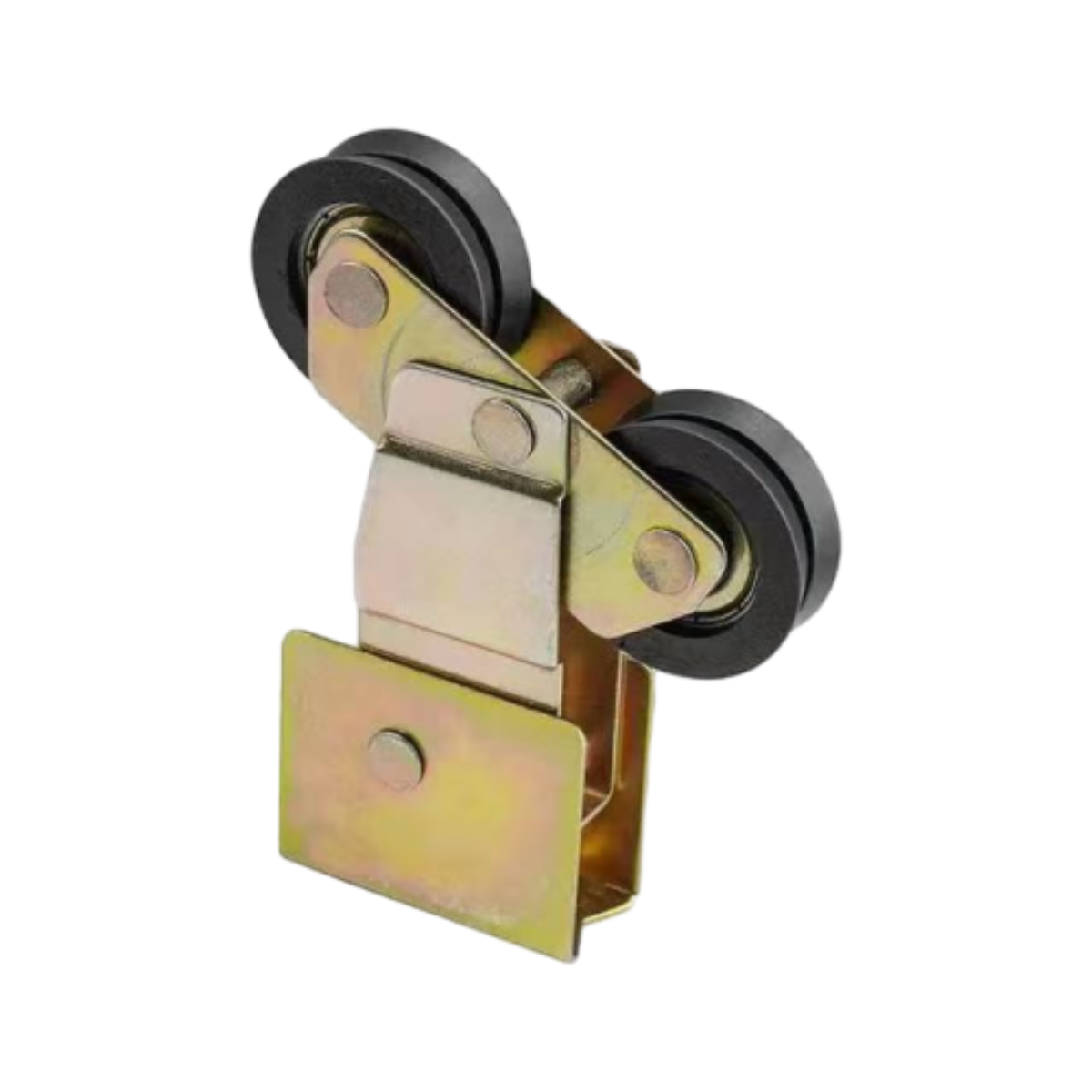
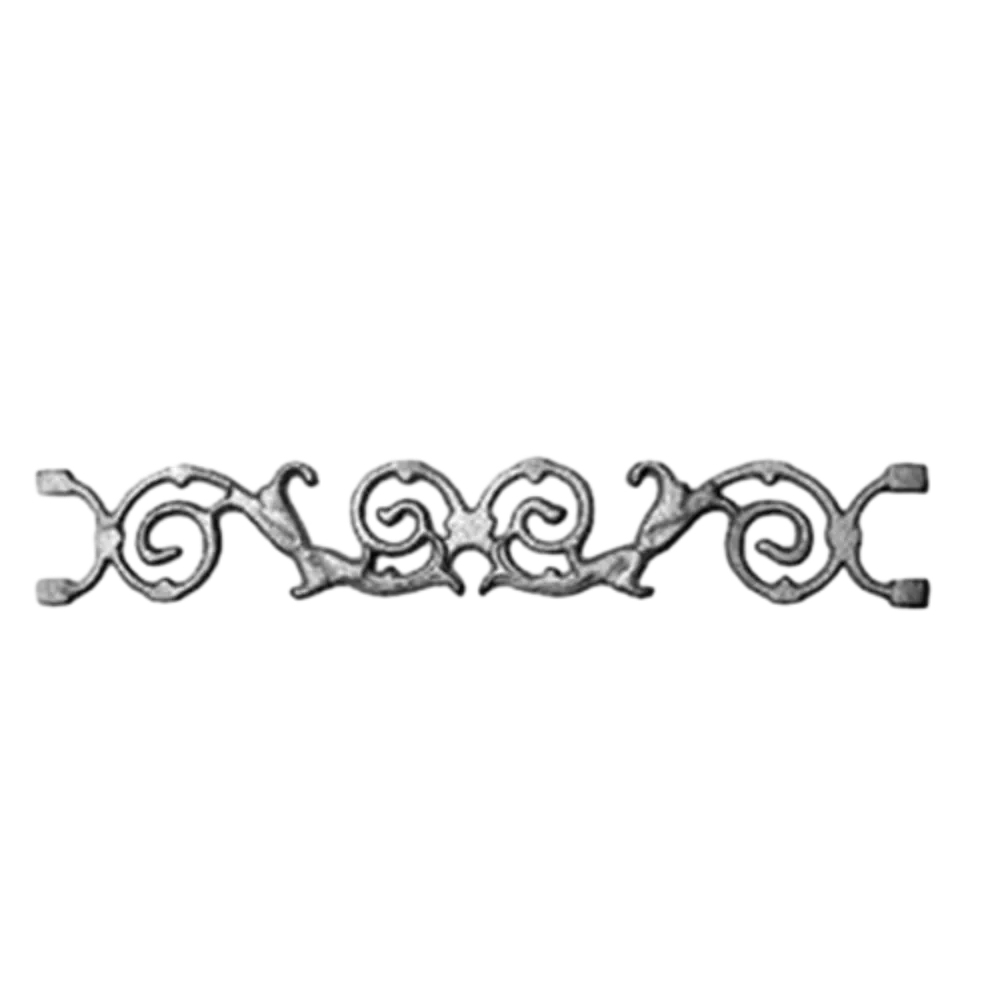
High-Precision sliding roller Solutions for Japan Industrial Markets

Engineered for durability and precision, delivering world-class cast iron components tailored to the rigorous Japanese manufacturing standards.

High-Precision sliding roller Solutions for Japan Industrial Markets

Specializing in high-wear resistance and dimensional stability, our casting solutions ensure seamless operation for Japan's advanced automated systems and traditional agricultural needs.

The Landscape of Casting Industry in Japan

Analyzing the synergy between traditional craftsmanship and high-tech metallurgical requirements in the Japanese market.

Japan's industrial sector is characterized by an extreme demand for precision and longevity. The local market for cast iron component production focuses heavily on reducing friction and maximizing the lifecycle of parts used in high-frequency automated production lines.

Geographically, the coastal industrial hubs require materials that can withstand specific humidity levels to prevent premature oxidation. This has led to a preference for specialized alloys in cast iron parts that offer superior corrosion resistance without sacrificing hardness.

Furthermore, the coexistence of advanced robotics and traditional farming creates a unique dual-market. While urban centers demand high-tech rollers, rural prefectures still maintain a niche demand for robust tools like the animal drawn plough for specialized organic cultivation.
Evolution of Cast Iron Technology in Japan

From traditional sand casting to CNC-integrated precision casting.

Market Development History

In the mid-20th century, the Japanese casting industry relied on artisan-led sand casting, focusing on structural integrity for heavy machinery and basic sliding door wheels for warehouse logistics.

By the 1980s, the "Just-in-Time" manufacturing revolution forced a shift toward tighter tolerances. The industry adopted automated molding and precision heat treatment, evolving standard parts into high-performance industrial components.

Entering the 21st century, the integration of CAD/CAM and 3D printing for patterns has allowed for complex geometries in cast iron component design, reducing weight while increasing load-bearing capacity.

Future Development Trends

Smart Alloy Integration

Development of "self-lubricating" cast iron matrices to reduce maintenance intervals for heavy-duty rollers.

Eco-Friendly Casting Processes

A shift toward carbon-neutral smelting and recycled scrap utilization to meet Japan's strict environmental targets.

Hyper-Precision Finishing

The move toward micron-level finishing for cast iron parts to eliminate the need for secondary grinding.

Industry Trends and Future Outlook

Predicting the trajectory of metal casting based on Google search trends and industrial shifts in East Asia.

Automation-Ready Design
Optimizing casting for robotic assembly lines to reduce manual fitting time.
Wear-Resistant Coatings
Implementing advanced surface treatments to extend the life of sliding rollers.
Lightweight Castings
Using ductile iron to reduce part weight while maintaining extreme strength.
Digital Twin Integration
Simulation of stress points during the design phase to optimize part geometry.

Industry Outlook

The future of casting in Japan is shifting toward a "hybrid" approach. We expect a surge in demand for cast iron parts that are designed for modularity, allowing for easier replacement and upgrading in smart factories.

Furthermore, as the global supply chain diversifies, the demand for high-quality overseas casting partners who can meet JIS (Japanese Industrial Standards) will increase, emphasizing the need for E-E-A-T compliant manufacturing processes.

Localized Application Scenarios in Japan

How our cast iron solutions integrate into diverse Japanese industries.

01. Automotive Assembly Lines

Utilizing high-precision sliding roller systems to transport chassis through robotic welding stations with zero deviation.

02. Industrial Logistics Centers

Implementing heavy-duty sliding door wheels for large-scale automated warehouses in Osaka and Tokyo hubs.

03. Agricultural Heritage Preservation

Providing authentic, durable animal drawn plough components for traditional farming cooperatives in rural Hokkaido.

04. Precision Machinery Tooling

Supplying customized cast iron component bases for CNC machines requiring extreme vibration dampening.

05. Marine Equipment Maintenance

Developing corrosion-resistant cast iron parts for port machinery used in Japan's major shipping terminals.

Brand Story

Global Development Journey of Shijiazhuang Tongjinyi Trade Co., Ltd.

Foundational Excellence

Established with a mission to bridge the gap between raw casting capabilities and high-precision industrial requirements.

Technological Pivot

Invested in advanced metallurgical research to solve the common pain point of porosity in complex cast iron parts.

Expanding to Asia

Strategically entered the Japanese market by aligning production with JIS standards and quality control protocols.

Global Quality Certification

Achieved international certifications, ensuring that every component delivered meets global durability benchmarks.

Vision for the Future

Leading the transition toward sustainable, smart casting solutions for the next generation of global manufacturing.

Comprehensive Cast Iron Product Portfolio for Japan

A complete range of precision-engineered components designed for Japanese industrial excellence.

Frequently Asked Questions for Japan Market

Expert answers to common technical queries regarding cast iron manufacturing.

How do your cast iron components meet JIS standards for precision?

We employ rigorous CNC machining and multi-stage quality inspections to ensure every component adheres to the strict dimensional tolerances required by Japanese Industrial Standards.

What is the load-bearing capacity of your industrial sliding rollers?

Our rollers are engineered using high-density ductile iron, allowing them to support extreme loads while maintaining low rolling resistance for smooth industrial operation.

Can you customize cast iron parts for specific corrosion environments?

Yes, we offer specialized alloy compositions and protective surface coatings specifically designed for the high-humidity coastal environments typical of Japan's ports.

Are your sliding door wheels suitable for heavy-duty warehouse use?

Absolutely. Our wheels are designed for high-cycle durability, utilizing wear-resistant iron to ensure longevity in high-traffic logistics centers.

Do you provide replacement parts for traditional animal drawn ploughs?

We support the preservation of traditional agriculture by providing high-strength, custom-cast replacement components for heritage farming equipment.

What is the lead time for custom casting orders to Japan?

Depending on the complexity of the design, lead times typically range from 4 to 8 weeks, including rigorous quality testing and shipping.

Get a Professional Casting Consultation

Contact our engineering team today for high-performance cast iron solutions tailored to your specific industrial needs in Japan.

Contact Us Now
tel
mailto
goTop
Copyright © 2026 SHIJIAZHUANG TJJ TRADE CO.,LTD. All Rights Reserved. Sitemap | Privacy Policy | Top Search | Top Blog | Global Service