Industrial sliding roller Solutions for Iraq Market

High-durability cast iron engineering designed to withstand the extreme desert climates and industrial demands of Iraq.

Industrial sliding roller Solutions for Iraq Market

Providing Iraq's industrial and agricultural sectors with high-precision cast iron parts that ensure operational stability under harsh environmental conditions.

The Status of Iron Casting in Iraq

Analyzing the challenges of durability and wear in the Mesopotamian region.

In Iraq, the industrial landscape is heavily influenced by extreme temperature fluctuations and high dust concentrations. This environment places immense stress on any cast iron component, leading to accelerated abrasion and premature fatigue in mechanical systems.

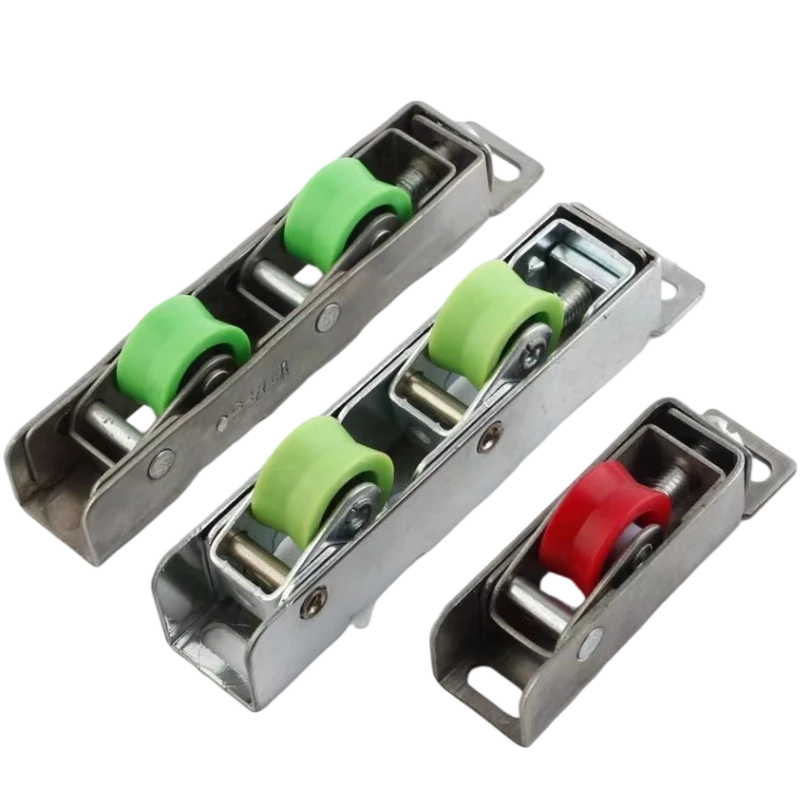
The local market relies heavily on imported machinery for oil, gas, and reconstruction. However, there is a growing demand for specialized sliding door wheels that can operate without seizing in sandy environments, requiring higher grade alloys and precision lubrication channels.

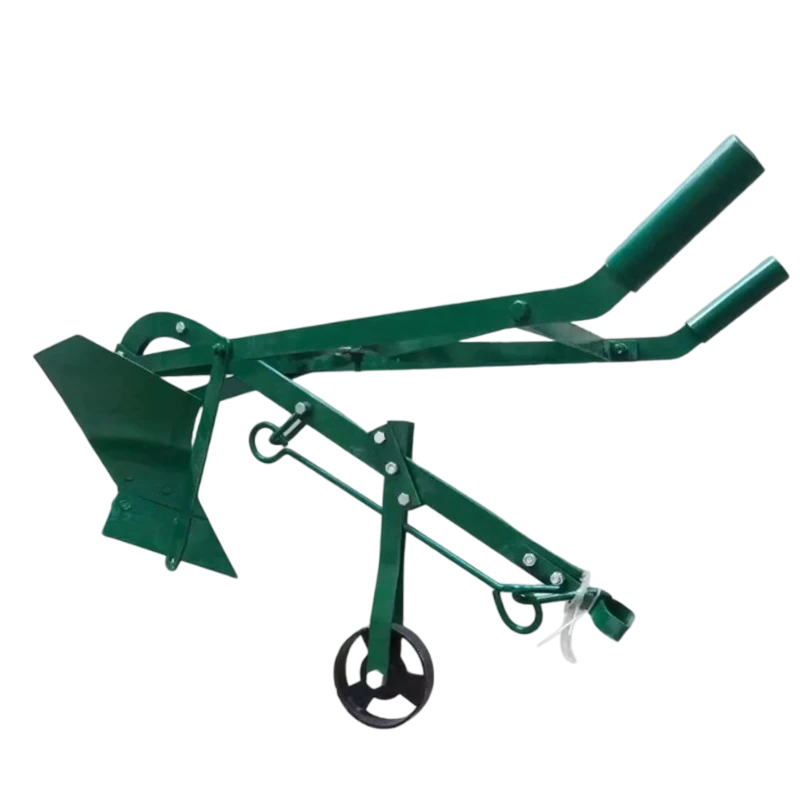
Furthermore, the agricultural sector in the fertile plains continues to use traditional tools. The integration of modernized animal drawn plough designs is essential to improve soil penetration and longevity against Iraq's compacted clay soils.
Evolution and Technical Trajectory

From traditional sand casting to advanced precision metallurgy.

Market Development History

During the early 20th century, Iraq's iron needs were met by basic sand casting techniques focusing on bulk and weight rather than precision, primarily for simple agricultural tools.

Between 1980 and 2010, the shift toward industrialization introduced the need for standardized cast iron parts to support the energy sector, moving toward grey iron and ductile iron for better impact resistance.

Since 2015, the reconstruction era has driven the adoption of CNC-machined cast components, allowing for tighter tolerances in products like heavy-duty rollers and specialized industrial wheels.

Future Development Trends

Anti-Corrosive Alloy Integration

The focus is shifting toward adding chromium and nickel to cast iron to prevent oxidation caused by the saline soil common in Southern Iraq.

Precision Geometric Optimization

Using simulation software to reduce the weight of components while increasing the load-bearing capacity for heavy-duty industrial applications.

Sustainable Casting Processes

Implementation of recycled scrap iron and energy-efficient melting furnaces to reduce the carbon footprint of the local manufacturing chain.

Industry Trends and Future Outlook

Navigating the future of metallic components in the Middle East.

Smart Material Selection
Moving towards Spheroidal Graphite Iron to provide superior ductility and strength for high-stress Iraqi infrastructure.
Additive Manufacturing
Integrating 3D printing for sand molds to create complex internal geometries for specialized valve components.
Wear-Resistant Coatings
Applying advanced thermal sprays to cast surfaces to extend the life of rollers and wheels in abrasive sand.
Digital Inventory Systems
Using IoT-enabled tracking for critical spare parts to minimize downtime in Iraqi refineries.

Industry Outlook

Based on search trends for industrial automation in the Middle East, there is a significant rise in demand for precision-cast cast iron component designs that reduce friction and energy consumption.

Over the next 3-5 years, we anticipate a transition toward modular casting systems that allow Iraqi firms to replace specific worn-out parts without replacing entire machinery assemblies.

Localized Application Scenarios in Iraq

Practical implementations of iron casting for regional needs.

1. Oil Refinery Gate Systems

Utilizing heavy-duty sliding door wheels for secure perimeter access in Basra's petrochemical plants, ensuring smooth operation despite salt-air corrosion.

2. Mesopotamian Agricultural Tools

Developing high-carbon animal drawn plough shares that penetrate the hard-baked summer soils of Central Iraq without chipping.

3. Logistics Warehouse Rollers

Installing industrial-grade sliding roller systems in Baghdad's distribution hubs to handle heavy cargo movement in dusty environments.

4. Water Management Infrastructure

Custom-cast valves and cast iron parts for the irrigation networks along the Tigris and Euphrates rivers.

5. Heavy Machinery Support

Manufacturing wear-resistant bases and supports for construction equipment used in Iraq's urban rebuilding projects.

Brand Story

Global Development Journey of Shijiazhuang Tongjinji Trade Co., Ltd.

Foundational Excellence

Established with a focus on metallurgy, we began by solving the most basic durability issues for regional industrial clients.

Technological Leap

Investing in advanced casting furnaces allowed us to produce complex geometries with zero porosity, setting a new quality standard.

Global Expansion

We expanded our reach to the Middle East, specifically Iraq, tailoring our alloys to survive extreme heat and abrasive sands.

Quality Certification

Achieving international standards for iron casting, ensuring every part delivered to our Iraqi partners meets global safety codes.

Future Vision

Our mission is to lead the transition toward "Smart Casting," combining traditional iron strength with digital precision for the next generation of industry.

Complete Product Portfolio for the Iraqi Market

A comprehensive range of cast iron solutions from agricultural implements to industrial machinery.

Common Questions in Iraq

Expert answers to technical challenges regarding cast iron components.

How to prevent rust on cast iron parts in humid coastal areas of Iraq?

We recommend using a combination of epoxy coatings and periodic lubrication. For high-salinity areas like Basra, we offer specialized alloyed iron with increased corrosion resistance.

What is the best material for a sliding roller used in sandy environments?

Ductile iron is preferred for its impact strength, but for high-sand abrasion, a hard-faced grey iron casting provides the best wear resistance.

Can you customize animal drawn plough designs for Iraq's clay soil?

Yes, we can adjust the curvature and the casting hardness of the mouldboard to ensure easier soil inversion in compacted Iraqi terrain.

What is the load capacity of your industrial sliding door wheels?

Our wheels are available in various grades, with heavy-duty versions capable of supporting up to several tons depending on the wheel diameter and iron grade.

How do you ensure the precision of a complex cast iron component?

We use precision CNC machining post-casting to ensure that all critical dimensions meet the exact specifications of the client's blueprints.

What is the typical lead time for shipping cast iron parts to Iraq?

Lead times vary by order volume, but typically include casting, machining, and sea freight to Umm Qasr port, totaling approximately 4-8 weeks.

Get Expert Casting Advice

Partner with the leaders in durable iron casting for your projects in Iraq. Let us help you optimize your machinery for the local environment.

Contact Us Now