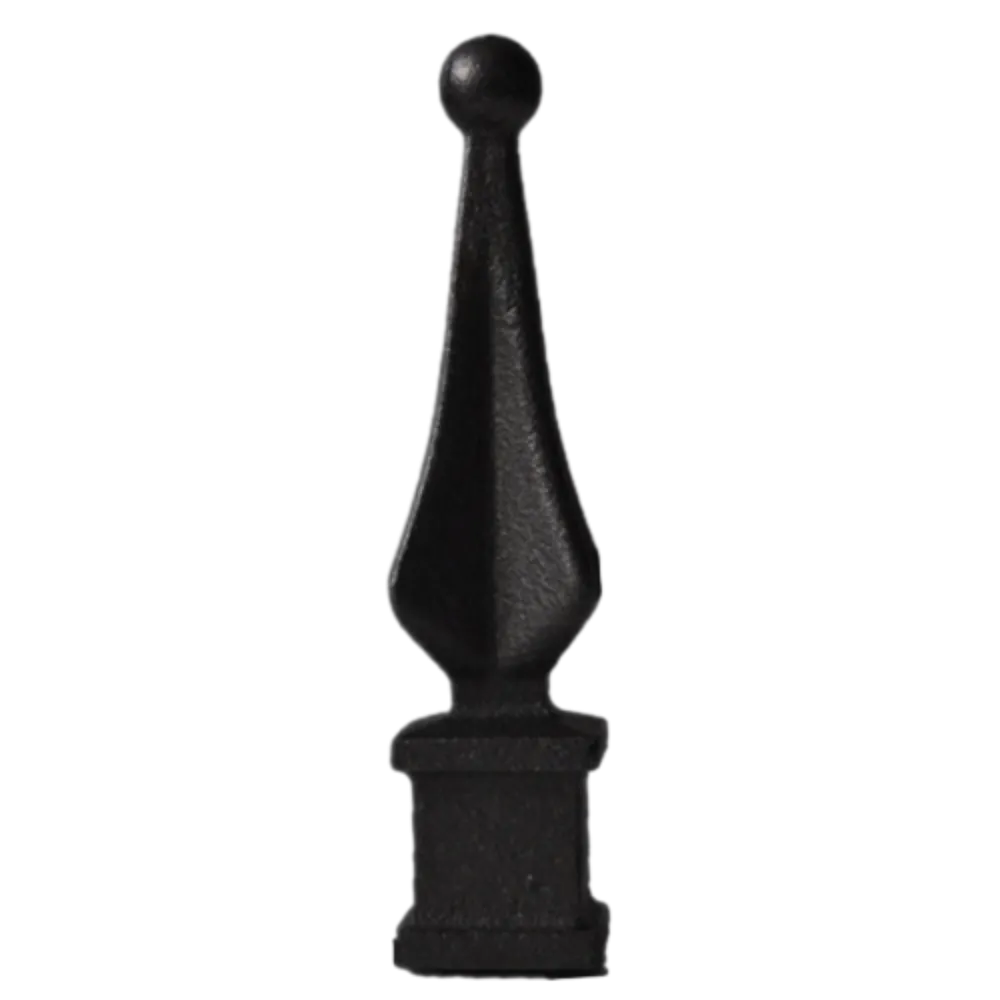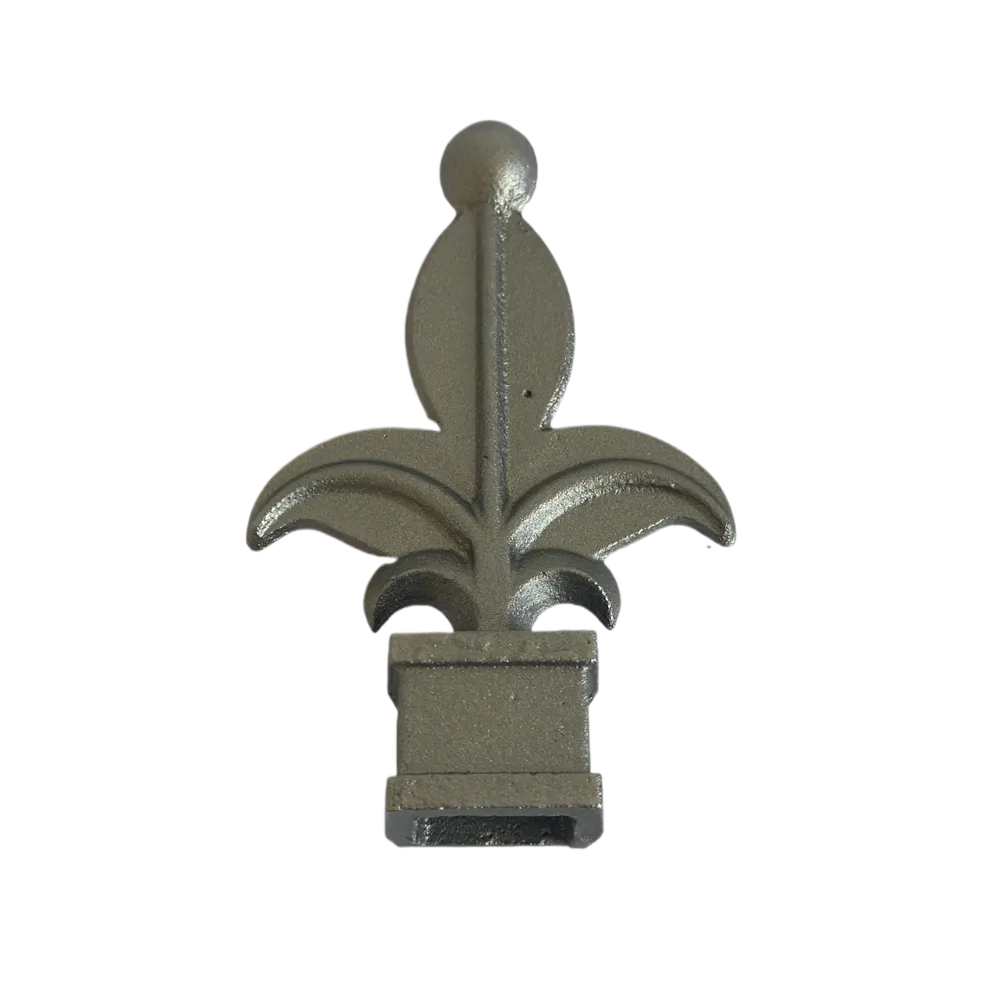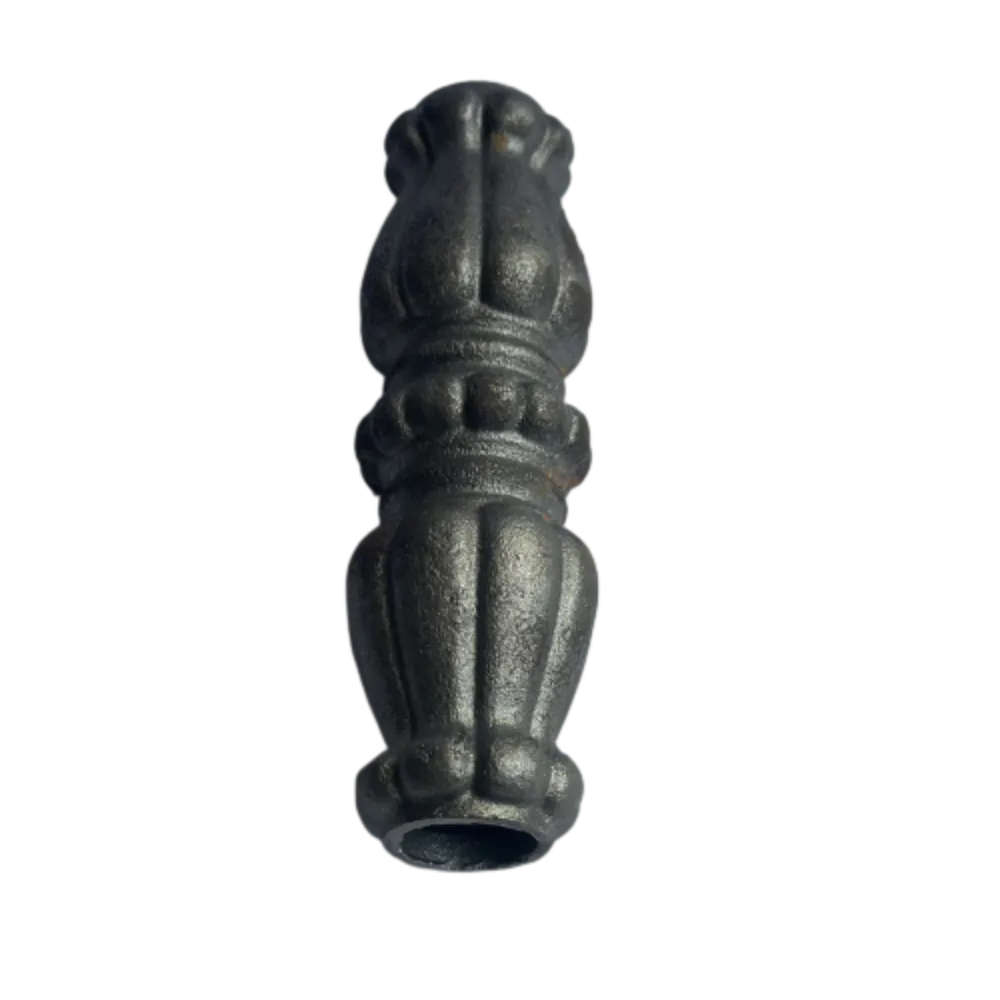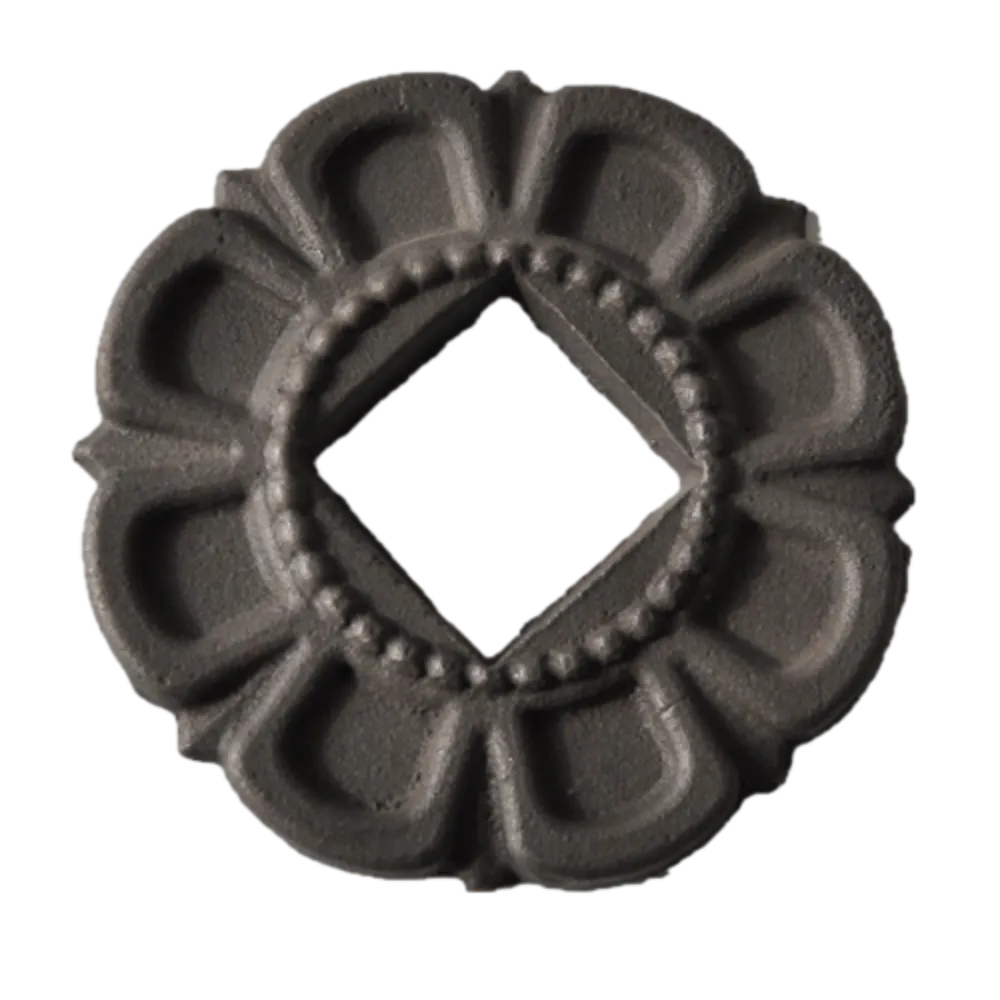

Rwanda's manufacturing sector is currently undergoing a transition from artisanal workshops to organized industrial hubs. The demand for a high-quality cast iron component has surged as the nation invests heavily in urban infrastructure and modernized agricultural tools to support its Vision 2050 goals.
Due to Rwanda's diverse topography and humid tropical climate, equipment longevity is a critical concern. Local industries often face premature wear of machinery, creating a significant market gap for professional cast iron parts that can withstand high friction and corrosive environmental conditions.
Currently, the reliance on imported precision components is high. However, the integration of standardized casting parts in the construction of warehouses and the modernization of farming—specifically through the use of a robust animal drawn plough—is driving a need for scalable, high-strength iron solutions.