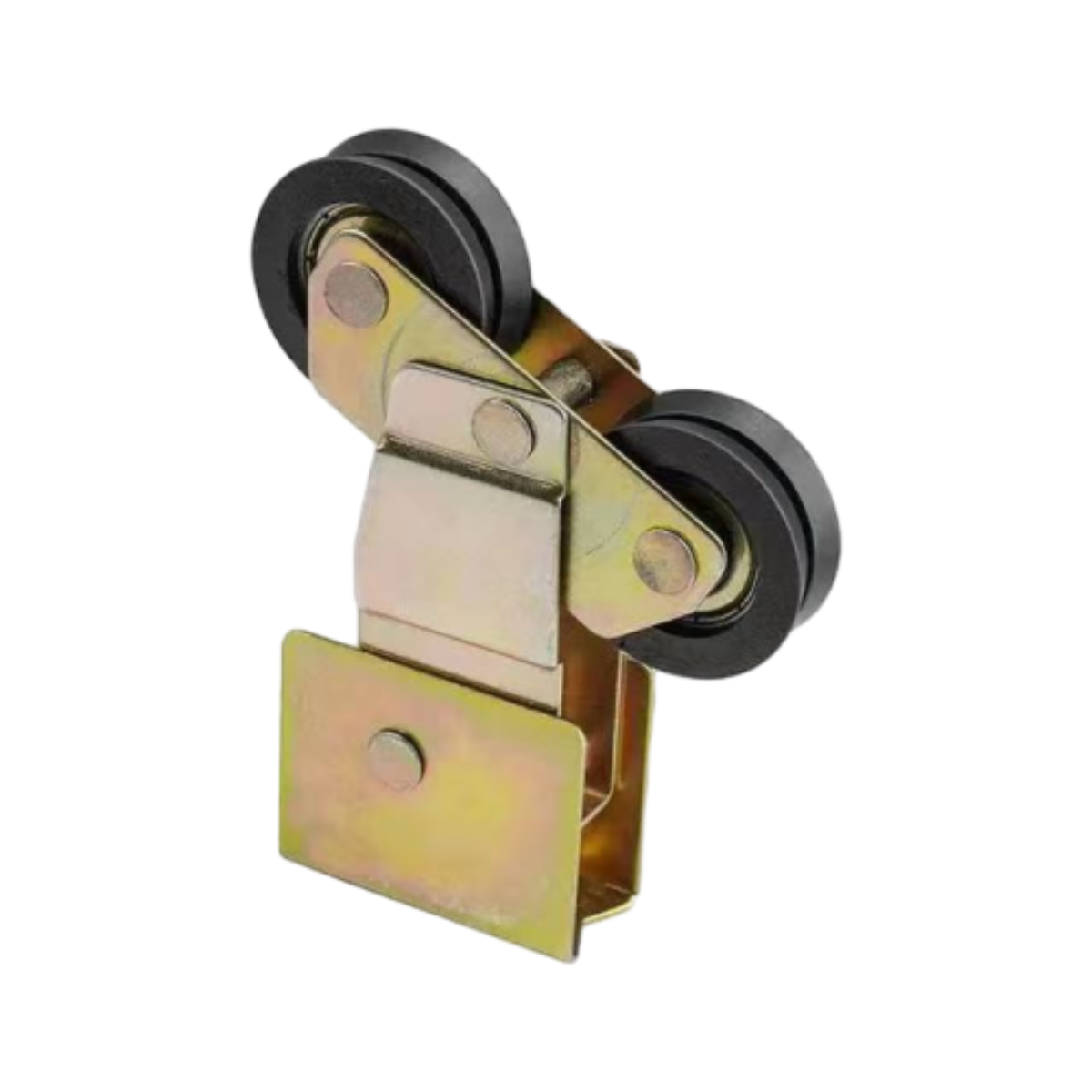
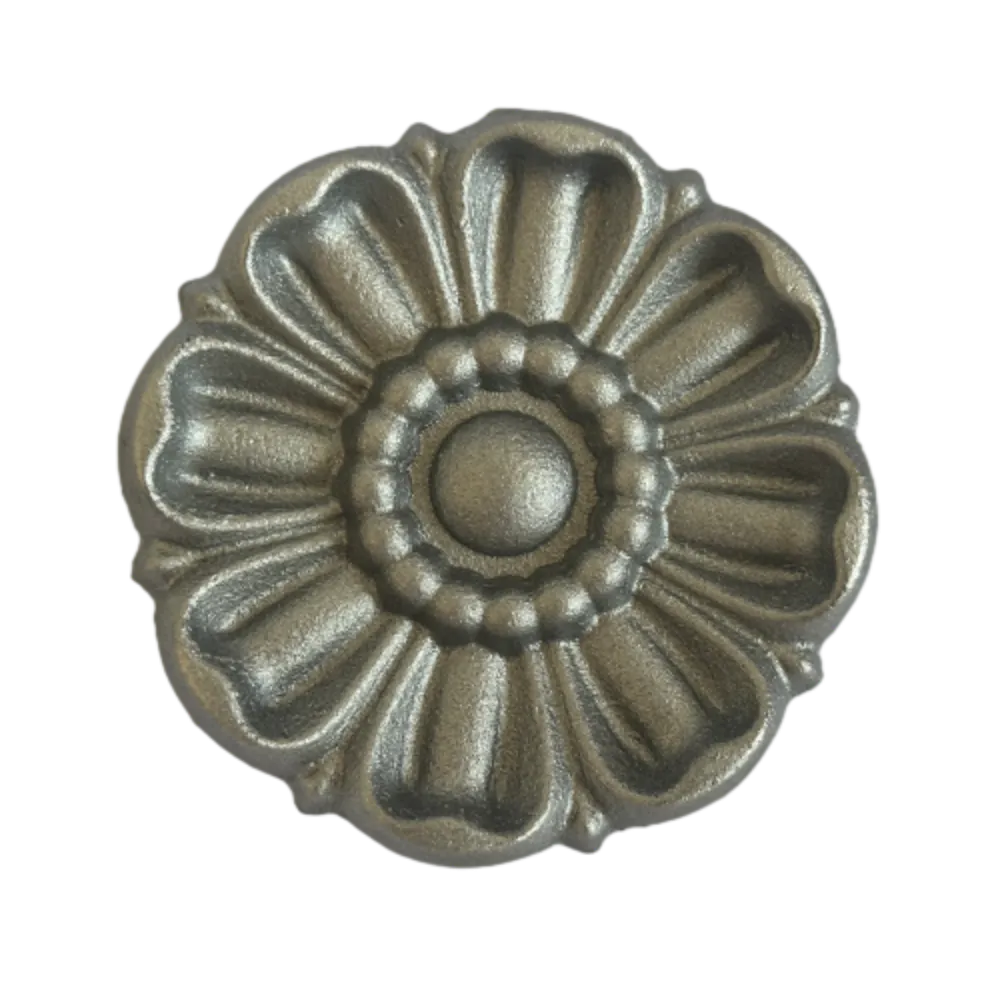
Premium sliding roller Solutions for Belgium Industrial Infrastructure

Engineered for durability and precision, providing high-performance cast iron solutions tailored for the Belgian manufacturing and agricultural sectors.

Premium sliding roller Solutions for Belgium Industrial Infrastructure

Specializing in high-strength cast iron components designed to withstand the rigorous operational demands of Western Europe's industrial heartland.

Current State of Cast Iron Manufacturing in Belgium

Analyzing the intersection of Belgian industrial heritage and modern material requirements.

Belgium's industrial landscape, particularly in Flanders and Wallonia, has a deep-rooted history in metallurgy. Today, the demand for a high-quality cast iron component is driven by the need for extreme wear resistance in humid, coastal climates where oxidation is a constant challenge.

The current market is characterized by a shift toward high-precision cast iron parts that integrate seamlessly with automated CNC machining. Belgian enterprises are increasingly seeking components that reduce friction and maintenance intervals in heavy-duty logistics hubs.

Furthermore, there is a unique niche for traditional agricultural implements. Despite modernization, the demand for robust tools like the animal drawn plough persists in specialized organic farming regions, requiring a blend of antique design and modern casting strength.
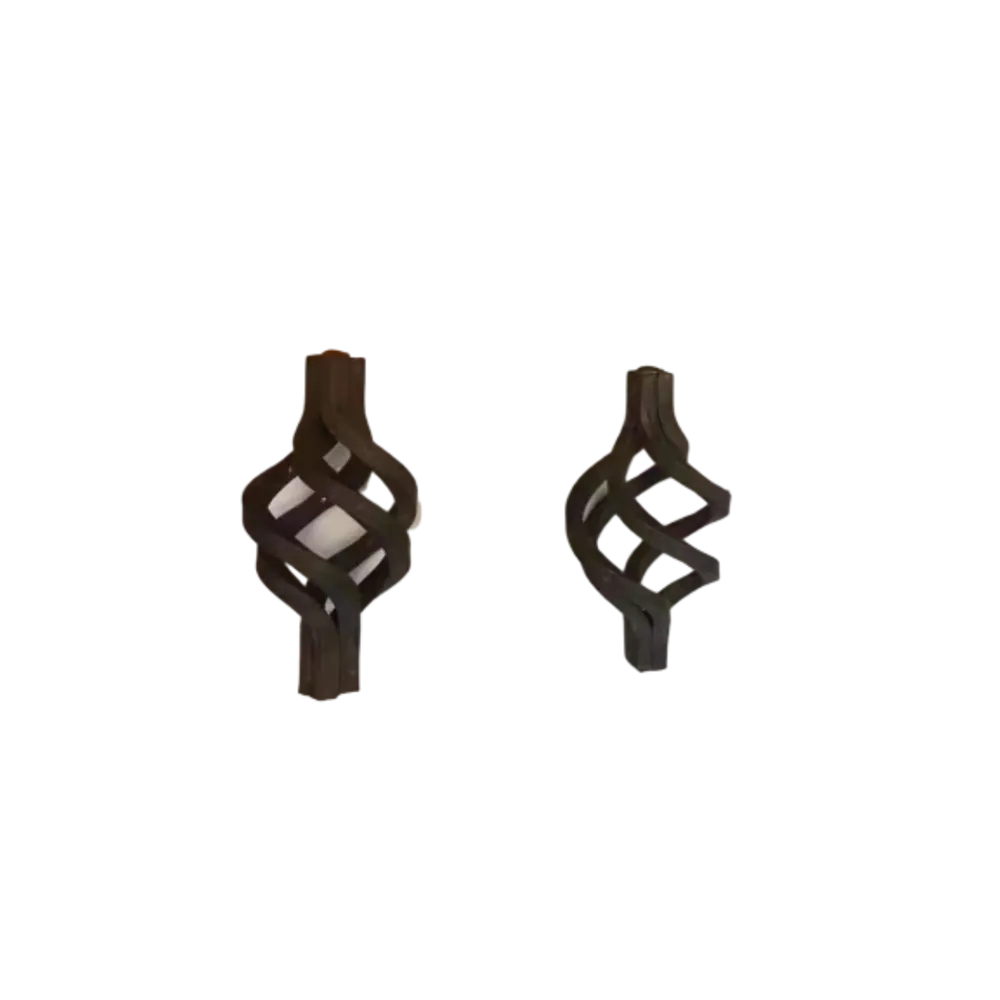
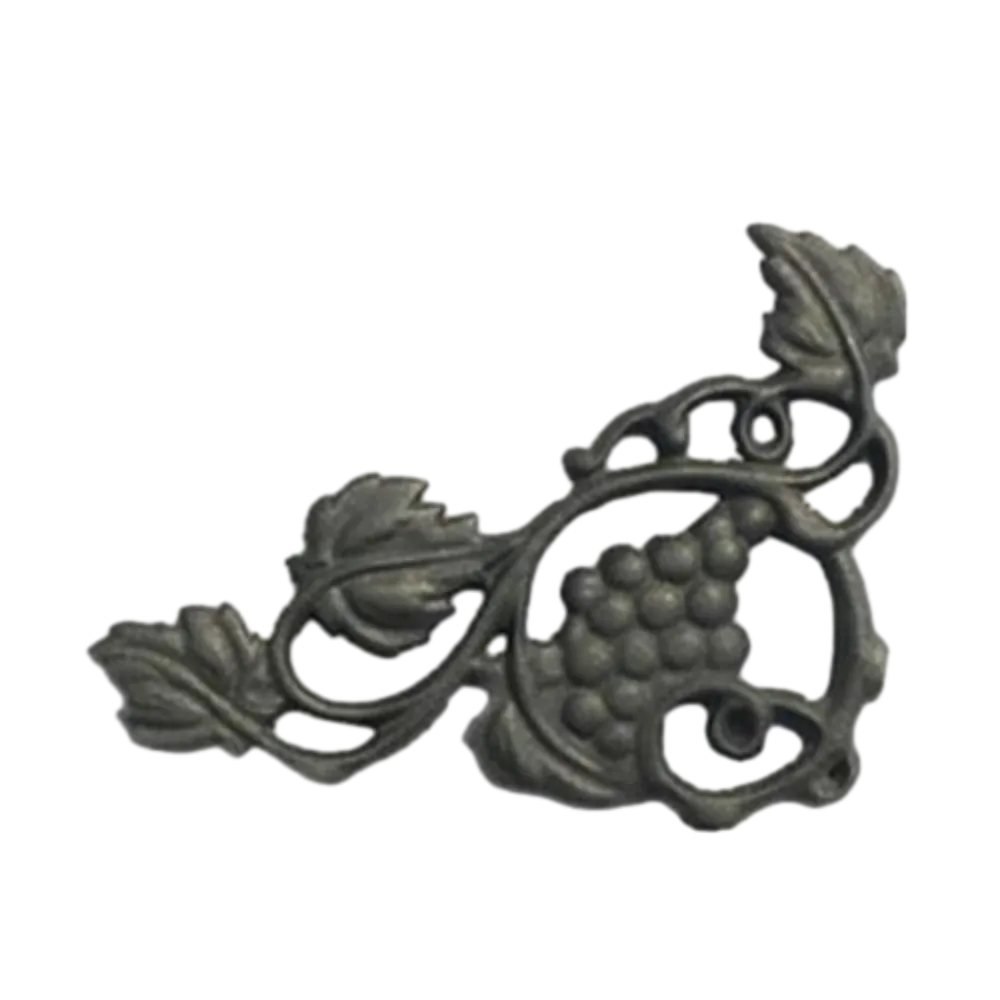
Evolution and Technical Trajectory of Iron Casting

From traditional sand casting to digitally optimized precision engineering.

Market Development History

In the early 20th century, Belgian casting relied on massive sand-molding facilities producing heavy, oversized parts. The focus was purely on volume and raw strength, providing the backbone for the region's railway and shipping infrastructure.

By the 1980s, the transition toward ductile iron and alloyed casting allowed for the production of more complex sliding door wheels, offering better impact resistance and tighter tolerances for the growing warehousing sector.

From 2010 to the present, the integration of CAD/CAM and 3D printing for mold patterns has revolutionized the lead time for custom components, allowing Belgian firms to prototype and deploy specialized parts in a fraction of the traditional time.

Future Development Trends

Eco-Friendly Casting Processes

Driven by EU Green Deal regulations, the next 3 years will see a surge in recycled scrap iron utilization and low-emission smelting technologies to reduce the carbon footprint of every cast part.

Smart Component Integration

We anticipate the embedding of IoT sensors within heavy cast housings to monitor wear and tear in real-time, transforming passive parts into intelligent diagnostic tools.

Advanced Surface Nano-Coating

To combat the corrosive North Sea air in Belgium, new plasma-sprayed coatings will be applied to cast iron to eliminate the need for frequent painting and galvanizing.

Industry Trends & Future Outlook 2024-2029

Predicting the shift in material science and operational efficiency for the Belgian market.

Additive Manufacturing Synergy
Combining 3D printed cores with traditional casting to create internal geometries previously impossible to cast.
Precision Tolerance Mastery
Implementing micron-level finishing to reduce assembly time for industrial rollers and wheels.
Alloy Optimization
Developing specialized iron-chromium alloys to enhance corrosion resistance for Belgian maritime ports.
Circular Economy Integration
Establishing closed-loop systems where old cast components are reclaimed and recast into new products.

Industry Outlook

Based on Google search trend data for industrial materials in Europe, there is a clear pivot toward "sustainable casting" and "high-wear alloys." Belgian companies are no longer looking for the cheapest part, but for the part with the lowest total cost of ownership (TCO).

Over the next 5 years, the synergy between traditional foundry skills and digital twin simulation will allow for the production of components that are 20% lighter yet 30% stronger, specifically targeting the high-efficiency logistics networks of Belgium.

Localized Application Scenarios in Belgium

Real-world deployments of our cast iron solutions across various Belgian sectors.

01. Port of Antwerp-Bruges Logistics

Deployment of heavy-duty sliding roller systems for massive container sliding gates, ensuring smooth operation under extreme salty air conditions.

02. Walloon Agricultural Estates

Providing custom-cast animal drawn plough components for heritage farms and sustainable organic cooperatives that prioritize durable, non-mechanical tillage.

03. Flemish Industrial Warehousing

Installation of precision-engineered sliding door wheels for automated distribution centers, reducing noise pollution and energy consumption.

04. Belgian Heavy Machinery OEMs

Supplying critical cast iron parts for hydraulic presses and industrial molds used in the Belgian automotive supply chain.

05. Urban Infrastructure Maintenance

Production of specialized cast iron component sets for city drainage and historical street furniture in Brussels, blending durability with architectural aesthetics.

Brand Story

Global Development Journey of Shijiazhuang Tongjinji Trade Co., Ltd.

Foundational Excellence

Started with a commitment to mastering the art of metallurgy, focusing on the purity of iron and the precision of the mold.

Technological Leap

Invested in advanced spectral analysis and heat treatment facilities to ensure every part meets international ASTM and DIN standards.

European Expansion

Established strategic supply chains to serve the Belgian and Dutch markets, overcoming the pain point of long lead times for custom castings.

Sustainability Pivot

Implemented a green-foundry initiative to reduce energy consumption, aligning our brand with Europe's strict environmental mandates.

Global Industry Leader

Today, we stand as a trusted partner for Belgian engineers, solving the most complex wear-resistance challenges in the metal products industry.

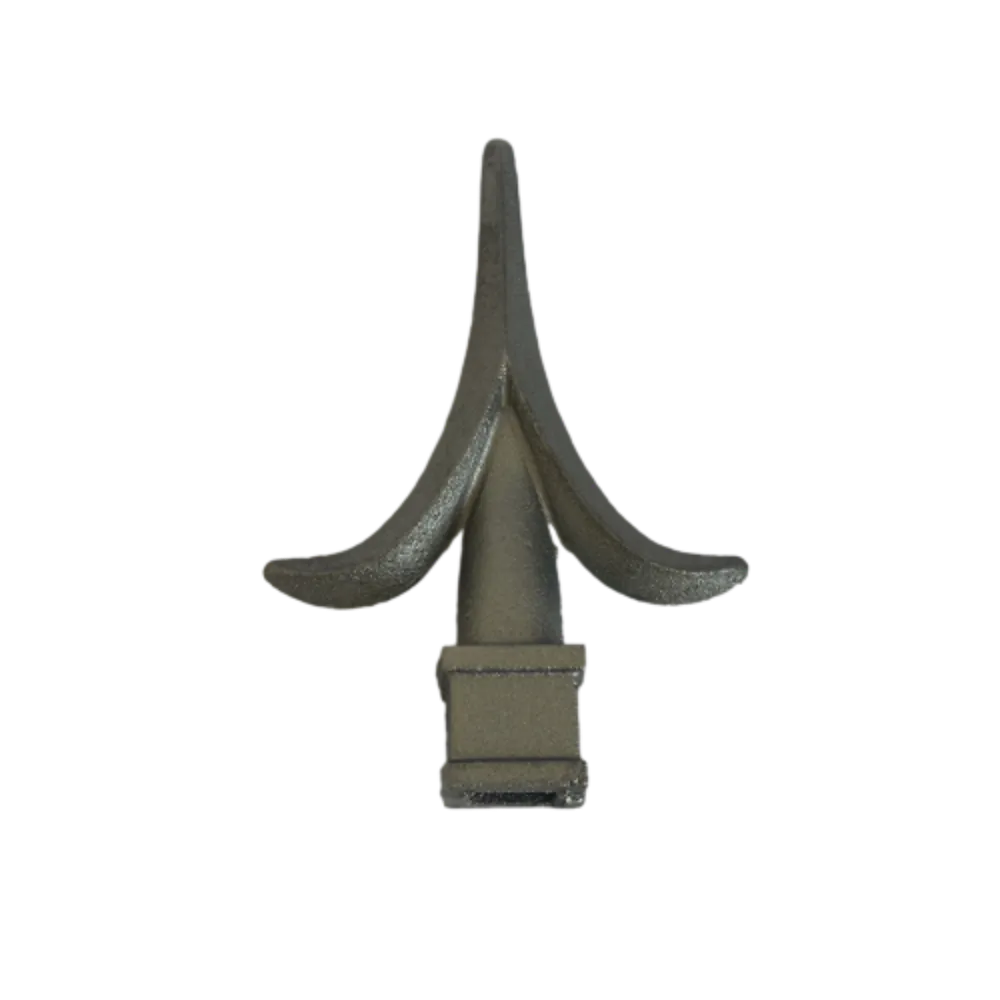
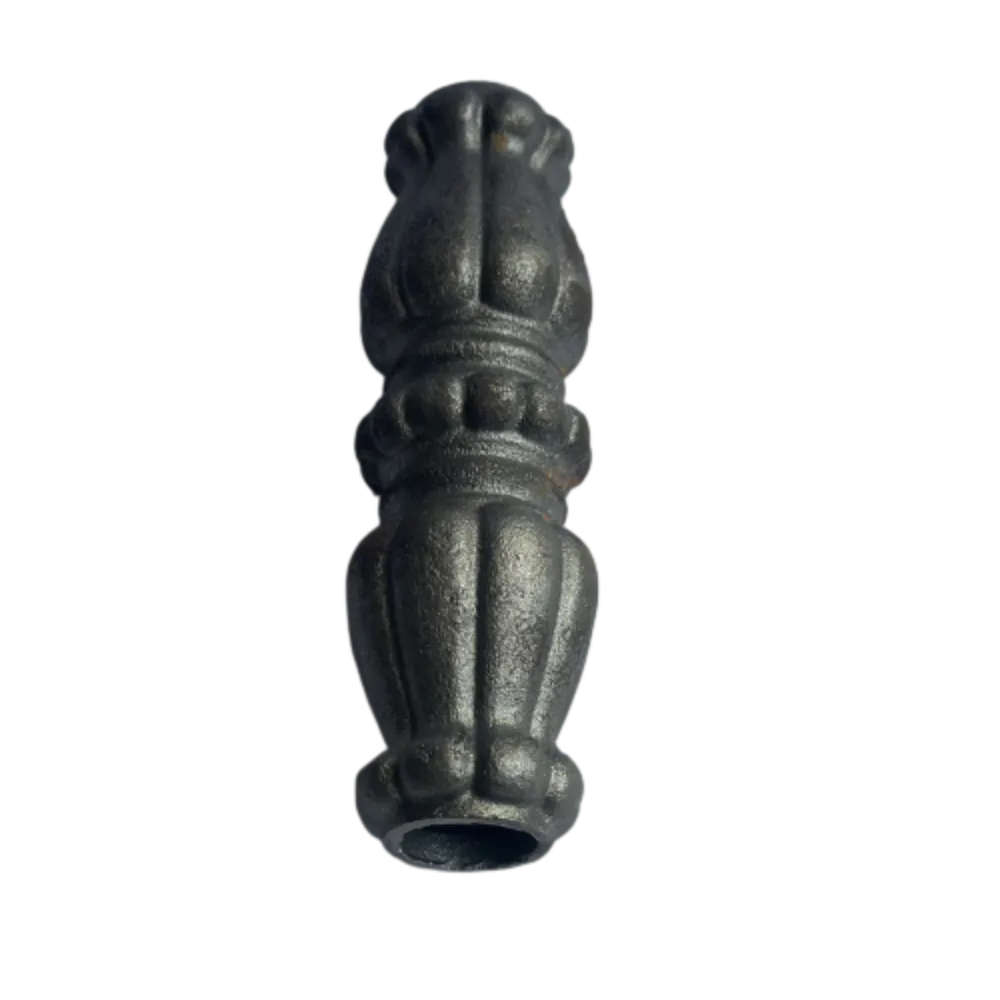
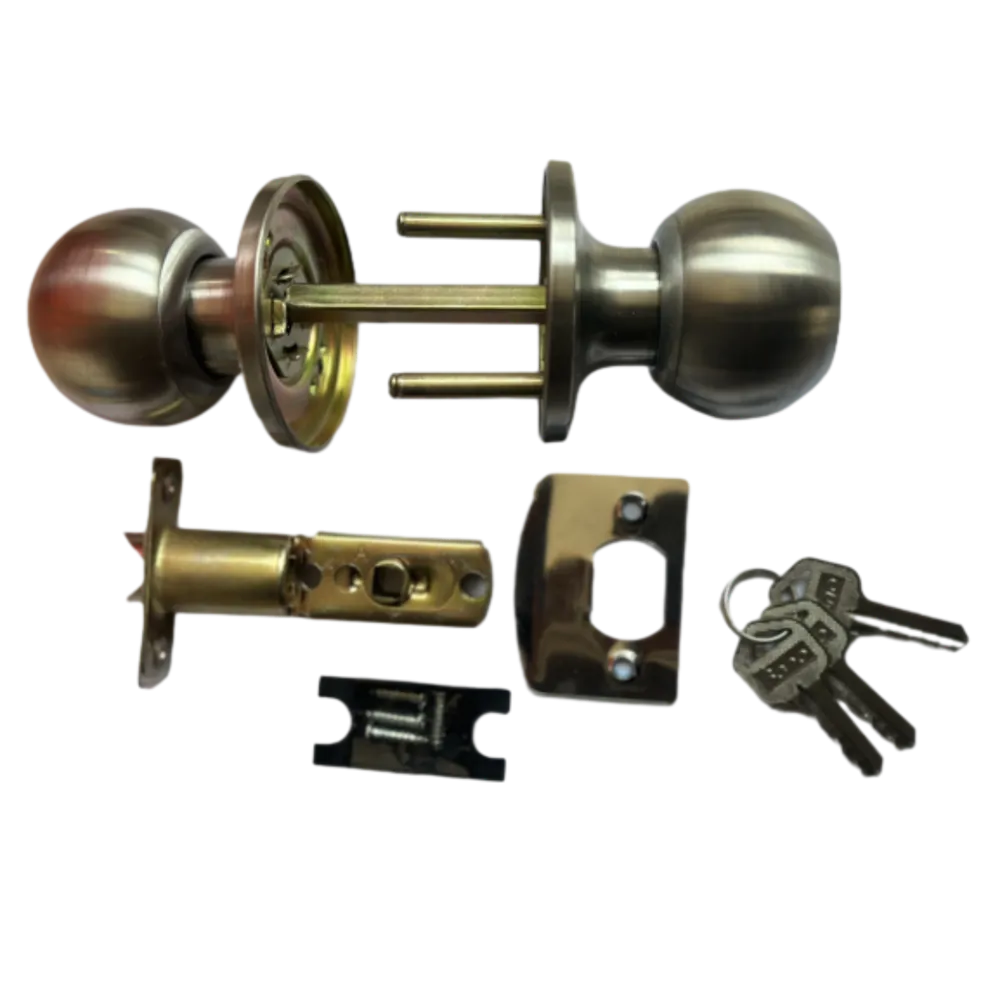
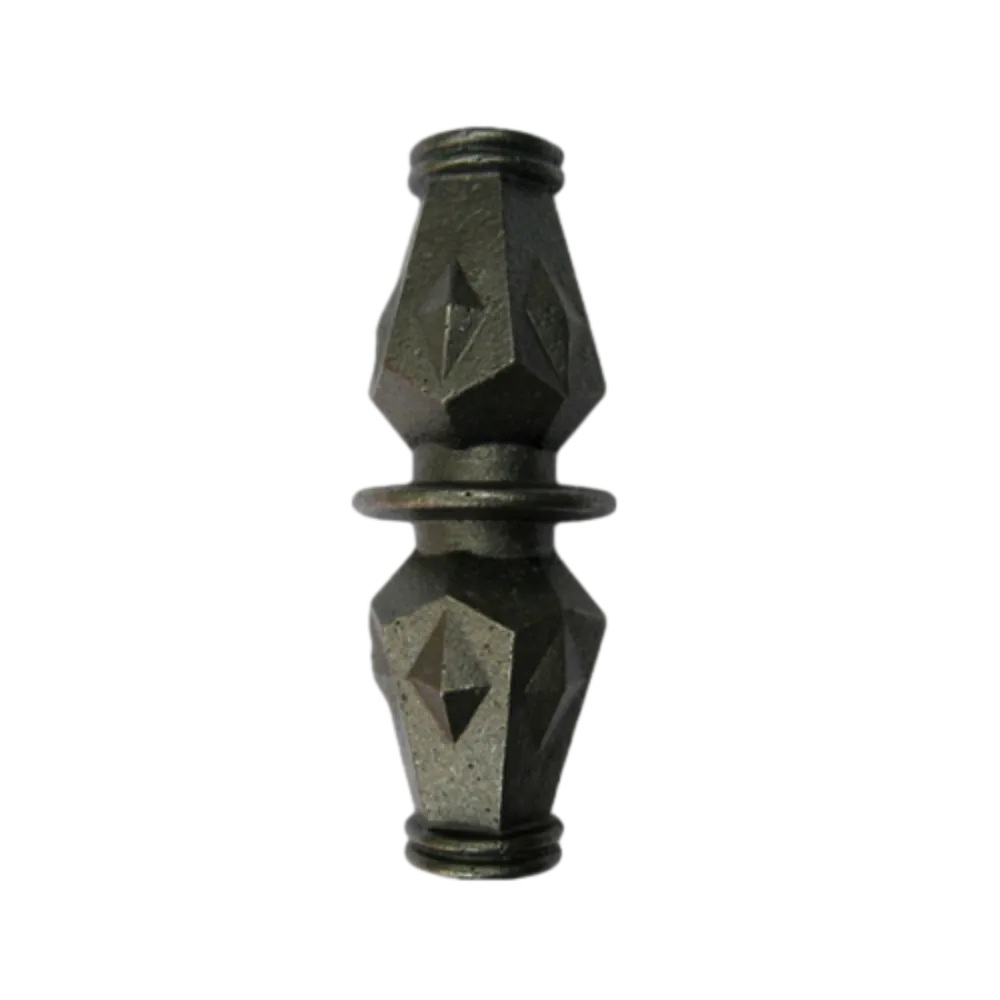
Comprehensive Cast Iron Product Portfolio for Belgium

A full suite of engineered components designed for the Belgian industrial and agricultural ecosystem.

Frequently Asked Questions in the Belgian Market

Expert answers to common technical queries regarding cast iron procurement.

How do you ensure the corrosion resistance of a cast iron component in Belgium's coastal regions?

We use specific alloy additions such as nickel or chromium and offer advanced epoxy-based coatings that create a barrier against the high humidity and saline air typical of the Belgian coast.

What is the typical lead time for custom cast iron parts for Belgian OEMs?

By utilizing digital pattern making and optimized logistics, we typically reduce lead times to 4-6 weeks, significantly faster than traditional sand-casting timelines.

Are your sliding roller products compatible with existing Belgian industrial rails?

Yes, our rollers are manufactured to ISO and DIN standards, ensuring seamless compatibility with European rail profiles used in logistics centers.

Can you provide heavy-duty sliding door wheels with custom hardness specifications?

Absolutely. We can adjust the carbon and silicon content or apply induction hardening to achieve specific Brinell hardness levels based on your load requirements.

Is the animal drawn plough still viable for modern sustainable farming in Flanders?

Yes, for small-scale permaculture and organic farming, our cast iron ploughs provide a low-impact, carbon-free alternative to motorized tilling.

What quality certifications do your cast iron components carry for the EU market?

Our products are manufactured under ISO 9001 quality management systems and comply with CE marking requirements for safety and environmental standards in Belgium.

Consult Our Casting Experts

Ready to optimize your industrial infrastructure in Belgium? Our engineering team is here to provide technical support and custom quotes.

Contact Us Now
tel
mailto
goTop
Copyright © 2026 SHIJIAZHUANG TJJ TRADE CO.,LTD. All Rights Reserved. Sitemap | Privacy Policy | Top Search | Top Blog | Global Service