Premium Sliding Roller Solutions for Pakistan Industrial Markets

Engineering high-durability cast iron components designed to withstand the rigorous environmental and operational demands of Pakistan's manufacturing and agricultural sectors.

Premium Sliding Roller Solutions for Pakistan Industrial Markets

Providing the Pakistan market with precision-engineered cast iron parts that ensure operational longevity and reduced maintenance costs across diverse industrial applications.

Current State of Cast Iron Casting in Pakistan

Analyzing the intersection of traditional craftsmanship and modern industrial needs in the Pakistani metalwork landscape.

The industrial landscape in Pakistan, particularly in hubs like Faisalabad and Gujranwala, relies heavily on durable cast iron component technology. However, many local foundries still struggle with consistency in metallurgy, leading to premature wear in high-friction environments.

Extreme climatic variations in Pakistan, ranging from intense heat to high humidity in coastal regions, accelerate the oxidation of substandard iron castings. This creates a critical demand for advanced alloy treatments in sliding door wheels and heavy-duty rollers used in warehouses.

Furthermore, the agricultural backbone of the country still utilizes a significant number of animal drawn plough systems, where the durability of the cast iron share is the primary determinant of farming efficiency in the Punjab and Sindh provinces.
Evolution of Casting Technology in Pakistan

From sand-casting traditions to CNC-precision engineered iron components.

Market Development History

Prior to the 1990s, the Pakistani casting industry was dominated by artisanal sand-casting methods, focusing primarily on basic agricultural tools and simple machinery frames with high porosity and low precision.

Between 2000 and 2015, the introduction of semi-automated molding and improved furnace controls allowed for the production of more complex cast iron parts, enabling the local automotive and textile machinery sectors to grow.

In the last decade, the shift toward ISO-certified manufacturing and the integration of CAD/CAM software has transitioned the market toward high-precision components, reducing the reliance on expensive imports for specialized industrial rollers.

Future Development Trends

Advanced Alloy Integration

Integration of chromium and nickel alloys to enhance the corrosion resistance of components used in Pakistan's chemical and textile processing plants.

Digital Twin Simulation

Adoption of casting simulation software to predict shrinkage and porosity, ensuring zero-defect production of complex structural components.

Sustainable Smelting

A move toward induction furnaces and scrap recycling to reduce the carbon footprint of iron production in line with global environmental standards.

Industry Trends and Future Outlook

Strategic directions for the next 3-5 years in Pakistan's cast iron manufacturing sector.

Precision Engineering
Transitioning from traditional casting to micron-level precision for critical machinery interfaces.
Wear-Resistance R&D
Developing specialized ductile iron grades to extend the lifespan of rollers in abrasive environments.
Agricultural Modernization
Upgrading traditional tools like the animal drawn plough with higher carbon-content iron for better soil penetration.
Supply Chain Integration
Reducing lead times through strategic stockpiling of common cast iron components across regional hubs.

Industry Outlook

Based on Google search trends in the South Asian region, there is a rising demand for "industrial automation" and "precision hardware." This suggests that the Pakistani market is pivoting away from bulk casting toward specialized, high-value components.

Over the next five years, the synergy between traditional casting and CNC finishing will be the key competitive advantage for providers servicing the Pakistani industrial corridor.

Localized Application Scenarios in Pakistan

Real-world implementations of cast iron solutions across Pakistan's primary industries.

01. Textile Mill Logistics

Implementation of heavy-duty sliding roller systems in Faisalabad's textile warehouses to manage heavy fabric rolls with minimal friction and zero deformation.

02. Agricultural Soil Preparation

Deployment of reinforced animal drawn plough shares in the Indus Basin to handle hard-packed clay soils, extending the tool's lifespan by 40%.

03. Industrial Gate Systems

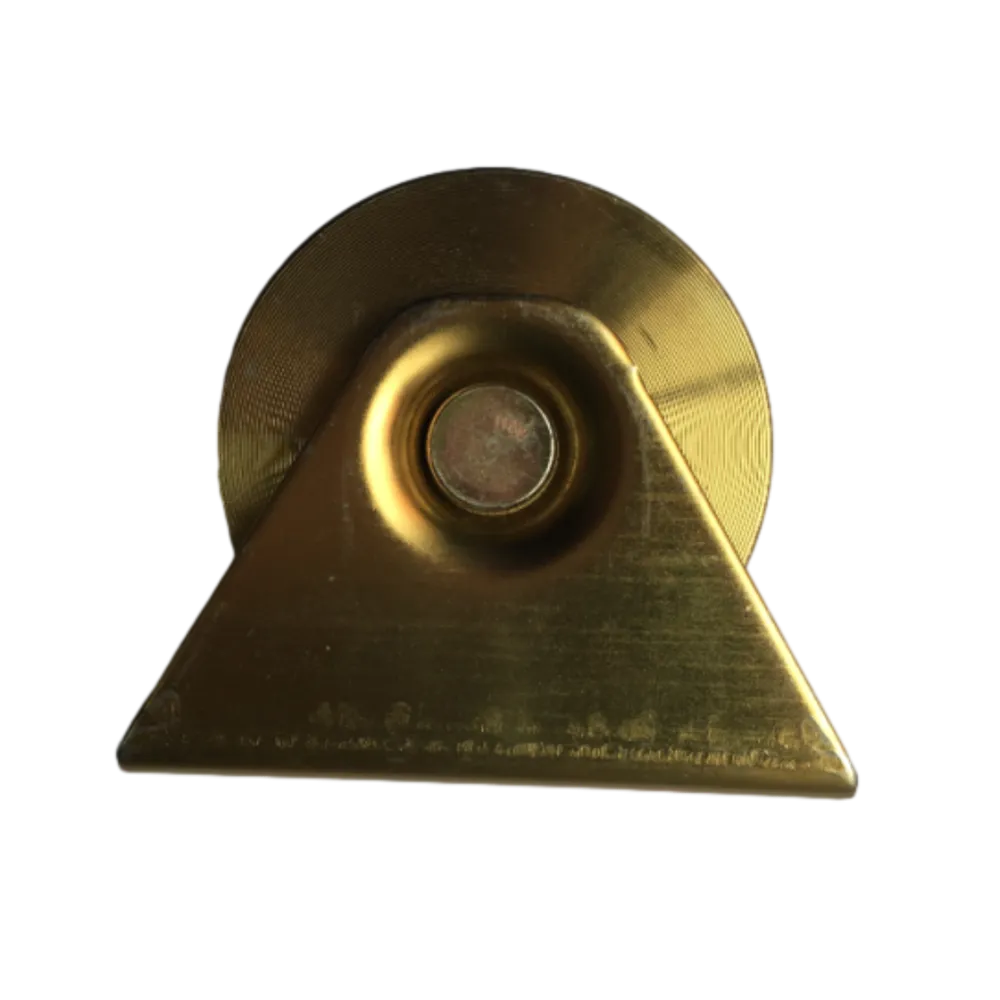
Installation of high-load sliding door wheels in Karachi's port facilities to ensure secure and smooth movement of massive perimeter security gates.

04. Automotive Engine Casting

Provision of precision cast iron parts for the local assembly of tractor engines, ensuring thermal stability and vibration damping.

05. Construction Machinery

Manufacturing of durable cast iron component housings for concrete mixers used in urban development projects across Islamabad.

Brand Story

Global Development Journey of Shijiazhuang Tongjinji Trade Co., Ltd.

Foundation of Excellence

Established with a focus on metallurgical purity, we began by solving the problem of inconsistent casting quality in basic industrial parts.

Technological Leap

By integrating CNC machining with traditional casting, we eliminated the "rough finish" pain point common in the cast iron industry.

Global Expansion

We expanded our footprint into South Asia, tailoring our product specifications to meet the rugged environmental needs of Pakistan.

Quality Standardization

Achieving international certifications allowed us to provide a guarantee of durability that was previously missing in the regional supply chain.

Future Vision

Our mission is to lead the transition toward sustainable, high-precision casting, empowering manufacturers worldwide with failure-proof components.

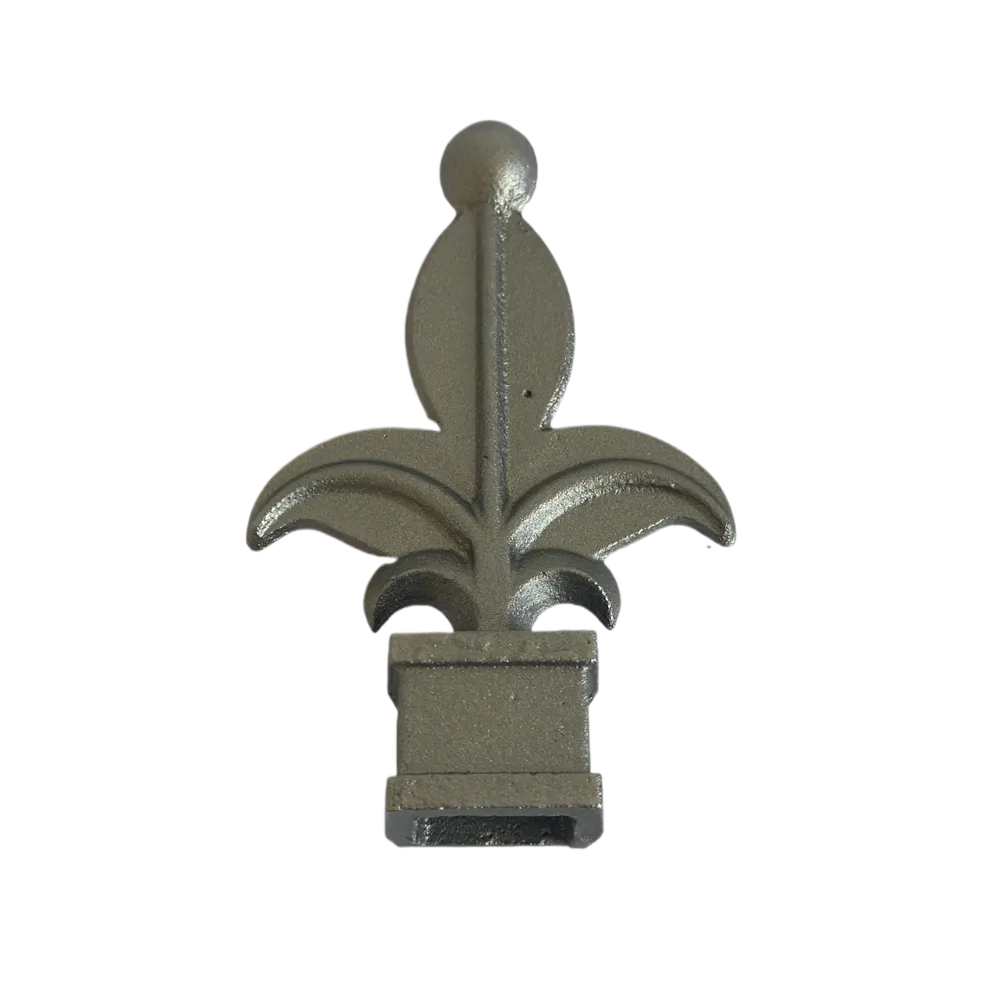
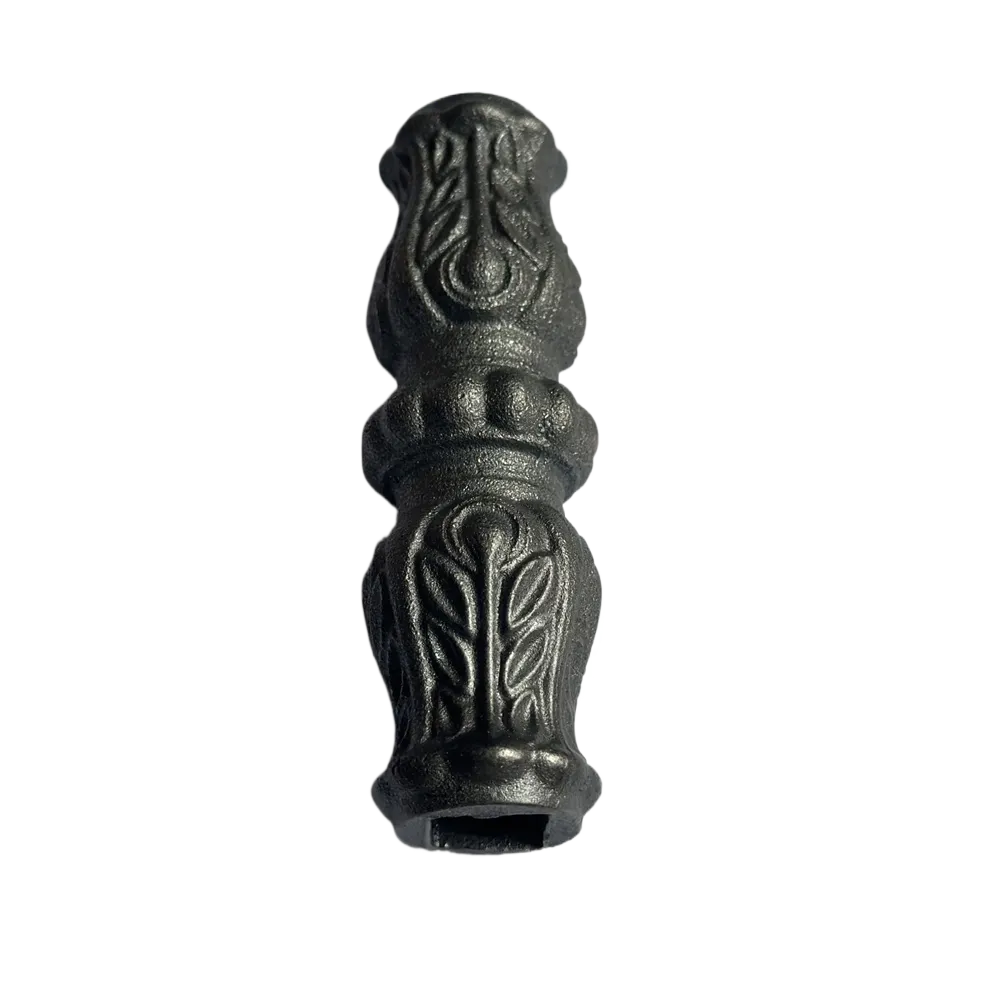
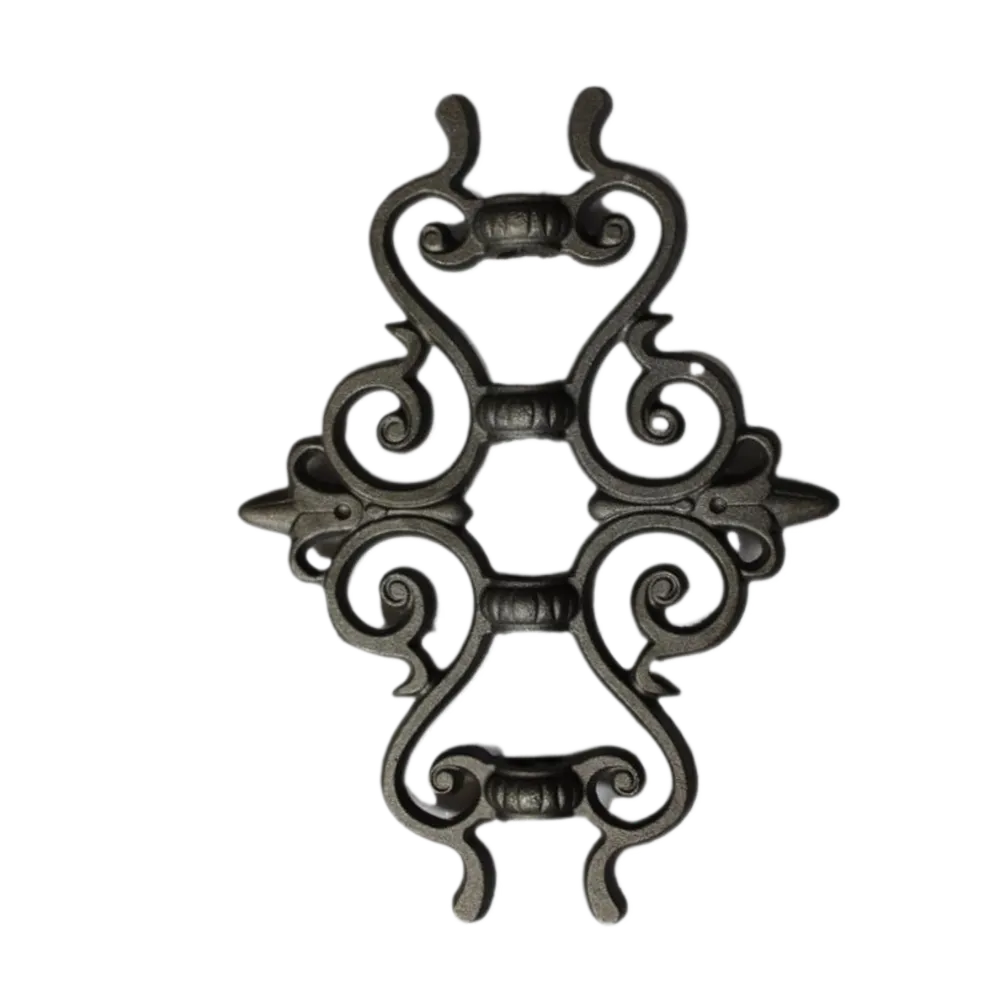
Comprehensive Cast Iron Product Portfolio for Pakistan

A complete range of high-performance iron solutions tailored for the Pakistani industrial and agricultural sectors.

Common Questions for the Pakistan Market

Expert answers to technical queries regarding cast iron components in South Asian conditions.

How to prevent rust on cast iron parts in humid coastal regions like Karachi?

We recommend applying a high-grade anti-corrosive epoxy coating or utilizing our specialized ductile iron alloys which provide superior inherent resistance to oxidation.

What is the load capacity of your industrial sliding roller for textile mills?

Our rollers are engineered for heavy-duty use, with load capacities ranging from 500kg to 5 tons depending on the diameter and grade of iron used.

Can you customize animal drawn plough components for specific soil types in Punjab?

Yes, we can adjust the carbon content and heat treatment of the iron to ensure the plough share is hard enough for clay but tough enough to avoid cracking.

Why are sliding door wheels from cast iron better than steel for industrial use?

Cast iron offers superior vibration damping and wear resistance, reducing the noise and structural stress on the gate frame compared to hardened steel.

What is the typical lead time for custom cast iron component orders to Pakistan?

Depending on the complexity and quantity, production typically takes 15-25 days, with shipping times varying based on the chosen freight method.

Do your products meet international ASTM or ISO standards for casting?

Yes, all our products undergo rigorous quality control and meet ISO 9001 standards, ensuring consistency in material composition and dimensional accuracy.

Ready to Optimize Your Industrial Hardware?

Contact our engineering team today for high-performance casting solutions delivered across Pakistan.

Contact Us Now
tel
mailto
goTop
Copyright © 2026 SHIJIAZHUANG TJJ TRADE CO.,LTD. All Rights Reserved. Sitemap | Privacy Policy | Top Search | Top Blog | Global Service