
Premium sliding roller Solutions for Philippines Infrastructure

High-durability cast iron components engineered to withstand the humid tropical climate and heavy-duty industrial demands of the Philippine market.

Premium sliding roller Solutions for Philippines Infrastructure

Providing the Philippines with world-class cast iron parts that combine traditional strength with modern precision engineering for agricultural and industrial sectors.

Industrial Casting Status in the Philippines

Analyzing the intersection of tropical environmental challenges and industrial growth.

The Philippines' manufacturing landscape is currently navigating a transition toward higher automation, yet the demand for heavy-duty cast iron component remains critical. The archipelagic geography creates unique logistics challenges, making localized, durable parts essential for maintaining regional infrastructure.

Environmental factors, particularly the high humidity and salinity of the coastal regions, accelerate the corrosion of standard metals. This has led to a surge in demand for specialized cast iron alloys that offer superior wear resistance, specifically for sliding door wheels used in warehouse logistics across Metro Manila and Cebu.

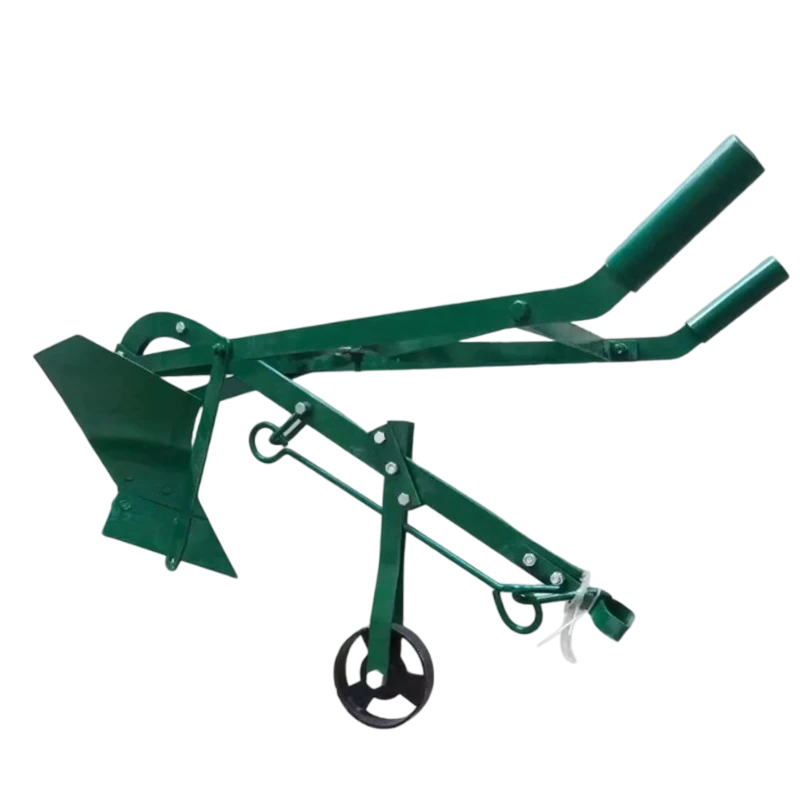
Furthermore, the agricultural sector in provinces like Central Luzon continues to rely on robust tools. The integration of modern metallurgical standards into traditional equipment, such as the animal drawn plough, is becoming a key driver for increasing farming efficiency in rural areas.
Evolution of Cast Iron Technology in Asia

From traditional sand casting to precision-engineered industrial components.

Market Development History

In the early 20th century, the Philippine casting market relied heavily on basic sand casting techniques, producing simple structural elements with high porosity and inconsistent strength. These early iterations were sufficient for basic tools but lacked the precision required for moving parts.

By the 1980s and 90s, the introduction of ductile iron and improved heat treatment processes allowed for the production of more complex cast iron parts. This era saw a shift toward standardization, enabling the mass production of rollers and wheels for the burgeoning industrial zones.

Entering the 2010s, the integration of CAD/CAM design and CNC machining transformed the industry. The focus shifted from "bulk casting" to "precision casting," ensuring that every cast iron component met strict tolerances for global export and high-end domestic applications.

Future Development Trends

Smart Alloy Integration

The next 3 years will see the adoption of nano-modified alloys to further increase the hardness and corrosion resistance of industrial rollers in tropical climates.

Additive Manufacturing Hybridization

Combining 3D printing for mold patterns with traditional casting to reduce lead times for custom-engineered parts by up to 40%.

Eco-Friendly Foundry Processes

A shift toward "Green Foundries" utilizing recycled scrap iron and energy-efficient induction furnaces to meet the Philippines' growing sustainability goals.

Future Trends and Industry Outlook

Strategic forecasting for the Philippine metal casting sector.

Precision Optimization
Increasing the tolerance accuracy of sliding roller designs to reduce friction and energy consumption in automated warehouses.
Anti-Corrosive Coating
Developing advanced electroplating and ceramic coatings for sliding door wheels to prevent salt-air corrosion.
Agri-Tech Modernization
Re-engineering the animal drawn plough with optimized weight distribution for diverse Philippine soil types.
Supply Chain Digitization
Implementing blockchain tracking for the provenance and quality certification of every cast iron component delivered.

Industry Outlook

Based on Google search trends in Southeast Asia, there is a growing demand for "heavy-duty industrial wheels" and "corrosion-resistant casting," suggesting that the Philippine market is moving toward high-performance specifications rather than low-cost alternatives.

The next 5 years will likely see the Philippine casting industry integrate more closely with global standards (ISO), focusing on the synergy between durability and precision to support the country's "Build Build Build" infrastructure program.

Localized Application Scenarios in the Philippines

Real-world implementation of cast iron solutions across different sectors.

01. Logistics Hubs in Metro Manila

Implementation of heavy-duty sliding door wheels in large-scale distribution centers to handle high-frequency movement of oversized cargo doors.

02. Rice Farming in Central Luzon

Deployment of reinforced animal drawn plough components designed specifically for the clay-heavy soil of the Philippine plains.

03. Mining Operations in Mindanao

Utilization of high-impact cast iron parts for ore crushing machinery, where abrasion resistance is paramount.

04. Port Infrastructure in Cebu

Installation of industrial-grade sliding roller systems for heavy maritime gates, treated for extreme salt-spray resistance.

05. Manufacturing Plants in Cavite

Custom production of cast iron component bases for heavy machinery to ensure vibration dampening and structural stability.

Brand Story

Global Development Journey of Shijiazhuang Tongjinji Trade Co., Ltd.

Foundational Excellence

Established with a vision to solve the critical pain point of premature wear in industrial casting, we began by perfecting the balance of carbon and silicon in iron alloys.

Technological Leap

We invested in precision CNC finishing lines, transforming our output from raw castings to ready-to-install components with micron-level accuracy.

Global Expansion

Expanding our footprint into Asia, we tailored our products to survive the harsh tropical environments of markets like the Philippines.

Quality Certification

Achieving international quality standards, ensuring that every part shipped is a testament to durability and industrial reliability.

Sustainable Future

Now leading the charge in sustainable casting, reducing the environmental impact while increasing the lifecycle of industrial components.

Comprehensive Casting Portfolio for the Philippines

A full spectrum of cast iron solutions tailored for Philippine industrial and agricultural needs.

Frequently Asked Questions - Philippines Market

Expert answers to common technical queries regarding cast iron components.

How does the humidity in the Philippines affect the lifespan of a cast iron component?

High humidity can lead to surface oxidation. We solve this by using specialized alloys and anti-corrosive coatings that prevent rust and extend the operational life of the part.

What is the best material for heavy-duty sliding door wheels in coastal areas?

Ductile iron is recommended for its superior strength and impact resistance, combined with an epoxy or galvanized coating to withstand salty sea air.

Can you customize the weight of an animal drawn plough for different soil types?

Yes, we can adjust the casting volume and alloy density to ensure the plough provides the necessary penetration for both soft and hard Philippine soil conditions.

What are the maintenance requirements for an industrial sliding roller?

Regular lubrication and periodic checks for surface wear are advised. Our high-carbon rollers are designed to minimize wear, reducing maintenance frequency.

How do you ensure the quality of cast iron parts during international shipping?

We use vacuum-sealed moisture-proof packaging and reinforced crates to ensure no corrosion or physical damage occurs during the transit to the Philippines.

What is the lead time for custom cast iron component orders?

Depending on the complexity, the process from CAD design to final casting and shipping typically takes 3 to 6 weeks.

Get Your Custom Casting Solution Today

Our engineers are ready to support your industrial projects across the Philippines with high-performance cast iron solutions.

Contact Us Now
tel
mailto
goTop
Copyright © 2026 SHIJIAZHUANG TJJ TRADE CO.,LTD. All Rights Reserved. Sitemap | Privacy Policy | Top Search | Top Blog | Global Service