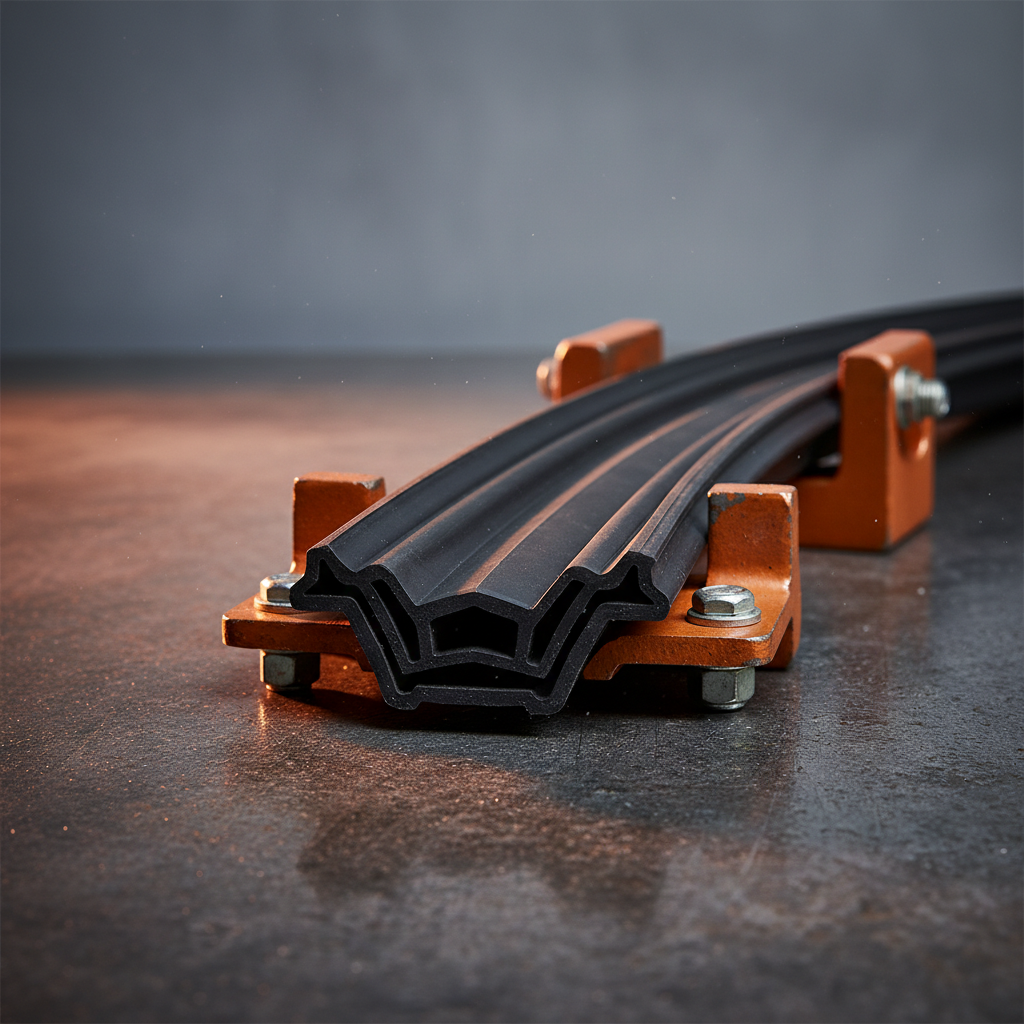
Look, I've been running around construction sites for fifteen years now, and let me tell you, things are changing. It's not just about bigger buildings anymore. Everyone's obsessed with efficiency, with prefabrication, with making things faster and easier. And at the heart of a lot of that? Sliding door rollers. Seems simple, right? But trust me, it's not.
Have you noticed how everything's going towards bigger, heavier doors? Not just for looks, but for soundproofing, security... even just making a statement. That puts a huge load on those little rollers. It’s a surprisingly big deal. And honestly, it’s where a lot of projects hit snags if they don’t get it right.
To be honest, I spend half my life explaining why the cheap rollers from overseas always fail. It’s a constant battle. It’s a bit like those low-end power tools—they look good on paper, but fall apart after a week of real work.
The Current Landscape of Sliding Door Rollers
It's a surprisingly competitive market, you know? You've got the big names, the established players, then a ton of smaller factories popping up, especially in Asia. The pressure to cut costs is insane. And it shows. I saw a batch of rollers at a factory in Foshan last time that… well, let’s just say the bearings felt like they were filled with sand.
But the demand is rising. Everything from residential homes to massive commercial buildings, everyone wants sliding doors. And with that demand comes innovation - or at least, attempts at it. Magnetic levitation rollers? Yeah, I've seen those. Fancy, expensive… and honestly, over-engineered for most applications.
Common Design Pitfalls
Oh boy, where do I start? The biggest mistake I see is underestimating the weight capacity. People are slapping these things on doors that are way too heavy, and then wondering why they fail. It’s basic physics, people!
Then there’s the issue of the track. If the track isn’t perfectly aligned, you're going to have binding, wear and tear, and eventually, a seized roller. And don't even get me started on the quality of the wheels themselves. Cheap plastic is a disaster waiting to happen.
Strangely enough, a lot of engineers forget about thermal expansion. Especially in climates with big temperature swings, the door and the frame are going to move. If the rollers don’t have enough play, you’re looking at problems down the road.
Material Matters: What We're Actually Using
Okay, so the good stuff. For the housing, you want something strong and corrosion-resistant. Zinc alloy is pretty standard, but I’ve been seeing more stainless steel lately, especially in coastal areas. Feels solid in your hand, you know? Smells a bit like metal shavings when you first handle it, which is always a good sign.
The bearings… that's where it really matters. Steel bearings are the most common, but the quality of the steel varies wildly. Look for hardened steel, properly lubricated. Ceramic bearings are an option for high-end stuff, super smooth, but they're pricey. And honestly, most of the time, they're overkill.
The wheels themselves? Polyurethane is the go-to. It's durable, quiet, and doesn’t damage the track. But again, quality is key. Some of the cheap polyurethane feels… gummy. Like it’s going to disintegrate after a few months.
Real-World Testing: Beyond the Lab
Labs are fine for basic stuff, but they don’t replicate real life. I’ve seen rollers pass all the lab tests and still fail on site.
What I do is simple: I find the heaviest door we’re working with, I cycle it open and closed hundreds of times, and I listen. Listen for squeaks, grinding, anything that sounds off. And I feel for play in the wheels. If there’s any wobble, it’s a no-go.
Sliding Door Roller Performance Metrics
How People Really Use Sliding Door Rollers
It's not always what the designers intend, believe me. I've seen people try to use these things on doors that are completely out of level, forcing the rollers to take all the strain. And I’ve seen them just… ignore the maintenance instructions. No lubrication, no cleaning, just years of neglect.
And then there's the DIY crowd. Bless their hearts, they try, but they often don’t have the right tools or the knowledge to install these things properly. I saw one guy last year, tried to use a hammer to get the roller into the track. A hammer.
Advantages, Disadvantages, and Everything In Between
Okay, the pros are obvious: smooth operation, space-saving, aesthetically pleasing. Good rollers are quiet too, which is a big plus.
But the cons? They can be expensive, especially the high-quality ones. They require regular maintenance, and if they fail, it can be a real pain to repair. And let's be honest, they're not the most secure option. A determined burglar can usually find a way around them.
Anyway, I think the biggest issue is that people often treat them as a commodity. They just look at the price tag and pick the cheapest option. That's a recipe for disaster.
Customization and Specific Applications
You can get these things customized in a lot of ways. Different wheel materials, different housing finishes, different bearing types. I had a client last month, a small boss in Shenzhen who makes smart home devices, insisted on changing the interface to … for the rollers. Said it would “future-proof” them. The result was a complete nightmare. It took weeks to get it working properly and added a ton of cost.
But seriously, more practical customizations include adjusting the height, changing the load capacity, or adding features like soft-close mechanisms. It's all about finding the right solution for the specific application.
Key Performance Indicators for Sliding Door Roller Selection
| Roller Type |
Maximum Load (kg) |
Durability Rating (1-10) |
Noise Level (dB) |
| Standard Steel Roller |
60 |
6 |
55 |
| Stainless Steel Roller |
80 |
8 |
50 |
| Polyurethane Roller |
50 |
7 |
45 |
| Heavy Duty Steel Roller |
120 |
9 |
52 |
| Ceramic Bearing Roller |
70 |
8.5 |
40 |
| Adjustable Height Roller |
90 |
7.5 |
50 |
FAQS
Honestly? Not checking the track alignment. It's gotta be perfectly straight, or you're going to have a world of trouble. I see it all the time – someone rushes the install, doesn't bother with a level, and then wonders why the door binds. It's basic stuff, but it gets overlooked. Takes extra 10 minutes, and can save you headache down the road. Trust me, I’ve been called out for this more times than I care to admit.
Depends on the usage, but generally, every six months to a year. Use a silicone-based lubricant—don't use WD-40, it’ll attract dirt and make things worse. I tell folks to just make it part of their routine maintenance. Check the rollers when you change the batteries in your smoke detector, something like that. A little preventative maintenance goes a long way.
Steel rollers are stronger and can handle heavier loads, but they're also louder and can damage the track. Polyurethane rollers are quieter and gentler on the track, but they're not as durable. It really depends on the application. For a heavy commercial door, you're going to want steel. For a light residential door, polyurethane is fine.
Maybe. If it's just a simple wheel replacement, sure. But if the housing is damaged or the bearings are shot, it's probably best to call a professional. You can easily make things worse if you don't know what you're doing. Honestly, sometimes it's cheaper to just replace the whole thing.
Hardened steel bearings, a durable housing material (stainless steel is great), and smooth, quiet operation. Don't be afraid to spend a little extra money – you get what you pay for. And read the reviews! See what other people are saying about the product.
Magnetic levitation rollers are getting some buzz, but they're still pretty expensive and not practical for most applications. I’m seeing more advancements in materials – stronger polyurethanes, more corrosion-resistant alloys. Also, a lot of focus on reducing noise and vibration. It's incremental, but it adds up.
Conclusion
So, yeah, sliding door rollers. They seem simple, but there’s a surprising amount to them. It’s about choosing the right materials, understanding the load requirements, and paying attention to the details. It's really a story of how the small components make all the difference.
Ultimately, whether this thing works or not, the worker will know the moment he tightens the screw. If it feels right, smooth, solid… you’re good to go. If it feels cheap or flimsy, walk away. It's a gut feeling, and after all these years, I’ve learned to trust it. You can visit our website at www.tjjironcasting.com to learn more.