

The Enduring Power and Evolution of Iron Spears Throughout History
The Enduring Legacy of Iron Spears
Throughout history, the iron spear has been a symbol of power, protection, and innovation in warfare. From ancient civilizations to medieval knights, this weapon played a pivotal role in shaping the course of human events. Even today, the legacy of the iron spear continues to resonate, influencing modern military technology and captivating historical enthusiasts. Understanding its evolution, manufacturing, and cultural significance provides valuable insights into the development of human civilization. At TJ Iron Casting, we specialize in the art of iron casting, including crafting components for historical replicas and modern applications inspired by this iconic weapon.
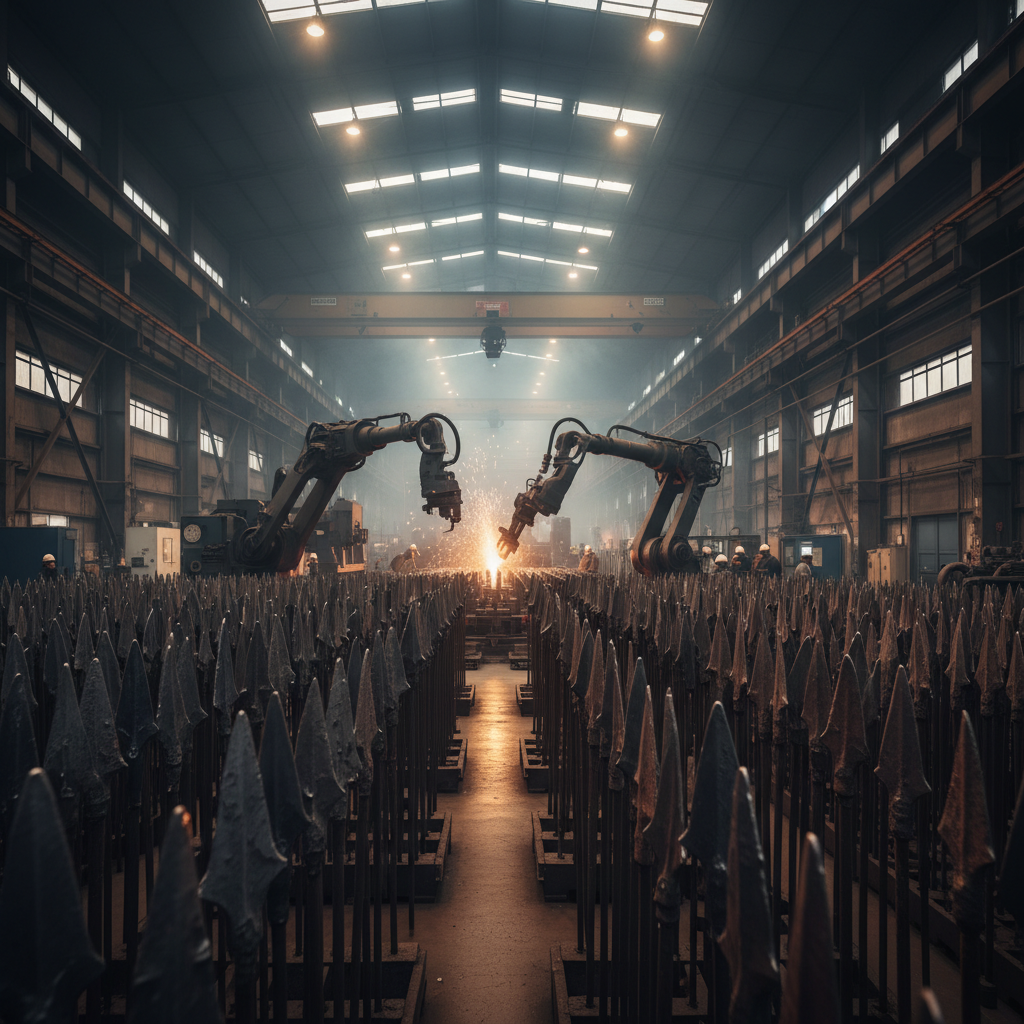
A History Forged in Iron: The Evolution of the Spear
The earliest spears were crafted from sharpened wood, but the advent of metalworking revolutionized their construction. The introduction of bronze marked a significant improvement, but it was the development of iron metallurgy that truly transformed the spear into a formidable weapon. Iron offered superior strength, durability, and availability compared to bronze. Different cultures developed unique spear designs, reflecting their warfare tactics and available resources. From the short, thrusting spears of the Greeks to the longer, throwing spears of the Romans, the iron spear adapted to diverse combat scenarios. The quality of the iron and the casting techniques used directly impacted the spear's effectiveness. TJ Iron Casting prides itself on utilizing modern techniques to recreate the quality of ironwork from past eras.
Key Takeaway: The shift from bronze to iron was a crucial turning point in spear development, leading to stronger, more durable weapons and influencing military strategy.
The Manufacturing Process: From Ore to Iron Spear
Creating an iron spear was a complex process. It began with the extraction of iron ore, followed by smelting to separate the iron from impurities. This was typically done in a bloomery, a furnace used to produce wrought iron. The wrought iron was then heated and hammered to remove slag and consolidate the metal. The spearhead itself was formed through forging, shaping the hot iron with hammers and anvils. The process required skilled craftsmanship and a deep understanding of metal properties. Finally, the spearhead was attached to a wooden shaft, often secured with a socket or tang. Today, TJ Iron Casting employs modern casting techniques to replicate these historical processes, ensuring precision and quality.
Key Steps in Spear Manufacturing:
• Ore Extraction and Smelting
• Wrought Iron Production
• Forging the Spearhead
• Shaft Attachment
Iron Spears Through the Ages: A Comparative Look
Different cultures and time periods saw variations in the design and function of the iron spear. Here's a comparison of some notable examples:
The Modern Relevance of Iron Spear Technology
The principles behind iron spear design continue to influence modern weaponry and defense technology. Concepts such as balance, material strength, and aerodynamic efficiency are still critical in the development of firearms, missiles, and other advanced weapons. Furthermore, the study of historical ironworking techniques provides valuable insights for materials science and engineering. At TJ Iron Casting, we contribute to this legacy by providing high-quality iron castings for a range of applications, from historical reproductions to modern industrial components.
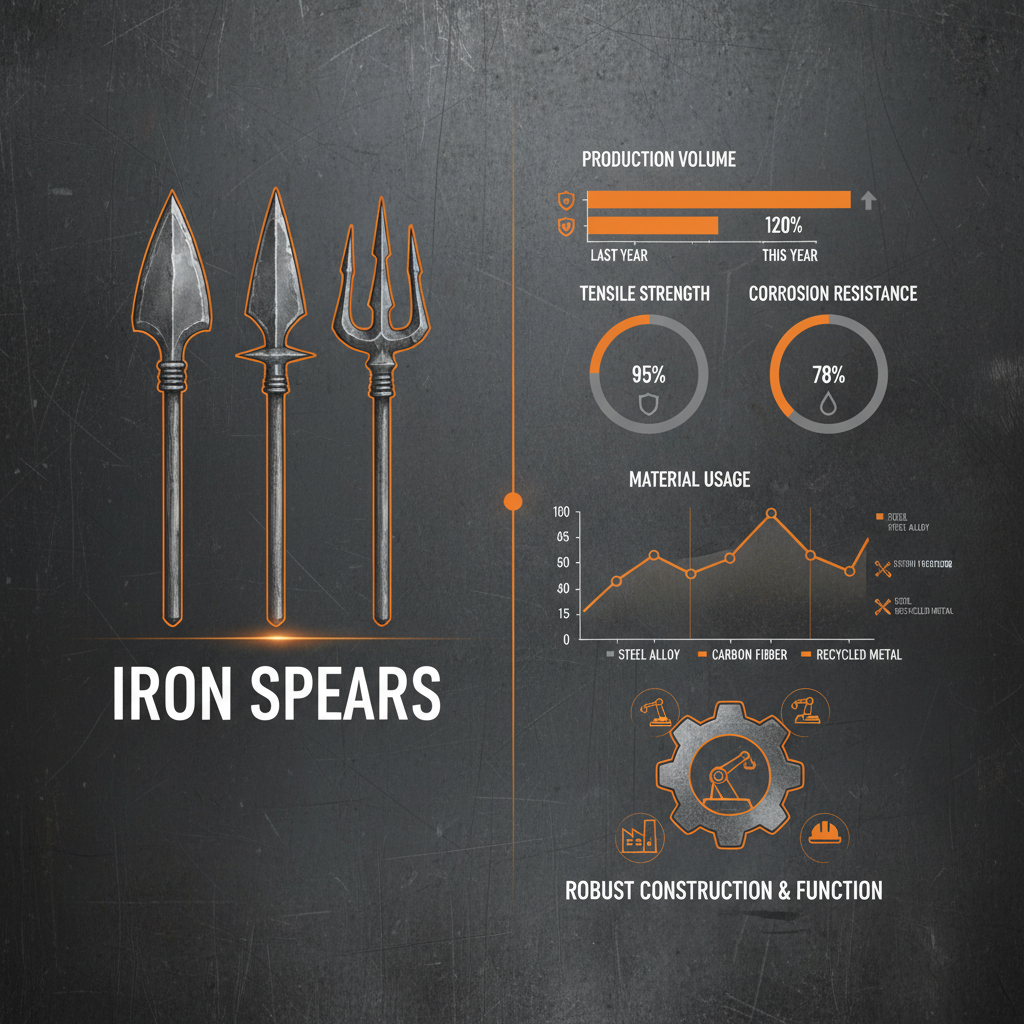
TJ Iron Casting: Continuing the Legacy
At TJ Iron Casting, we honor the rich history of ironworking by providing precision casting services. We specialize in creating intricate iron components, including spearheads, for historical reenactments, museums, and collectors. Our commitment to quality, coupled with our modern casting techniques, ensures that our products meet the highest standards of authenticity and durability. We are proud to play a role in preserving and celebrating the legacy of the iron spear.
Conclusion: A Timeless Symbol of Human Ingenuity
The iron spear represents more than just a weapon; it embodies human innovation, craftsmanship, and the relentless pursuit of power and protection. From its humble beginnings to its enduring legacy, the iron spear continues to captivate and inspire. TJ Iron Casting is proud to be part of this continuing story, crafting iron components that connect us to the past and inform the future.
Frequently Asked Questions (FAQs)
What types of iron does TJ Iron Casting use for spearheads?
We primarily work with ductile iron and gray iron, both known for their strength and durability. Ductile iron offers superior toughness and impact resistance, making it ideal for spearheads intended for reenactment or display. Gray iron provides excellent machinability and is a cost-effective option for less demanding applications. The specific type of iron used depends on the customer’s requirements and the intended use of the spearhead. We can also work with other iron alloys to meet specific performance needs. Our expert team can advise you on the best material for your project.
Can TJ Iron Casting create custom spearhead designs?
Yes, we specialize in custom iron casting. We can work from your drawings, sketches, or even historical examples to create unique spearhead designs. Our team utilizes advanced CAD/CAM software and precision casting techniques to ensure that your custom design is accurately reproduced. We are capable of handling both small-batch and large-volume orders, and we are committed to delivering high-quality custom castings that meet your exact specifications. Contact us with your design ideas, and we’ll be happy to discuss your project.
What is the typical lead time for a custom iron spearhead order?
The lead time for a custom iron spearhead order varies depending on the complexity of the design, the quantity ordered, and our current workload. Typically, it takes 4-6 weeks from design approval to delivery. We strive to provide accurate lead time estimates upfront and keep our customers informed throughout the production process. For larger or more complex orders, we may require a longer lead time. We prioritize efficient production without compromising on quality.
Does TJ Iron Casting offer any finishing services for spearheads?
Yes, we offer a range of finishing services to enhance the appearance and durability of our spearheads. These include sandblasting, polishing, painting, and powder coating. We can also apply protective coatings to prevent rust and corrosion. We work with our customers to determine the best finishing option for their specific needs and preferences. Finishing services can significantly improve the aesthetic appeal and longevity of your iron spearheads.
-
Understanding Iron is What Type of Element and Its PropertiesNewsApr.16,2026
-
How to Identify Prevent and Remove Wrought Iron Rust EffectivelyNewsApr.09,2026
-
Enhance Your Property with Durable and Stylish Iron Gate HandlesNewsApr.07,2026
-
Understanding Wrought Iron vs Iron Properties and ApplicationsNewsApr.04,2026
-
Elevate Your Property with Stunning Gate Wrought Iron Design OptionsNewsMar.31,2026
-
The Enduring Appeal of Ornamental Wrought Iron for Elegant DesignNewsMar.28,2026
-
 Aluminum Ally door and window handle
+
-
 Sliding door window wheel rollers
+
-
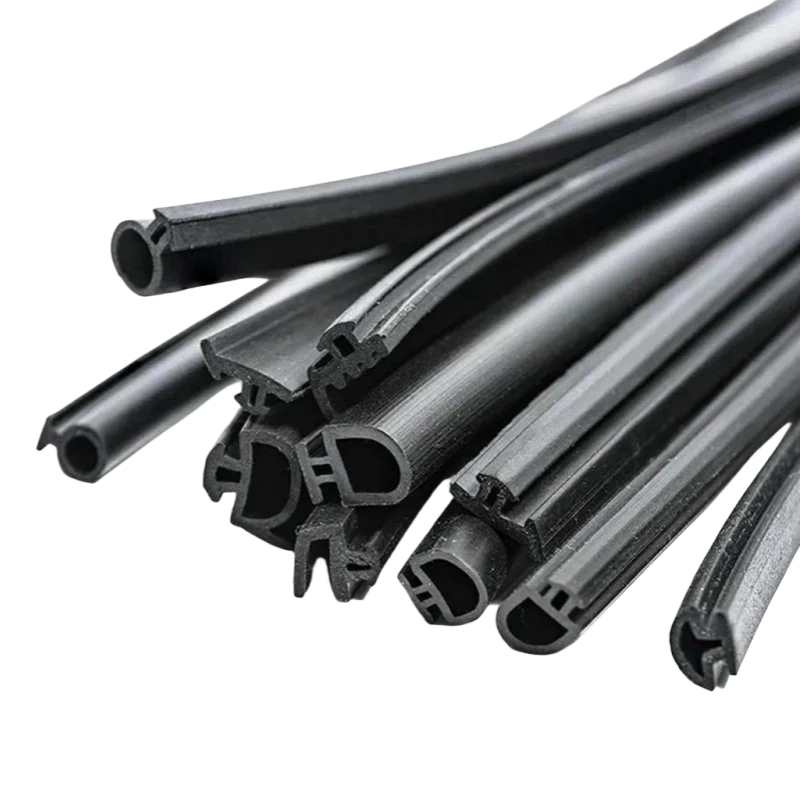 rubber window seal
+
-
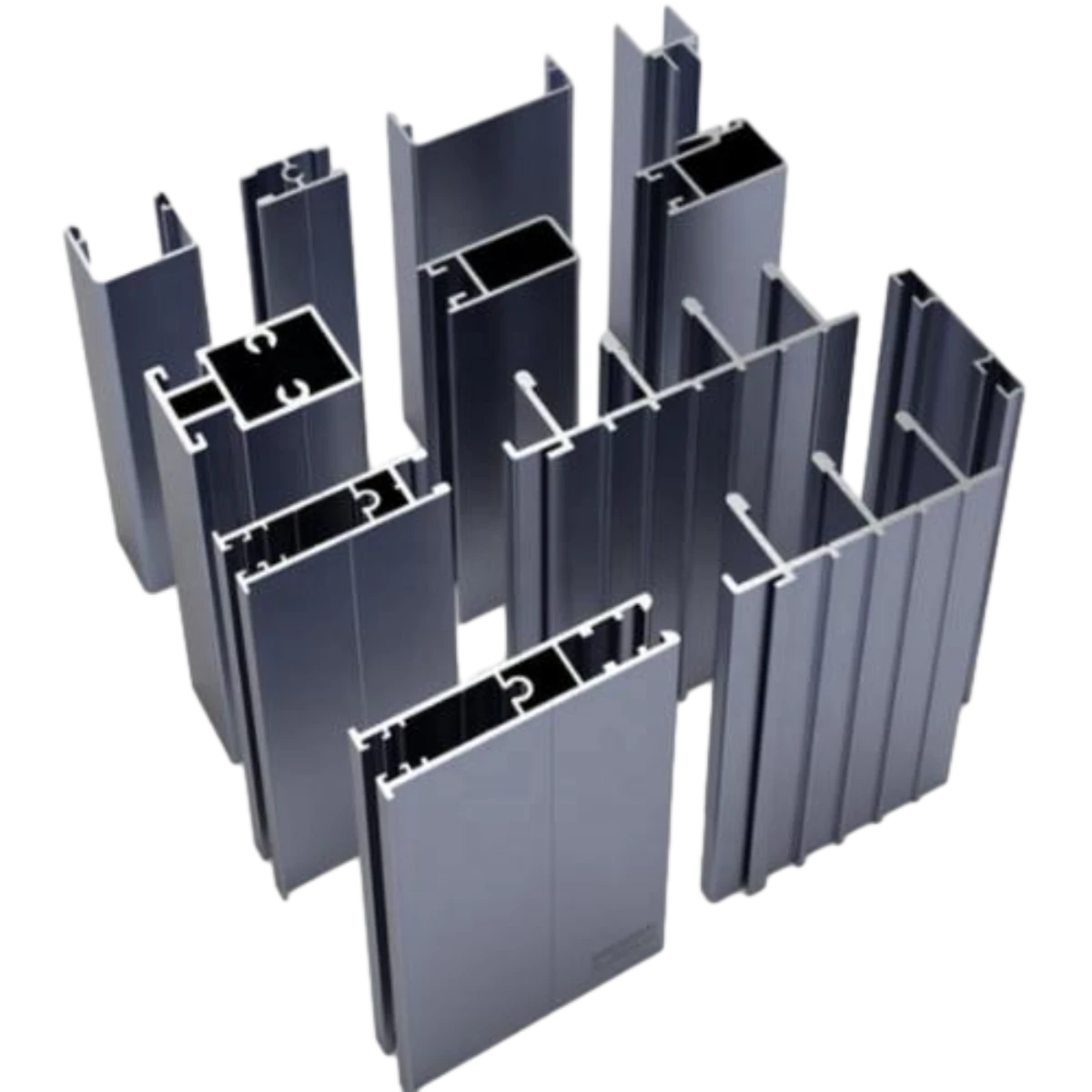 Aluminium Windows Profiles
+
-
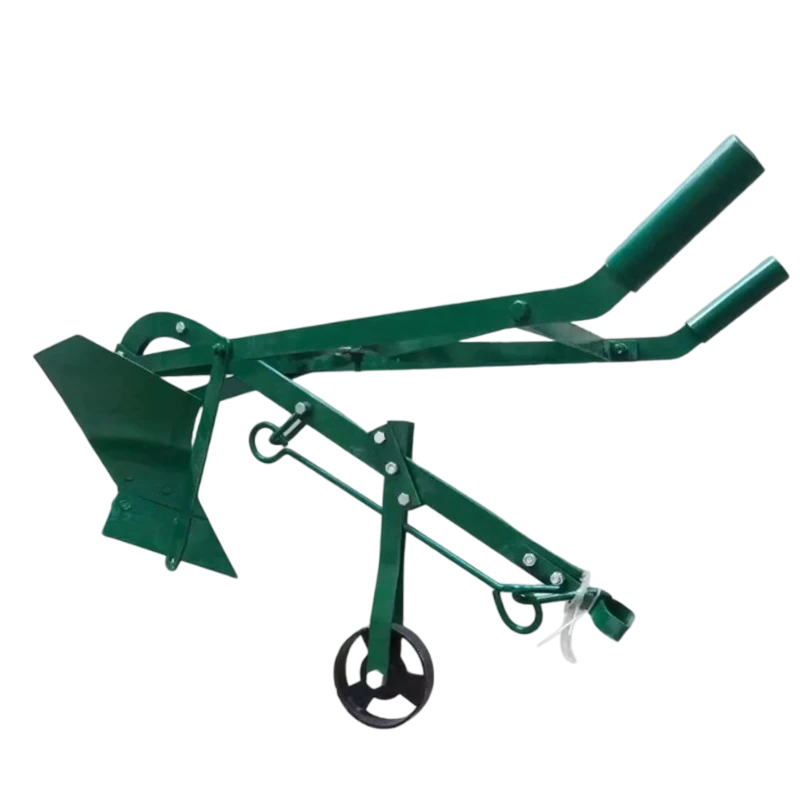 animal drawn plough plows
+
-
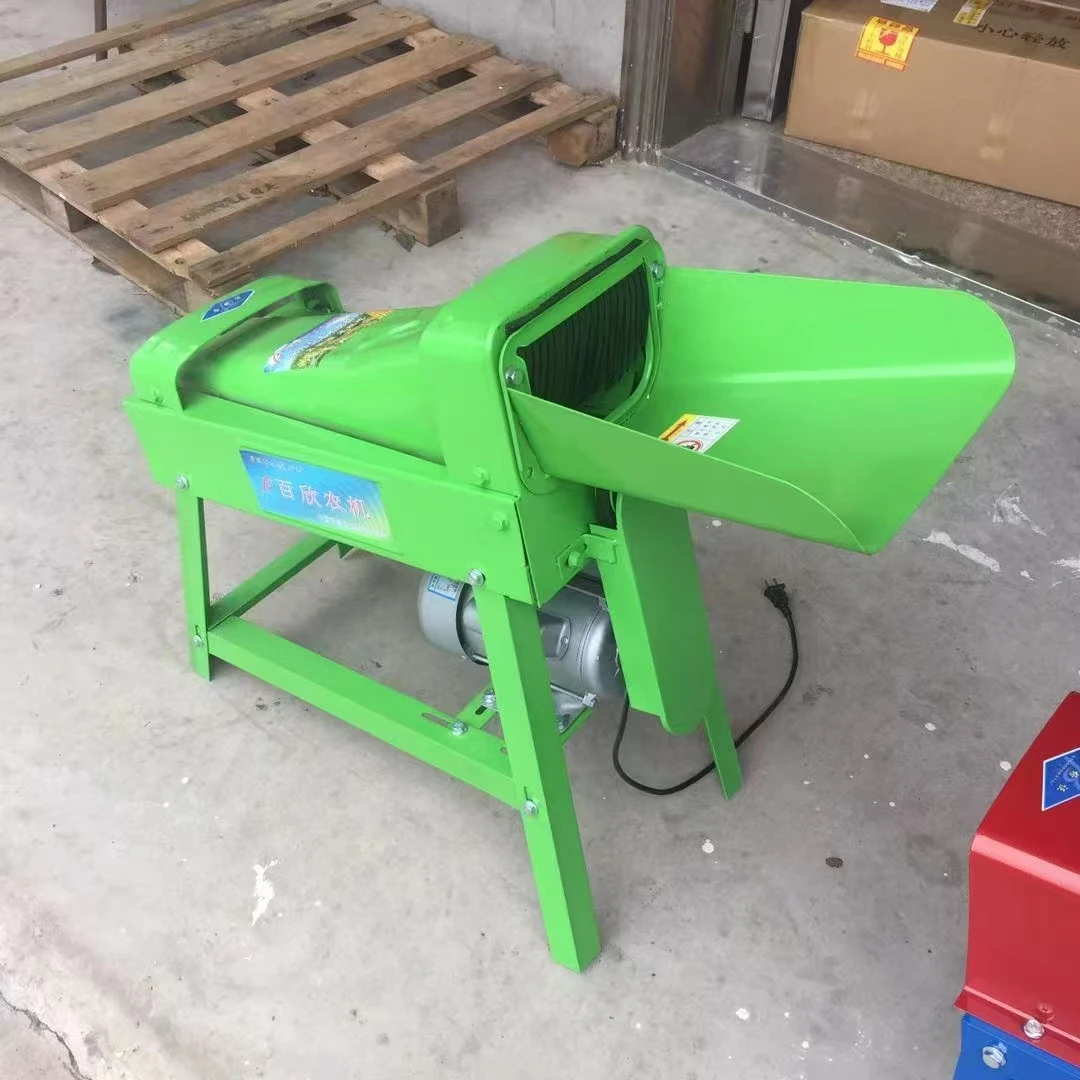 Thresher Machine
+
-
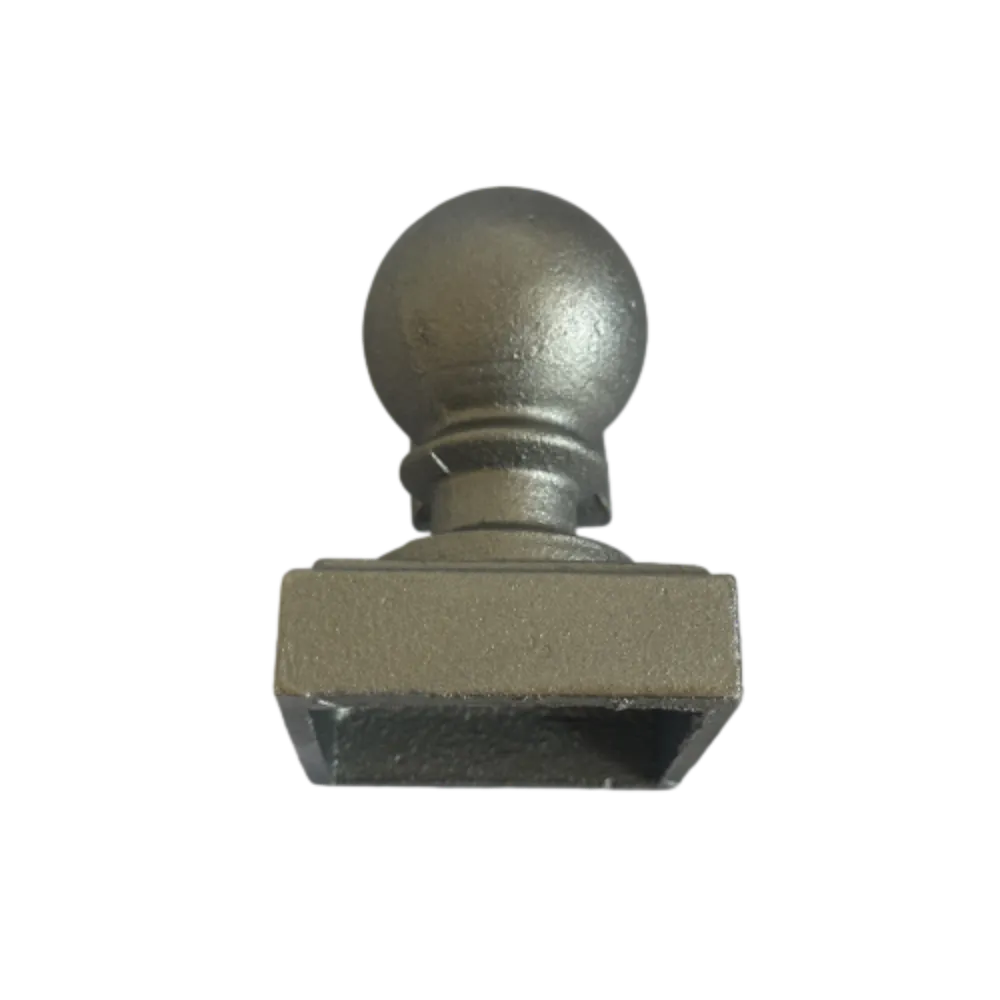 Cast Iron Post Caps
+
-
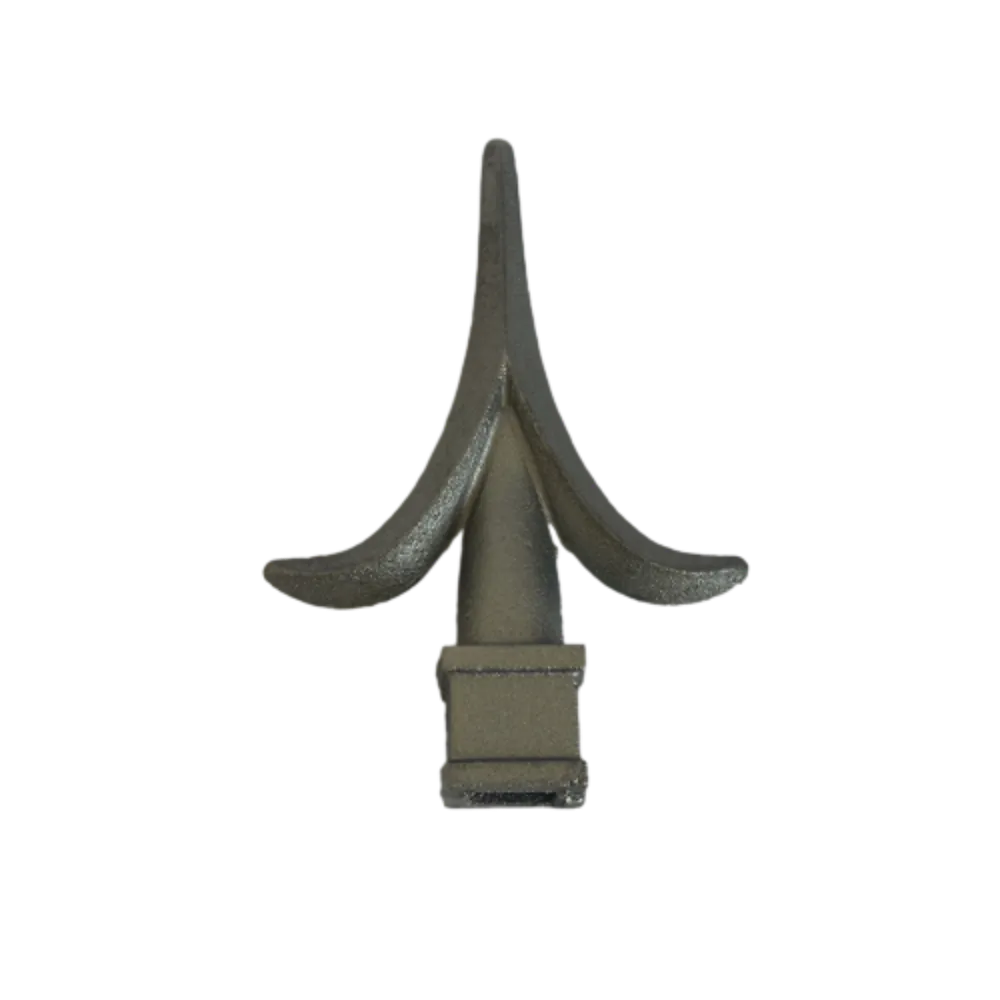 Cast Iron Spear Point Finial
+
-
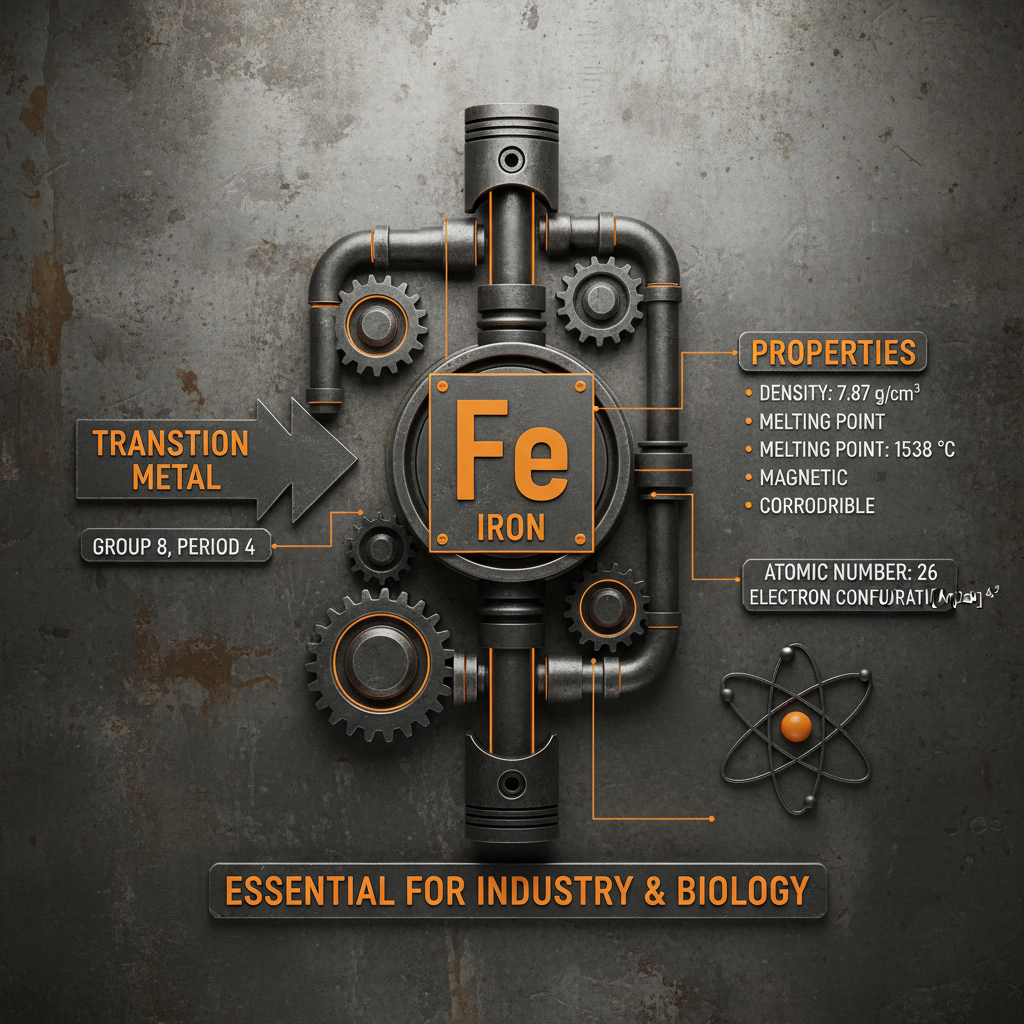 Understanding Iron is What Type of Element and Its PropertiesApr-16-2026Understanding Iron is What Type of Element and Its Properties
 -
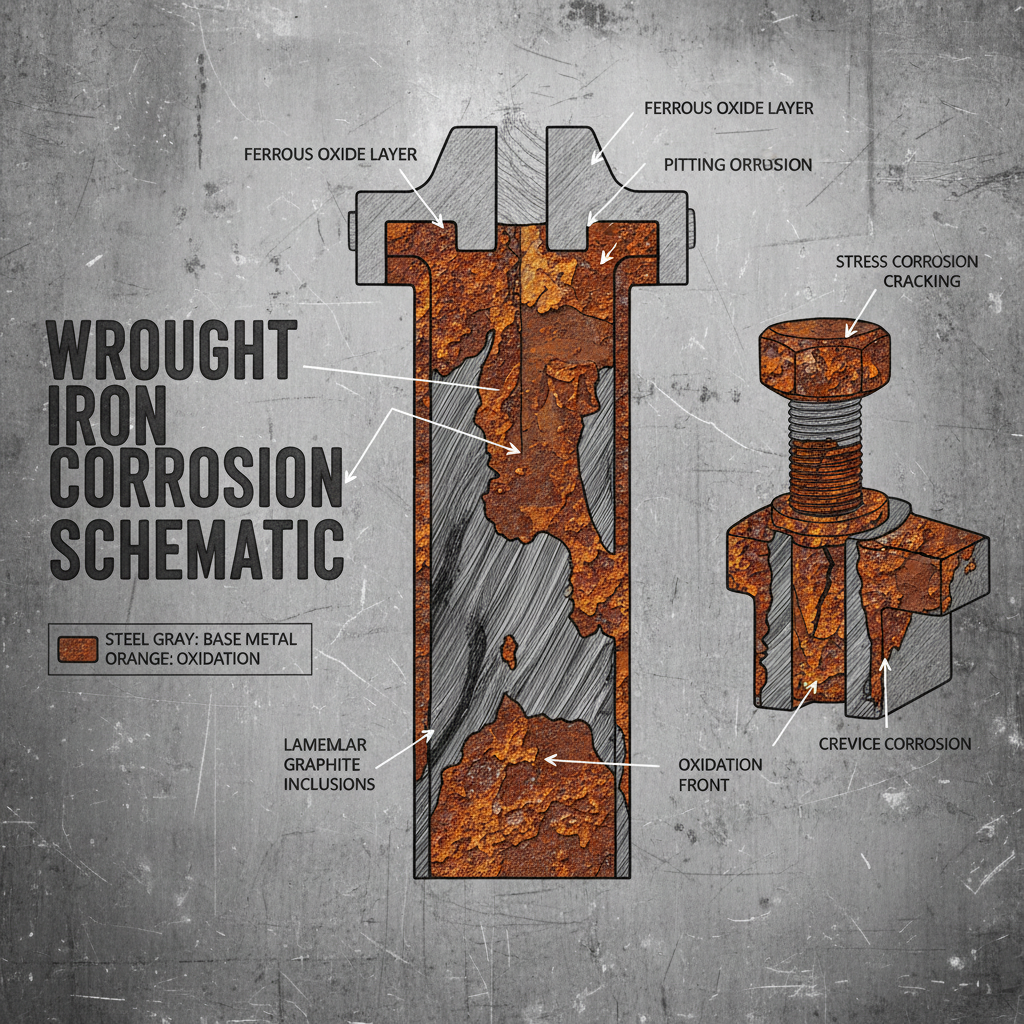 How to Identify Prevent and Remove Wrought Iron Rust EffectivelyApr-09-2026How to Identify Prevent and Remove Wrought Iron Rust Effectively
 -
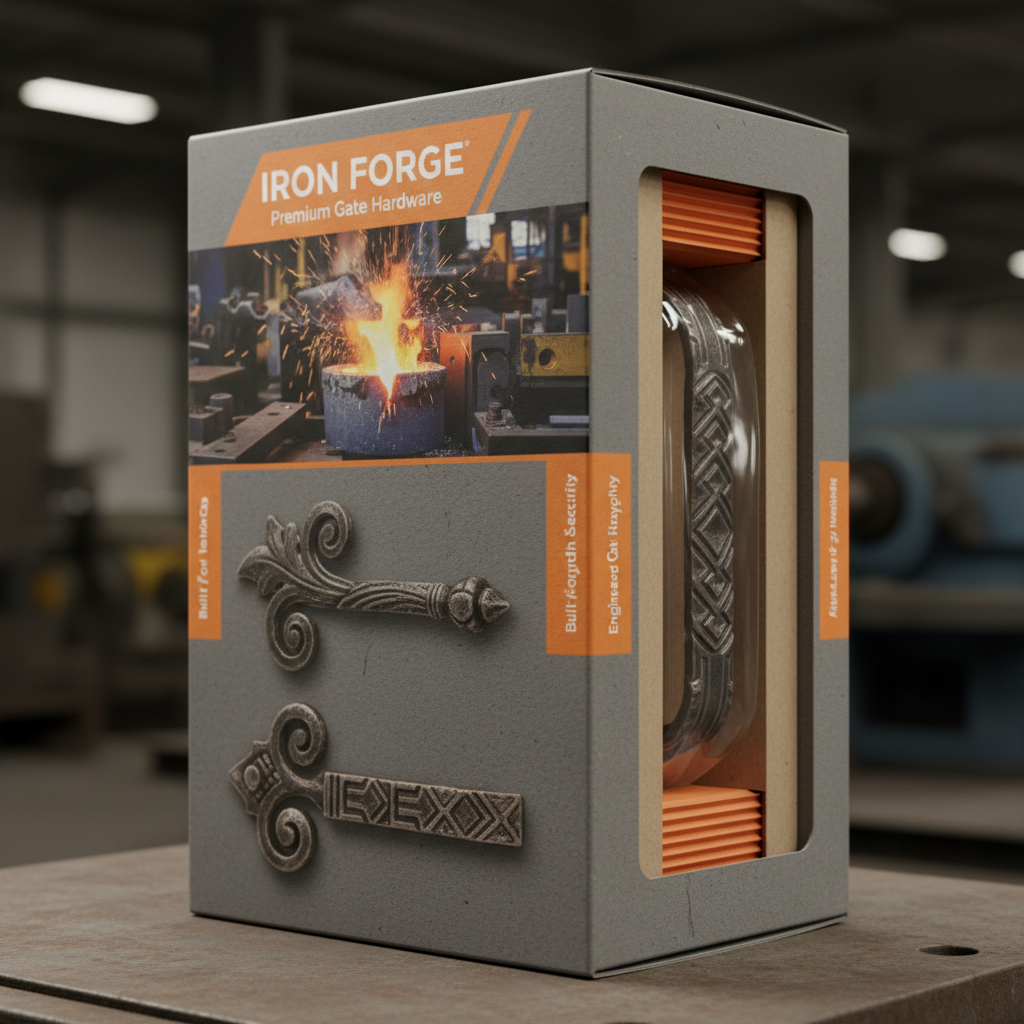 Enhance Your Property with Durable and Stylish Iron Gate HandlesApr-07-2026Enhance Your Property with Durable and Stylish Iron Gate Handles


