The ox drawn plough – it's more than just a historical artifact. It’s a cornerstone of sustainable agriculture, a lifeline for smallholder farmers globally, and surprisingly relevant even in modern contexts. For generations, this simple tool has allowed communities to cultivate land and feed families with minimal resources. Understanding its principles – efficiency, durability, and accessibility – provides valuable insights into building resilient farming systems, especially crucial in a world facing increasing food security challenges. We’re seeing renewed interest not just in preserving this heritage, but in adapting its core concepts for modern, localized food production, particularly in areas where mechanization isn't feasible or sustainable.
The relevance isn’t limited to developing nations. Think about permaculture movements, community-supported agriculture, and the push for localized food systems. The principles behind the ox drawn plough – minimal tillage, soil health, and efficient energy use – are directly applicable to these initiatives. It’s about working with the land, not dominating it. I’ve spent years watching farmers struggle with expensive, fuel-dependent machinery, and honestly, often a well-maintained ox-plough setup can outperform them in certain terrains and for specific crops. It’s about the right tool for the right job, and sometimes the ‘right’ tool is centuries old.
And it’s not just about the tool itself. It’s about the entire system: the animal husbandry, the skills transfer, the community cooperation. It's a holistic approach to agriculture that fosters self-reliance and long-term sustainability. You spend a few weeks on a farm, helping a family build a plough from locally sourced materials, and you realize it’s a completely different world than sitting in a boardroom discussing yield optimization. It's about people, their livelihoods, and their connection to the land.
The Enduring Legacy of the ox drawn plough
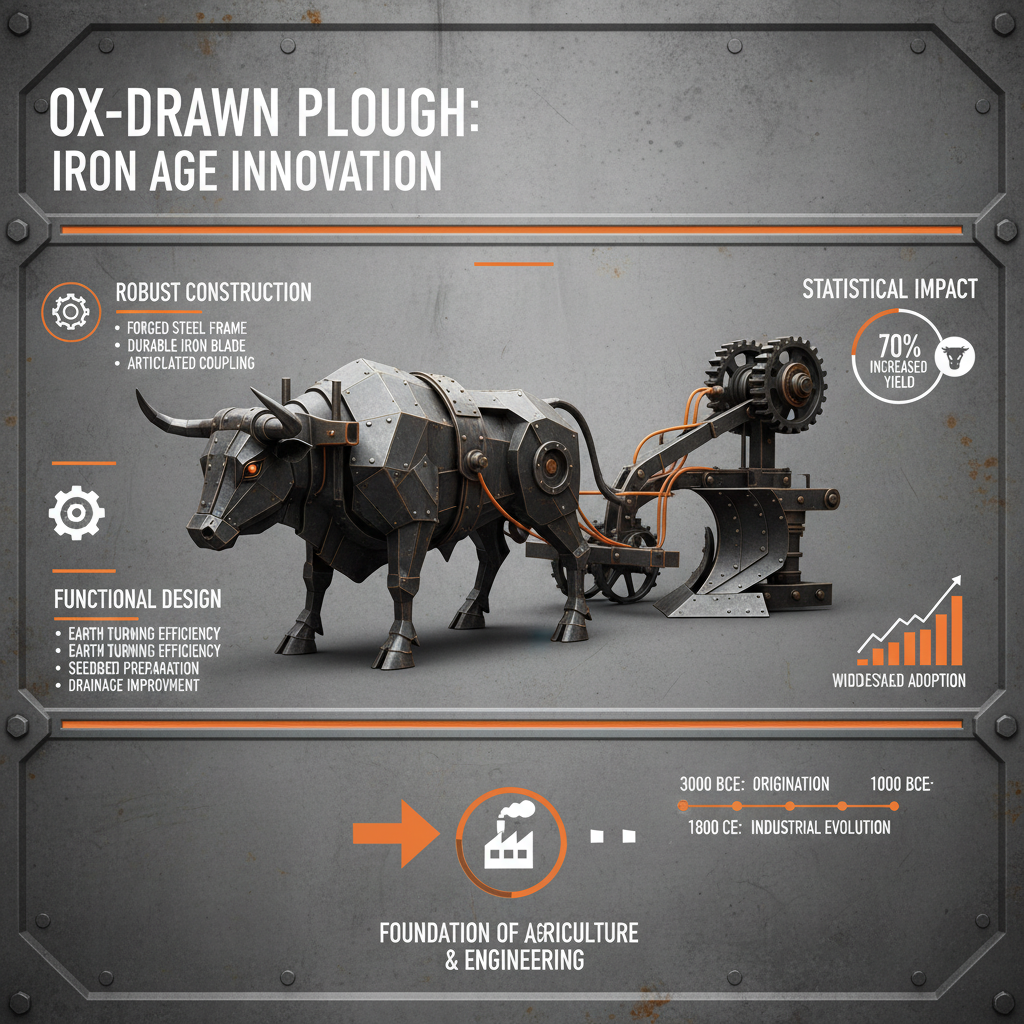
For millennia, the ox drawn plough has been instrumental in shaping agricultural practices worldwide. It's not simply a farming implement; it represents a symbiotic relationship between humans and animals, enabling cultivation in diverse terrains. I’ve seen these ploughs in use in places where tractors just can’t go, on steep hillsides, in dense forests, and in fields too small to justify mechanized farming. It’s a testament to its adaptability and efficiency.
What's often overlooked is the cultural significance. In many communities, the ox drawn plough is deeply woven into traditions, rituals, and social structures. It's a symbol of hard work, community cooperation, and a connection to the land. You can't just introduce a new technology and expect it to be adopted if it disregards these deeply held cultural values.
The Global Significance of ox drawn plough
The Food and Agriculture Organization of the United Nations (FAO) estimates that over 500 million smallholder farmers globally rely on animal traction for agricultural work, and the ox drawn plough remains a crucial component of this system. While modernization is happening, the economic realities for many farmers in developing countries mean that animal power is often the only viable option for cultivation. This isn’t a “backwards” practice; it’s a pragmatic response to economic constraints and environmental limitations.
We’re seeing a growing awareness that relying solely on large-scale, industrial agriculture isn’t sustainable. Soil degradation, water pollution, and the loss of biodiversity are all consequences of this approach. The ox drawn plough, when used responsibly with proper soil conservation techniques, can be a significantly more sustainable alternative. It's about working with natural systems, rather than against them.
The challenge lies in ensuring that these traditional practices are adapted and improved to maximize their efficiency and minimize their environmental impact. That’s where innovations in plough design, animal husbandry, and soil management come into play. It’s not about abandoning the past, but about building upon it to create a more sustainable future.
Defining the ox drawn plough: A Traditional Yet Relevant Technology
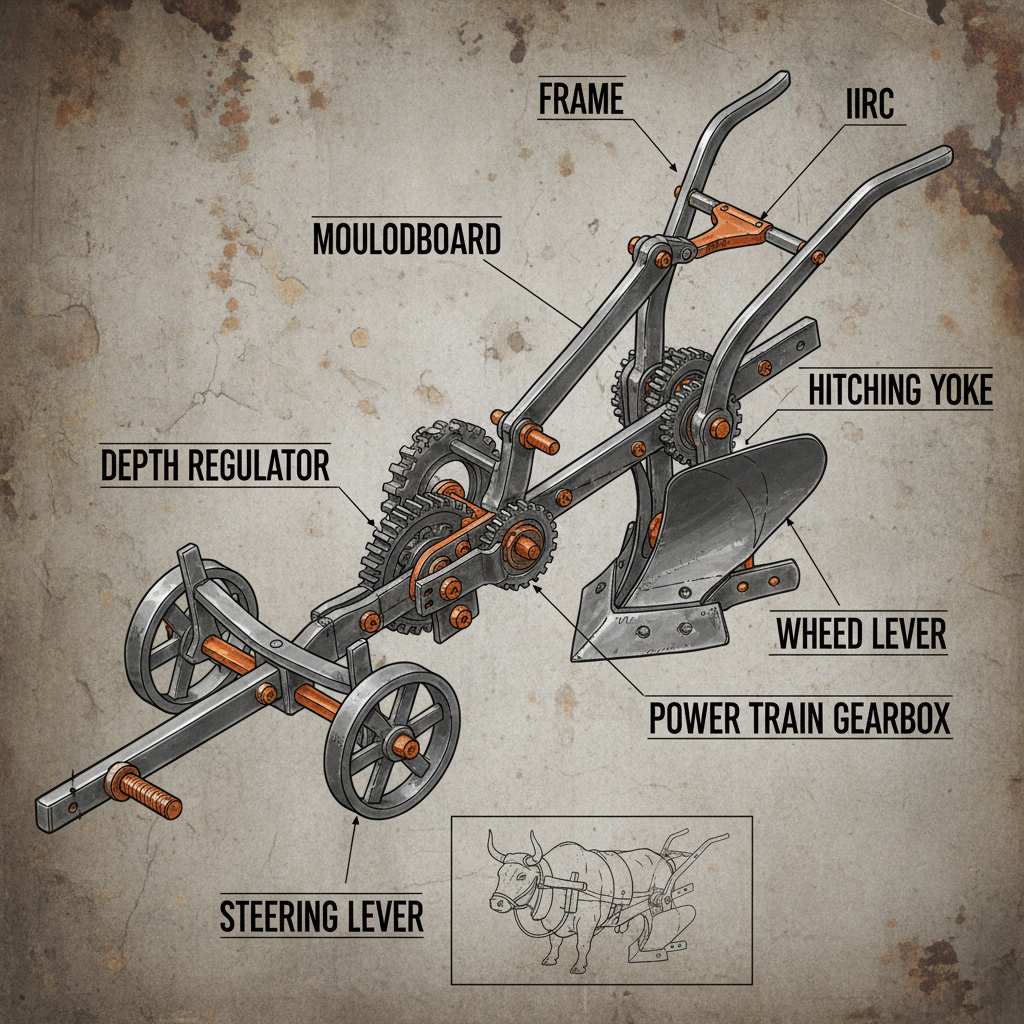
At its core, an ox drawn plough is a simple tool: a frame with a share (the blade that cuts the soil), a moldboard (which lifts and turns the soil), and a handle for the farmer to guide it. The power comes from a team of oxen (or other draft animals) harnessed to the plough. The beauty of this system is its simplicity and its reliance on readily available resources – wood, metal, and animal power.
Its connection to modern industry and humanitarian needs is surprisingly direct. In post-disaster situations, where infrastructure is damaged and access is limited, the ox drawn plough can be a vital tool for rapidly re-establishing food production. NGOs often provide ploughs and draft animals to communities recovering from natural disasters, allowing them to become self-sufficient once again. And in humanitarian aid, the ease of repair and resource availability are critical.
It's also relevant in the context of organic and sustainable farming movements. The minimal tillage approach associated with ox drawn ploughs helps to preserve soil structure, reduce erosion, and enhance soil fertility, all of which are key principles of sustainable agriculture. It avoids the compaction issues inherent in heavy machinery.
Key Components and Characteristics of an Effective ox drawn plough
The effectiveness of an ox drawn plough hinges on several core characteristics. Firstly, Durability is paramount. These tools need to withstand years of heavy use in challenging conditions. I’ve seen ploughs passed down through generations, and the quality of the materials and craftsmanship directly impacts their longevity. Secondly, Adjustability allows farmers to adapt the plough to different soil types and crop requirements.
Efficiency in terms of draft force is critical - minimizing the effort required from the oxen. This is achieved through careful design of the share and moldboard. Soil Penetration is key for proper tillage; a well-designed plough will penetrate the soil cleanly and efficiently. Ease of Repair is often overlooked, but vital - a plough that can be easily repaired with locally available materials is far more valuable than a sophisticated model that requires specialized parts and expertise.
Comparing Ox Drawn Plough Designs
Global Applications and Real-World Use Cases
In many parts of Africa, the ox drawn plough remains the primary method of tillage for smallholder farmers, particularly for crops like maize, sorghum, and millet. I’ve seen communities in Zambia and Zimbabwe where access to tractors is limited, and the ox-plough is the backbone of their agricultural economy. In Latin America, particularly in the Andean region, it's still used extensively for cultivating potatoes and other root crops on steep slopes.
In post-disaster relief operations, organizations like the FAO often provide ox drawn ploughs to help communities rebuild their agricultural infrastructure. It’s a quick and effective way to restore food production and prevent famine. I spent some time in Haiti after the earthquake, and witnessing the impact of a simple plough and a pair of oxen on a devastated community was incredibly moving.
Advantages and Long-Term Value Proposition
The advantages are clear. Cost-effectiveness is a major draw, especially for resource-constrained farmers. The initial investment is significantly lower than that of a tractor, and ongoing maintenance costs are also lower. Sustainability is another key benefit; it relies on renewable energy (animal power) and minimizes reliance on fossil fuels. The reduced soil compaction compared to heavy machinery promotes long-term soil health.
Beyond the tangible benefits, there's a significant social impact. It empowers communities, fosters self-reliance, and preserves traditional knowledge. It provides a sense of dignity and ownership. And from a long-term perspective, the ox drawn plough contributes to resilient farming systems that are better equipped to withstand climate change and other environmental challenges. It’s not just about growing food; it’s about building a sustainable future.
It’s about more than just yield. It's about the quality of life, the health of the soil, and the preservation of a cultural heritage. That's a value proposition you can't quantify on a spreadsheet.
Future Trends and Innovations in Traditional Farming Techniques
We’re seeing a resurgence of interest in integrating traditional farming techniques with modern technologies. This includes innovations in plough design – using lightweight, durable materials and optimizing the shape of the share and moldboard to improve efficiency. There's also research being done on improving animal traction – selecting breeds that are well-suited for draught work and optimizing their nutrition and health.
The use of digital technologies, such as GPS and precision farming techniques, is also being explored to enhance the efficiency of ox drawn ploughs. Imagine a system where farmers can use GPS to map their fields and optimize ploughing patterns to minimize soil compaction and maximize crop yields. It’s a surprisingly effective combination of old and new.
The growing emphasis on regenerative agriculture is also driving innovation in this area. Techniques like cover cropping and no-till farming, which complement the ox drawn plough’s minimal tillage approach, are gaining traction, promoting soil health and carbon sequestration.
Summary of Ox Drawn Plough Challenges and Potential Solutions
| Challenge |
Impact on ox drawn plough |
Potential Solution |
Implementation Difficulty (1-10) |
| Soil Compaction |
Reduces water infiltration and root growth. |
Improved plough design, reduced tillage practices. |
5 |
| Animal Welfare |
Overwork, poor nutrition, inadequate care. |
Improved animal husbandry practices, training for farmers. |
6 |
| Limited Functionality |
Can’t handle extremely heavy or rocky soils. |
Adapting plough design to specific soil conditions. |
7 |
| Skill Gap |
Loss of traditional knowledge and skills. |
Mentorship programs, knowledge transfer initiatives. |
4 |
| Access to Materials |
Difficulty sourcing durable materials for repairs. |
Local manufacturing of plough components. |
8 |
| Climate Change Impacts |
Increased frequency of droughts and floods. |
Integrating water conservation techniques, drought-resistant crops. |
9 |
FAQS
Regular maintenance is crucial for prolonging the life of an ox drawn plough. This includes sharpening the share, lubricating moving parts, inspecting and tightening bolts, and repairing any damage to the frame or moldboard. Wood components will need occasional replacement. A little preventative maintenance goes a long way, and I've seen farmers with ploughs that are decades old, still functioning perfectly because of diligent care. Using quality materials in the first place also helps immensely.
Generally, yes. Compared to tractors, ox drawn ploughs have a much lower carbon footprint, relying on renewable animal power. Minimal tillage practices, which are often associated with ox drawn ploughing, help preserve soil health, reduce erosion, and enhance biodiversity. However, it’s important to manage animal waste responsibly to prevent water pollution, and to ensure sustainable grazing practices. It’s a lower-impact system, but not impact-free.
Ox drawn ploughs work best in loam and clay loam soils. They can be used in sandy soils, but require more frequent passes and careful adjustment. Rocky or very compact soils can be challenging, and may require a more robust plough design or the use of subsoiling techniques to break up the compaction. The key is understanding your soil type and choosing a plough and technique that is appropriate.
The initial costs include the plough itself, a pair of oxen (or other draft animals), yokes, harnesses, and training for the animals and the farmer. Ongoing costs include animal feed, veterinary care, and maintenance of the plough. Compared to a tractor, the overall cost is significantly lower, especially in the long run. However, it does require a consistent investment of time and labor.
Tractor ploughing is generally faster, covering more ground in a shorter period. However, ox drawn ploughing can be more efficient in certain situations, such as small fields, steep slopes, or areas with limited access. The lower soil compaction associated with ox drawn ploughing can also lead to better long-term yields. It's not always about speed; it's about finding the most sustainable and appropriate solution for the specific context.
Several organizations offer training and resources on ox drawn ploughing, including the FAO, local agricultural extension services, and NGOs working in sustainable agriculture. Online resources, such as agricultural research papers and farmer forums, can also provide valuable information. There are also many experienced farmers who are willing to share their knowledge and expertise. It’s a learning process, and it’s important to seek out reliable information and guidance.
Conclusion
The ox drawn plough represents a powerful example of how traditional technologies can continue to play a vital role in addressing modern challenges. It’s a tool rooted in history, but with a surprising amount of relevance in today’s world. From its contribution to food security and sustainable agriculture to its cultural and social significance, the ox drawn plough embodies principles of resilience, self-reliance, and harmony with the land. It’s a reminder that innovation doesn’t always mean inventing something new, but often means rediscovering and adapting something old.
Looking ahead, the integration of traditional knowledge with modern technologies holds immense potential for improving agricultural practices and building more sustainable food systems. Investing in research, training, and support for smallholder farmers who rely on animal traction is crucial. To learn more about our work and explore solutions for sustainable agriculture, visit our website: ox drawn plough.