Look, sliding gate rollers. Seems simple, right? Just wheels on a track. But after years of crawling around construction sites, dealing with rusted metal and frustrated contractors, you realize it's… not. The demand’s gone through the roof lately. Everyone wants automated gates, fancier security. Used to be, a simple chain and padlock did the trick. Now? It’s all about speed, reliability, and, honestly, making things look good. To be honest, a lot of people don't realize how crucial these little guys are. A gate is only as good as the rollers underneath it.
Have you noticed how many "experts" design these things from an office? They spec out materials based on data sheets, not feel. I encountered this at a factory in Jiangsu last time. They were using a supposedly "high-strength" polymer for the rollers, and it felt… cheap. Like it would crumble if you looked at it wrong. Turns out, it didn’t handle the UV exposure very well. Everything cracked within six months. It's a common mistake, trusting the spec sheet over actual hands-on experience.
The biggest issue I see is underestimating load capacity. People are building bigger gates, heavier gates, and expecting these rollers to handle it without a second thought. We’re mostly working with steel – 45 steel is pretty standard, but increasingly, we’re getting requests for stainless steel, especially in coastal areas. That 304 stainless, feels slick, doesn't rust... smells kinda metallic, if you get close enough, which you usually don’t. Polyurethane is also big – gives a quieter ride, less wear and tear, but it’s softer, so you need to be careful about abrasion. And the bearings… that's where things get tricky.

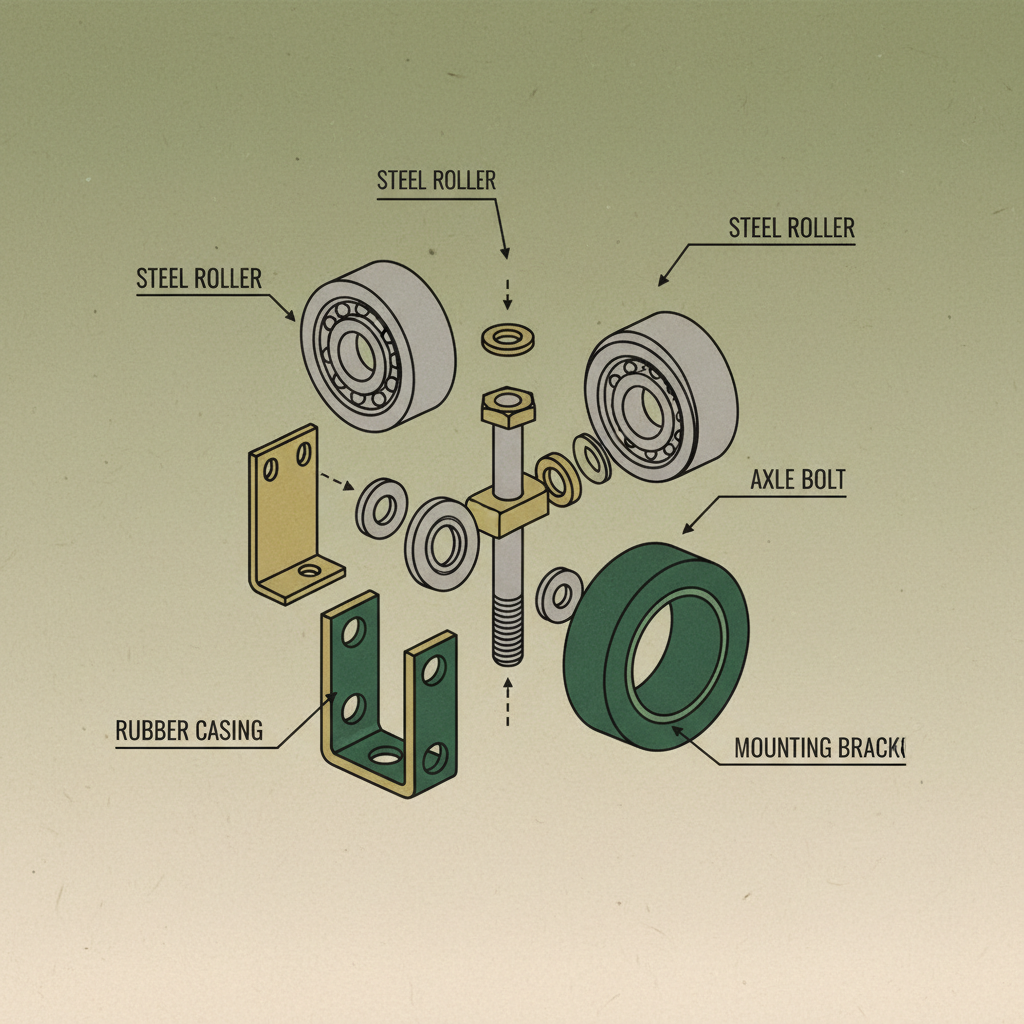
Strangely enough, a lot of the issues come down to installation. You can have the highest-quality rollers in the world, but if they’re not properly aligned on the track, they’re going to fail. It’s not rocket science, but you’d be surprised… Contractors rushing the job, not taking the time to level things properly. It’s always the little things, right? And the dirt! Dust, grit, everything gets into the bearings, grinding them down. Regular maintenance is key, but who actually does regular maintenance?
Anyway, I think the biggest trend now is towards quieter operation. People don’t want their gates sounding like a freight train every time they open and close. That's driving demand for polyurethane rollers and better bearing designs. And remote control operation, of course. Everyone wants to open their gate with their phone.
That's a tough one, honestly. It really depends on the environment, the load, and how well they're maintained. In a typical residential setting, you can expect 5-10 years. But in a harsh coastal environment or with heavy use, they might only last 2-3 years. Regular lubrication is key – at least twice a year. And check for corrosion, especially if you're near saltwater. We've seen rollers fail after just a year if they're neglected.
First, you need to know the weight of your gate. Then, you need to choose rollers that have a load capacity that’s at least 20% higher than the gate’s weight. You also need to consider the gate’s width and the track length. Wider gates and longer tracks require more rollers. It's always better to overestimate than underestimate. A good rule of thumb is to use at least one roller per meter of gate width.
Ball bearings are better for high-speed, low-load applications, while roller bearings are better for high-load, low-speed applications. In sliding gates, roller bearings are generally preferred because they can handle the weight of the gate and provide a more stable ride. However, ball bearings are quieter, which can be a consideration for residential applications. It's a trade-off.
Most likely, the rollers need lubrication. Try applying a good quality grease to the bearings. If that doesn't fix the problem, the bearings might be worn out and need to be replaced. Also, check the track for dirt and debris. A dirty track can cause the rollers to bind and squeak. Don't ignore the noise – it's a sign that something is wrong and needs to be addressed.
Polyurethane rollers are more expensive than steel rollers, but they offer several advantages. They’re quieter, they provide better grip, and they’re more resistant to wear and tear. If you’re looking for a smooth, quiet, and long-lasting solution, polyurethane rollers are worth the investment. Especially if the gate is in a residential area where noise is a concern.
If you live near the coast, choose stainless steel rollers. Otherwise, regular maintenance is key. Apply a rust-inhibiting coating to the rollers at least once a year. And keep the track clean and free of debris. Saltwater is particularly corrosive, so if you’re near the ocean, you need to be extra vigilant about preventing rust. Hot-dip galvanizing is another good option for protecting against rust.
So, sliding gate rollers. They seem simple, but there's a lot more to them than meets the eye. Choosing the right materials, understanding the load capacity, and performing regular maintenance are all crucial for ensuring a smooth, reliable, and long-lasting gate. It’s about more than just the wheels; it’s about the whole system.
Ultimately, whether this thing works or not, the worker will know the moment he tightens the screw. It's a gut feeling, a sense of solidity, a quiet confidence that it’s going to hold. Because at the end of the day, it’s not about the fancy specs or the clever designs. It's about making something that lasts.