

Understanding the Versatility and Applications of Iron Pieces in Modern Industries
Understanding the Versatility of Iron Pieces
Iron pieces are fundamental building blocks across countless industries, from construction and manufacturing to art and infrastructure. Their strength, durability, and cost-effectiveness make them an indispensable material. This article delves into the various types, applications, and benefits of iron pieces, showcasing their importance in the modern world. We’ll explore how companies like TJJ Iron Casting specialize in producing high-quality iron components for a global market. Understanding the nuances of iron pieces is vital for professionals and businesses alike.
Types of Iron Pieces
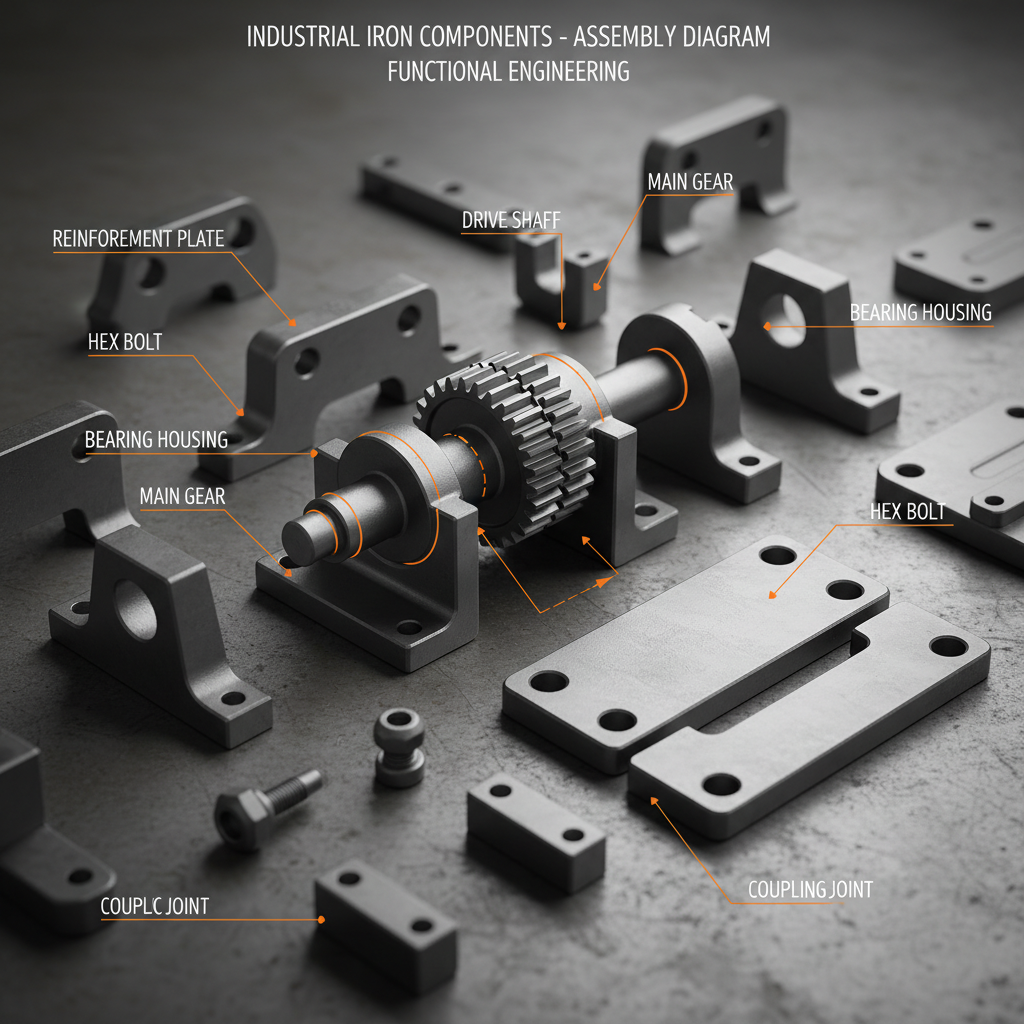
Iron pieces aren't a monolithic category. They come in various forms, each with unique properties and applications. Common types include cast iron pieces, forged iron components, wrought iron elements, and ductile iron castings. TJJ Iron Casting focuses on producing precision castings, ensuring consistent quality and dimensional accuracy. The choice of iron type depends heavily on the desired strength, ductility, and machinability of the final product.
Key Highlights: Iron's inherent strength and relatively low cost make it a versatile material for a vast array of applications.
Applications Across Industries
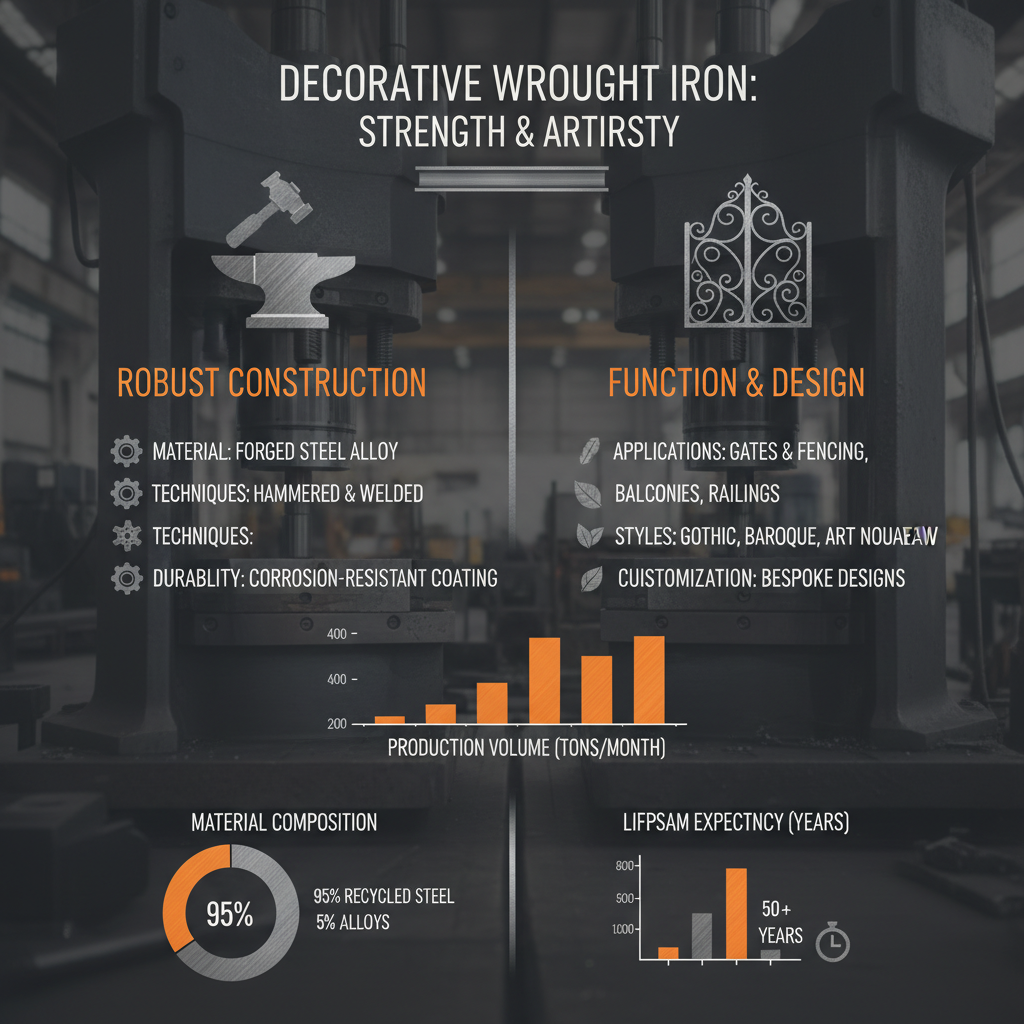
The applications of iron pieces are incredibly diverse. In construction, they are used for pipes, fittings, and structural components. Manufacturing utilizes them for machine parts, engine blocks, and tooling. The automotive industry relies on iron castings for engine components, brake rotors, and exhaust manifolds. Furthermore, artistic ironwork, like gates, railings, and sculptures, demonstrates the material's aesthetic versatility. TJJ Iron Casting provides solutions for a wide spectrum of these industries.
Application Benefits:
• High Strength and Durability
• Cost-Effectiveness
• Versatility in Manufacturing
• Excellent Machinability
Iron Pieces: A Comparative Look at Different Grades
Different grades of iron offer varying characteristics. Gray iron is known for its damping capacity, making it ideal for machine bases. Ductile iron possesses higher strength and ductility compared to gray iron, making it suitable for components requiring impact resistance. White iron is extremely hard and abrasion-resistant, often used in applications like mill liners. Understanding these differences is crucial for selecting the appropriate material for a specific application. TJJ Iron Casting experts can help you navigate these choices.
The Role of Precision Casting in Iron Piece Production
Precision casting is a crucial process for creating complex iron pieces with tight tolerances. This method involves pouring molten iron into a mold designed with high accuracy. TJJ Iron Casting utilizes advanced casting techniques, including sand casting, investment casting, and die casting, to meet diverse customer requirements. The benefits of precision casting include reduced material waste, improved surface finish, and the ability to create intricate geometries.
Global Trade and Iron Piece Sourcing
The global market for iron pieces is substantial, with significant trade flows between countries. China, India, and the United States are major producers and consumers. Sourcing iron pieces internationally requires careful consideration of factors like quality control, logistics, and compliance with international standards. TJJ Iron Casting serves a global clientele, offering reliable sourcing and ensuring adherence to stringent quality standards.
Conclusion: The Enduring Importance of Iron Pieces
Iron pieces remain indispensable to a vast range of industries, demonstrating exceptional versatility, strength, and cost-effectiveness. Companies like TJJ Iron Casting play a vital role in supplying high-quality components to a global market. By understanding the different types, applications, and manufacturing processes, businesses can leverage the full potential of this essential material.
Frequently Asked Questions (FAQs)
What are the environmental considerations when working with iron?
Iron is a relatively sustainable material as it's highly recyclable. However, the production of iron can have environmental impacts related to energy consumption and emissions. Responsible manufacturers, like TJJ Iron Casting, prioritize energy-efficient processes and implement pollution control measures. Recycling iron pieces significantly reduces the demand for virgin ore and minimizes environmental harm. Proper waste management and adherence to environmental regulations are crucial for minimizing the ecological footprint of iron production and usage.
How does TJJ Iron Casting ensure quality control?
TJJ Iron Casting employs a comprehensive quality control system throughout the entire production process. This includes rigorous material inspection, dimensional checks, and non-destructive testing methods like ultrasonic testing and radiographic inspection. We adhere to international quality standards, such as ISO 9001, and maintain a dedicated quality control team. Our commitment to quality ensures that every iron piece meets the exact specifications and performance requirements of our customers.
What is the lead time for custom iron piece orders?
The lead time for custom iron piece orders depends on factors such as the complexity of the design, the quantity required, and our current production schedule. Typically, lead times range from 4 to 8 weeks. We provide detailed timelines during the quoting process and maintain open communication with our clients throughout the production cycle. We strive to deliver orders on time and within budget, while maintaining the highest quality standards.
Can TJJ Iron Casting handle large-volume orders?
Yes, TJJ Iron Casting is equipped to handle both small-batch and large-volume orders. We have the capacity and expertise to manage projects of any scale, providing consistent quality and timely delivery. Our flexible manufacturing processes allow us to adapt to varying customer needs. We work closely with our clients to optimize production schedules and ensure efficient order fulfillment.
-
Understanding Iron is What Type of Element and Its PropertiesNewsApr.16,2026
-
How to Identify Prevent and Remove Wrought Iron Rust EffectivelyNewsApr.09,2026
-
Enhance Your Property with Durable and Stylish Iron Gate HandlesNewsApr.07,2026
-
Understanding Wrought Iron vs Iron Properties and ApplicationsNewsApr.04,2026
-
Elevate Your Property with Stunning Gate Wrought Iron Design OptionsNewsMar.31,2026
-
The Enduring Appeal of Ornamental Wrought Iron for Elegant DesignNewsMar.28,2026
-
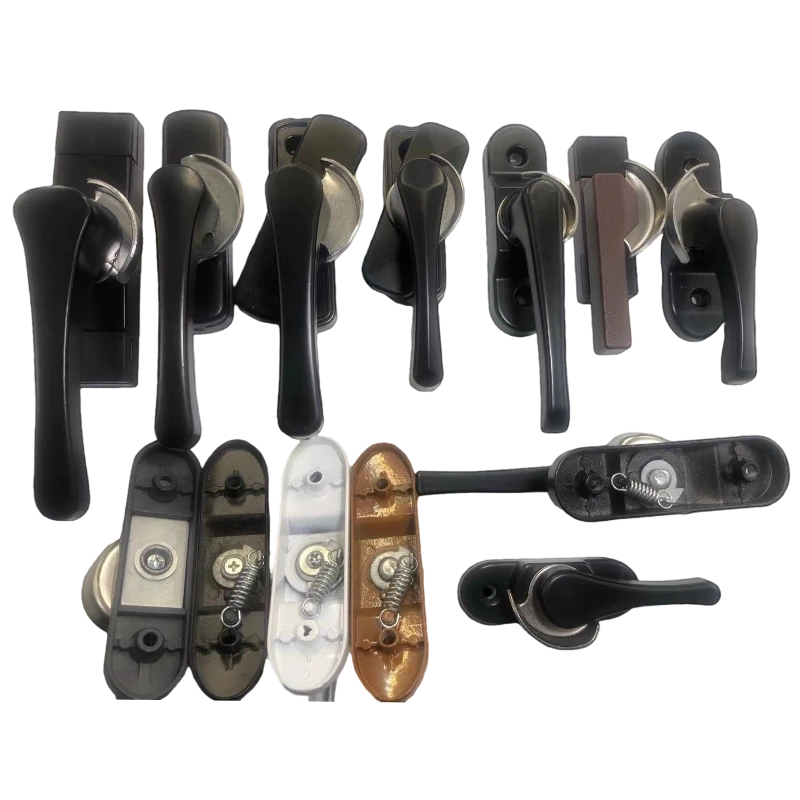 Aluminum Ally door and window handle
+
-
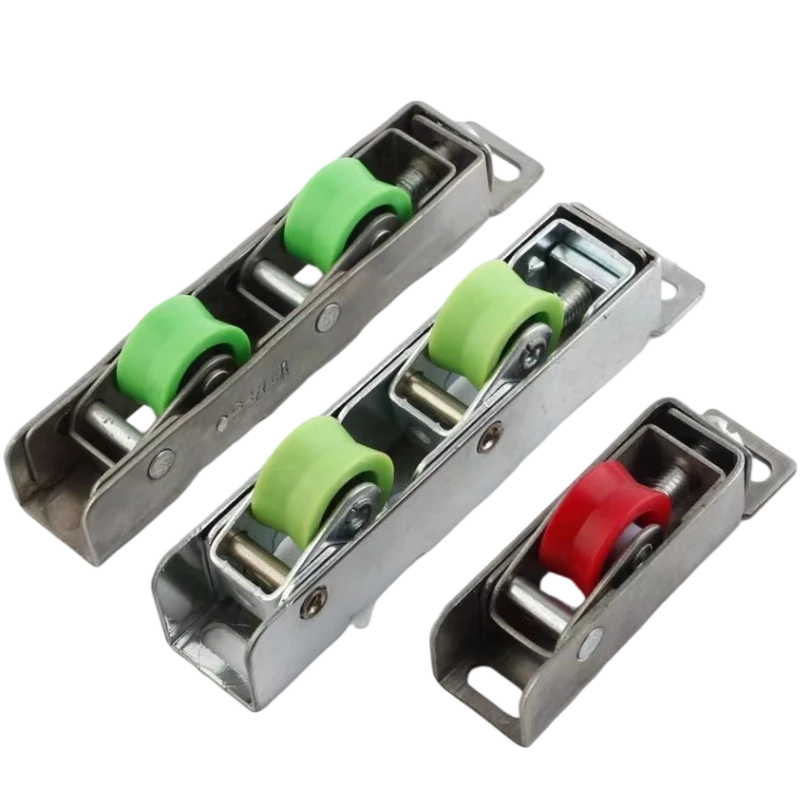 Sliding door window wheel rollers
+
-
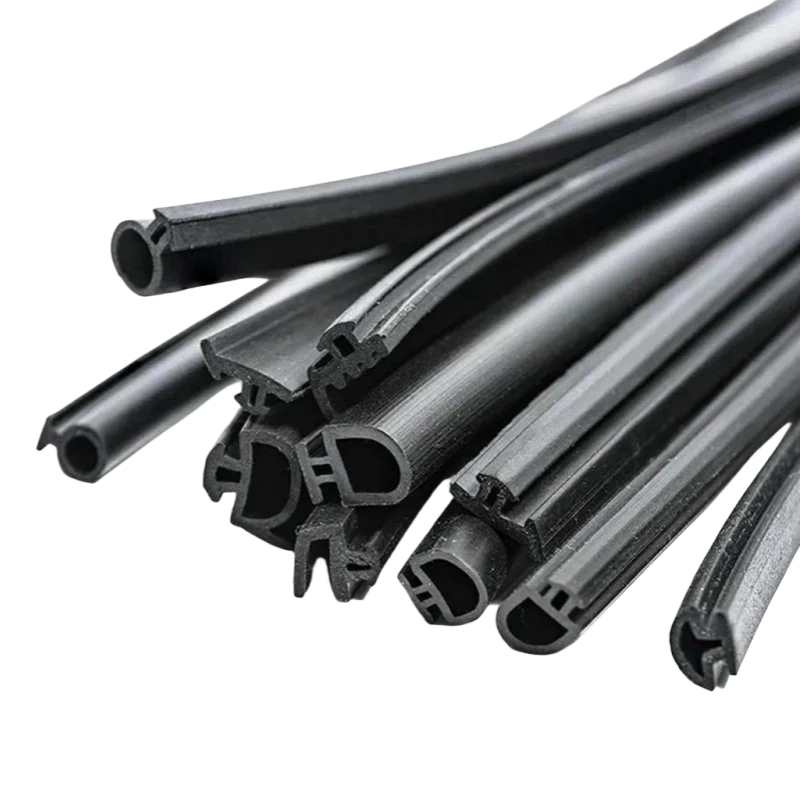 rubber window seal
+
-
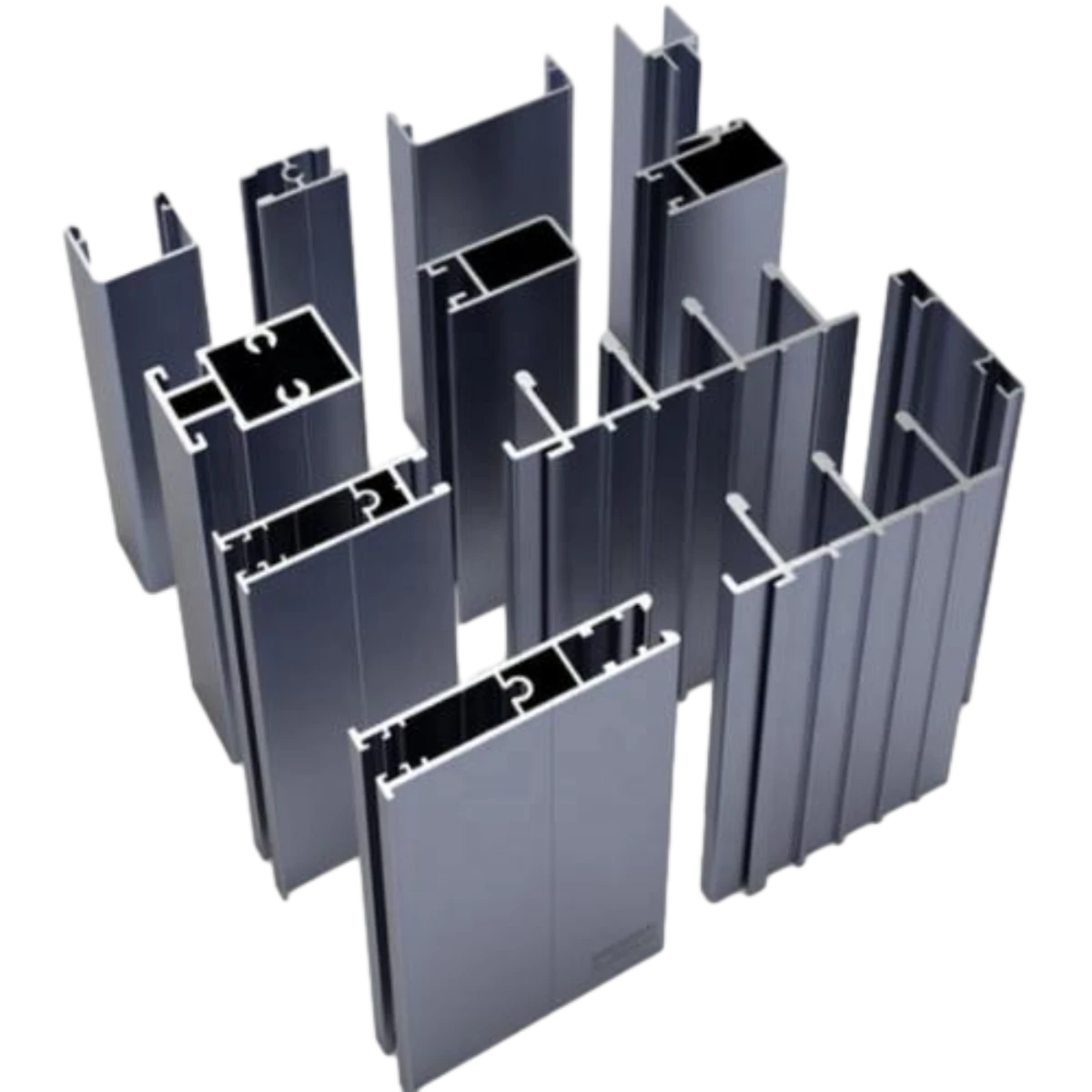 Aluminium Windows Profiles
+
-
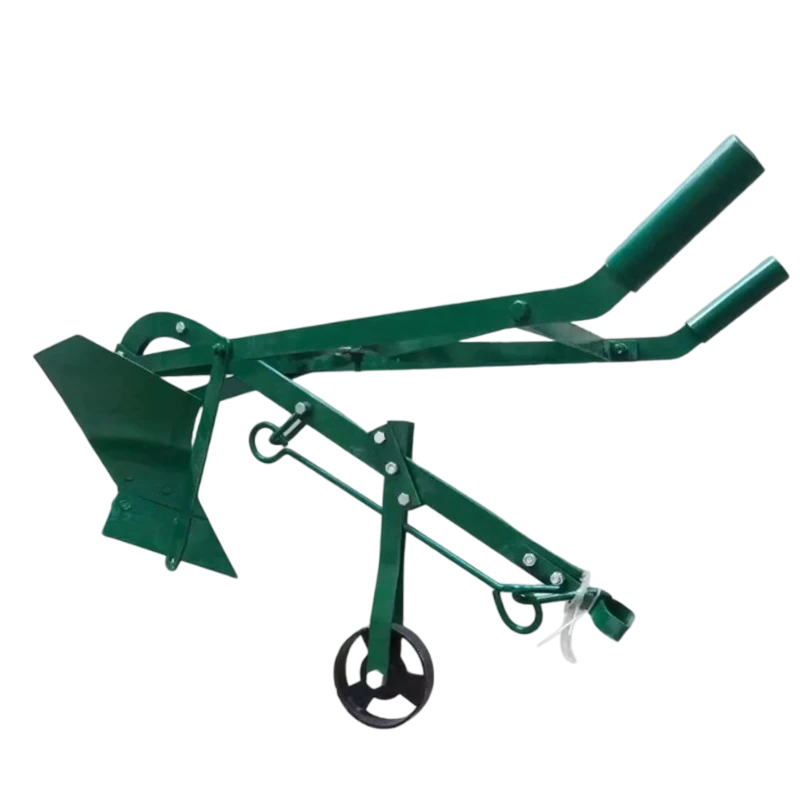 animal drawn plough plows
+
-
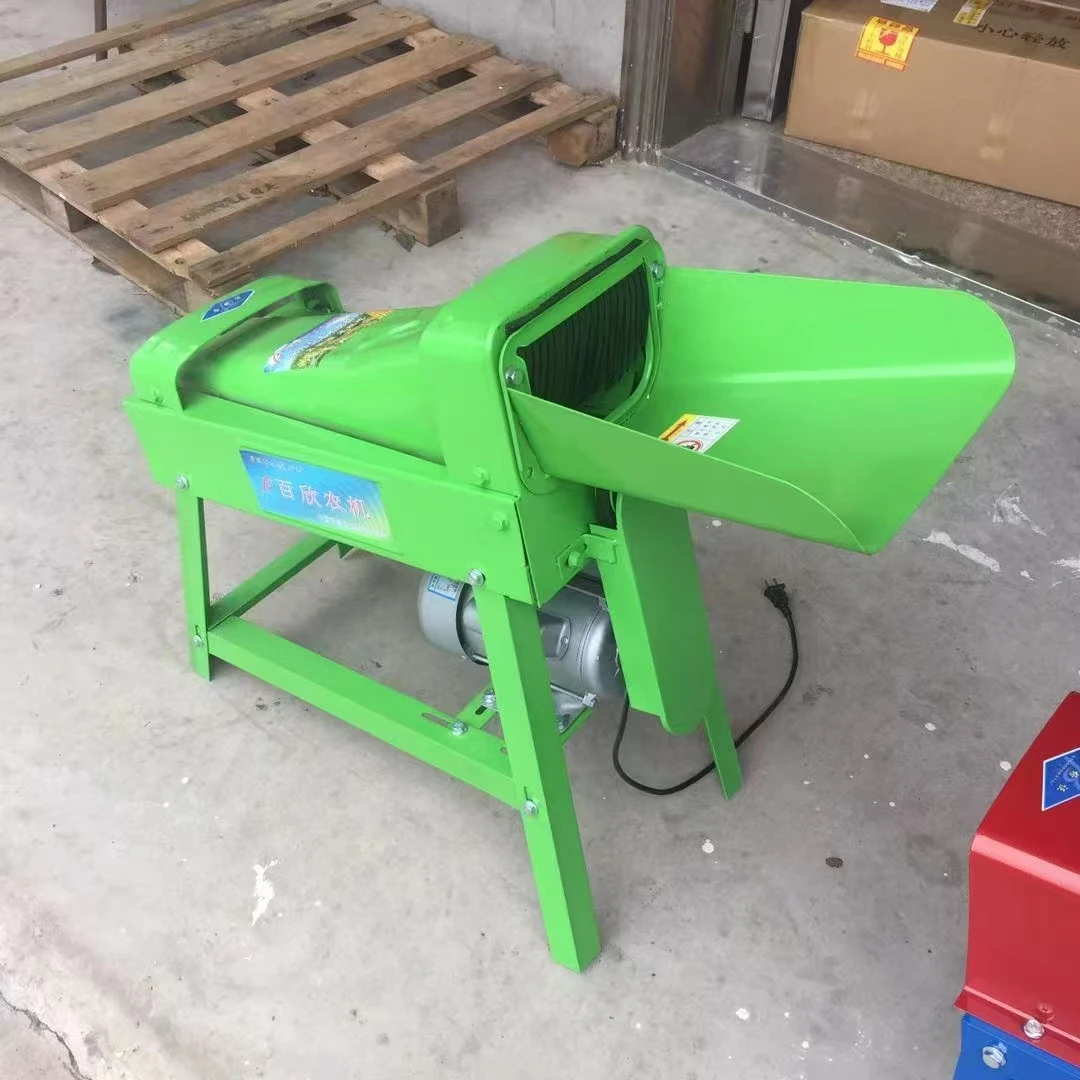 Thresher Machine
+
-
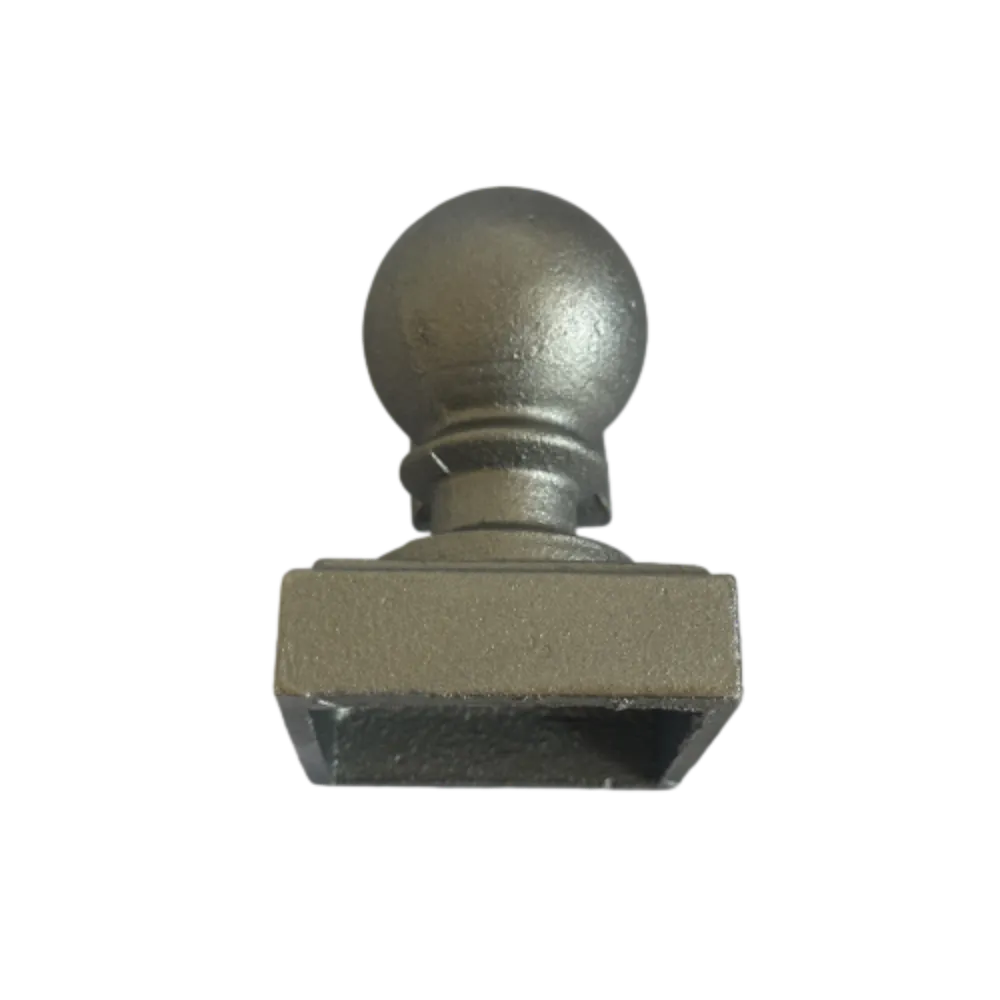 Cast Iron Post Caps
+
-
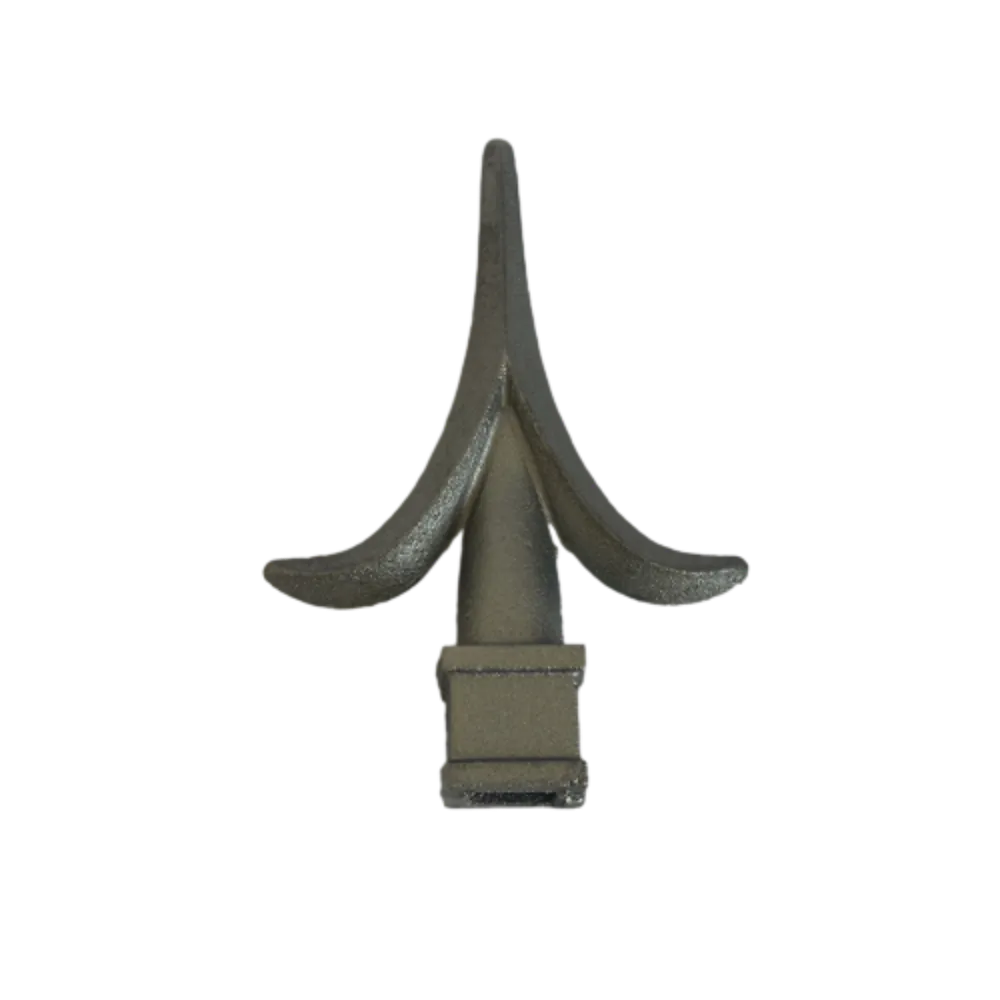 Cast Iron Spear Point Finial
+
-
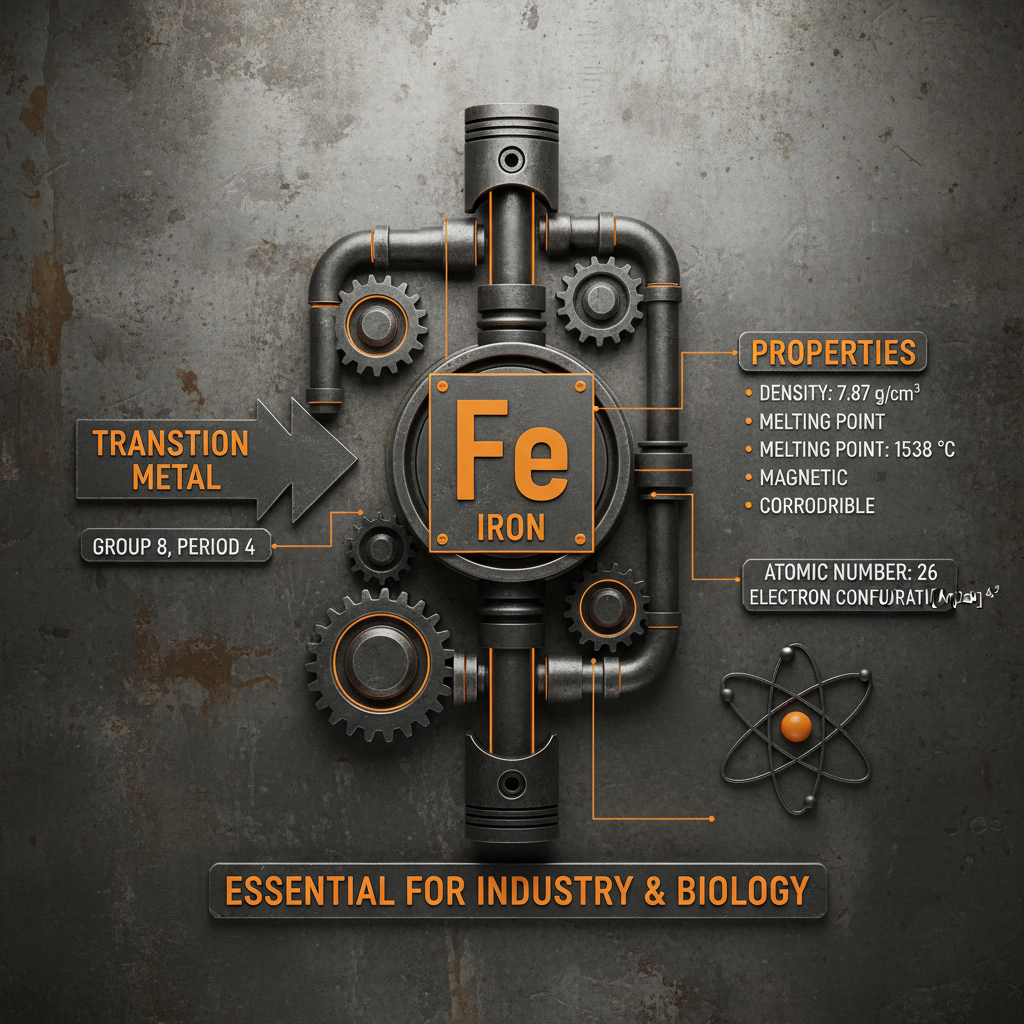 Understanding Iron is What Type of Element and Its PropertiesApr-16-2026Understanding Iron is What Type of Element and Its Properties
 -
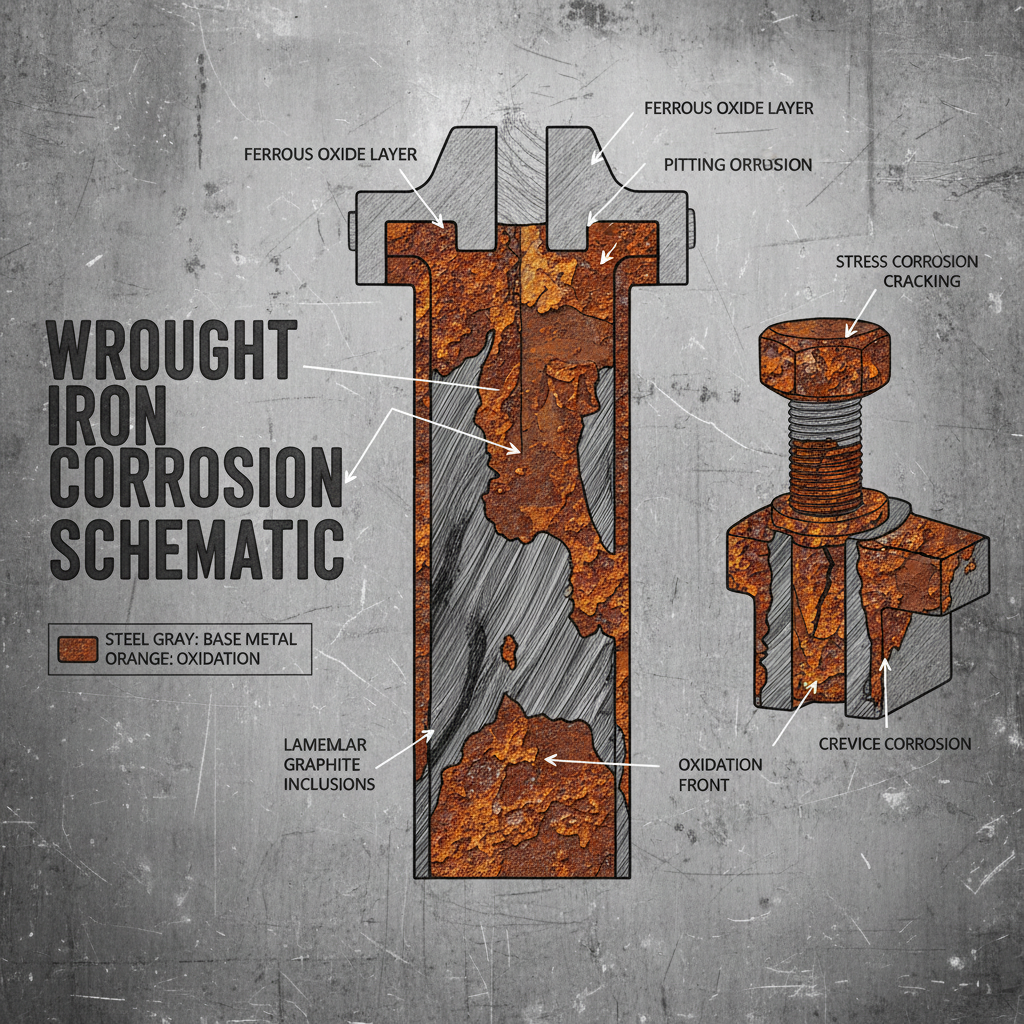 How to Identify Prevent and Remove Wrought Iron Rust EffectivelyApr-09-2026How to Identify Prevent and Remove Wrought Iron Rust Effectively
 -
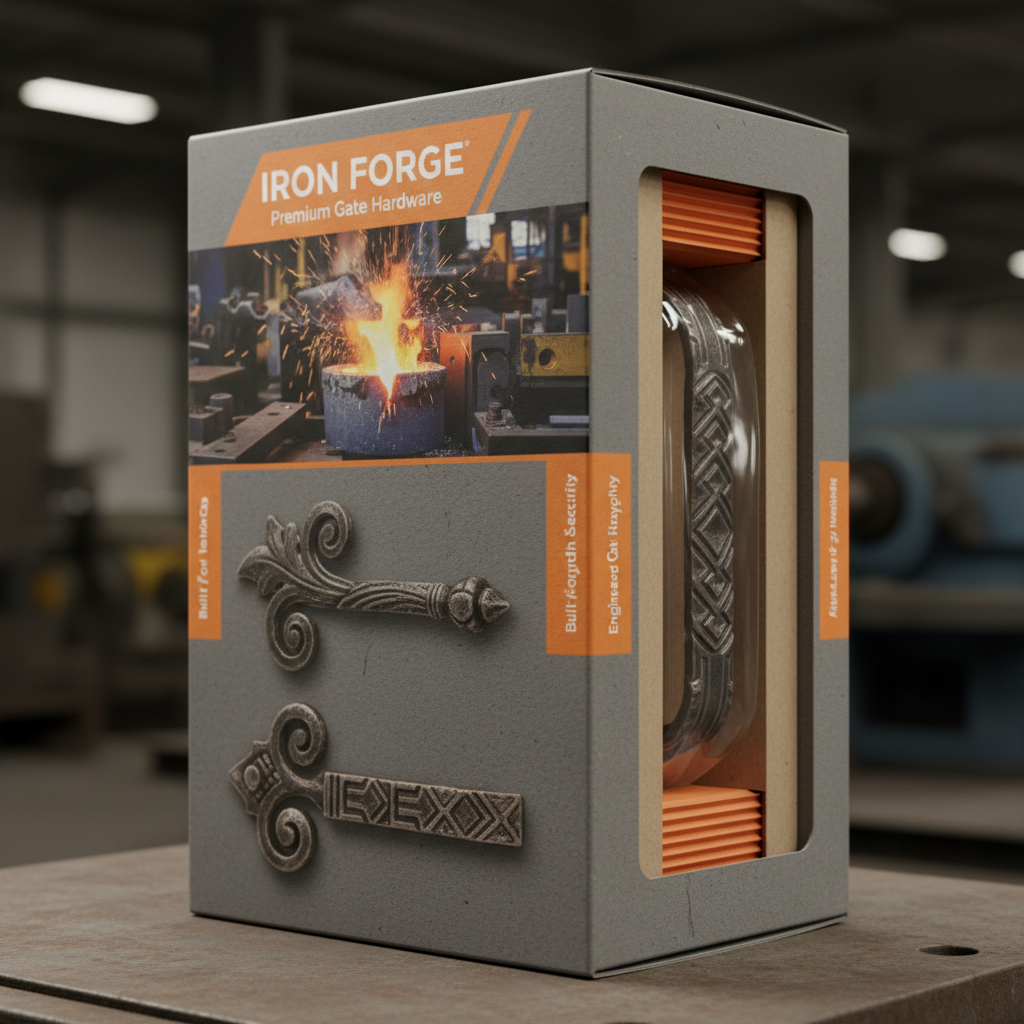 Enhance Your Property with Durable and Stylish Iron Gate HandlesApr-07-2026Enhance Your Property with Durable and Stylish Iron Gate Handles


