

Exploring the Timeless Beauty of Decorative Ironwork and Modern Casting Techniques
Exploring the Art of Decorative Ironwork
Decorative ironwork has graced buildings and landscapes for centuries, evolving from purely functional elements to stunning artistic statements. From intricate gates and railings to elegant balconies and bespoke furniture, the versatility of wrought iron continues to captivate. At TJ Iron Casting, we specialize in bringing these timeless designs to life with precision and artistry. This article delves into the world of decorative ironwork, exploring its history, applications, modern techniques, and the advantages of choosing a skilled casting partner.
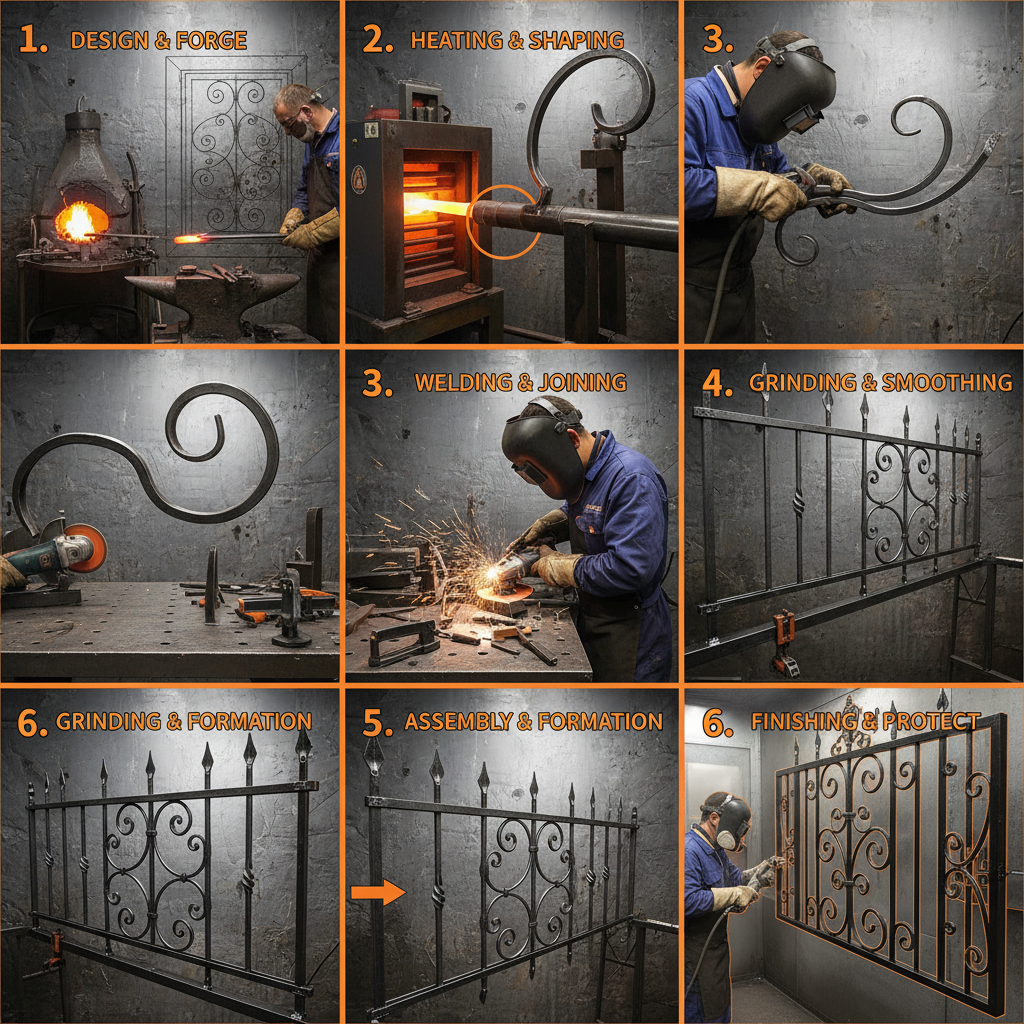
A Historical Perspective on Decorative Ironwork
The use of iron for decorative purposes dates back to ancient civilizations. The Romans were renowned for their iron gates and railings, while medieval blacksmiths crafted intricate ornamentation for churches and castles. The Victorian era saw a resurgence in ironwork's popularity, with elaborate designs becoming a hallmark of the period. These historical pieces often featured floral motifs, geometric patterns, and heraldic symbols, showcasing the skill and creativity of the artisans. Today, these influences continue to inspire modern ironwork designs, blending traditional techniques with contemporary aesthetics.
Key Highlights: Decorative ironwork has a rich history spanning centuries, continually evolving through different eras and styles. It's a testament to the enduring appeal of handcrafted artistry.
Applications of Decorative Ironwork
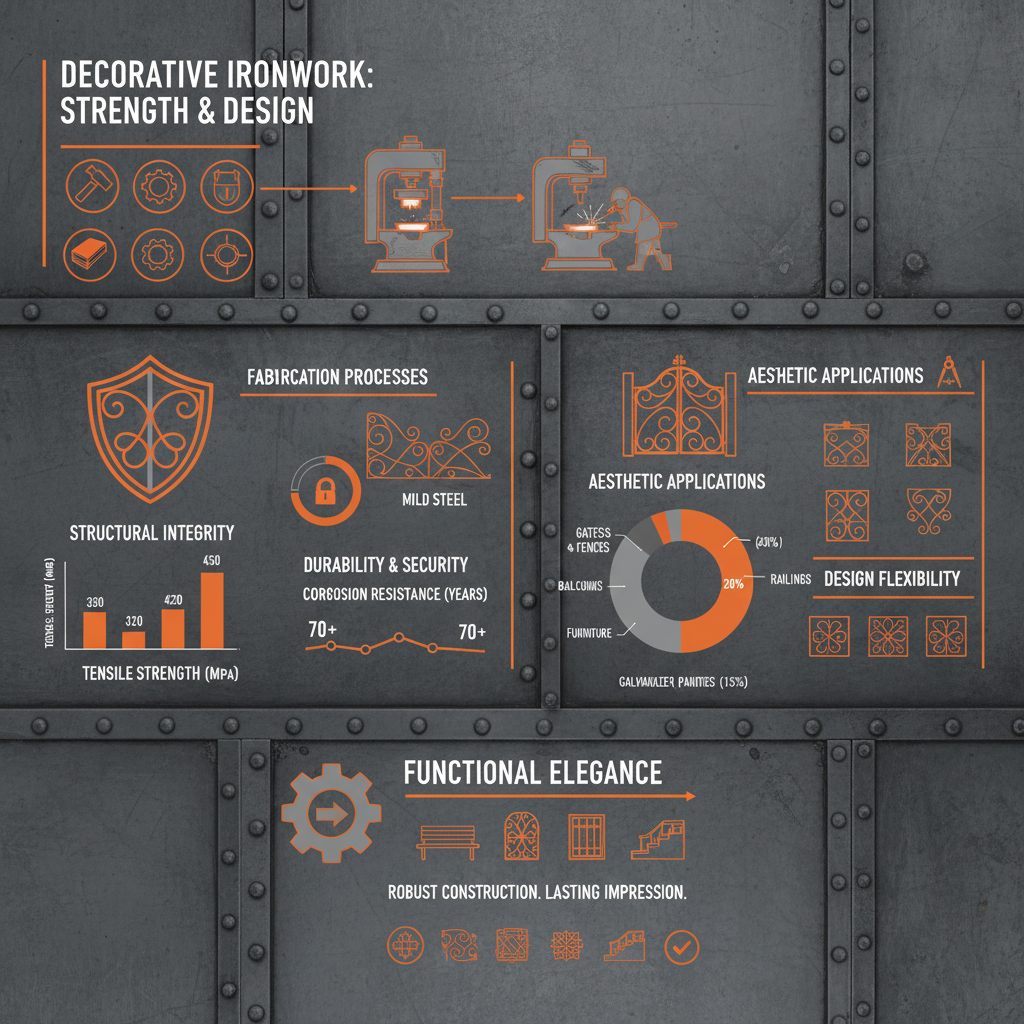
The applications of decorative ironwork are incredibly diverse. Common uses include: gates and fences, railings, balconies, window boxes, lighting fixtures, furniture (chairs, tables, beds), fireplace screens, and garden ornaments. Its durability and resistance to weathering make it ideal for both interior and exterior applications. The ability to customize designs allows ironwork to seamlessly integrate with various architectural styles, from classic to modern. Whether it's a grand entrance gate or a delicate floral arrangement, decorative ironwork adds a touch of elegance and sophistication to any space.
Application Benefits:
• Enhances architectural aesthetics
• Provides long-lasting durability
• Adds a touch of elegance and sophistication
• Customizable to suit various styles
Modern Techniques in Decorative Ironwork
While traditional blacksmithing techniques are still valued, modern decorative ironwork increasingly incorporates advanced methods like CAD (Computer-Aided Design) and CNC (Computer Numerical Control) machining. CAD allows for intricate designs to be created digitally, while CNC machining enables precise cutting, shaping, and welding of iron components. These technologies improve efficiency, accuracy, and repeatability, enabling the production of complex designs with greater consistency. At TJ Iron Casting, we leverage these technologies alongside skilled craftsmanship to deliver exceptional results.
The Advantages of Iron Casting for Decorative Elements
Iron casting offers several advantages over traditional forging or fabrication methods for decorative ironwork. It allows for the creation of intricate designs with complex geometries, enabling a higher level of detail and artistic expression. Casting also provides excellent dimensional accuracy and repeatability, ensuring consistency across multiple pieces. Furthermore, it's suitable for both small-scale, bespoke projects and large-scale production runs. Choosing a reliable iron casting partner, like TJ Iron Casting, ensures high-quality components and efficient project execution.
Choosing the Right Iron Casting Partner
Selecting a reputable iron casting partner is crucial for ensuring the success of your decorative ironwork project. Look for a company with a proven track record of quality, experience, and technical expertise. Consider their capabilities in design, casting, machining, and finishing. Effective communication, adherence to timelines, and a commitment to customer satisfaction are also essential qualities. TJ Iron Casting offers comprehensive iron casting solutions, from initial design consultation to final product delivery, helping you bring your vision to life.
Conclusion: Elevate Your Designs with Decorative Ironwork
Decorative ironwork offers a timeless blend of artistry, durability, and versatility. Whether you're looking to enhance the aesthetic appeal of a building, create stunning garden features, or craft bespoke furniture, ironwork provides endless possibilities. Partnering with an experienced iron casting company like TJ Iron Casting ensures you receive high-quality components and expert guidance throughout the entire process.
Frequently Asked Questions (FAQs)
What types of iron are commonly used in decorative ironwork?
Wrought iron was traditionally favored for its malleability and ability to hold intricate details. However, modern decorative ironwork often utilizes cast iron and steel. Cast iron is ideal for complex shapes and designs, while steel offers greater strength and durability. The choice of material depends on the specific application and design requirements. At TJ Iron Casting, we work with a variety of iron alloys to meet diverse project needs, including ductile iron, grey iron, and steel.
What is the typical lead time for a custom decorative ironwork project?
The lead time varies depending on the complexity of the design, the quantity of pieces required, and current production schedules. A simple design with a small quantity might take 4-6 weeks, while a more intricate project with a larger quantity could take 8-12 weeks or longer. We provide a detailed timeline and regular updates throughout the process to ensure transparency and timely delivery. We recommend contacting us with your specific requirements for an accurate estimate.
How can I protect my decorative ironwork from rust?
Iron is susceptible to rust, especially in outdoor environments. Regular maintenance is key to protecting your investment. Applying a protective coating, such as paint, powder coating, or sealant, can create a barrier against moisture. For exterior pieces, consider galvanizing the iron before applying a coating. Regular cleaning and inspection for any signs of rust are also important. Promptly address any rust spots to prevent further corrosion.
-
Understanding Iron is What Type of Element and Its PropertiesNewsApr.16,2026
-
How to Identify Prevent and Remove Wrought Iron Rust EffectivelyNewsApr.09,2026
-
Enhance Your Property with Durable and Stylish Iron Gate HandlesNewsApr.07,2026
-
Understanding Wrought Iron vs Iron Properties and ApplicationsNewsApr.04,2026
-
Elevate Your Property with Stunning Gate Wrought Iron Design OptionsNewsMar.31,2026
-
The Enduring Appeal of Ornamental Wrought Iron for Elegant DesignNewsMar.28,2026
-
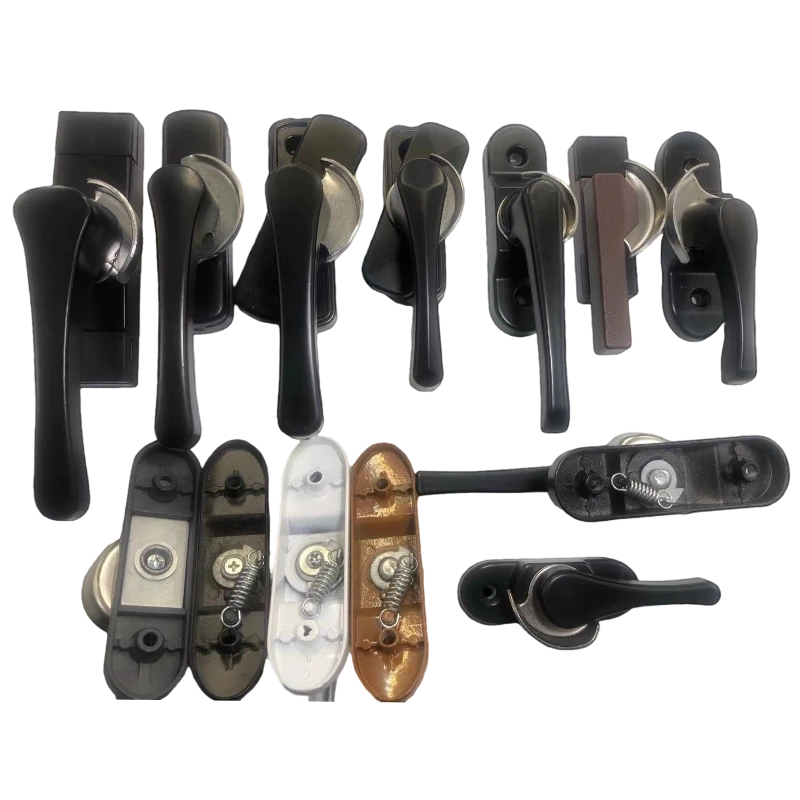 Aluminum Ally door and window handle
+
-
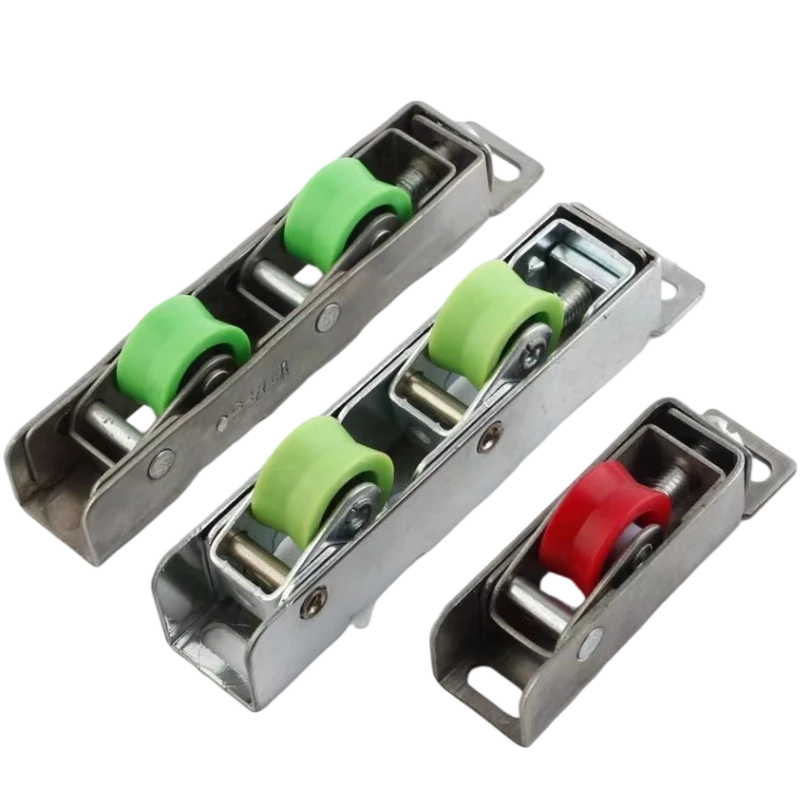 Sliding door window wheel rollers
+
-
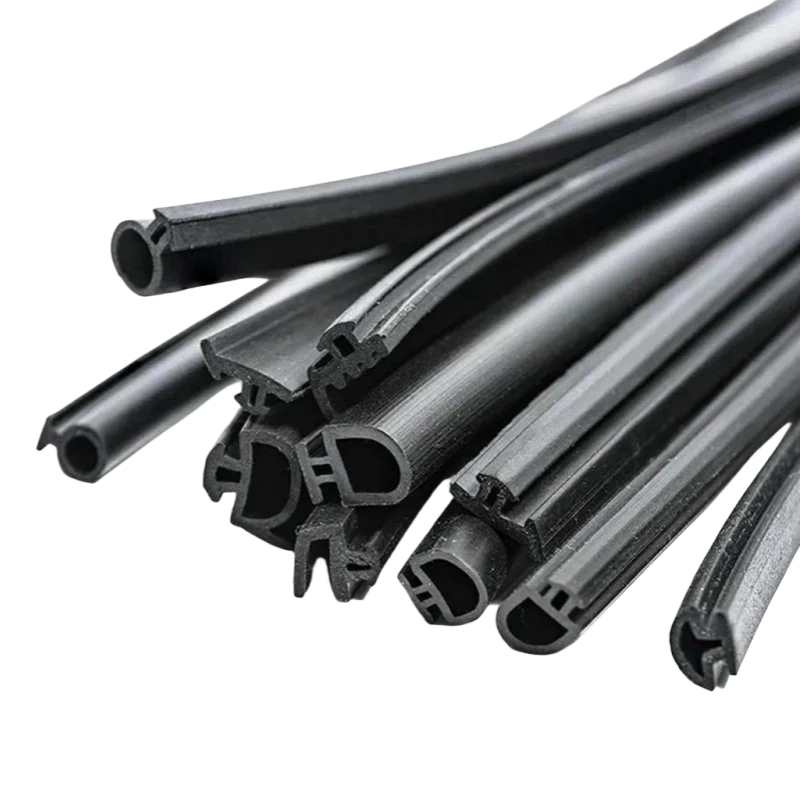 rubber window seal
+
-
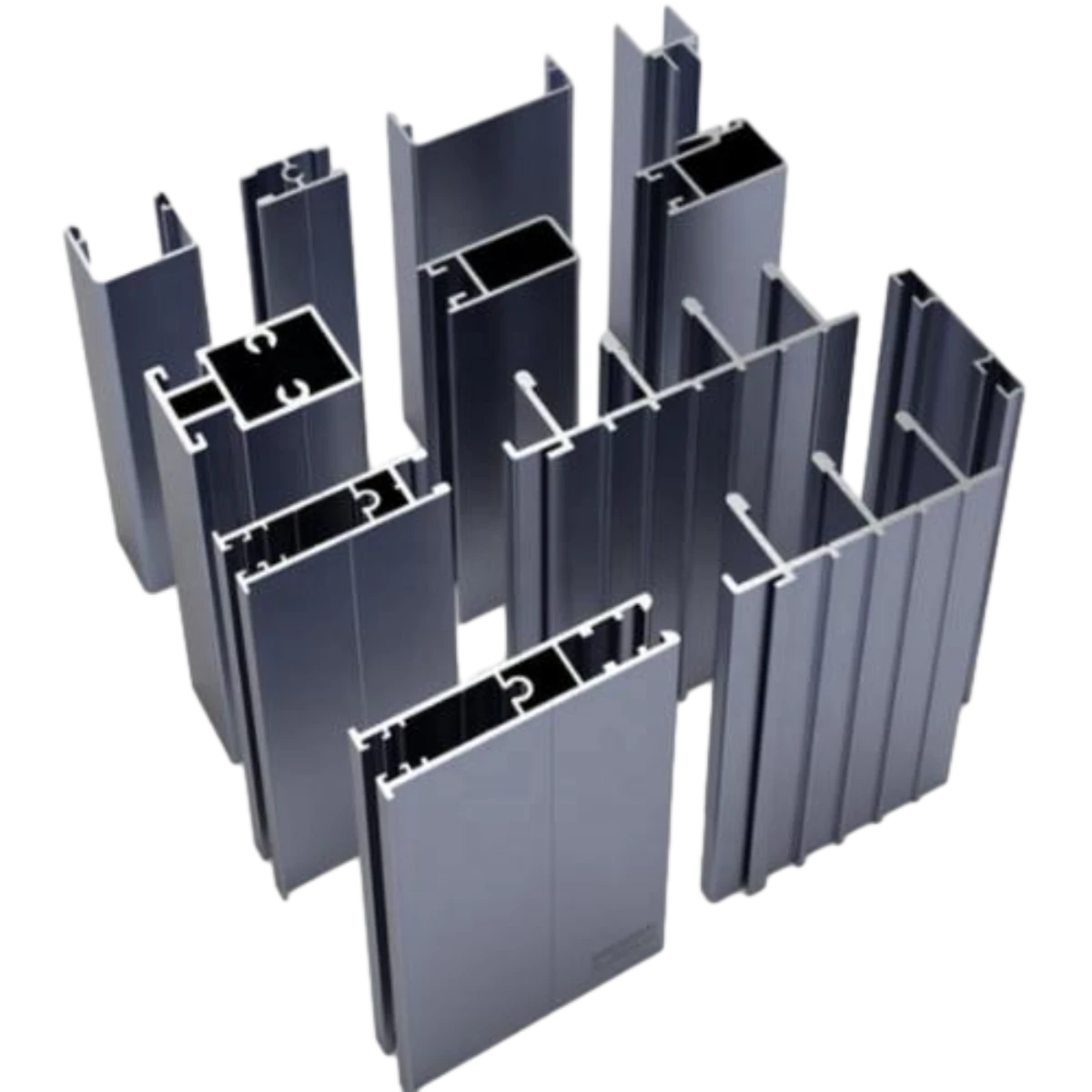 Aluminium Windows Profiles
+
-
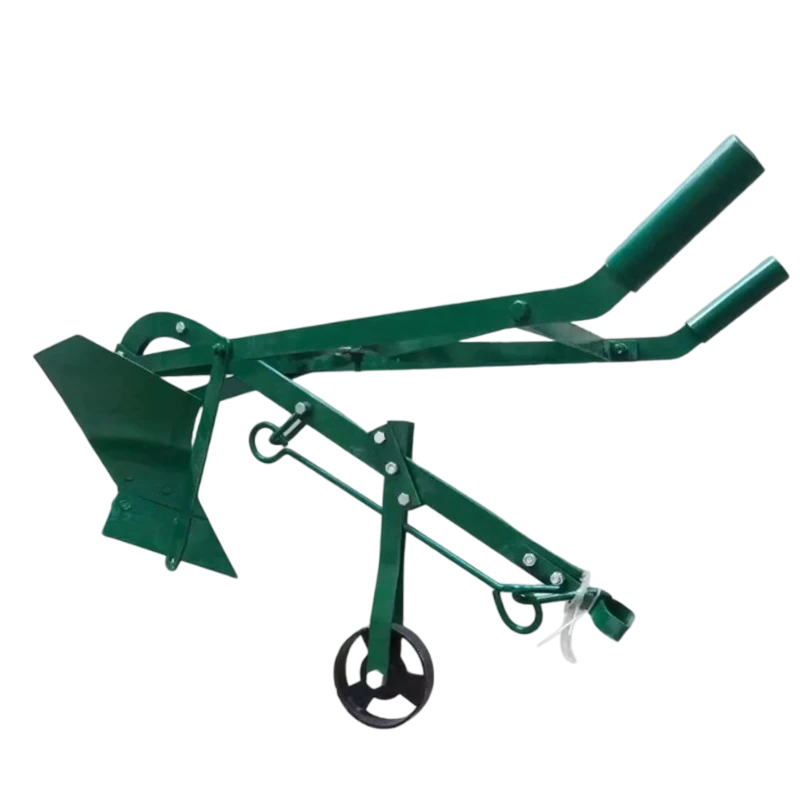 animal drawn plough plows
+
-
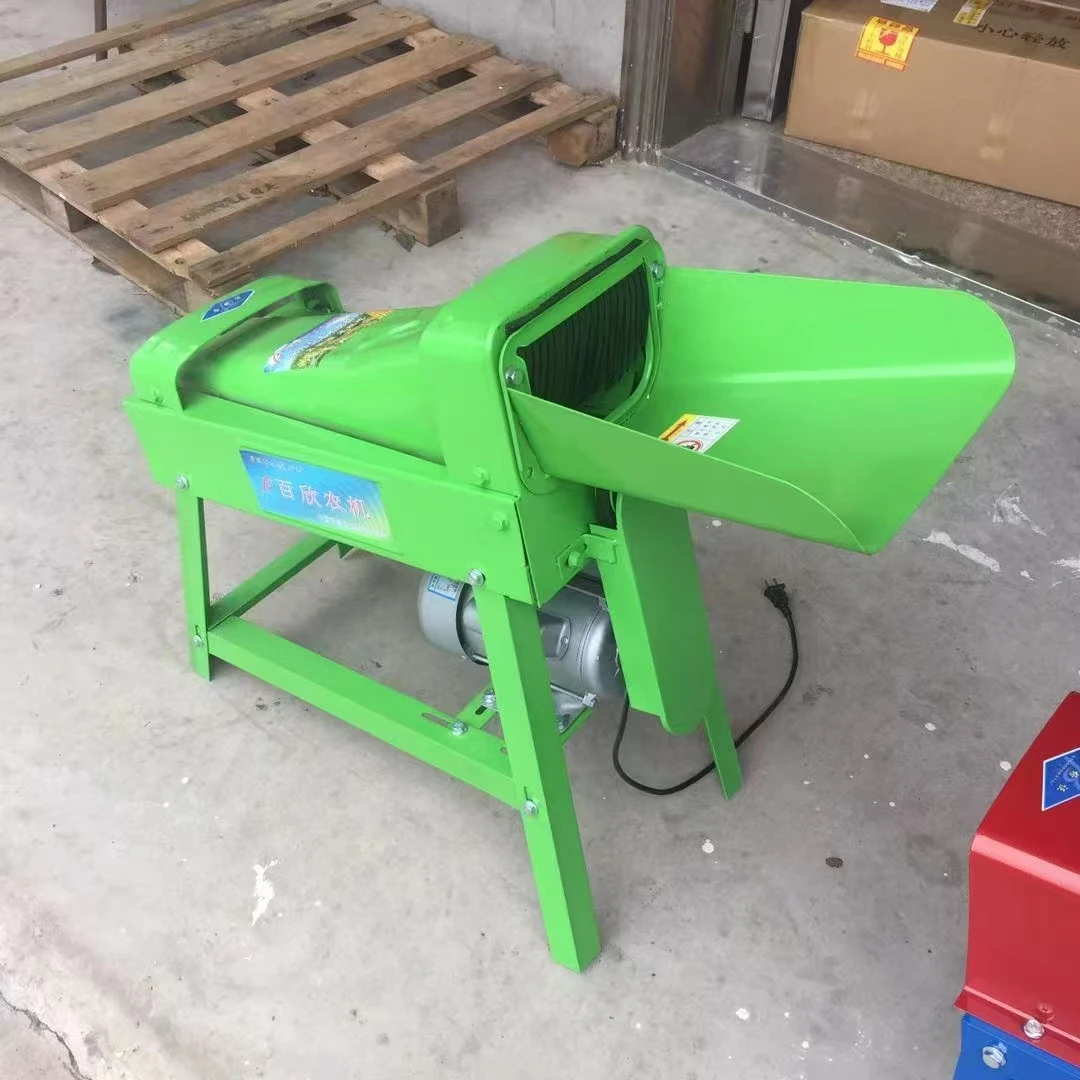 Thresher Machine
+
-
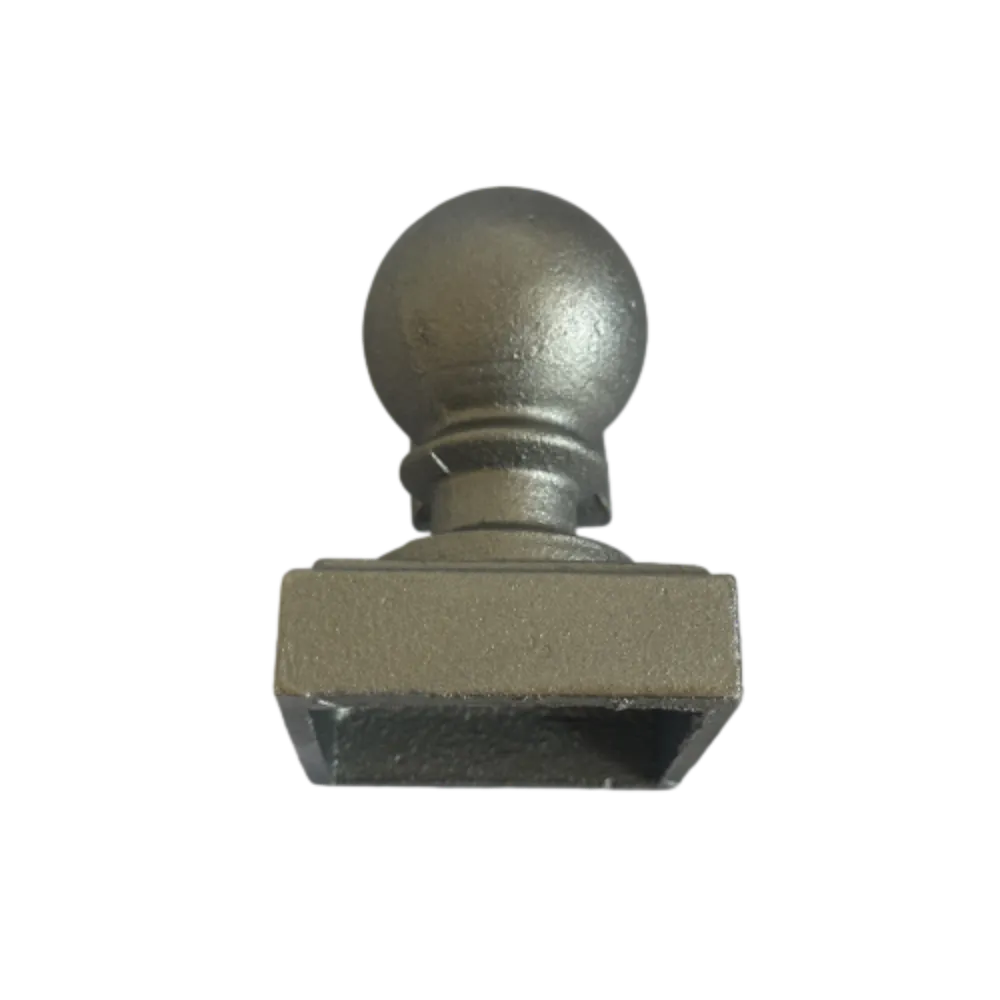 Cast Iron Post Caps
+
-
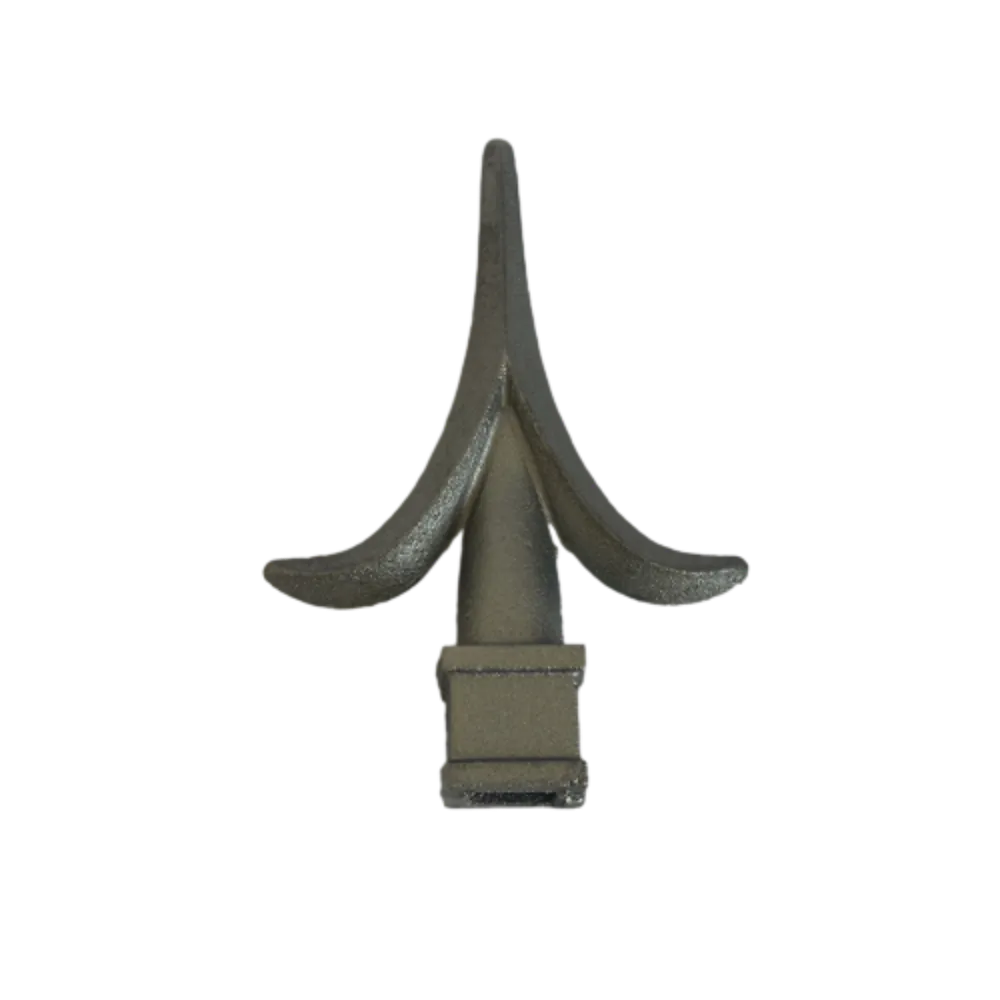 Cast Iron Spear Point Finial
+
-
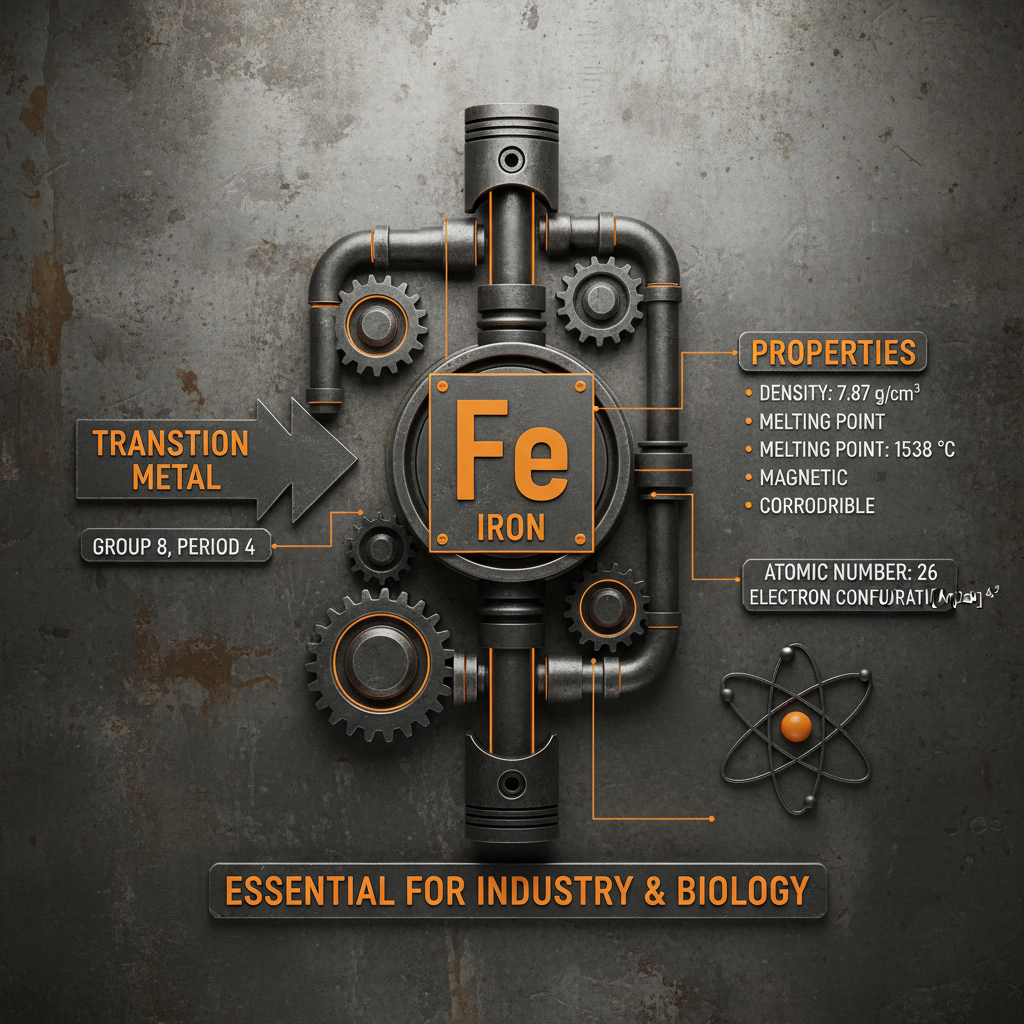 Understanding Iron is What Type of Element and Its PropertiesApr-16-2026Understanding Iron is What Type of Element and Its Properties
 -
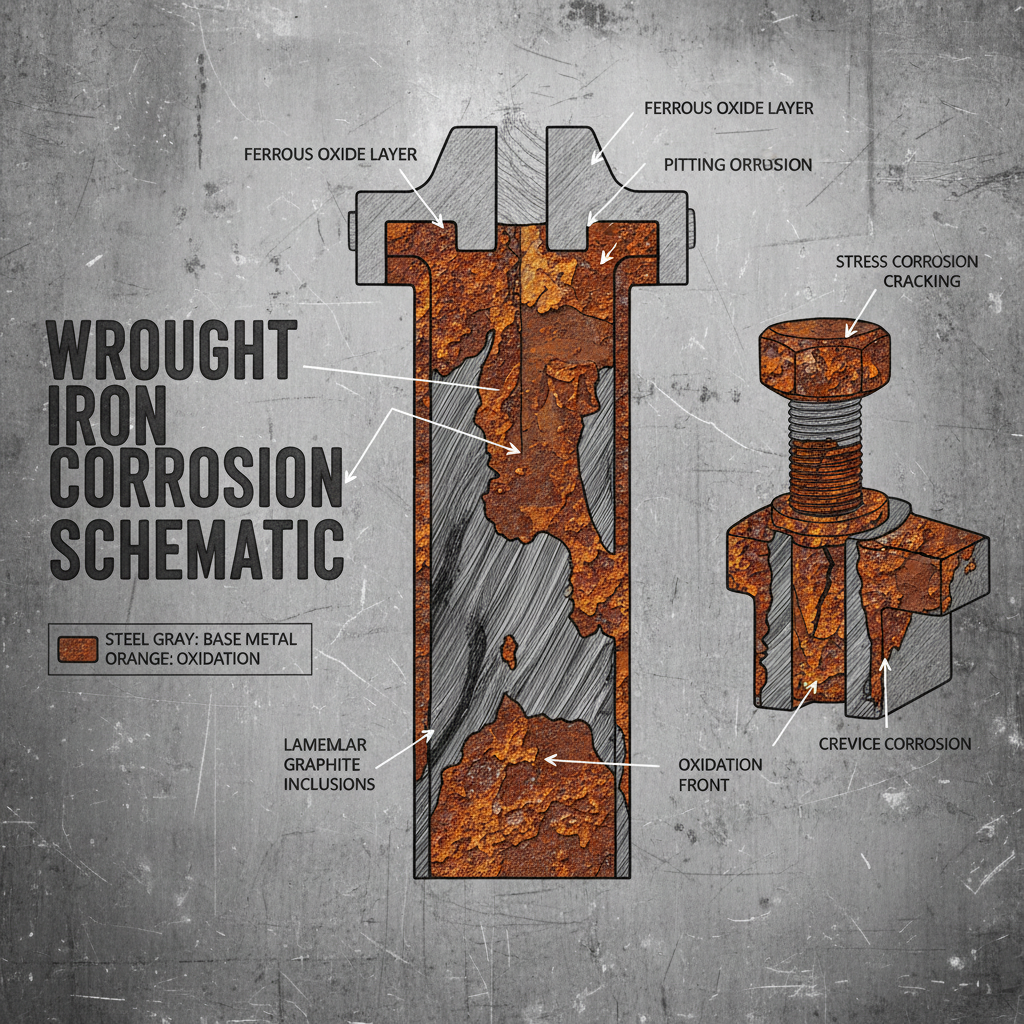 How to Identify Prevent and Remove Wrought Iron Rust EffectivelyApr-09-2026How to Identify Prevent and Remove Wrought Iron Rust Effectively
 -
 Enhance Your Property with Durable and Stylish Iron Gate HandlesApr-07-2026Enhance Your Property with Durable and Stylish Iron Gate Handles


