

How to Identify Prevent and Remove Wrought Iron Rust Effectively
Everything You Need to Know About Wrought Iron Rust
Wrought iron is celebrated for its timeless elegance and structural strength, making it a favorite for fences, gates, and ornate furniture. However, like most iron-based materials, it is susceptible to oxidation. Dealing with wrought iron rust is a common challenge for homeowners and industrial managers alike. When moisture and oxygen react with the iron, it creates iron oxide, which can compromise both the aesthetic appeal and the structural integrity of the metal. In this guide, we will explore how to identify, prevent, and treat rust to ensure your ironwork lasts for generations.
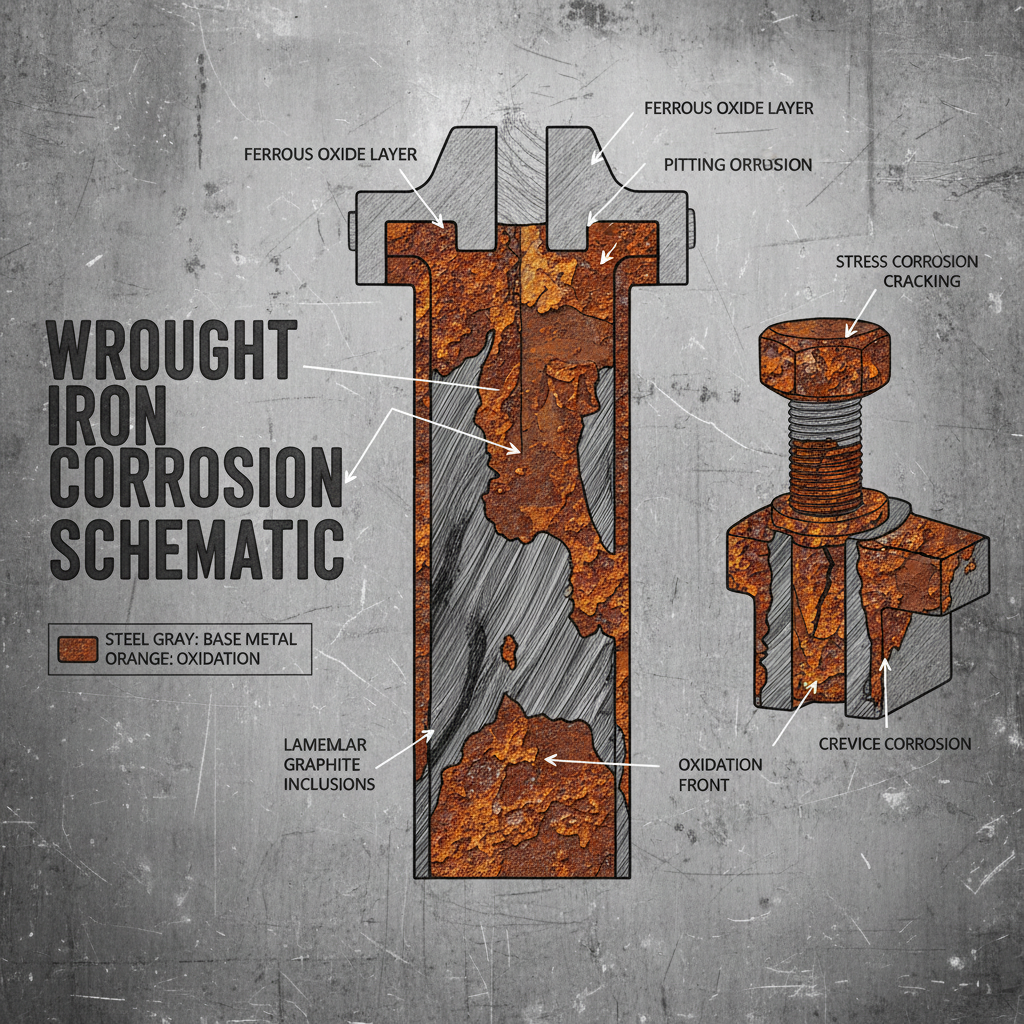
The Science Behind Wrought Iron Rust
Rusting is an electrochemical process. Wrought iron contains a small amount of slag (fibrous iron silicate), which actually makes it more corrosion-resistant than mild steel. However, it is not immune. The process of wrought iron rust occurs when the protective paint or coating fails, allowing water and oxygen to penetrate the surface. This is particularly aggressive in coastal areas where salt in the air accelerates the oxidation process, leading to pitting and flaking if left untreated.
Pro Tip: Always inspect your ironwork during seasonal transitions. Small chips in the paint are the primary entry points for moisture, which triggers the rust cycle.
Comparing Types of Corrosion in Ironwork
Not all rust is the same. Understanding whether you are dealing with surface rust or structural corrosion is key to choosing the right remedy. Surface rust is typically a thin layer of oxidation that hasn't penetrated deep into the metal, while deep pitting indicates a more severe stage of wrought iron rust. Below is a comparison to help you diagnose the severity of the issue.
Effective Ways to Remove Wrought Iron Rust
Removing rust requires a systematic approach to ensure the oxidation is completely gone before applying a new finish. If you paint over wrought iron rust, the oxidation will continue underneath the paint, eventually causing it to bubble and peel. The most effective methods include wire brushing for heavy scales, sanding for smoothing, and using chemical rust converters that transform iron oxide into a stable, paintable protective layer.
Preventative Coatings for Long-Term Protection
Prevention is always more cost-effective than cure. To stop wrought iron rust from returning, a multi-layered coating system is recommended. Start with a high-quality zinc-rich primer, which acts as a sacrificial anode to protect the iron. Follow this with a durable exterior enamel or powder coating. Powder coating is particularly effective as it provides a thick, hard shell that is far more resistant to chipping than traditional liquid paint.
Recommended Coating Sequence:
• Step 1: Thorough cleaning and degreasing
• Step 2: Application of Rust Converter (if needed)
• Step 3: Zinc-Rich Anti-Corrosive Primer
• Step 4: UV-Resistant Top Coat or Powder Coating
Maintenance Specifications for Iron Installations
To keep your installations in peak condition, following a strict maintenance schedule is essential. Different environments require different levels of care. For instance, ironwork in high-humidity areas needs more frequent inspections than those in arid climates. Below are the standard maintenance specifications to avoid severe wrought iron rust.
Common Mistakes When Treating Iron Rust
Many people attempt to fix wrought iron rust using quick fixes that often do more harm than good. For example, using a pressure washer too aggressively can strip away healthy metal or push moisture deeper into the joints. Another common error is applying oil-based paints over a surface that hasn't been fully degreased, which leads to poor adhesion and premature peeling. To ensure a professional result, always prioritize surface preparation over the final coat of paint.
Conclusion: Preserving the Beauty of Your Ironwork
Dealing with wrought iron rust doesn't have to be an overwhelming task. By understanding the cause of oxidation and implementing a proactive maintenance strategy—including proper removal, high-quality priming, and regular inspections—you can maintain the strength and elegance of your iron structures. Whether you are restoring a vintage gate or installing new casting work, the key is consistent care. Invest in quality materials and professional techniques to keep your ironwork rust-free for a lifetime.
Frequently Asked Questions (FAQs)
Can I just paint over wrought iron rust?
No, painting directly over rust is not recommended. Rust is porous and continues to expand as it oxidizes. If you apply paint over it, the rust will continue to grow underneath the layer, causing the paint to bubble, crack, and peel within a very short time. The only way to achieve a long-lasting finish is to remove the oxidation completely using wire brushes, sandpaper, or chemical strippers, and then apply a rust-inhibiting primer before the final coat of paint.
What is the best way to prevent rust in coastal areas?
Coastal areas are high-risk zones due to salt spray. The best prevention is a combination of high-performance coatings. We strongly recommend powder coating or a marine-grade epoxy system. Additionally, regularly rinsing your ironwork with fresh water can remove salt deposits that would otherwise accelerate the wrought iron rust process. A zinc-rich primer is also non-negotiable in these environments to provide galvanic protection.
How do I know if the rust has caused structural damage?
You can identify structural damage by looking for "scaling" or "flaking," where large chunks of metal peel away, significantly reducing the thickness of the piece. Another sign is "pitting," where deep holes have formed in the metal. If you can push a screwdriver or a nail into the rusted area with ease, the structural integrity has been compromised. In such cases, simple painting won't work, and you should contact a professional to weld in new metal or replace the affected section.
What is a rust converter and how does it work?
A rust converter is a chemical solution (usually containing tannic acid or phosphoric acid) that reacts with iron oxide to turn it into a stable, black protective layer called iron tannate or iron phosphate. Instead of removing all the rust, it "converts" the remaining rust into a primer-like surface. This is extremely useful for intricate wrought iron designs where it is physically impossible to sand every nook and cranny. Once converted, the surface can be painted normally.
-
Understanding Iron is What Type of Element and Its PropertiesNewsApr.16,2026
-
Enhance Your Property with Durable and Stylish Iron Gate HandlesNewsApr.07,2026
-
Understanding Wrought Iron vs Iron Properties and ApplicationsNewsApr.04,2026
-
Elevate Your Property with Stunning Gate Wrought Iron Design OptionsNewsMar.31,2026
-
The Enduring Appeal of Ornamental Wrought Iron for Elegant DesignNewsMar.28,2026
-
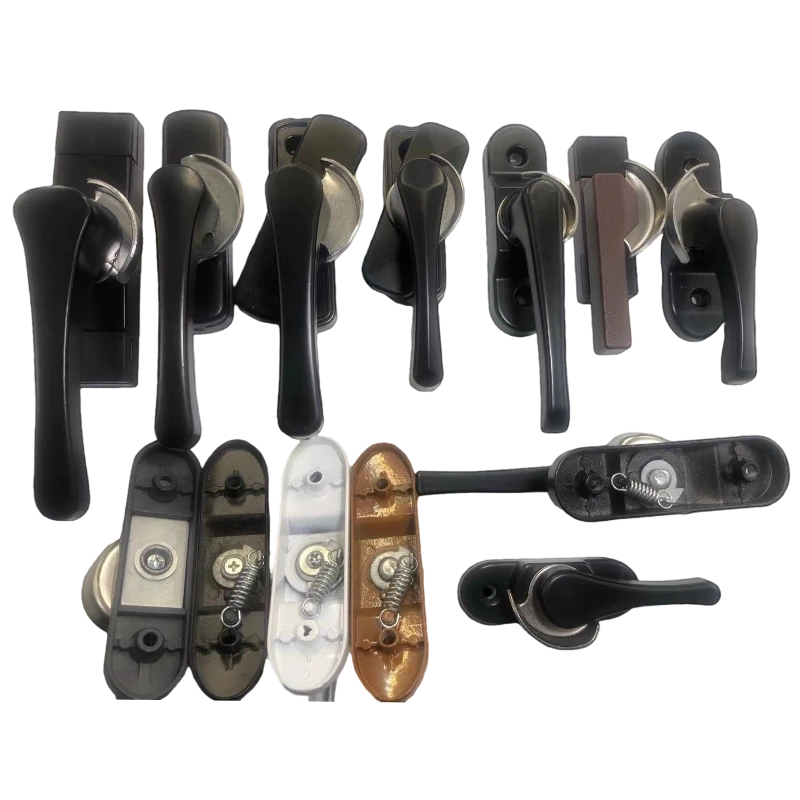 Aluminum Ally door and window handle
+
-
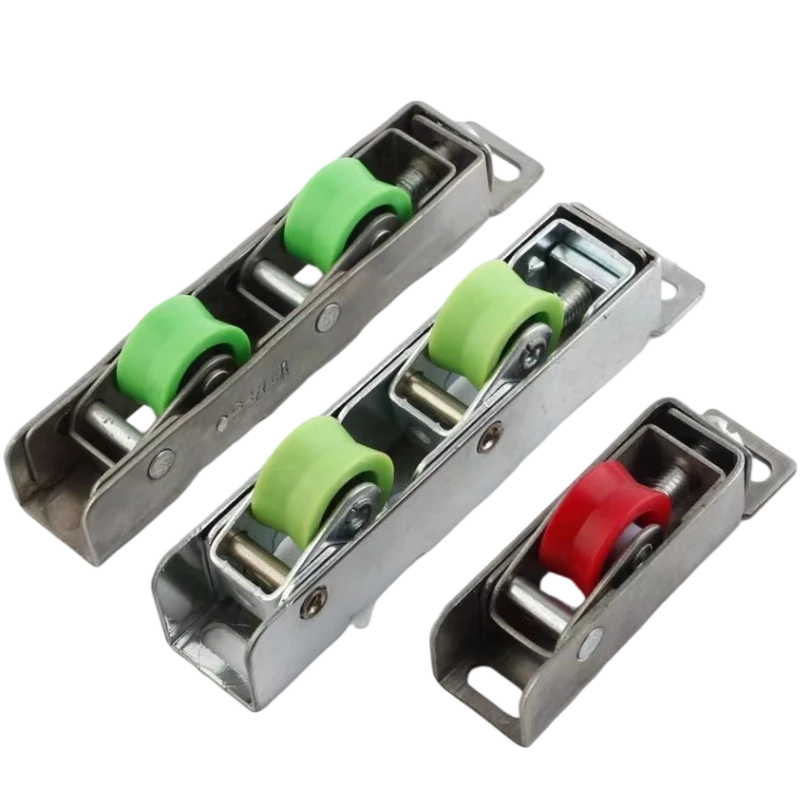 Sliding door window wheel rollers
+
-
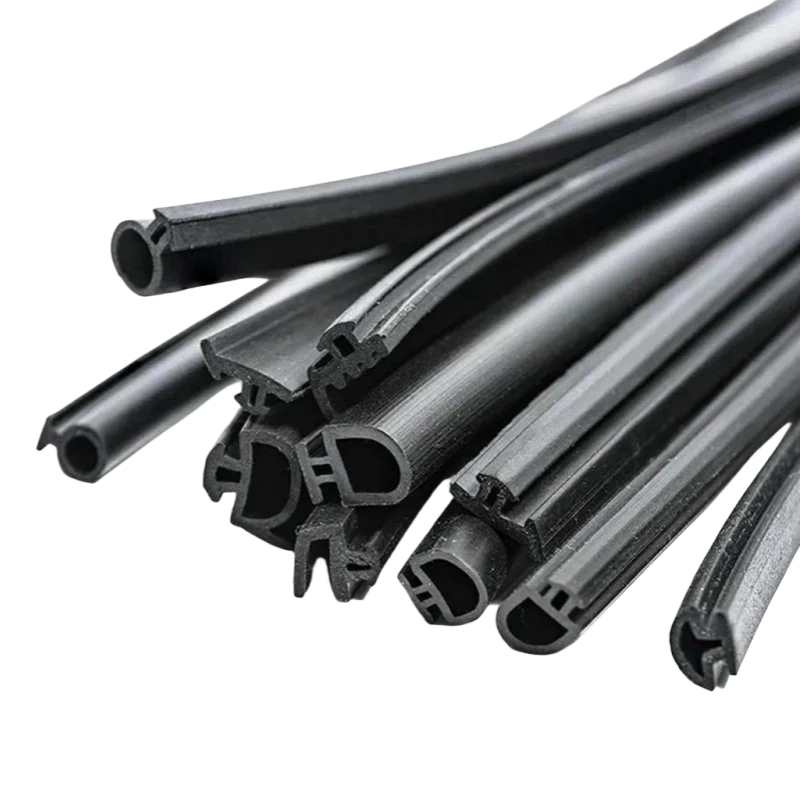 rubber window seal
+
-
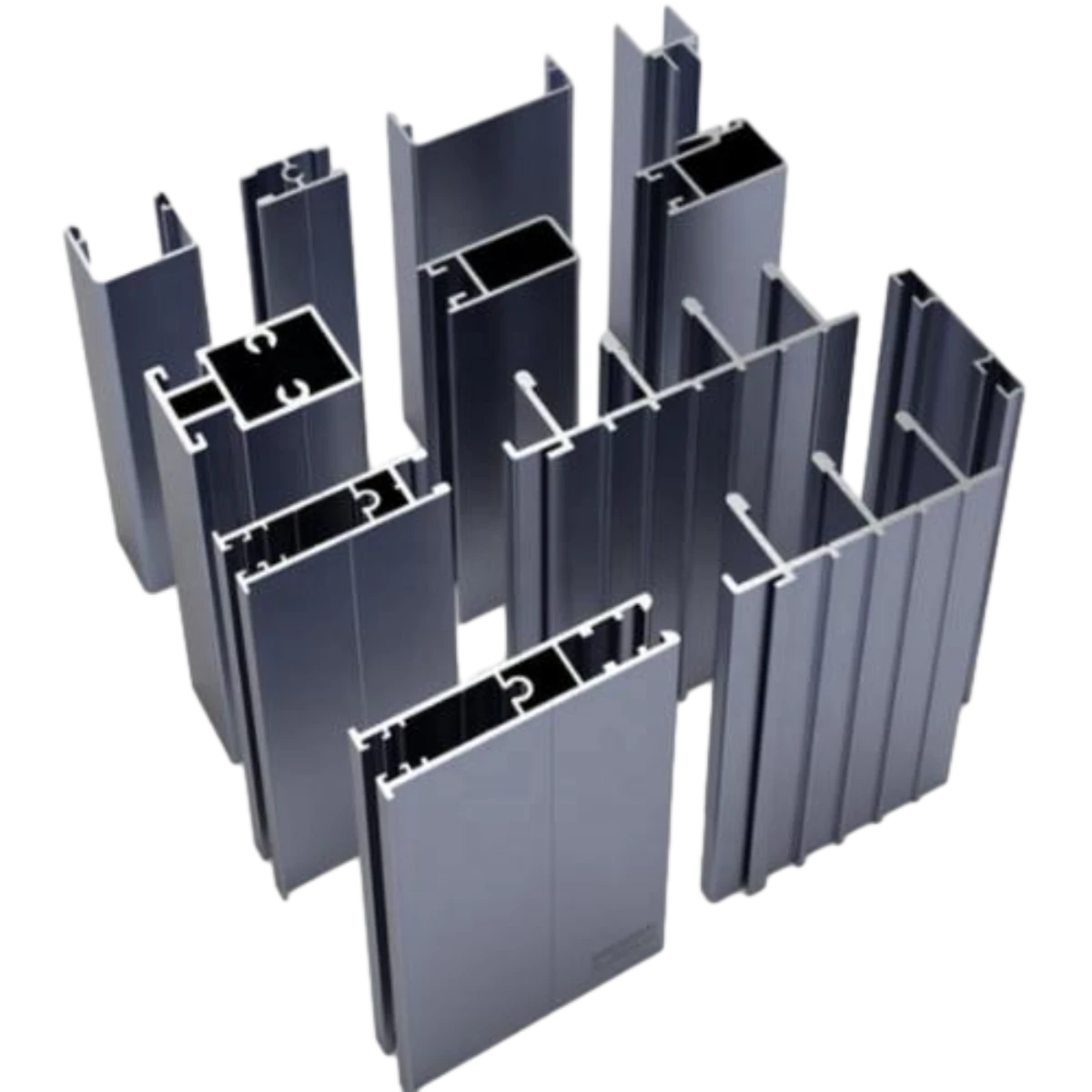 Aluminium Windows Profiles
+
-
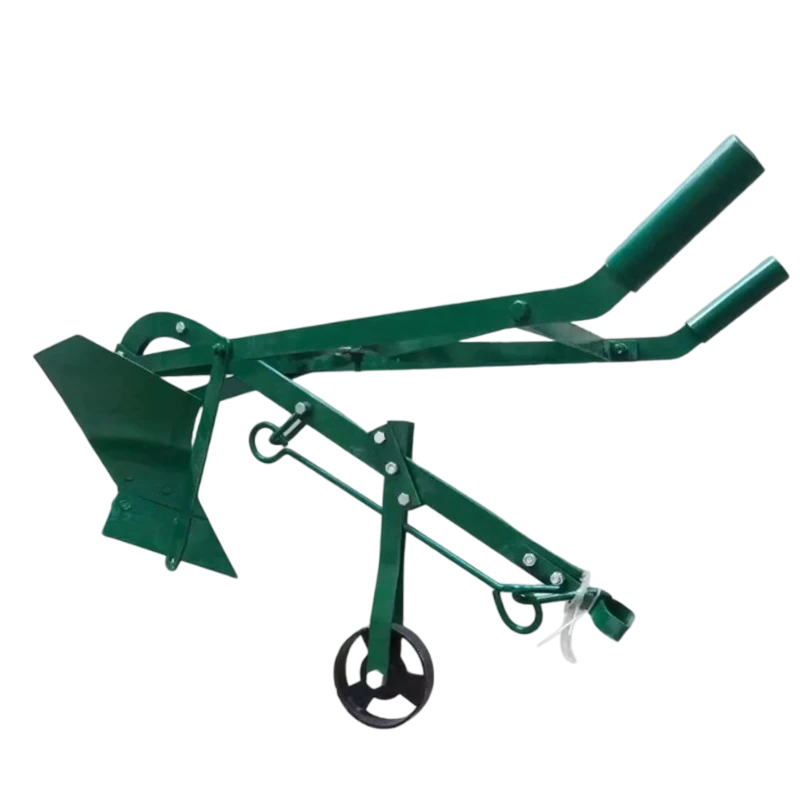 animal drawn plough plows
+
-
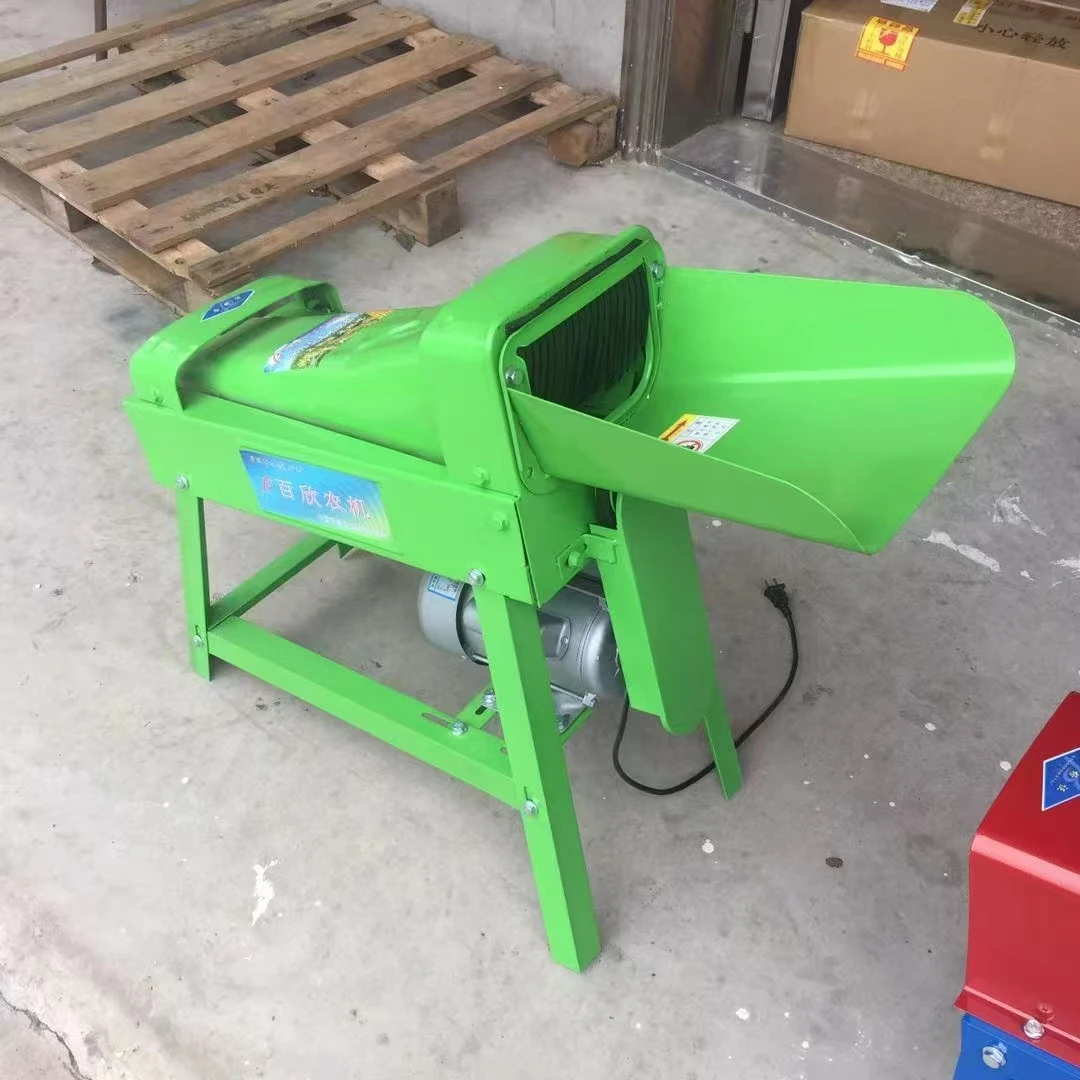 Thresher Machine
+
-
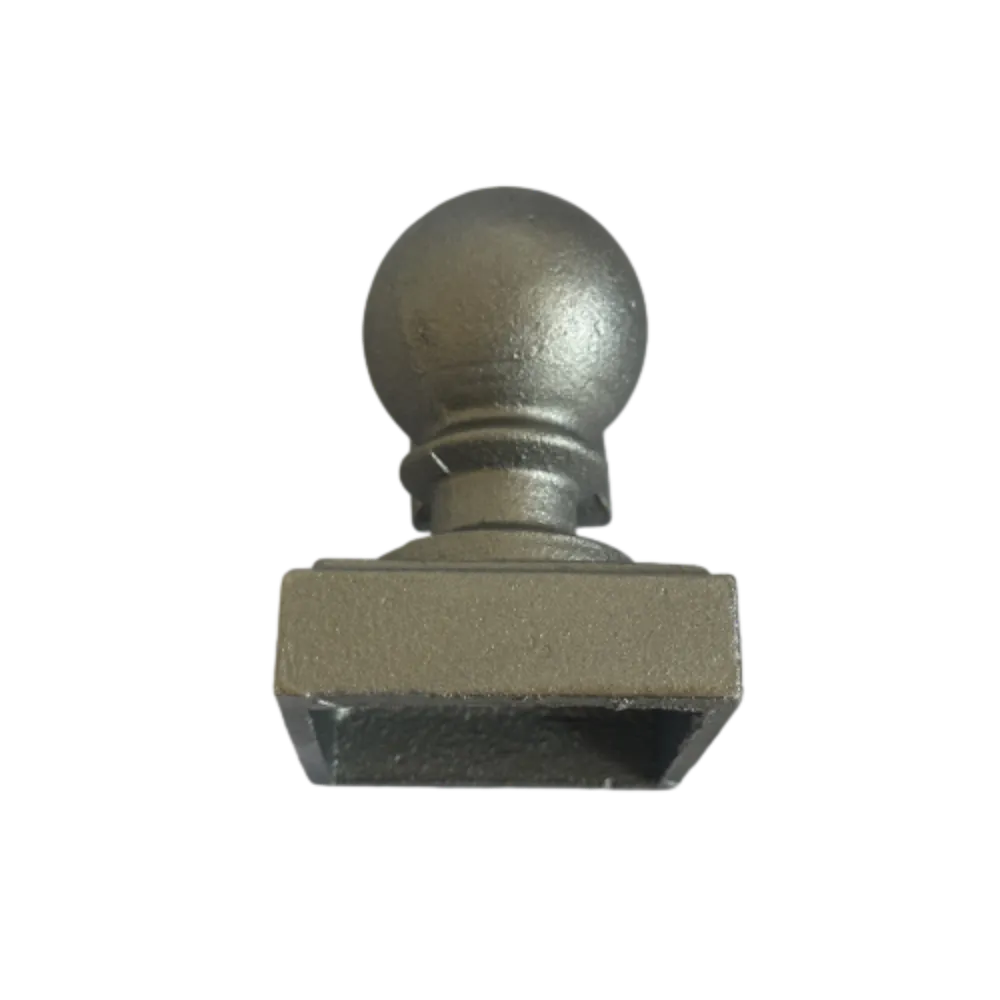 Cast Iron Post Caps
+
-
 Cast Iron Spear Point Finial
+
-
 Understanding Iron is What Type of Element and Its PropertiesApr-16-2026Understanding Iron is What Type of Element and Its Properties
 -
How to Identify Prevent and Remove Wrought Iron Rust EffectivelyApr-09-2026How to Identify Prevent and Remove Wrought Iron Rust Effectively
-
 Enhance Your Property with Durable and Stylish Iron Gate HandlesApr-07-2026Enhance Your Property with Durable and Stylish Iron Gate Handles


