

The Enduring Appeal of Ornamental Wrought Iron for Elegant Design
Understanding the Elegance and Durability of Ornamental Wrought Iron
For centuries, ornamental wrought iron has been a symbol of strength, artistry, and timeless beauty. From intricate gates and railings to decorative furniture and lighting, wrought iron adds a touch of sophistication and character to any space. This article delves into the world of ornamental wrought iron, exploring its history, benefits, applications, and what to look for when choosing high-quality pieces. Discover how this enduring material can enhance your property's aesthetic appeal and value.
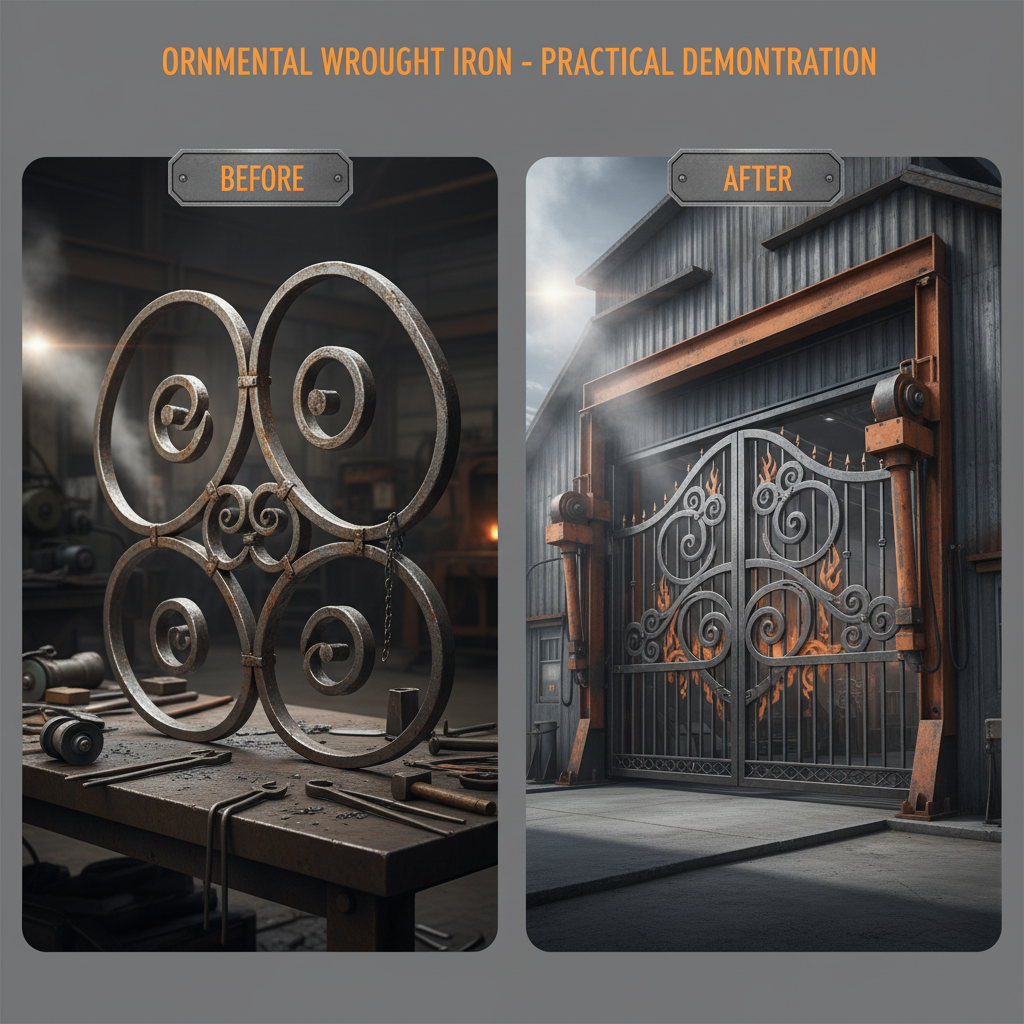
The Historical Significance of Wrought Iron
Wrought iron's history stretches back over 2,000 years, originating in ancient civilizations. Its malleability and strength made it a preferred material for weapons and tools. During the Middle Ages and Renaissance, blacksmiths elevated wrought ironwork to an art form, creating elaborate gates, window grilles, and decorative elements for castles and cathedrals. The Victorian era witnessed a resurgence in popularity, with intricate designs becoming synonymous with elegance and status. Today, the techniques of traditional wrought iron crafting are often combined with modern manufacturing processes to create beautiful and durable pieces.
Key Highlights: Wrought iron’s enduring appeal lies in its strength, versatility, and the skill of artisans who have shaped it for millennia.
Benefits of Choosing Ornamental Wrought Iron
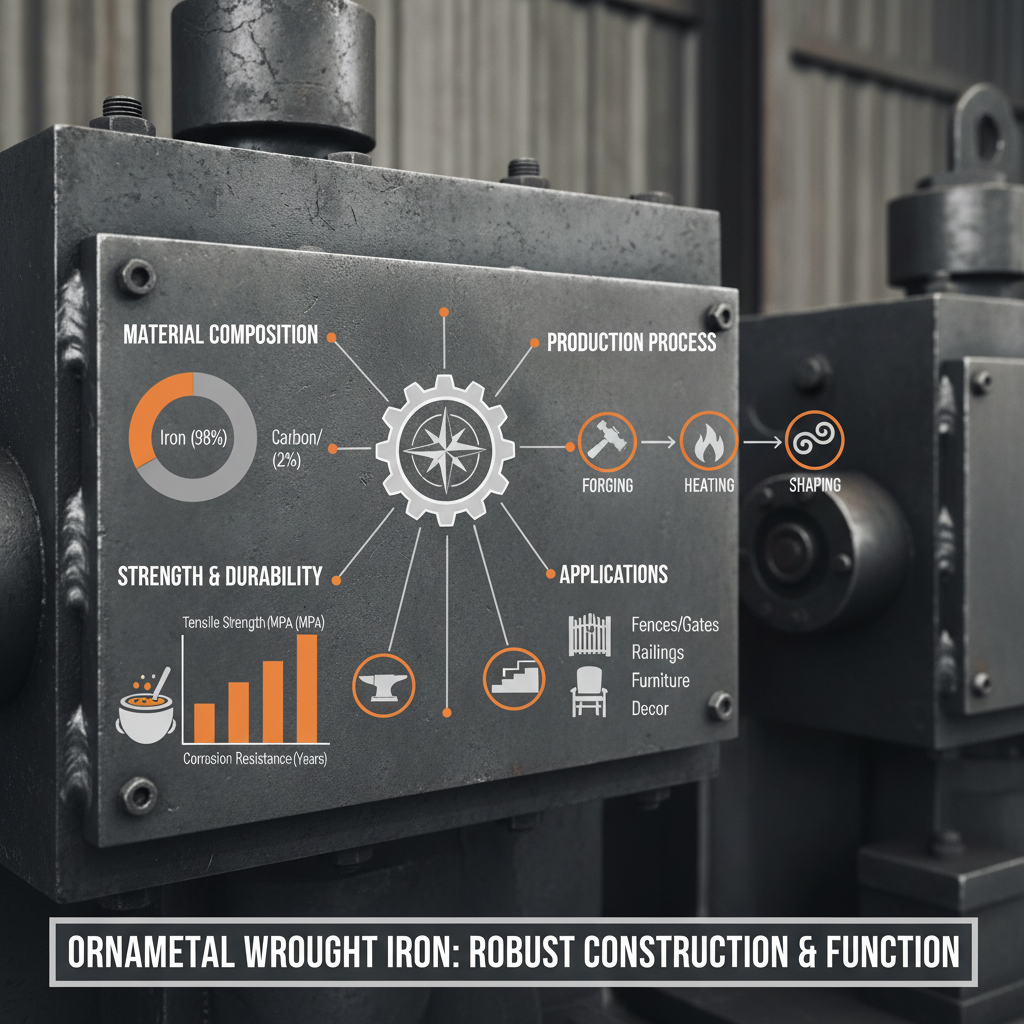
Ornamental wrought iron offers a multitude of benefits beyond its aesthetic appeal. It's incredibly durable, resistant to rust (especially when properly treated), and can withstand harsh weather conditions. Unlike other metals, wrought iron doesn't become brittle over time. It’s also remarkably strong, making it an excellent choice for security applications like gates and fences. Moreover, wrought iron is surprisingly versatile, lending itself to a wide range of designs, from simple and classic to ornate and elaborate. Investing in wrought iron products is an investment in long-lasting beauty and security.
Key Benefits:
• Durability & Longevity
• Rust Resistance
• Strength and Security
• Versatile Design Options
Applications of Ornamental Wrought Iron: Enhancing Your Property
The applications of ornamental wrought iron are diverse and can dramatically enhance the beauty and value of your property. Common uses include: gates and fencing, railings for balconies and staircases, window boxes and security grilles, garden furniture (benches, chairs, tables), chandeliers and lighting fixtures, decorative accents (scrolls, finials, crests), and even fireplace screens. Whether you're looking to create a grand entrance, add a touch of elegance to your garden, or enhance the security of your home, wrought iron provides a timeless and sophisticated solution.
Choosing the Right Wrought Iron Supplier
When selecting a supplier for ornamental wrought iron, consider factors such as their experience, reputation, quality of materials, and customization options. Look for suppliers who use traditional techniques and high-quality materials to ensure durability and longevity. A reliable supplier will offer a wide range of designs and be able to create custom pieces to meet your specific needs. Don't hesitate to ask about their finishing processes and warranty options.
Proper Maintenance and Care for Long-Lasting Beauty
While wrought iron is durable, it requires some maintenance to preserve its beauty and prevent rust. Regularly clean your wrought iron pieces with mild soap and water. After cleaning, apply a protective coating of wax or oil to prevent rust formation. For pieces exposed to harsh weather conditions, consider annual repainting or powder coating. Inspect your wrought iron regularly for any signs of damage or corrosion and address them promptly. With proper care, your wrought iron investments will last for generations.
Conclusion: A Timeless Investment in Beauty and Durability
Ornamental wrought iron represents a unique blend of artistry, durability, and timeless elegance. Whether you're enhancing your home's curb appeal, adding a touch of sophistication to your garden, or improving security, wrought iron offers a versatile and lasting solution. By choosing high-quality pieces from a reputable supplier like TJJ Iron Casting, you can be confident in a beautiful and enduring investment.
Frequently Asked Questions (FAQs)
What is the difference between wrought iron and cast iron?
Wrought iron and cast iron are both iron alloys, but they differ significantly in their composition and properties. Wrought iron contains very little carbon, making it malleable and ductile – ideal for forging into intricate shapes. Cast iron, on the other hand, has a higher carbon content, making it harder and more brittle. This means it's excellent for casting complex designs but less suitable for bending or shaping. Wrought iron is typically more expensive due to the labor-intensive forging process.
How can I prevent rust on my wrought iron?
Rust prevention is crucial for maintaining wrought iron's beauty and longevity. Regularly clean the iron with mild soap and water to remove dirt and debris. After cleaning, apply a protective coating such as wax, oil, or a specialized wrought iron sealant. For outdoor pieces, consider repainting or powder coating every few years to provide an extra layer of protection against the elements. Promptly address any scratches or chips in the existing coating to prevent rust from forming.
Can wrought iron be customized?
Yes, one of the great advantages of wrought iron is its versatility and ability to be customized. Skilled blacksmiths can forge iron into virtually any shape or design. Many suppliers, like TJJ Iron Casting, offer custom design services, allowing you to create unique pieces tailored to your specific needs and aesthetic preferences. You can specify dimensions, patterns, and finishes to achieve the perfect look for your property.
Is wrought iron expensive?
The cost of wrought iron can vary depending on the complexity of the design, the size of the piece, and the level of customization. While it may be more expensive than some other materials like aluminum, the durability and longevity of wrought iron make it a worthwhile investment. The value it adds to your property, both aesthetically and in terms of security, often outweighs the initial cost.
-
Understanding Iron is What Type of Element and Its PropertiesNewsApr.16,2026
-
How to Identify Prevent and Remove Wrought Iron Rust EffectivelyNewsApr.09,2026
-
Enhance Your Property with Durable and Stylish Iron Gate HandlesNewsApr.07,2026
-
Understanding Wrought Iron vs Iron Properties and ApplicationsNewsApr.04,2026
-
Elevate Your Property with Stunning Gate Wrought Iron Design OptionsNewsMar.31,2026
-
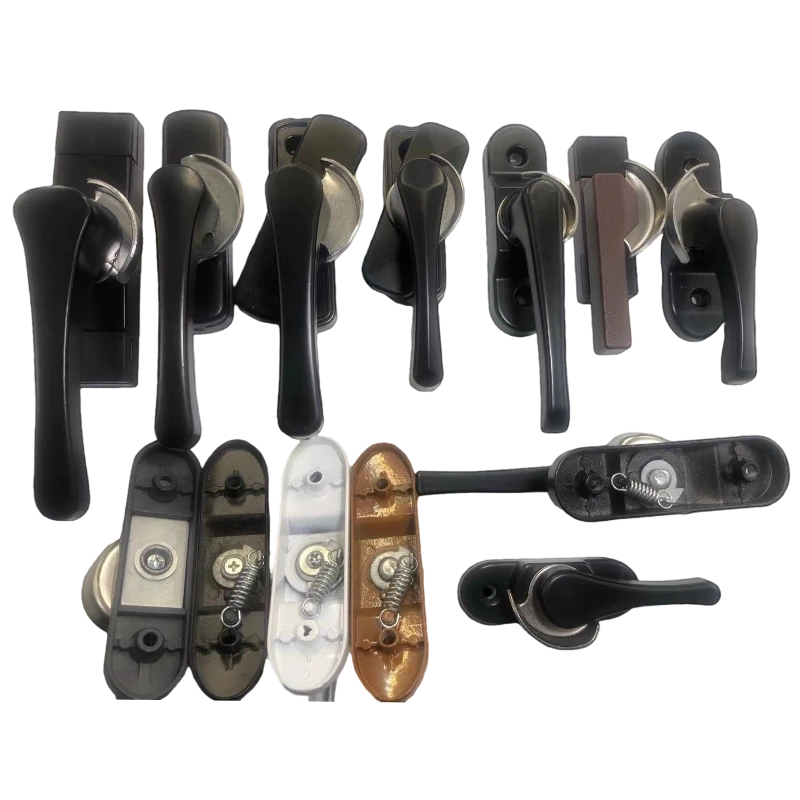 Aluminum Ally door and window handle
+
-
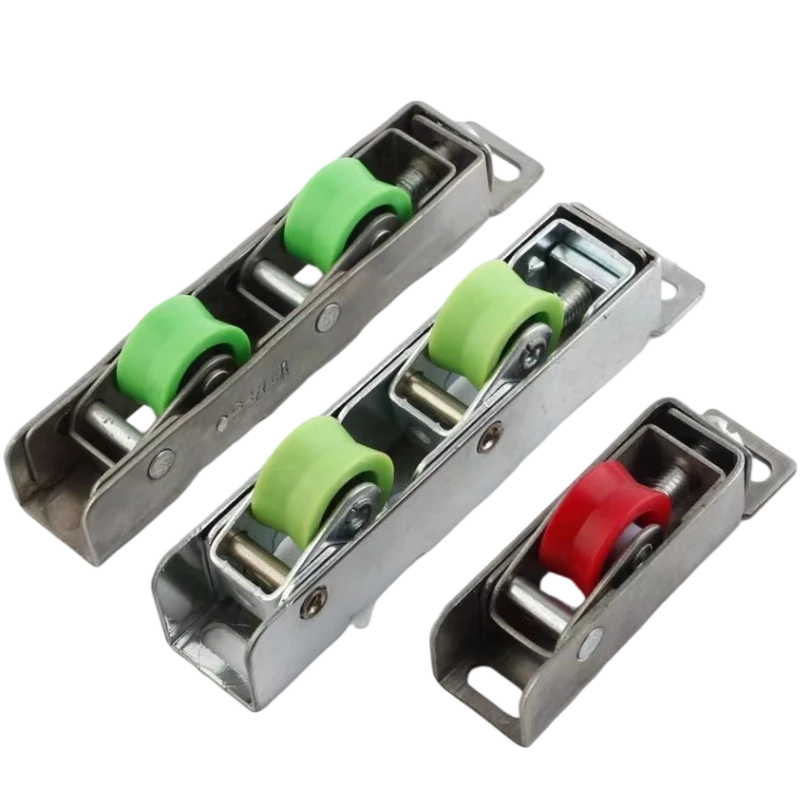 Sliding door window wheel rollers
+
-
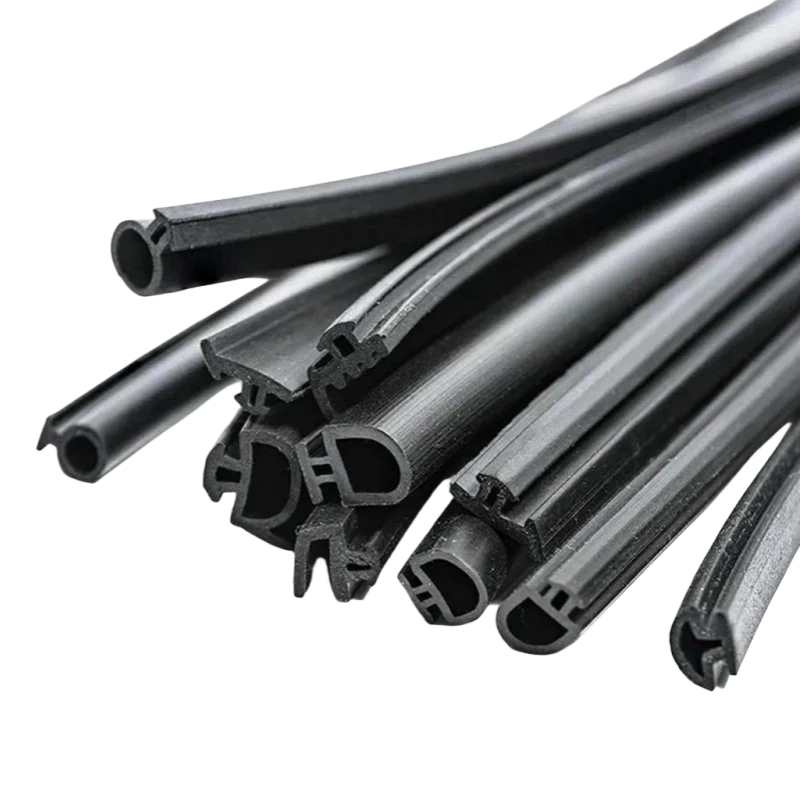 rubber window seal
+
-
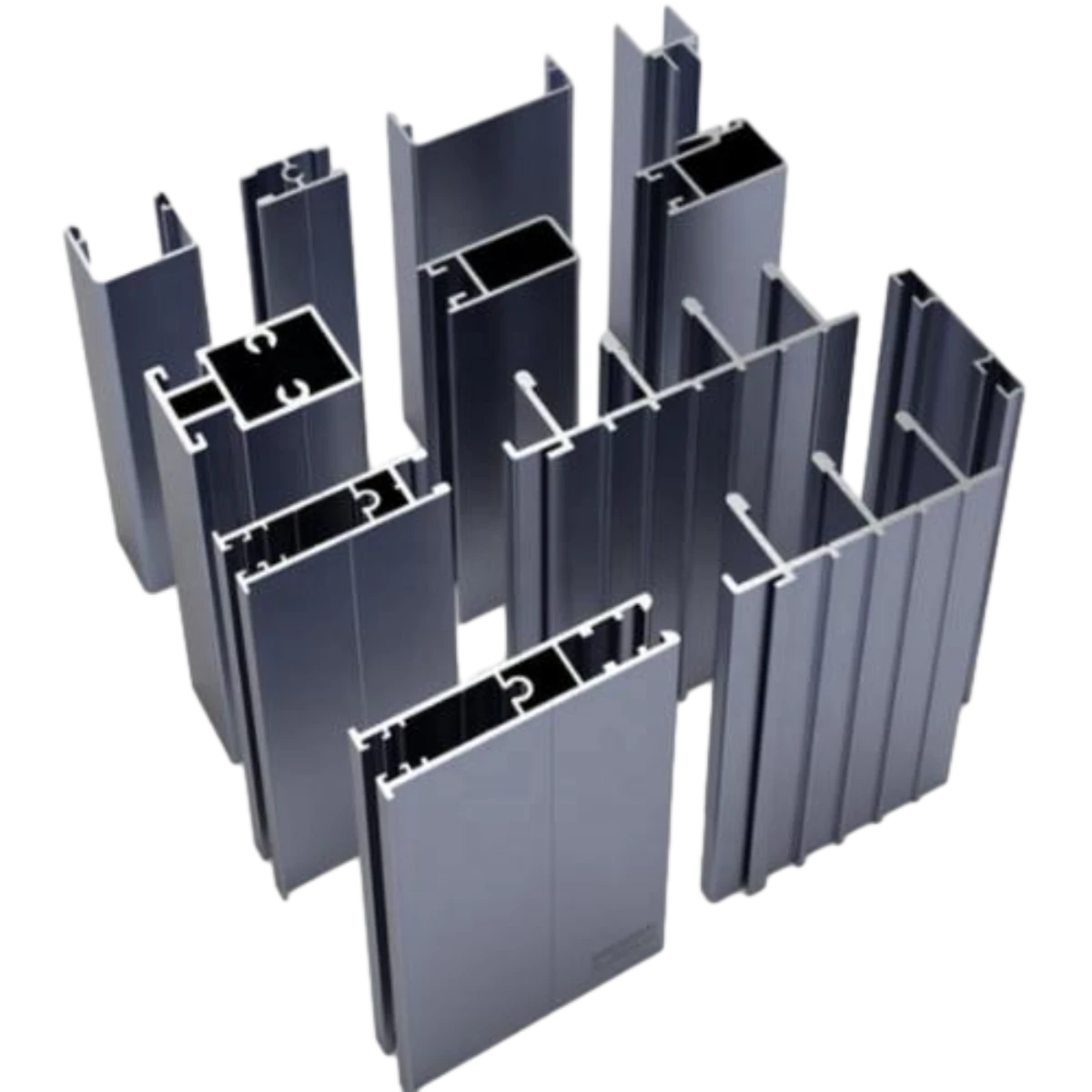 Aluminium Windows Profiles
+
-
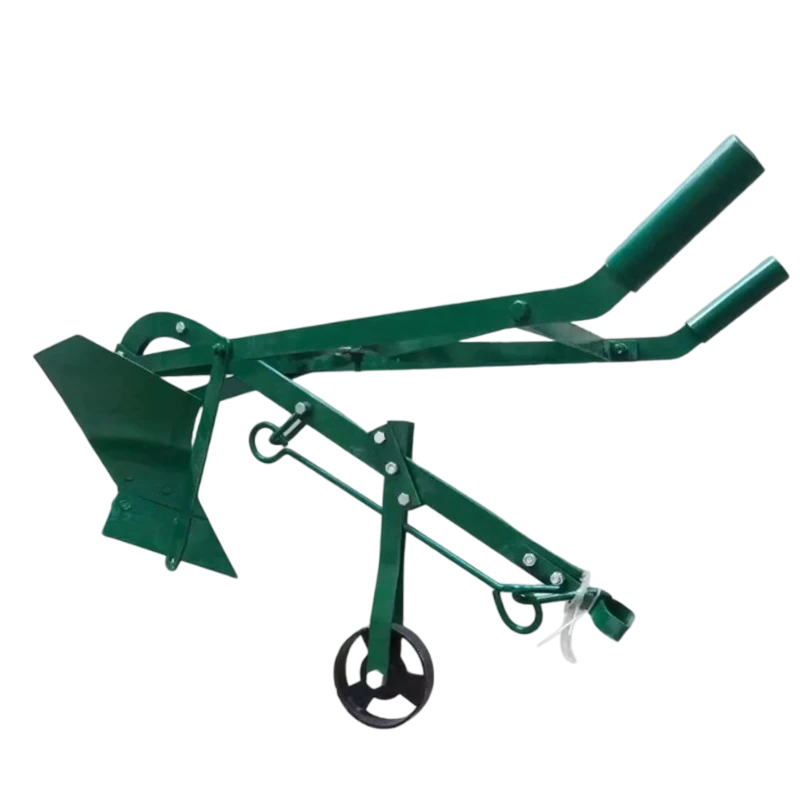 animal drawn plough plows
+
-
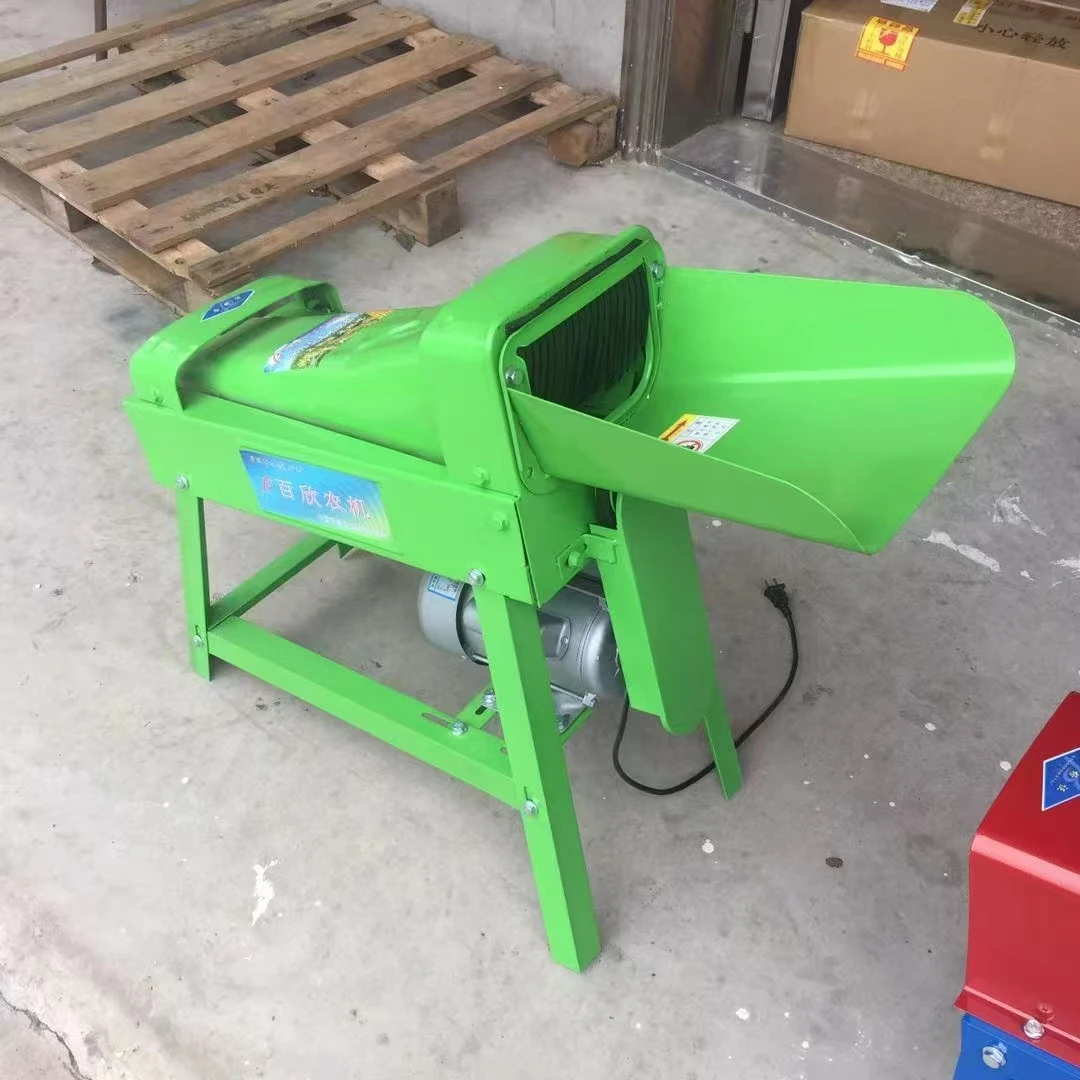 Thresher Machine
+
-
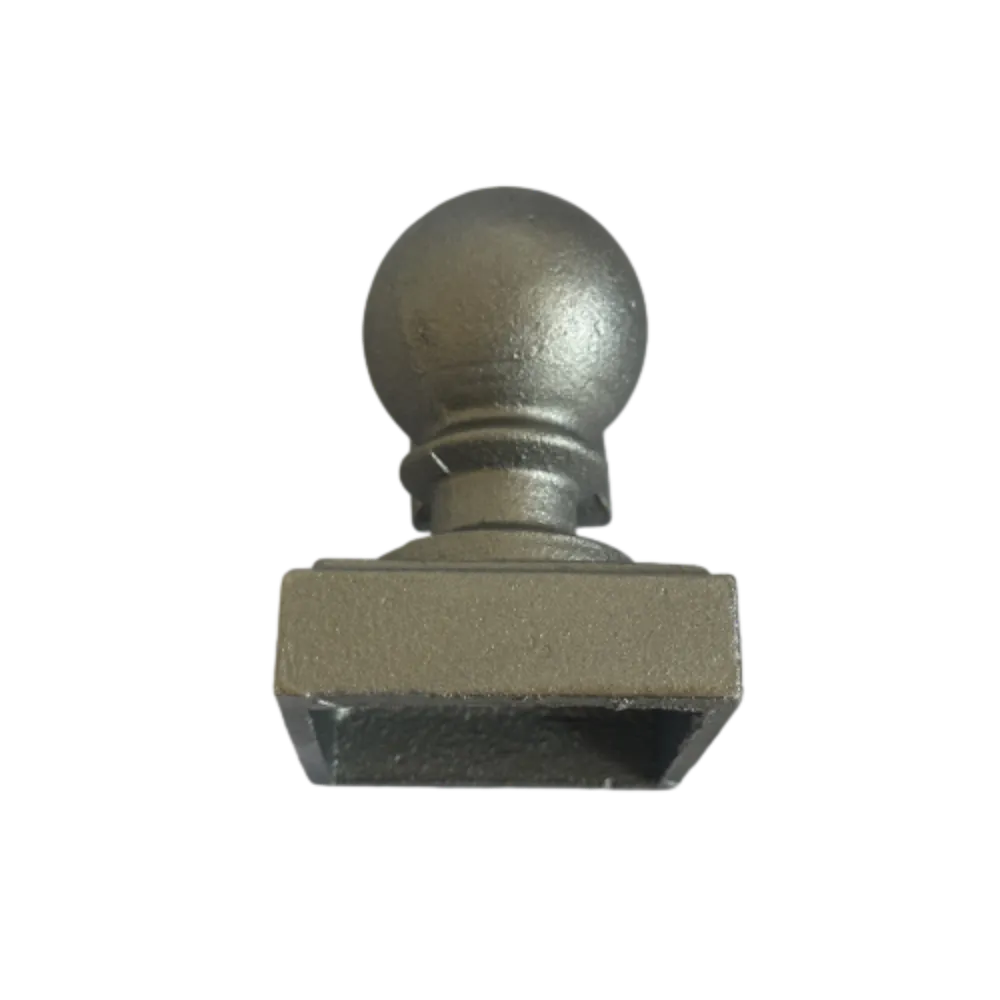 Cast Iron Post Caps
+
-
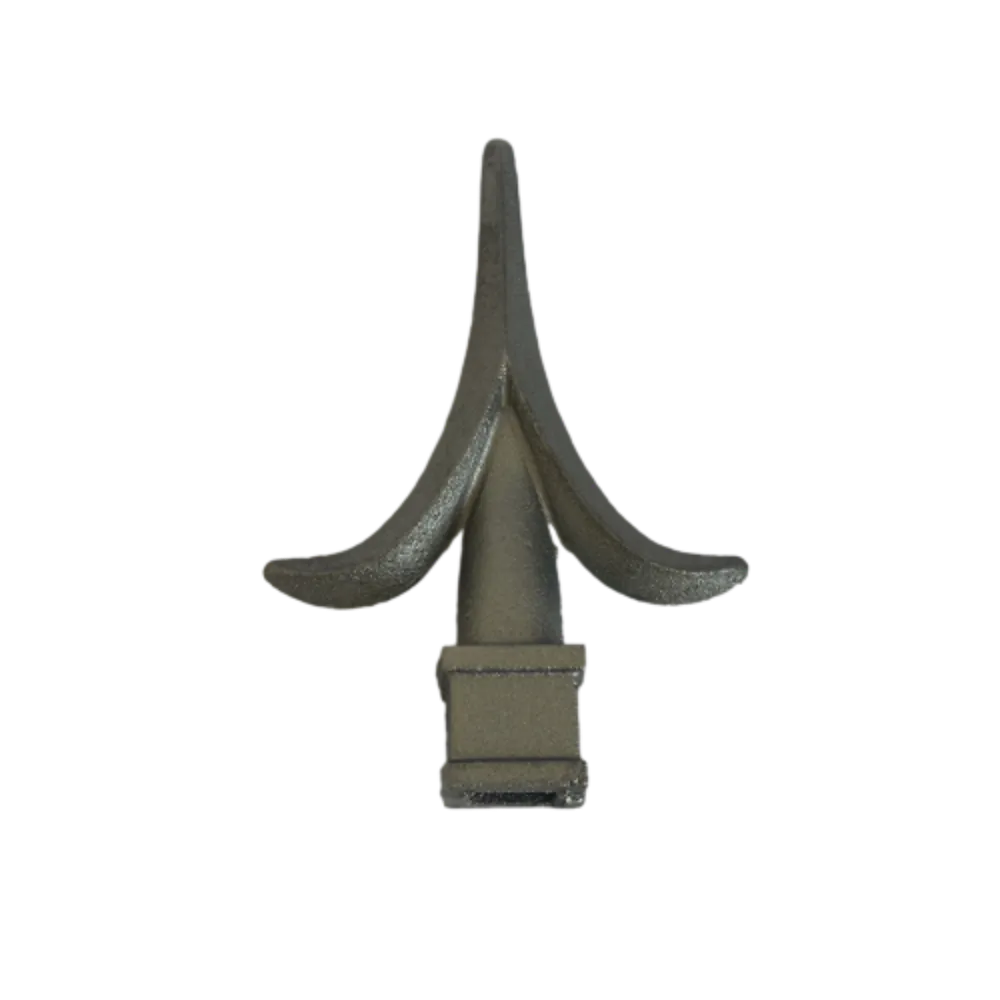 Cast Iron Spear Point Finial
+
-
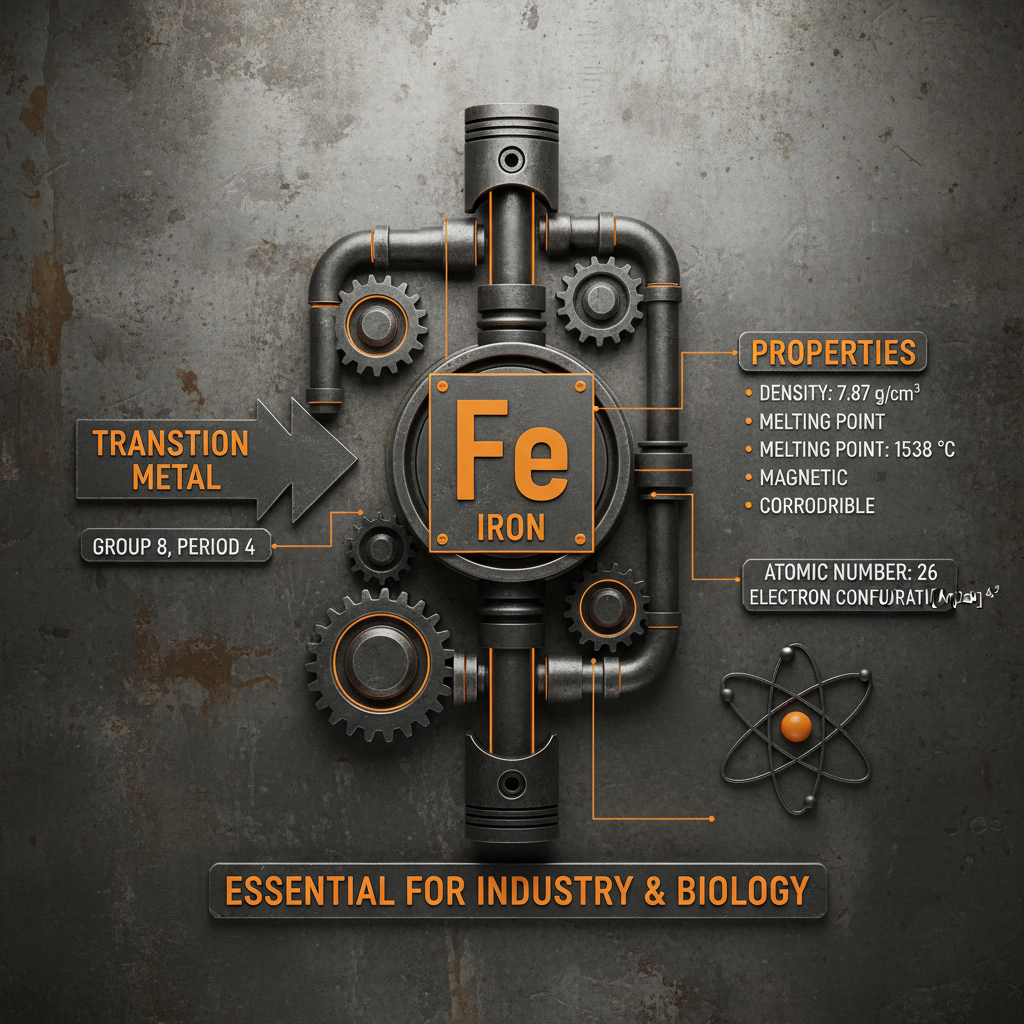 Understanding Iron is What Type of Element and Its PropertiesApr-16-2026Understanding Iron is What Type of Element and Its Properties
 -
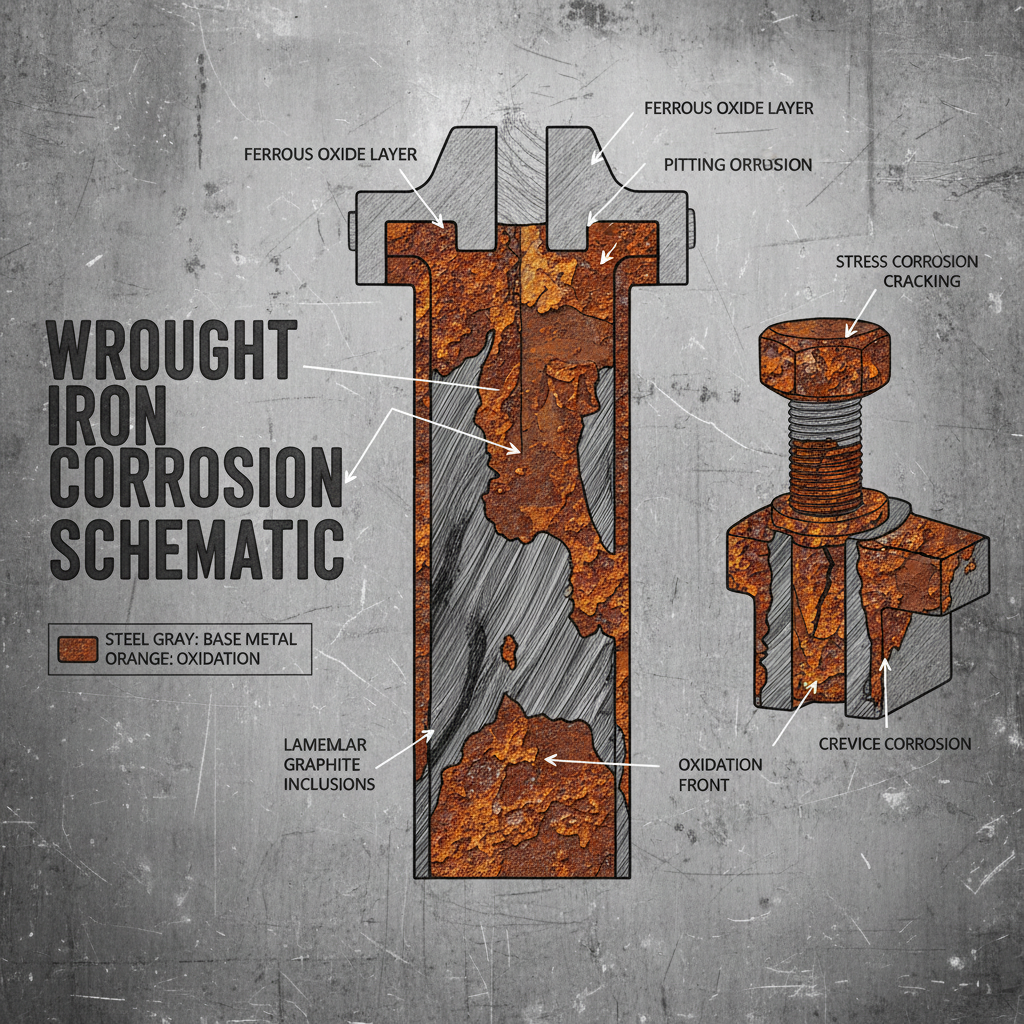 How to Identify Prevent and Remove Wrought Iron Rust EffectivelyApr-09-2026How to Identify Prevent and Remove Wrought Iron Rust Effectively
 -
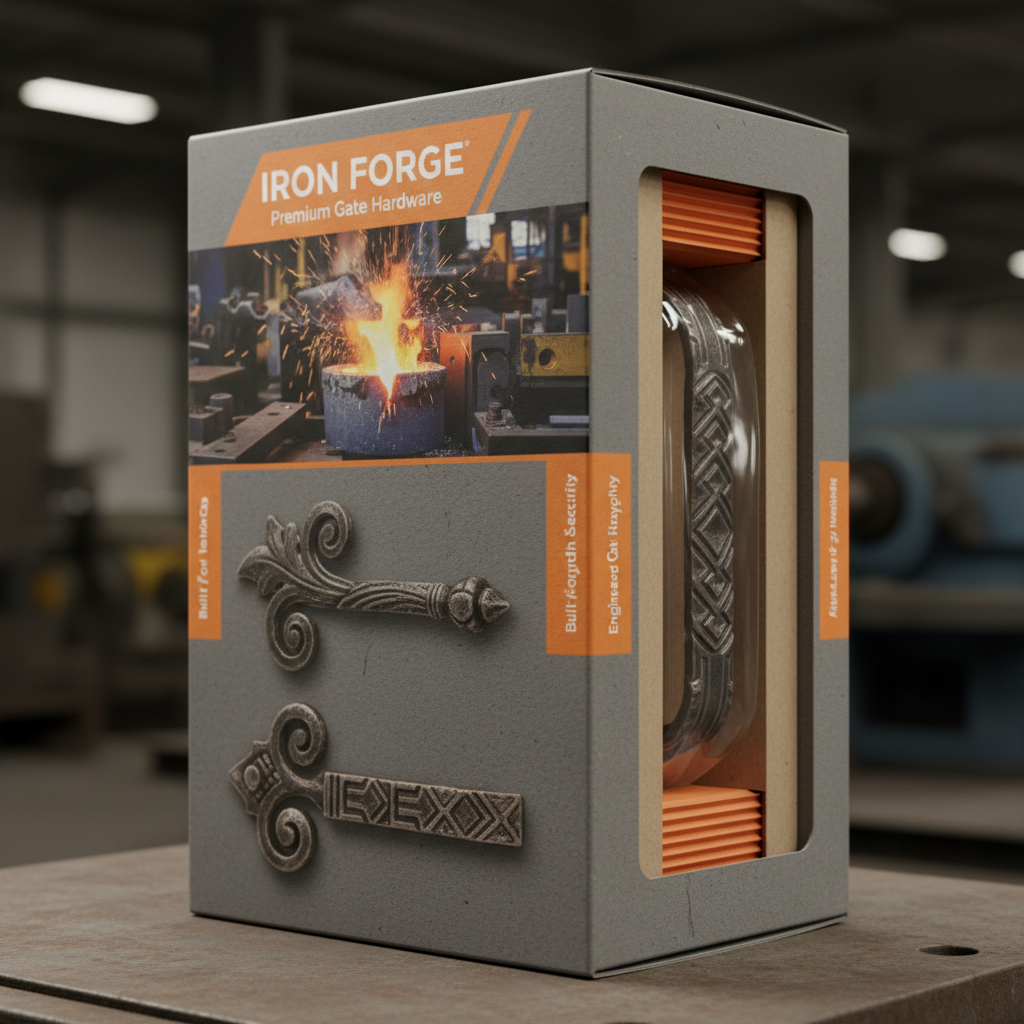 Enhance Your Property with Durable and Stylish Iron Gate HandlesApr-07-2026Enhance Your Property with Durable and Stylish Iron Gate Handles


