

Understanding the Critical Role of Casting Point Design in Iron Casting Processes
Understanding Casting Point in Iron Casting
In the world of iron casting, achieving high-quality parts requires meticulous attention to detail at every stage of the process. A critical, often overlooked, aspect is the 'casting point', or 'gate point'. This is where molten metal enters the mold cavity, significantly influencing the final casting's integrity and properties. At TJ Iron Casting, we specialize in precise casting point design and execution to ensure superior castings for our global clientele. Understanding this concept is essential for both designers and manufacturers aiming for optimal results. A well-defined casting point ensures complete mold filling, minimizes defects, and enhances the casting’s mechanical performance.
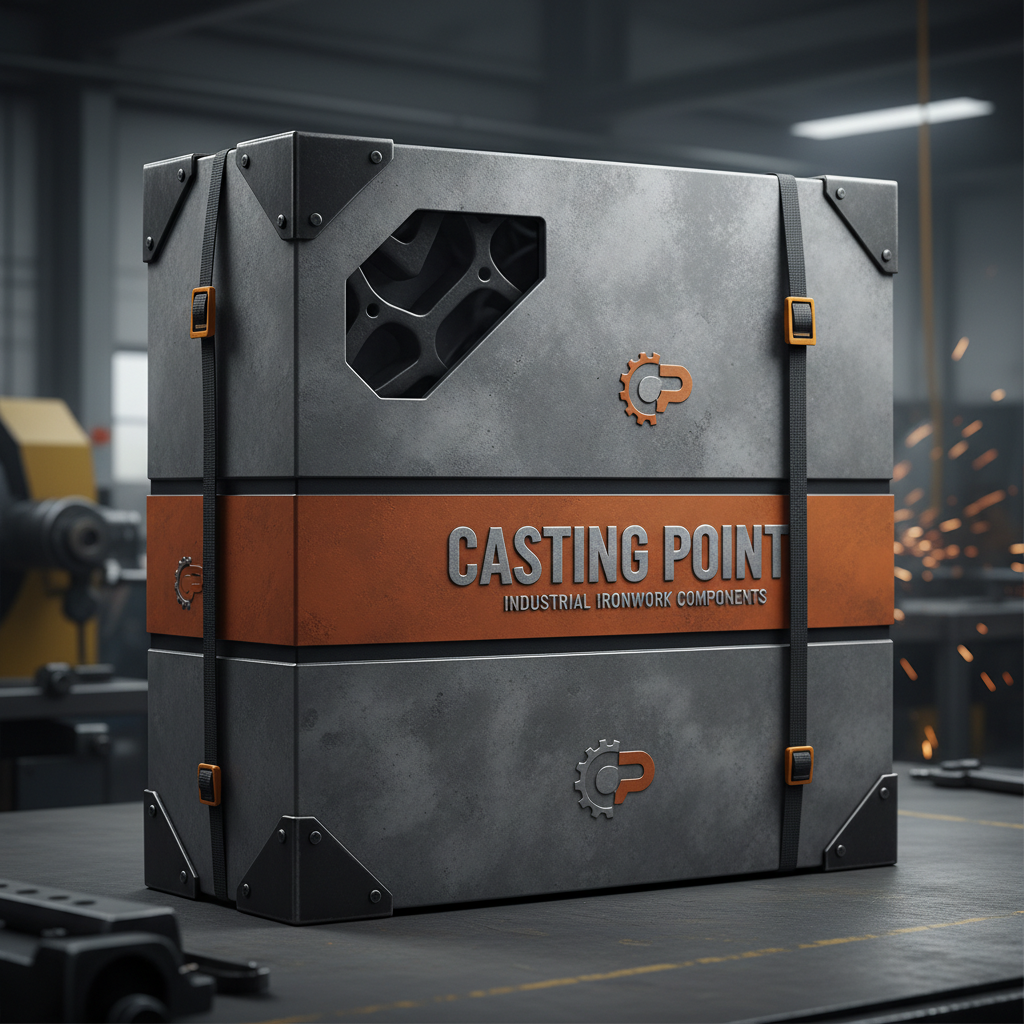
What is a Casting Point (Gate Point)?
A casting point, also known as a gate, is the channel through which molten metal is introduced into the mold cavity. Its design impacts several critical factors, including metal flow rate, turbulence, and solidification patterns. The ideal casting point should facilitate smooth and laminar flow, minimizing air entrapment and ensuring complete mold filling. Poorly designed casting points can lead to defects like porosity, cold shuts, and incomplete castings. At TJ Iron Casting, we utilize advanced simulation software to optimize casting point locations and geometries for each unique part.
Key Takeaway: The casting point is the entry point for molten metal, and its design directly influences the quality, integrity, and overall performance of the finished casting.
Types of Casting Points & Their Applications
Different casting point designs are suited for various applications and casting geometries. Here’s a breakdown of some common types:
- Direct Gating: Metal flows directly into the cavity, often used for simple shapes.
- Indirect Gating: Metal enters a runner system before reaching the cavity, minimizing turbulence.
- Fan Gating: Multiple small gates for thin sections, ensuring even filling.
- Sprue Gating: A vertical channel leading to runners, controlling flow rate.
The selection of the appropriate casting point type depends on factors like part size, shape complexity, metal type, and desired mechanical properties. TJ Iron Casting’s engineering team has the expertise to recommend the optimal gating system for your specific needs.
Casting Point Selection Factors:
• Part Geometry
• Metal Properties
• Desired Mechanical Strength
• Production Volume
Optimizing Casting Point Location for Superior Results
The location of the casting point is just as crucial as its design. Ideally, it should be positioned to:
- Minimize the distance the molten metal must travel.
- Facilitate easy venting of gases.
- Avoid creating turbulence that could trap air.
- Promote directional solidification.
At TJ Iron Casting, we employ advanced simulation technology to analyze metal flow and predict potential defects, allowing us to precisely position casting points for optimal performance. This results in fewer rejects, lower costs, and higher-quality castings.
The Role of Simulation in Casting Point Design
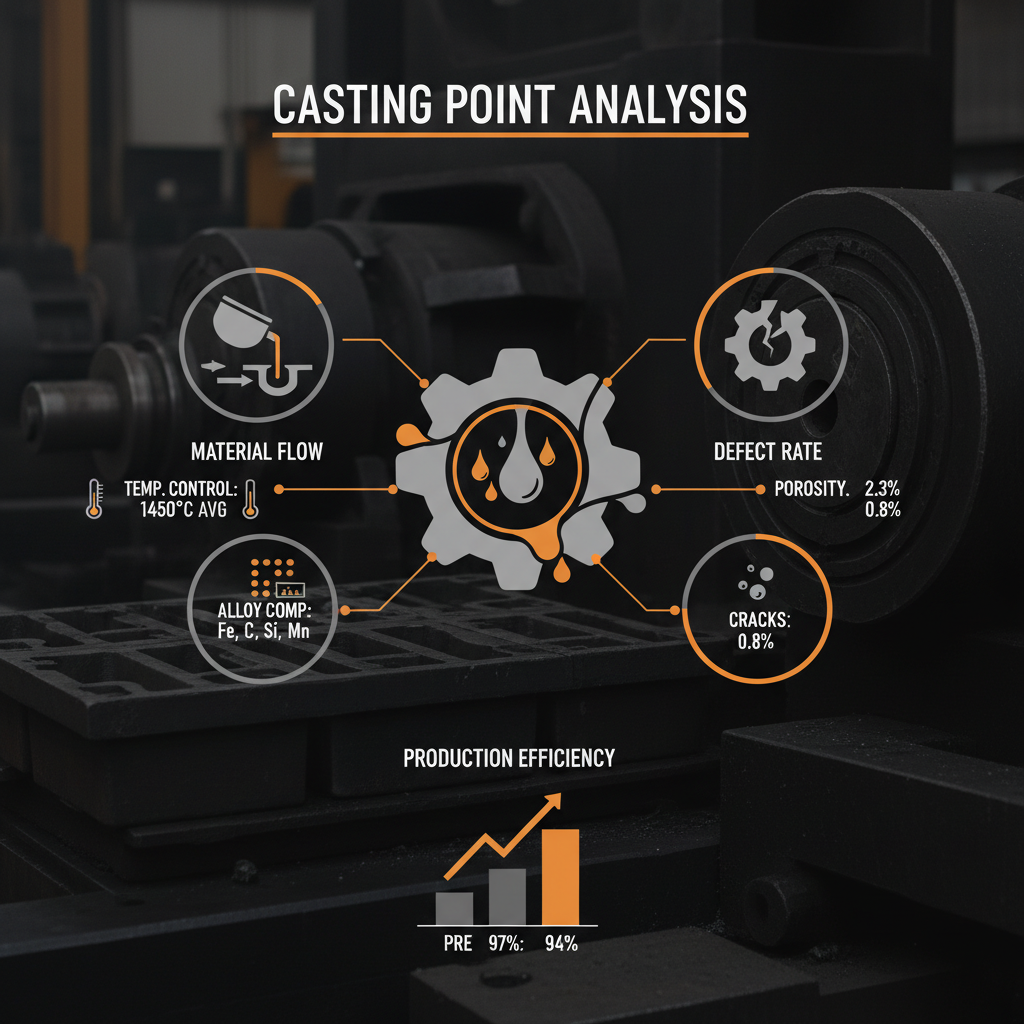
Modern casting processes heavily rely on simulation software to predict metal flow, temperature distribution, and solidification patterns. This allows engineers to virtually test different casting point designs and locations before committing to physical tooling. Simulation helps identify potential problems like air entrapment, cold shuts, and shrinkage porosity, enabling proactive adjustments to ensure optimal casting quality. At TJ Iron Casting, we utilize state-of-the-art simulation tools to refine our casting point strategies and deliver consistently superior results.
Why Choose TJ Iron Casting for Your Iron Casting Needs?
At TJ Iron Casting, we are dedicated to providing high-quality iron castings with a focus on precision and reliability. Our expertise in casting point design, coupled with advanced simulation technology and rigorous quality control, ensures that every casting meets or exceeds your expectations. We serve a diverse range of industries globally, offering tailored solutions to meet your specific needs. Contact us today to discuss your project and experience the TJ Iron Casting difference!
Conclusion
Understanding the importance of the casting point is crucial for achieving high-quality iron castings. TJ Iron Casting’s commitment to precision, innovation, and customer satisfaction makes us a trusted partner for businesses worldwide. Let us help you optimize your casting process and deliver superior results.
Frequently Asked Questions (FAQs)
What materials are commonly used for runners and gates?
Runners and gates are typically made from the same material as the casting itself, ensuring compatibility and similar thermal properties. For iron castings, this usually means gray iron, ductile iron, or cast steel. The choice of material depends on the specific iron alloy being cast and the desired mechanical properties. Using the same material minimizes stress concentrations and avoids potential metallurgical issues during solidification.
How does the size of the casting point affect the metal flow rate?
The size of the casting point directly influences the metal flow rate. A larger casting point allows for a higher flow rate, which is beneficial for filling large cavities quickly. However, a too-large gate can cause excessive turbulence and increase the risk of defects. Conversely, a smaller gate restricts flow, potentially leading to misruns or incomplete filling. The optimal gate size is determined through simulation and careful consideration of the part's geometry and metal properties.
What is the purpose of venting during the casting process?
Venting is crucial to allow gases generated during the pouring and solidification process to escape the mold cavity. These gases, primarily from the decomposition of mold materials and dissolved gases in the molten metal, can cause porosity and other defects if trapped. Vents, typically small channels connected to the atmosphere, provide a pathway for these gases to escape, ensuring a dense and sound casting. Proper venting is a key aspect of successful casting point design.
-
Understanding Iron is What Type of Element and Its PropertiesNewsApr.16,2026
-
How to Identify Prevent and Remove Wrought Iron Rust EffectivelyNewsApr.09,2026
-
Enhance Your Property with Durable and Stylish Iron Gate HandlesNewsApr.07,2026
-
Understanding Wrought Iron vs Iron Properties and ApplicationsNewsApr.04,2026
-
Elevate Your Property with Stunning Gate Wrought Iron Design OptionsNewsMar.31,2026
-
The Enduring Appeal of Ornamental Wrought Iron for Elegant DesignNewsMar.28,2026
-
 Aluminum Ally door and window handle
+
-
 Sliding door window wheel rollers
+
-
 rubber window seal
+
-
 Aluminium Windows Profiles
+
-
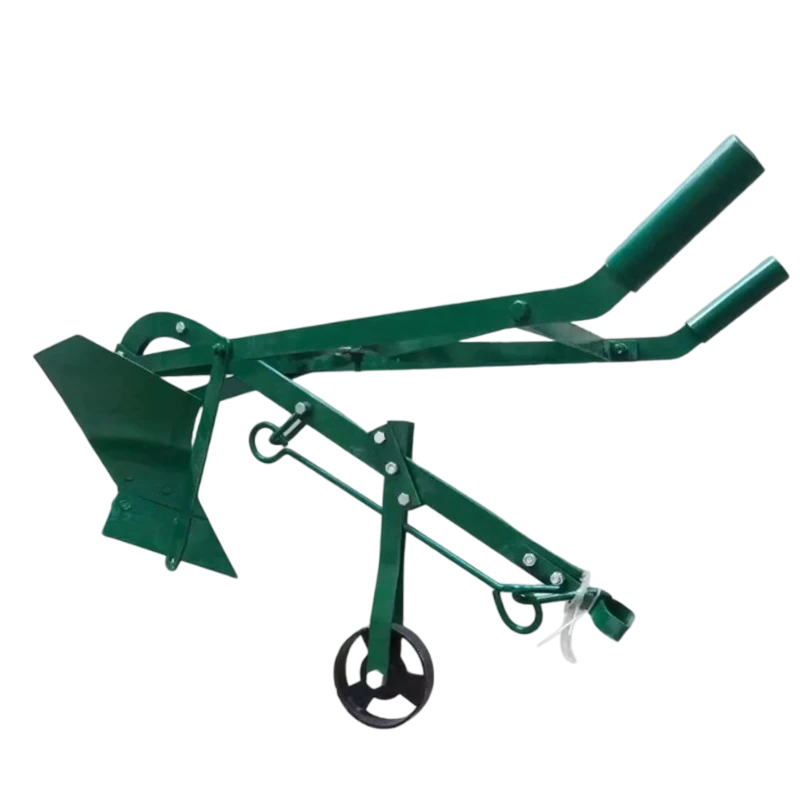 animal drawn plough plows
+
-
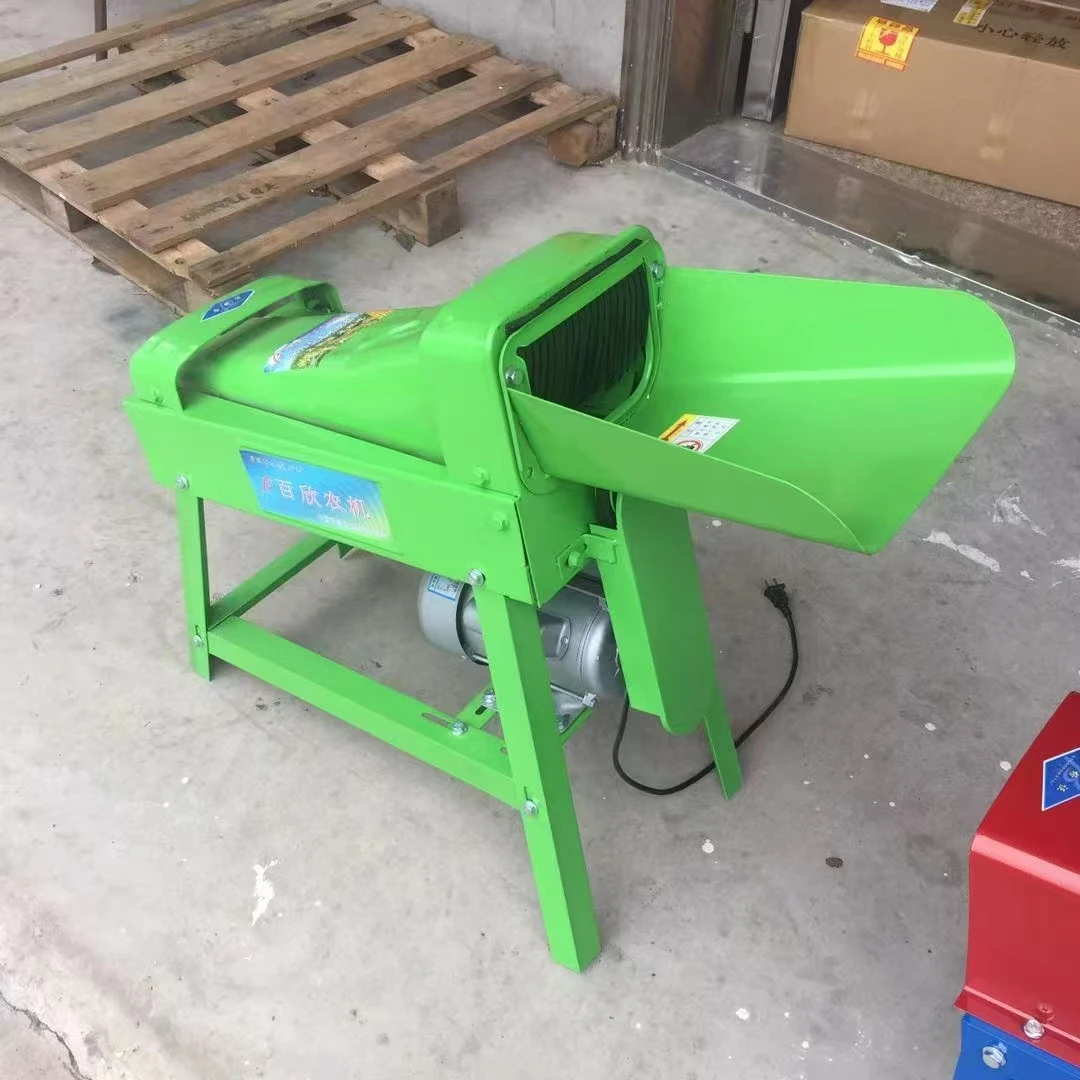 Thresher Machine
+
-
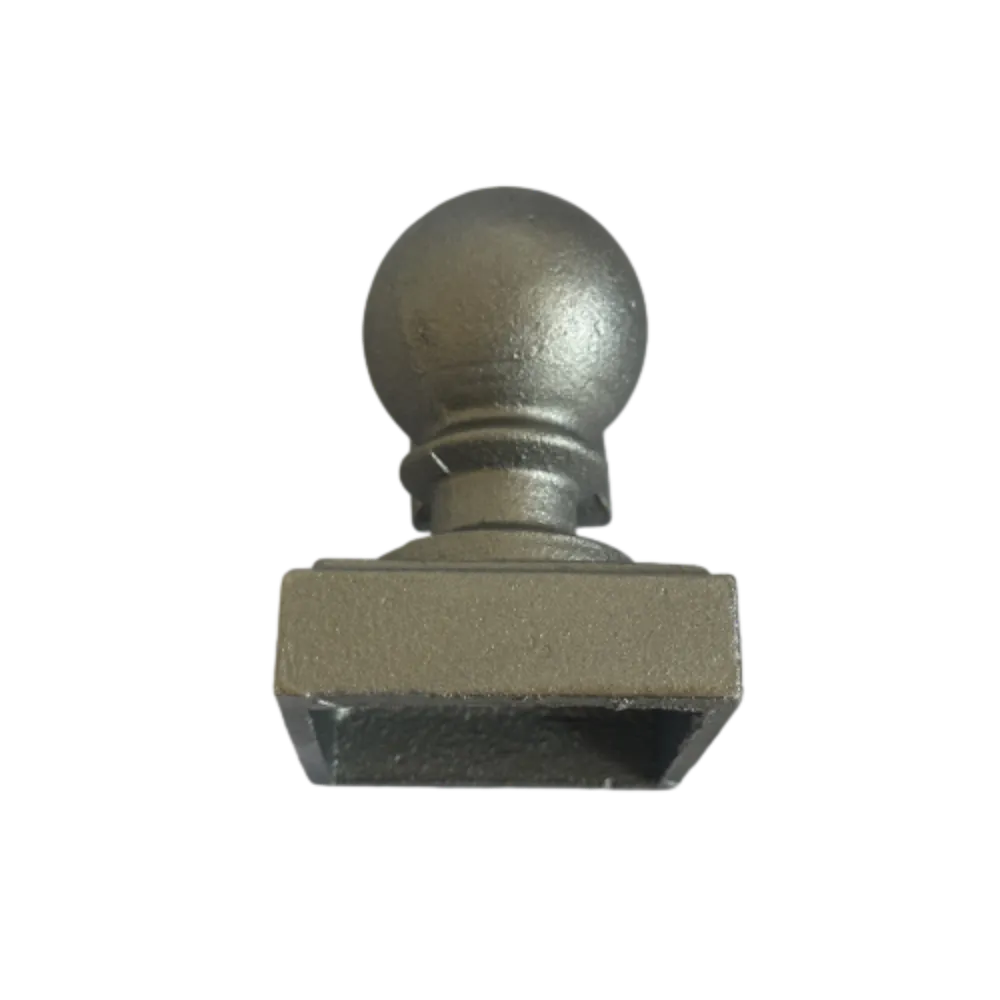 Cast Iron Post Caps
+
-
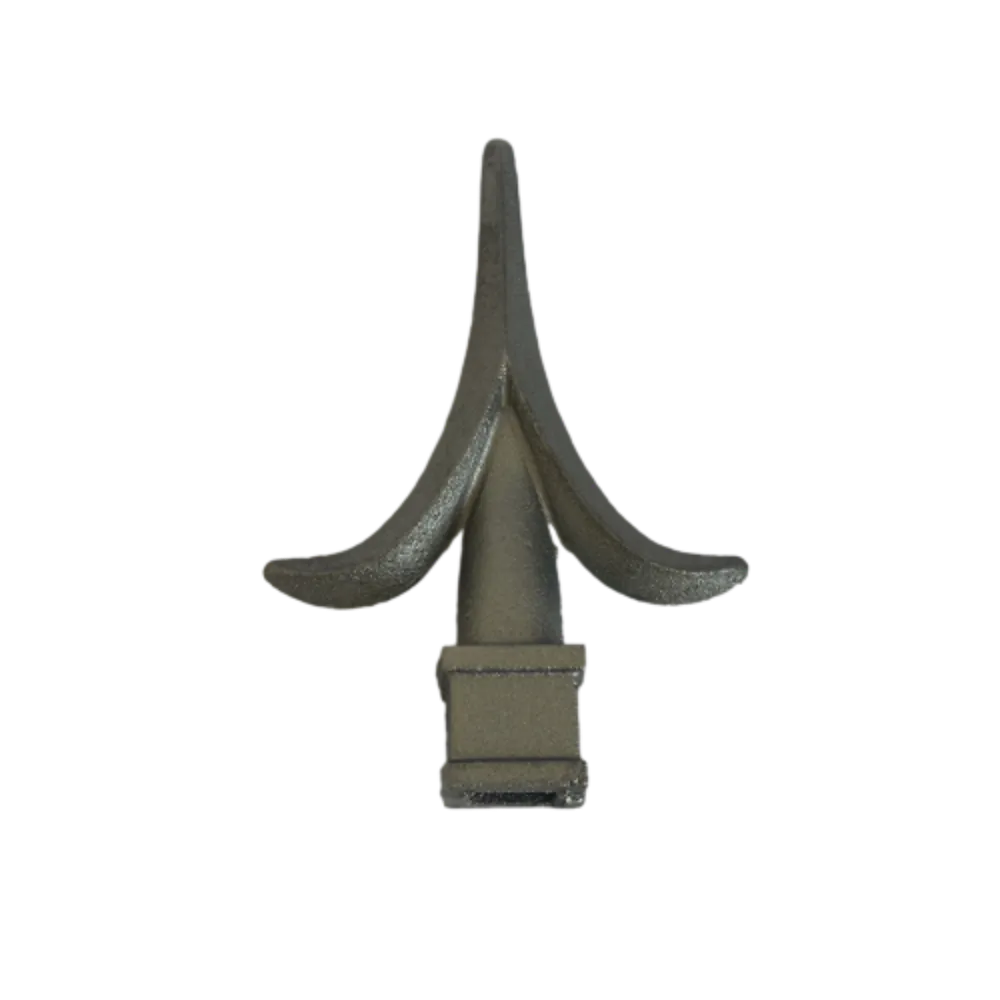 Cast Iron Spear Point Finial
+
-
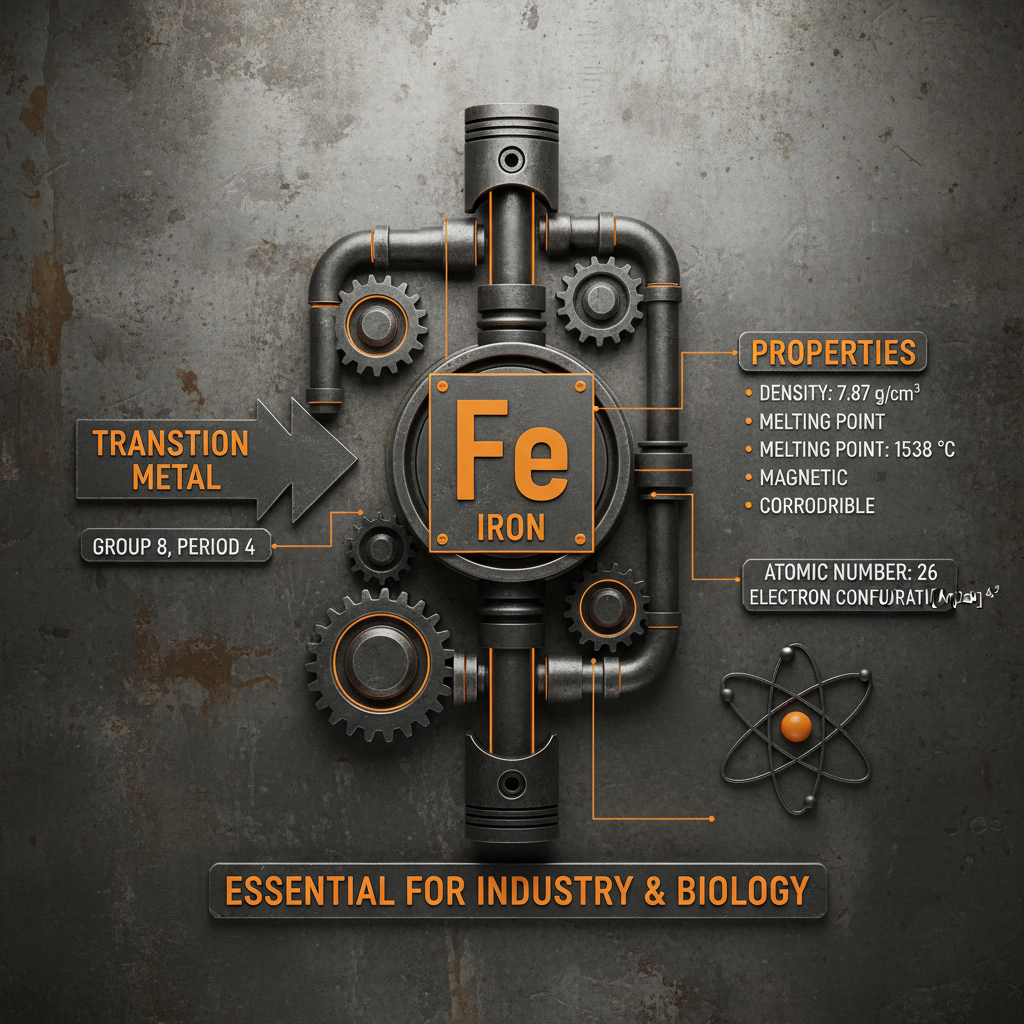 Understanding Iron is What Type of Element and Its PropertiesApr-16-2026Understanding Iron is What Type of Element and Its Properties
 -
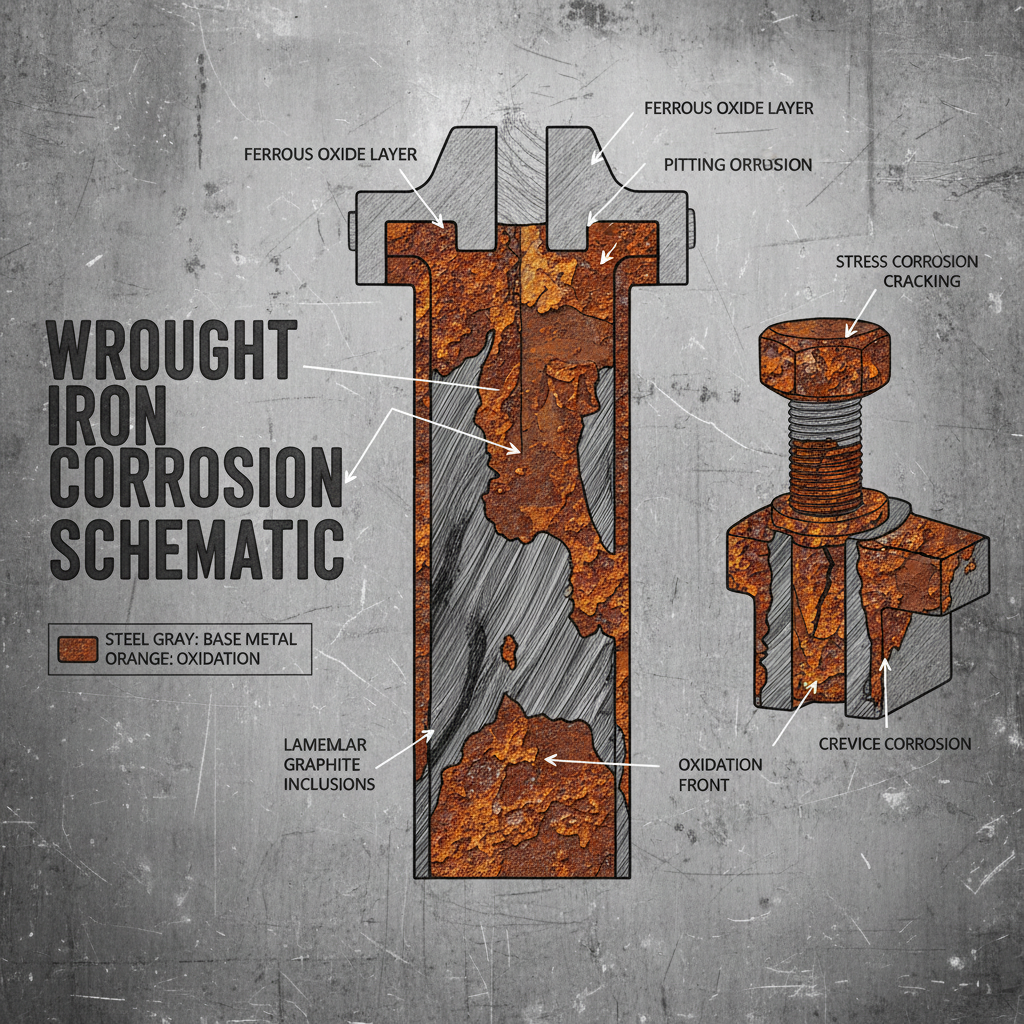 How to Identify Prevent and Remove Wrought Iron Rust EffectivelyApr-09-2026How to Identify Prevent and Remove Wrought Iron Rust Effectively
 -
 Enhance Your Property with Durable and Stylish Iron Gate HandlesApr-07-2026Enhance Your Property with Durable and Stylish Iron Gate Handles


