

Discover the Versatility of Iron On Studs for Stylish Garment Decoration
Choosing the Right Iron On Studs for Your Garments
Iron on studs are a fantastic way to add a touch of edge, personality, and style to clothing, accessories, and crafts. They offer a quick and easy customization solution, eliminating the need for sewing or permanent adhesives. This guide will explore the various types of iron on studs, how to choose the best options for your projects, application techniques, and where to find high-quality studs. Whether you're a fashion designer, DIY enthusiast, or simply looking to revamp your wardrobe, understanding iron on studs is key to achieving professional-looking results. Explore our wide selection of iron on studs today!
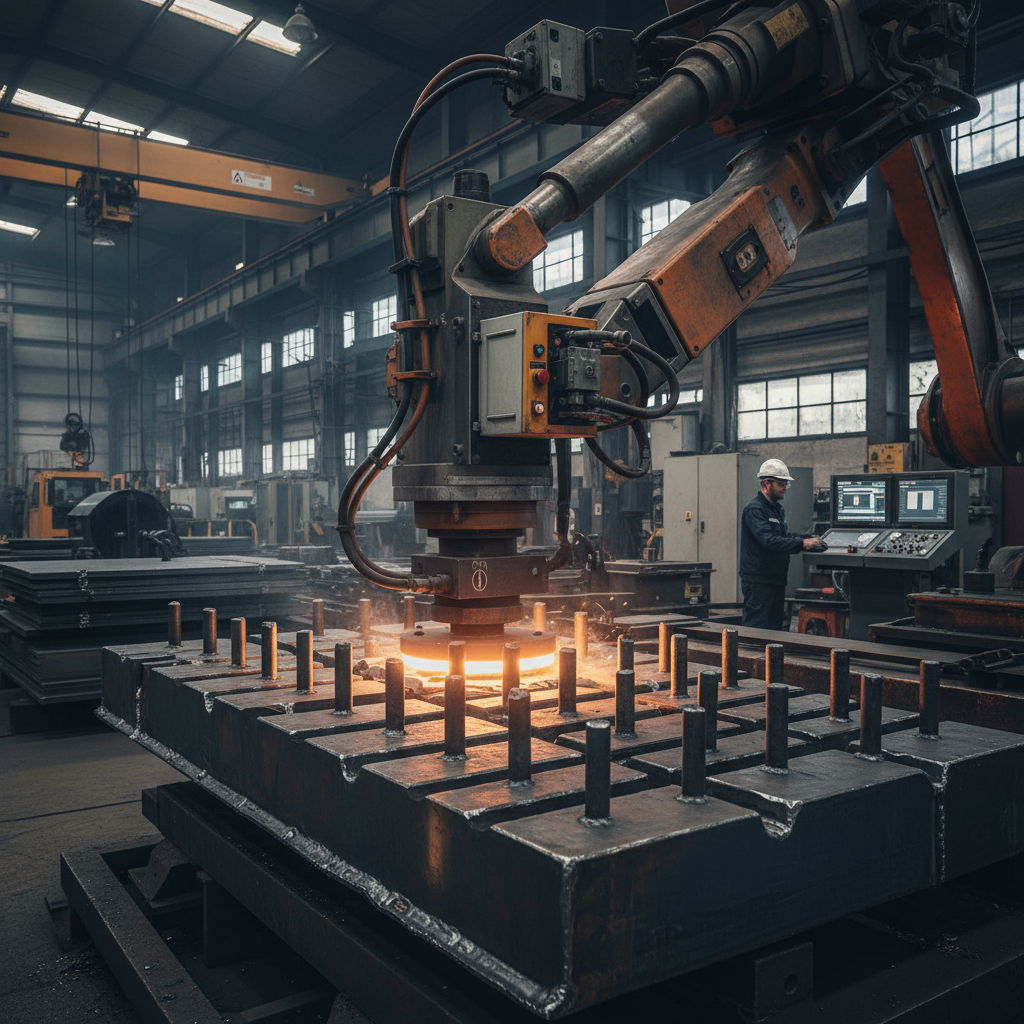
Types of Iron On Studs Available
The world of iron on studs is surprisingly diverse. They come in a huge array of shapes, sizes, colors, and materials. Common types include cone studs, pyramid studs, round studs, square studs, and even novelty shapes like stars or hearts. Material options range from metal alloys (like iron, brass, or stainless steel) to plastic. The finish can also vary - polished, antique, matte, or coated in vibrant colors. Choosing the right type depends on the desired aesthetic and the fabric you’ll be applying them to. Different materials also offer varying levels of durability and resistance to wear and tear.
Key Considerations: Shape, Size, Material, Finish, and intended use are the most important parameters when selecting your iron on studs.
Understanding Stud Materials: A Comparative Look
The material of your iron on studs significantly impacts their durability, appearance, and cost. Iron studs are the most affordable option, but may be prone to rusting if not properly coated. Brass studs offer a more luxurious look and better corrosion resistance. Stainless steel studs are the most durable and rust-resistant, making them ideal for garments that will be frequently washed or exposed to the elements. Plastic studs are lightweight and inexpensive but may not offer the same aesthetic appeal as metal studs. Consider the project's requirements when choosing the material.
Material Comparison:
• Iron: Affordable, but may rust.
• Brass: Durable, corrosion-resistant, luxurious look.
• Stainless Steel: Highly durable, rust-resistant, premium price.
• Plastic: Lightweight, inexpensive, less durable.
How to Choose the Best Iron On Studs for Different Fabrics
Different fabrics require different approaches when applying iron on studs. For delicate fabrics like silk or lace, choose smaller, lighter studs and use a low heat setting. For heavier fabrics like denim or canvas, you can use larger studs and a higher heat setting. Always test the iron on a scrap piece of fabric first to ensure it doesn’t damage the material. Consider the fabric’s color; darker studs look best on lighter fabrics, and vice versa. Additionally, ensure the fabric can withstand the heat of the iron without melting or scorching.
Application Techniques for Long-Lasting Results
Applying iron on studs properly is crucial for ensuring they stay securely attached. First, preheat your iron to the appropriate setting (refer to the fabric chart above). Place the stud with the glue side down onto the fabric. Cover the stud with a thin cloth (like a pressing cloth) to protect the fabric and the stud. Press firmly with the iron for the recommended time (usually 20-30 seconds). Allow the stud to cool completely before testing its adhesion. For extra security, you can hand-stitch around the base of the stud after ironing.

Where to Buy High-Quality Iron On Studs
Finding a reliable supplier is essential for obtaining high-quality iron on studs. Look for vendors that offer a wide selection, competitive pricing, and positive customer reviews. TJJ Iron Casting is a trusted source for premium iron on studs in various styles, sizes, and materials. We pride ourselves on delivering exceptional quality and customer service. Browse our collection today and elevate your designs!
Conclusion: Express Your Style with Iron On Studs
Iron on studs provide a simple yet effective way to personalize clothing and accessories. By understanding the different types, materials, and application techniques, you can create unique and eye-catching designs. Don't hesitate to experiment and unleash your creativity! Visit TJJ Iron Casting for all your iron on stud needs.
Frequently Asked Questions (FAQs)
Will iron on studs fall off after washing?
While iron on studs are designed to withstand washing, their longevity depends on proper application and fabric care. Always turn garments inside out before washing and use a gentle cycle with cold water. Avoid harsh detergents or bleach. Hand-stitching around the studs provides extra security. Using high-quality studs with a strong adhesive backing also increases the likelihood of them remaining securely attached after multiple washes.
Can I use iron on studs on leather?
Applying iron on studs to leather can be tricky. Leather doesn't respond well to high heat and can be damaged by the iron. It's generally recommended to avoid using iron on studs directly on leather. Instead, consider using studs specifically designed for leather, which are typically attached with rivets or glue. Alternatively, you can try using a low heat setting and a pressing cloth, but test on a hidden area first to ensure it doesn’t damage the leather.
What if the stud doesn’t stick after ironing?
If the stud doesn't adhere properly after ironing, it could be due to several reasons. The iron may not have been hot enough, or you may not have applied enough pressure. Also, the fabric might be coated with a water-repellent finish. Re-iron the stud for a longer duration, ensuring firm pressure and a clean, dry surface. If it still doesn’t stick, you can use a fabric glue specifically designed for embellishments to secure it.
Are there any safety precautions I should take when using iron on studs?
Always exercise caution when working with a hot iron. Use a stable ironing surface and keep children and pets away. Avoid touching the hot iron or the heated studs. It’s a good idea to use a pressing cloth to protect both your fabric and the iron. If you're using studs with sharp points, handle them carefully to avoid injuries.
-
Understanding Iron is What Type of Element and Its PropertiesNewsApr.16,2026
-
How to Identify Prevent and Remove Wrought Iron Rust EffectivelyNewsApr.09,2026
-
Enhance Your Property with Durable and Stylish Iron Gate HandlesNewsApr.07,2026
-
Understanding Wrought Iron vs Iron Properties and ApplicationsNewsApr.04,2026
-
Elevate Your Property with Stunning Gate Wrought Iron Design OptionsNewsMar.31,2026
-
The Enduring Appeal of Ornamental Wrought Iron for Elegant DesignNewsMar.28,2026
-
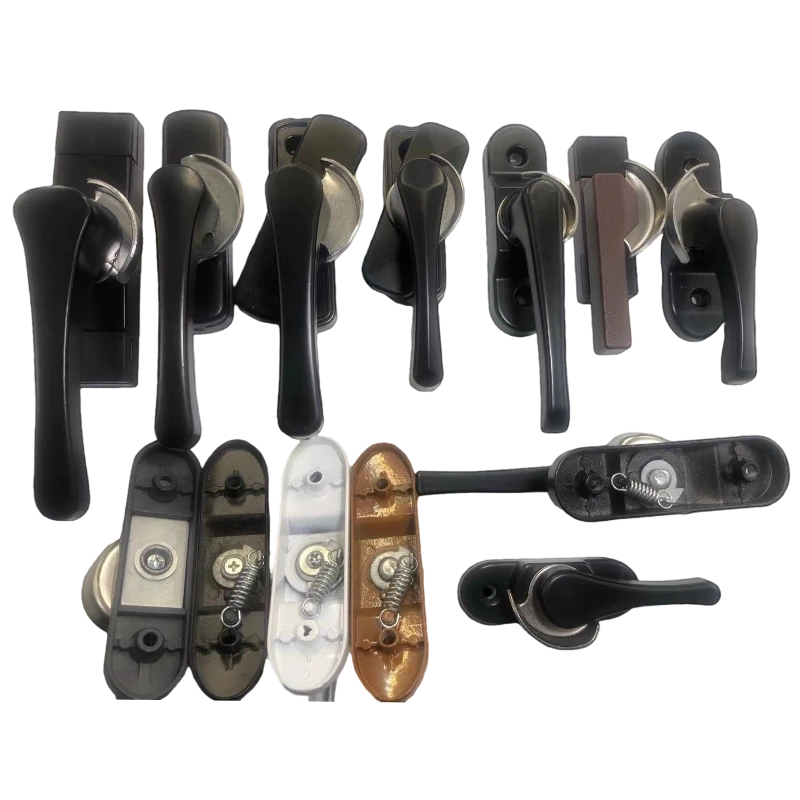 Aluminum Ally door and window handle
+
-
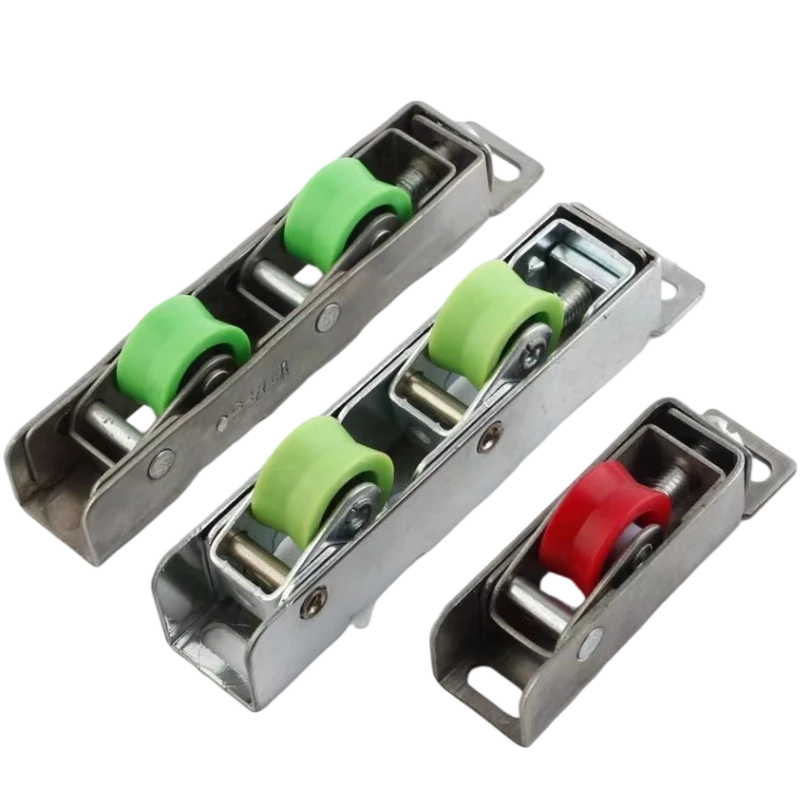 Sliding door window wheel rollers
+
-
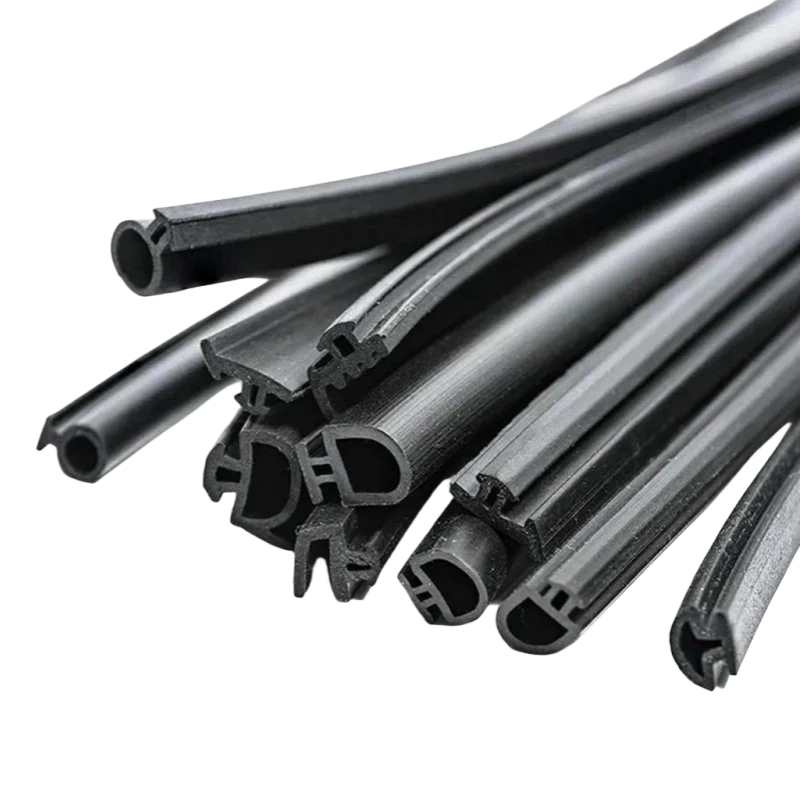 rubber window seal
+
-
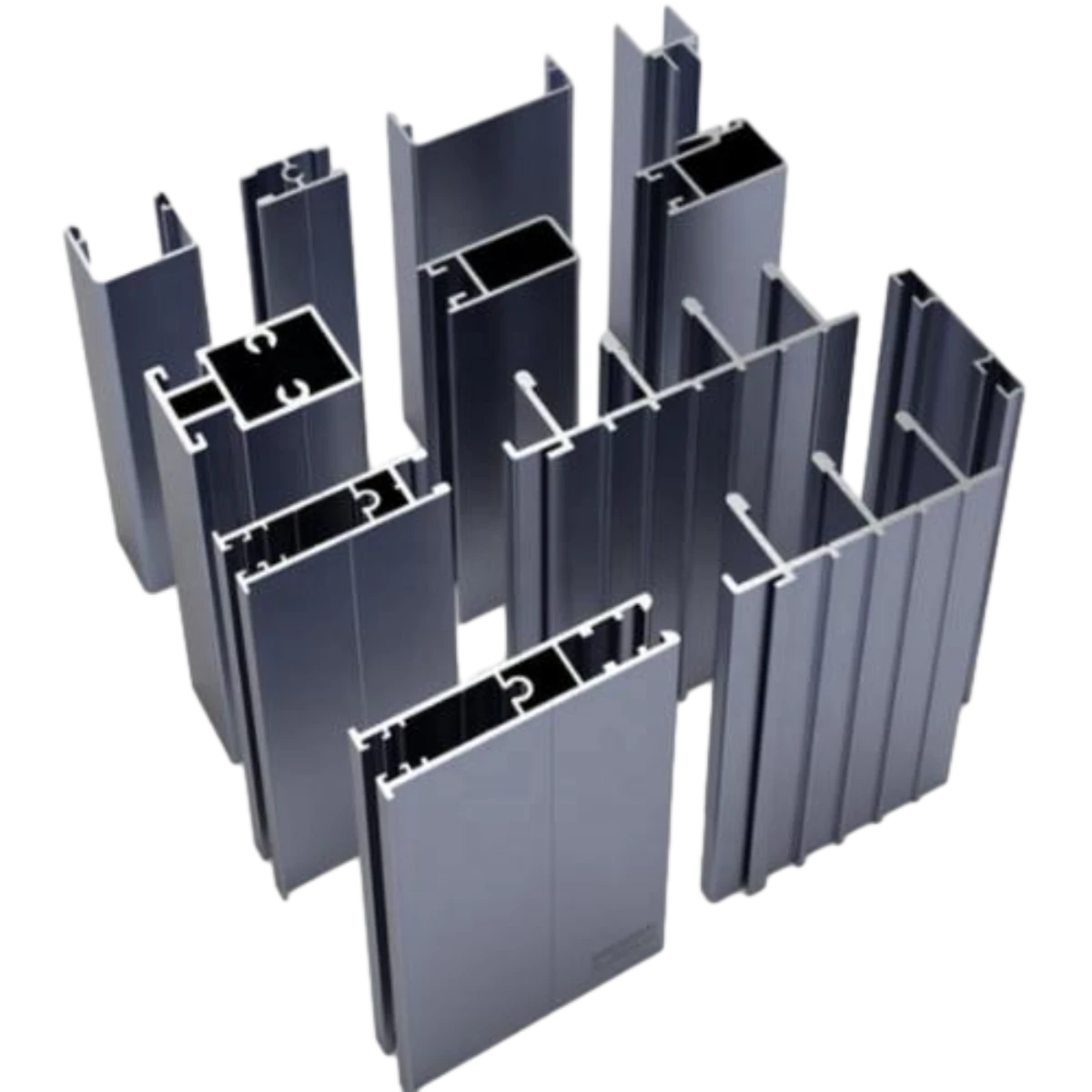 Aluminium Windows Profiles
+
-
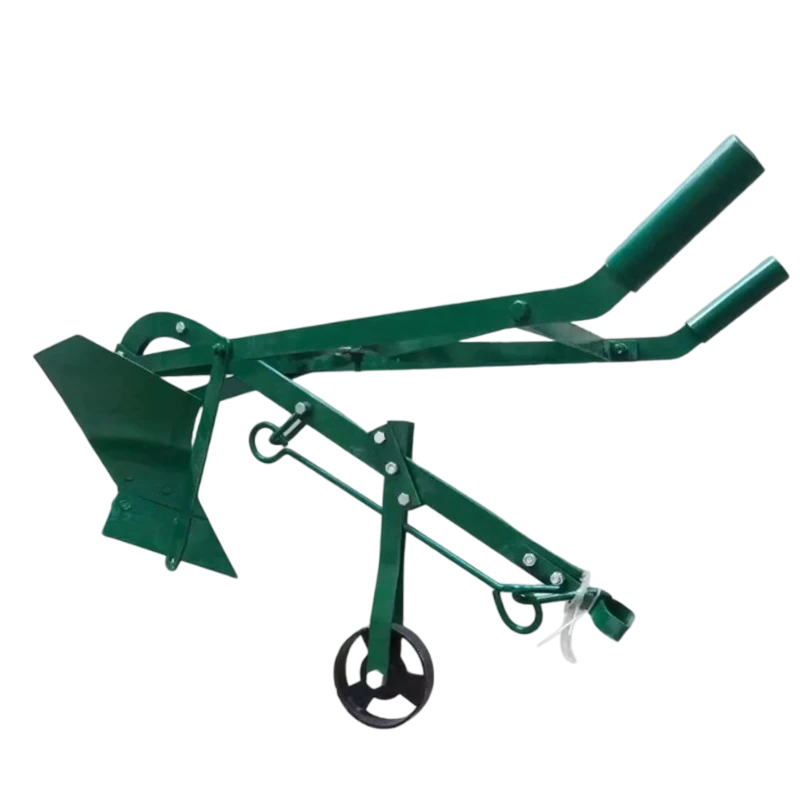 animal drawn plough plows
+
-
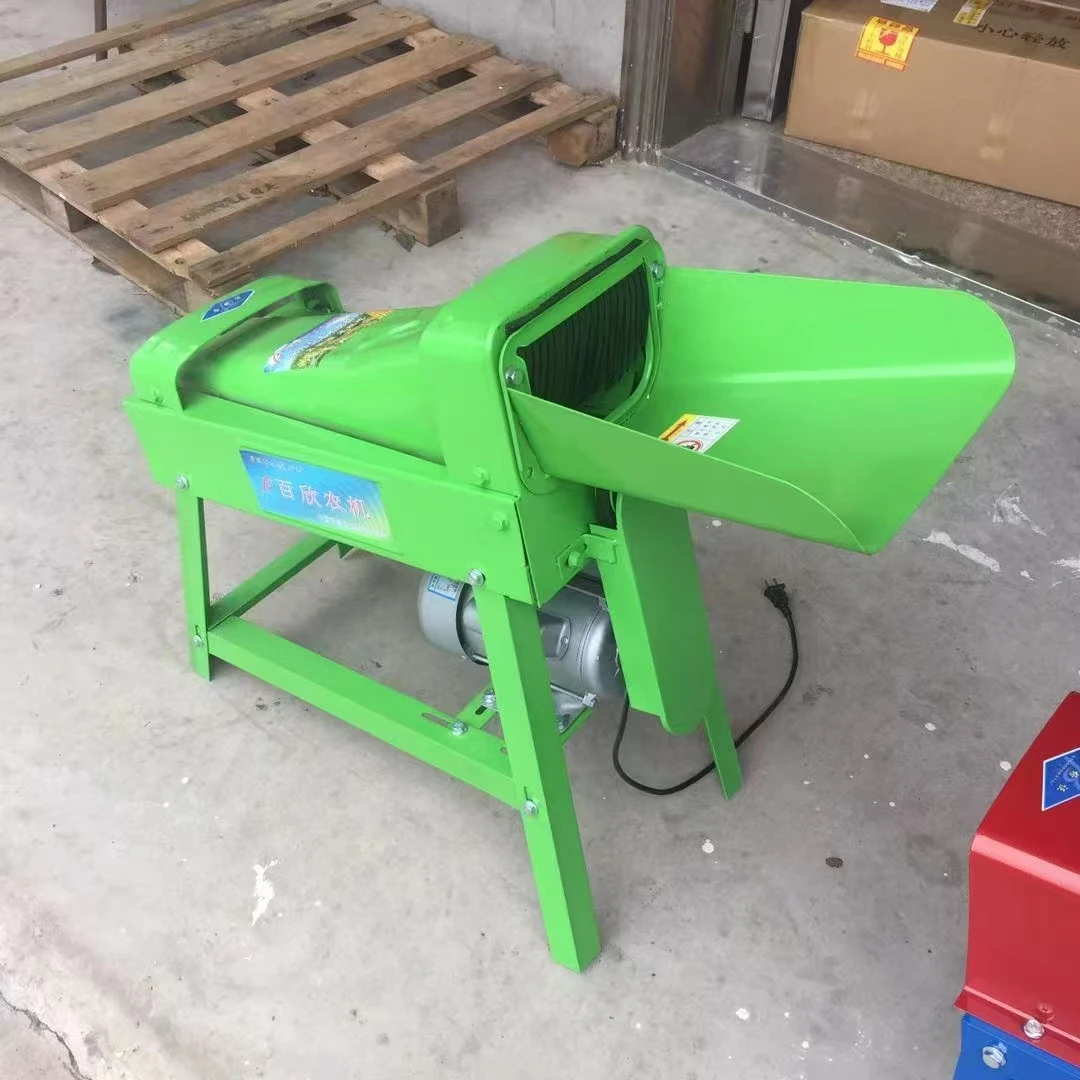 Thresher Machine
+
-
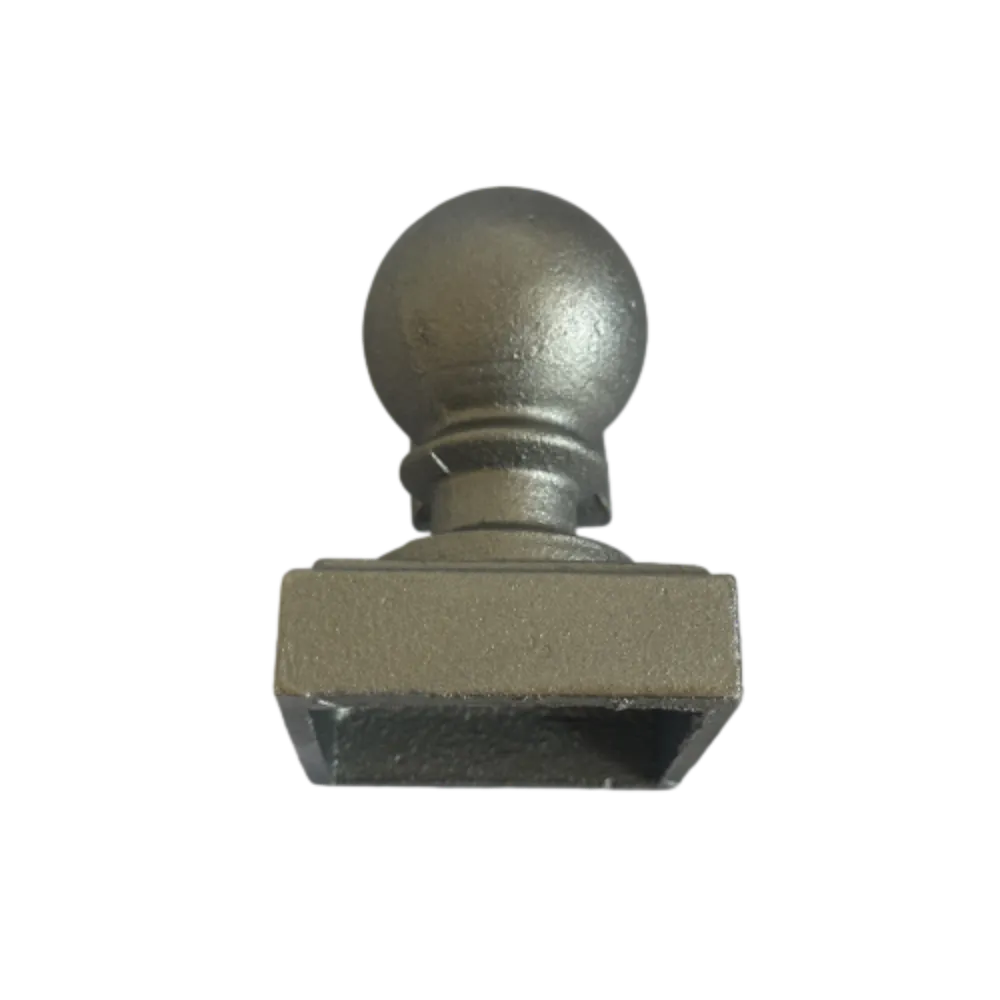 Cast Iron Post Caps
+
-
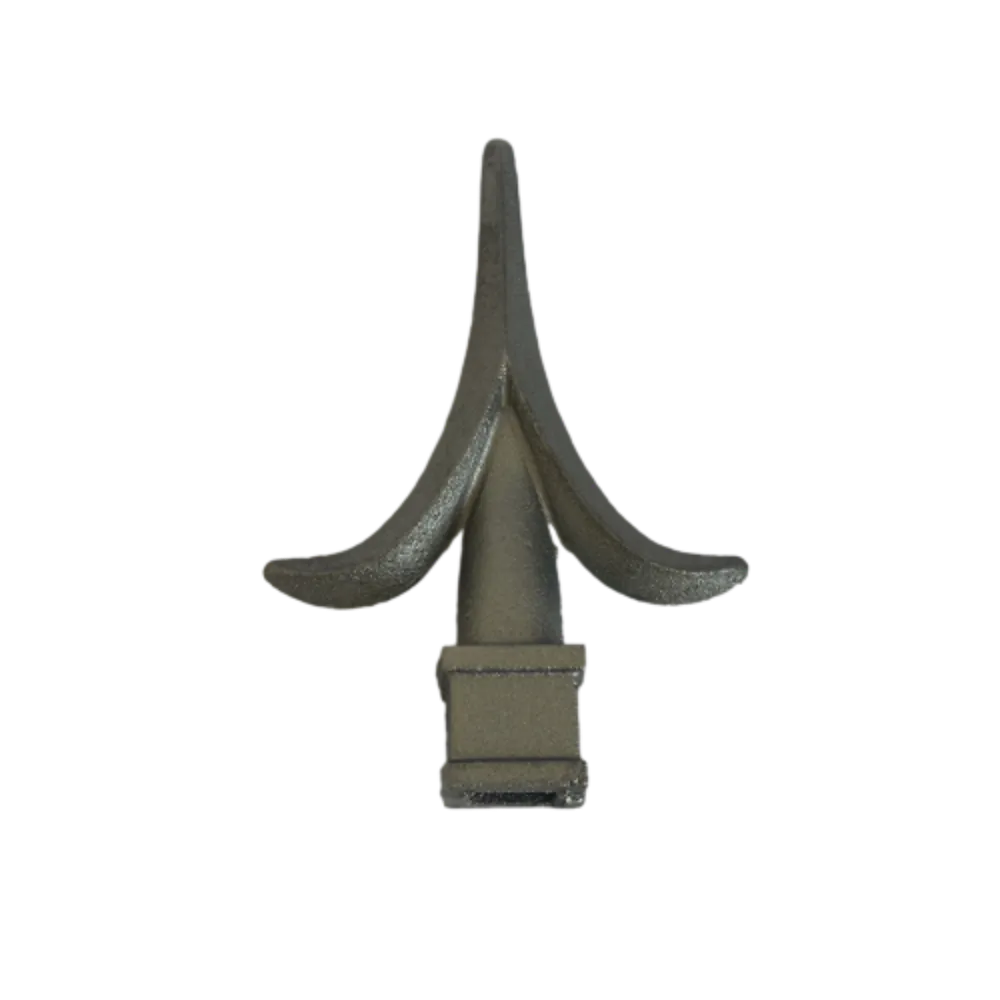 Cast Iron Spear Point Finial
+
-
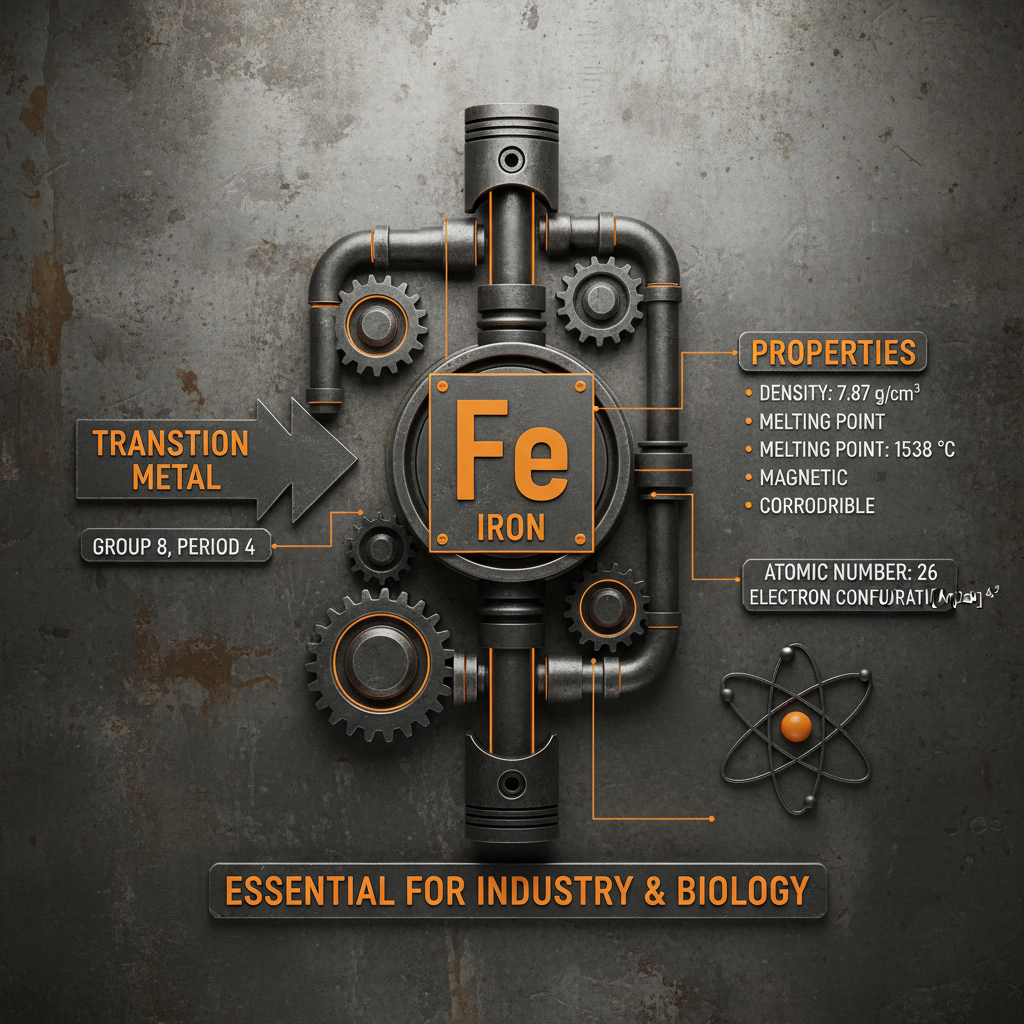 Understanding Iron is What Type of Element and Its PropertiesApr-16-2026Understanding Iron is What Type of Element and Its Properties
 -
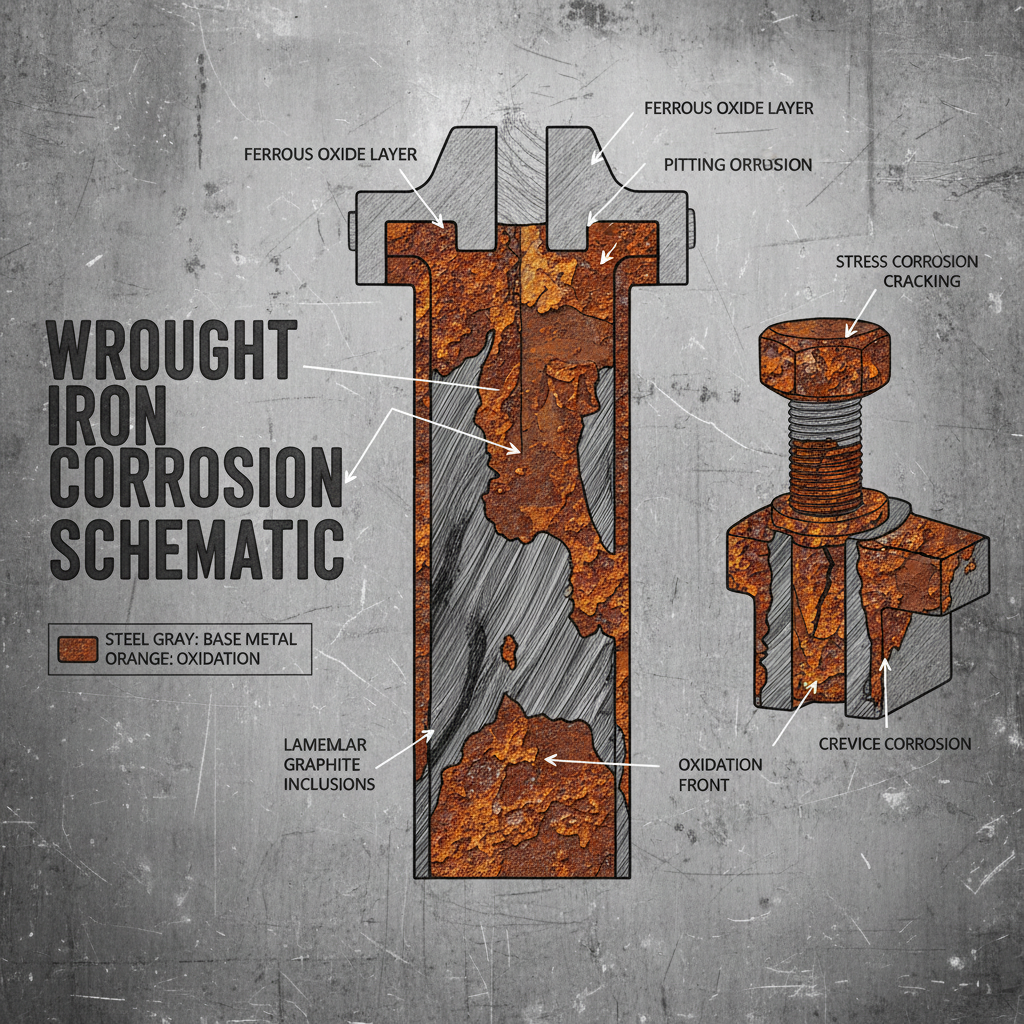 How to Identify Prevent and Remove Wrought Iron Rust EffectivelyApr-09-2026How to Identify Prevent and Remove Wrought Iron Rust Effectively
 -
 Enhance Your Property with Durable and Stylish Iron Gate HandlesApr-07-2026Enhance Your Property with Durable and Stylish Iron Gate Handles


