Thin profile aluminium windows represent a significant advancement in architectural design and construction. They offer a sleek, modern aesthetic combined with superior performance characteristics, making them increasingly popular in both residential and commercial projects. These windows are engineered to maximize glass area while minimizing the visible frame, creating expansive views and a greater connection with the outdoors. Understanding their benefits is crucial for architects, builders, and homeowners seeking energy efficiency, durability, and aesthetic appeal.
Globally, the demand for sustainable and high-performing building materials is rapidly increasing, driven by factors such as stricter energy codes, growing environmental awareness, and evolving design preferences. Thin profile aluminium windows directly address these needs by offering excellent thermal performance, reducing energy consumption, and providing a long-lasting, low-maintenance solution. The market for aluminium windows is projected to continue its upward trajectory, spurred by innovation in materials and manufacturing techniques.
The versatility of these windows also makes them ideal for a wide range of applications, from modern homes and high-rise buildings to historic renovations and custom architectural designs. Their strength and stability allow for larger spans and more complex geometries, offering architects greater design freedom. The increased interest in biophilic design – incorporating natural elements into the built environment – further fuels the demand for windows that seamlessly blend indoor and outdoor spaces.
Introduction to Thin Profile Aluminium Windows
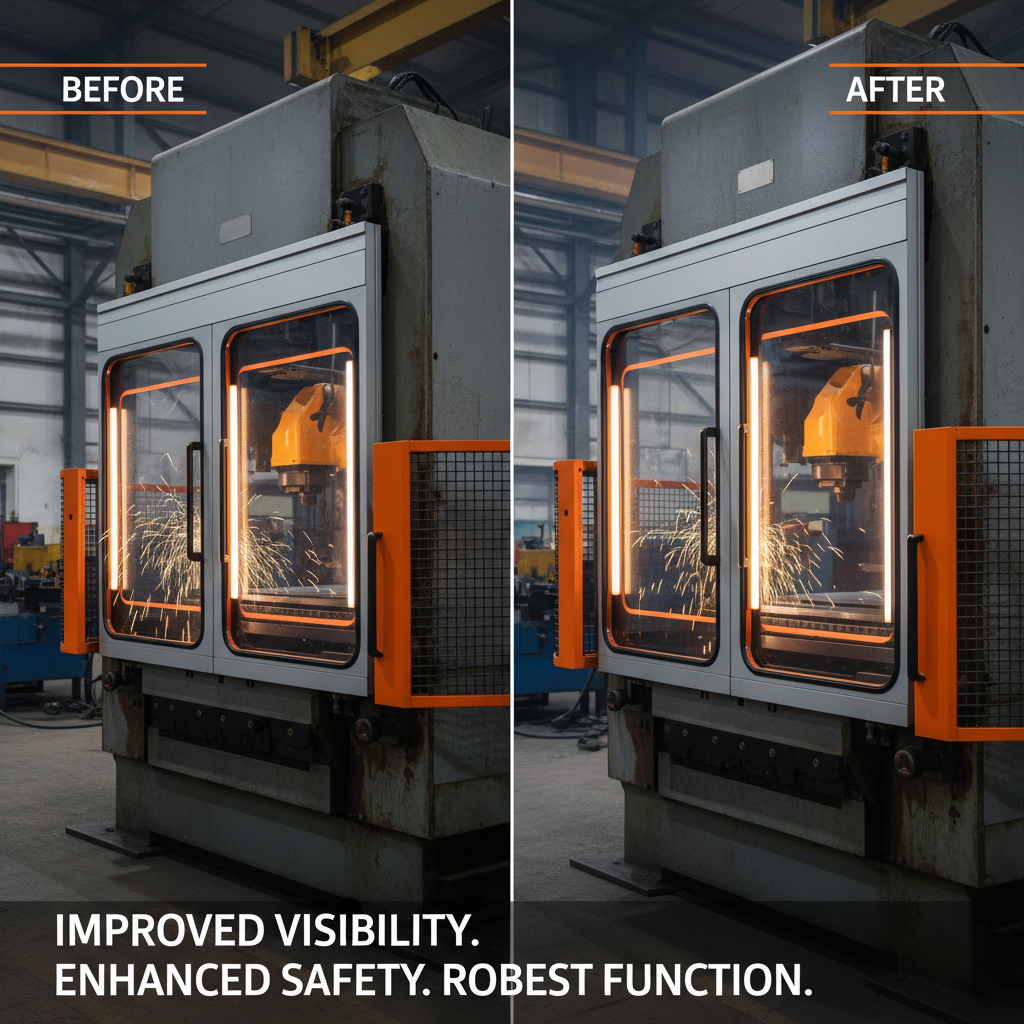
Thin profile aluminium windows are characterized by their minimal frame size, maximizing the glazed area and offering unobstructed views. This is achieved through innovative design and manufacturing processes, utilizing high-strength aluminium alloys that allow for slimmer profiles without compromising structural integrity. This contrasts sharply with traditional window frames, which often feature bulky and visually intrusive profiles.
The benefits extend beyond aesthetics; a reduced frame also translates to increased solar heat gain in winter and minimizes heat transfer in summer, contributing to improved energy efficiency. This makes them a valuable asset in reducing heating and cooling costs and achieving green building certifications. Furthermore, the durability of aluminium ensures a long lifespan with minimal maintenance, enhancing their overall value proposition.
Global Relevance and Industry Context
The global construction industry is experiencing a period of rapid growth, particularly in emerging economies. According to a report by the UN, urbanization is projected to continue at a significant pace, with nearly 70% of the world’s population expected to live in urban areas by 2050. This drives demand for innovative and sustainable building solutions, including high-performance windows like those featuring thin profile aluminium frames. The World Bank also highlights the importance of resource efficiency in infrastructure development, further emphasizing the need for durable and low-maintenance materials.
A key challenge within the industry is balancing cost-effectiveness with environmental responsibility. Traditional building materials often have a significant carbon footprint and require frequent replacement. Thin profile aluminium windows offer a compelling alternative, boasting a high recycled content and a long service life. Furthermore, advancements in thermal break technology are constantly improving their energy performance, reducing reliance on fossil fuels.
The ISO standards governing building materials and energy efficiency are becoming increasingly stringent worldwide. Manufacturers of thin profile aluminium windows are responding by investing in research and development to meet these evolving requirements, ensuring their products comply with the latest regulations and provide optimal performance. This commitment to quality and sustainability is critical for securing a competitive advantage in the global market.
Defining Thin Profile Aluminium Windows
Thin profile aluminium windows are a type of window where the aluminium frame is significantly reduced in width compared to traditional designs. This is achieved through advanced extrusion techniques and the use of high-strength alloys that allow for structural stability with less material. Typically, a "thin profile" refers to a frame depth of 50mm or less, though this can vary depending on the manufacturer and specific application.
These windows directly respond to the modern architectural trend of maximizing natural light and creating seamless transitions between indoor and outdoor spaces. They connect directly to the growing demand for minimalist aesthetics, offering a clean and contemporary look that enhances the visual appeal of any building.
Their connection to modern industry and humanitarian needs stems from their durability, versatility, and energy efficiency. They are suitable for a wide range of climates and applications, including residential buildings, commercial structures, and even disaster relief housing, providing safe, comfortable, and sustainable shelter.
Key Factors and Core Components
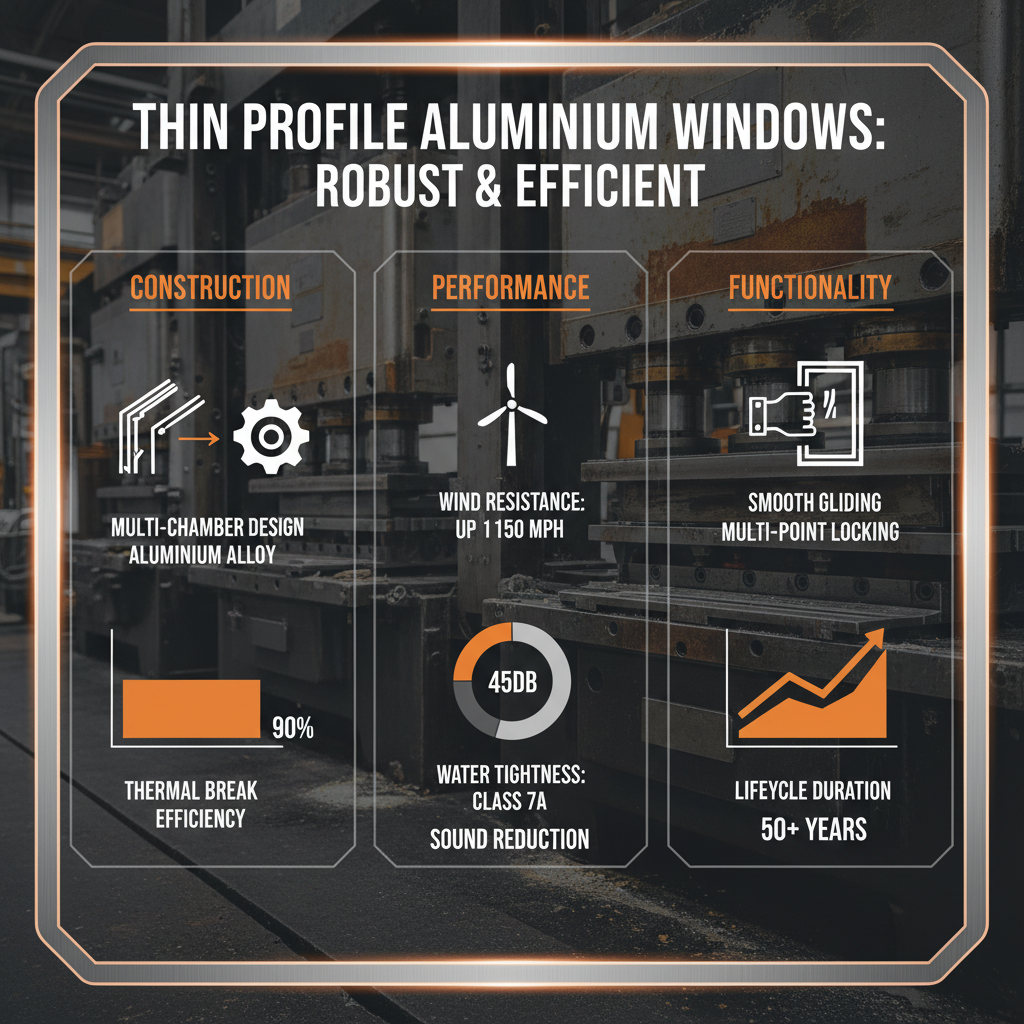
Several key factors contribute to the performance and desirability of thin profile aluminium windows. Durability is paramount; aluminium is inherently corrosion-resistant and can withstand harsh weather conditions, requiring minimal maintenance over its lifespan. Thermal Performance is crucial for energy efficiency; utilizing thermal break technology prevents heat transfer through the frame, reducing energy consumption.
Design Flexibility is another important aspect. The ability to create large, unobstructed openings allows architects greater creative freedom. Cost-Effectiveness is also a factor, particularly considering the long-term benefits of reduced energy bills and minimal maintenance. Finally, Sustainability plays a crucial role, as aluminium is a highly recyclable material. The core components include the aluminium profile itself, high-performance glazing, thermal breaks, seals, and hardware.
Thermal Performance of Different thin profile aluminium windows Methods
Global Applications and Use Cases
Thin profile aluminium windows are utilized extensively in both residential and commercial construction across the globe. In Europe, they are a common sight in modern homes and apartment buildings, valued for their sleek aesthetics and energy efficiency. In North America, they are increasingly popular in high-rise developments and luxury residences.
The versatility of these windows extends beyond traditional building applications. They are also used in specialized projects such as conservatories, sunrooms, and curtain wall systems. In post-disaster relief operations, lightweight and durable aluminium windows can provide rapid shelter solutions, offering improved security and weather protection.
Furthermore, in remote industrial zones or challenging environments where durability and low maintenance are critical, thin profile aluminium windows offer a reliable and cost-effective solution. The automotive and marine industries have also adopted similar aluminium framing techniques, demonstrating the broad applicability of this technology.
Advantages and Long-Term Value
The advantages of thin profile aluminium windows are numerous and far-reaching. Tangible benefits include reduced energy costs through superior thermal performance, increased property value due to their modern aesthetics, and minimized maintenance requirements thanks to aluminium's corrosion resistance. These aspects combine to offer a significant return on investment over the lifespan of the windows.
Beyond the purely practical, these windows offer emotional and logical value. They enhance the sense of safety and security, provide a greater connection to the outdoors, and contribute to a more comfortable and inviting living or working environment. They represent an investment in quality, innovation, and a sustainable future, fostering trust and confidence in the building owner.
Future Trends and Innovations
The future of thin profile aluminium windows is poised for further innovation. Developments in glazing technology, such as triple-pane glass and low-emissivity coatings, will continue to enhance their thermal performance. Integration with smart home systems, allowing for automated shading and ventilation control, is also becoming increasingly common.
The use of recycled aluminium and bio-based materials in window manufacturing is expected to gain traction, driven by growing environmental concerns. Digital fabrication techniques, such as 3D printing, may enable the creation of custom window designs with greater precision and efficiency. Advancements in automation and robotics will streamline the manufacturing process, reducing costs and improving quality control.
Challenges & Solutions
Despite their numerous advantages, thin profile aluminium windows face certain challenges. One common limitation is the potential for thermal bridging, where heat can be conducted through the aluminium frame. However, this is effectively addressed through the use of high-performance thermal breaks, which minimize heat transfer.
Another challenge is the initial cost, which can be higher than that of traditional window materials. However, this cost is often offset by long-term savings on energy bills and reduced maintenance expenses. Furthermore, manufacturers are continually working to optimize their manufacturing processes and reduce production costs.
The design and implementation of appropriate drainage systems are also crucial to prevent water damage. Expert installation and careful attention to detail are essential for ensuring long-term performance and durability. Proper sealing and weatherstripping are vital to prevent air and water infiltration, maintaining energy efficiency and occupant comfort.
Table summarizing common challenges and solutions related to thin profile aluminium windows.
| Challenge |
Impact |
Solution |
Implementation Cost (1-10) |
| Thermal Bridging |
Reduced Energy Efficiency |
High-Performance Thermal Breaks |
6 |
| Initial Cost |
Budget Constraints |
Long-Term Savings Analysis |
4 |
| Water Infiltration |
Structural Damage |
Proper Sealing & Drainage |
5 |
| Condensation |
Mold Growth & Damage |
Optimized Ventilation |
3 |
| Installation Errors |
Reduced Performance |
Certified Installers |
7 |
| Corrosion (in Coastal Areas) |
Structural Weakness |
Marine-Grade Aluminium Alloys |
8 |
FAQS
Thin profile aluminium windows offer several advantages over PVC. Aluminium is significantly stronger, allowing for larger glass areas and slimmer frames, maximizing views and light intake. It's also more durable, corrosion-resistant, and has a longer lifespan. While PVC offers good thermal performance, modern aluminium windows with thermal breaks can match or even exceed PVC’s insulation capabilities. Finally, aluminium is fully recyclable, making it a more sustainable choice.
Thermal breaks are non-conductive materials inserted within the aluminium frame to prevent heat transfer. Aluminium is a highly conductive metal, meaning it readily allows heat to pass through. Without a thermal break, heat would easily flow from inside to outside in winter and vice versa in summer. A thermal break creates a barrier, significantly reducing this heat transfer and improving the window’s overall energy performance.
With proper care and maintenance, thin profile aluminium windows can last for 50 years or more. Aluminium is highly resistant to corrosion, weathering, and UV damage. Regular cleaning and occasional lubrication of moving parts are the primary maintenance requirements. This longevity makes them a cost-effective investment over the long term.
Yes, thin profile aluminium windows can be adapted for a wide range of climates. With appropriate glazing options (such as double or triple-pane glass with low-e coatings) and effective thermal breaks, they can provide excellent insulation in cold climates. In hot climates, they can be combined with solar control coatings to reduce heat gain and glare. Proper ventilation and drainage systems are also crucial for optimal performance.
Maintenance is generally minimal. Regular cleaning with mild soap and water is recommended to remove dirt and debris. Occasionally, the hinges and locking mechanisms may require lubrication. Inspect the seals and weatherstripping periodically and replace them if they are damaged or worn. Avoid using abrasive cleaners or harsh chemicals, as these can damage the aluminium finish.
Aluminium is a highly recyclable material, reducing the environmental impact of window production. Thin profile designs use less material overall, further conserving resources. The energy efficiency of these windows reduces energy consumption and carbon emissions. Their durability and long lifespan minimize the need for replacement, reducing waste. These factors collectively contribute to more sustainable building practices.
Conclusion
In conclusion, thin profile aluminium windows represent a compelling solution for modern construction, offering a unique blend of aesthetic appeal, energy efficiency, durability, and sustainability. From their ability to maximize natural light and views to their long-term cost savings and environmental benefits, they are a valuable asset for architects, builders, and homeowners alike. Understanding their key characteristics and applications is crucial for making informed decisions in today’s rapidly evolving building landscape.
Looking ahead, continued innovation in materials, manufacturing techniques, and smart home integration will further enhance the performance and versatility of these windows. We encourage you to explore the possibilities of thin profile aluminium windows for your next project and experience the difference they can make. Visit our website to learn more and discover our range of high-quality aluminium window solutions.