Slim profile aluminium windows are rapidly gaining prominence in modern architectural design and construction, driven by a growing demand for energy efficiency, aesthetic appeal, and sustainable building practices. These windows offer a sleek, minimalist aesthetic, maximizing glass area while minimizing the visible frame. This trend is globally significant as urbanization increases and buildings seek to integrate seamlessly with their surroundings, offering both functionality and visual appeal. Their lightweight nature and structural integrity also contribute to reduced material costs and faster installation times.
The relevance of slim profile aluminium windows extends beyond mere aesthetics. As global energy consumption rises and environmental concerns intensify, the demand for thermally efficient building components is escalating. Aluminium’s inherent properties, combined with advanced thermal break technologies, make these windows ideal for reducing heat transfer and lowering energy bills. Furthermore, the durability and low maintenance requirements of aluminium contribute to the long-term sustainability of buildings, aligning with global initiatives promoting green building standards, such as LEED and BREEAM.
The increasing adoption of slim profile aluminium windows is a direct response to the need for innovative building solutions that balance performance, aesthetics, and sustainability. They represent a paradigm shift from traditional, bulky window systems, enabling architects and designers to create structures that are both visually striking and environmentally responsible, addressing a key challenge in contemporary construction – achieving optimal performance without compromising design intent.
Introduction to Slim Profile Aluminium Windows
Slim profile aluminium windows represent a significant advancement in window technology, offering a compelling combination of sleek aesthetics, structural integrity, and thermal performance. They are characterized by their minimal frame width, maximizing the glazed area and allowing for greater light transmission and unobstructed views. The versatility of aluminium also enables complex designs and customized solutions to meet a wide range of architectural styles.
These windows are increasingly favored in both residential and commercial projects, from contemporary homes and high-rise buildings to heritage restorations where maintaining original aesthetics is crucial. Their ability to enhance a building's energy efficiency, reduce noise pollution, and increase property value makes them a valuable investment for property owners and developers alike.
Defining Slim Profile Aluminium Windows
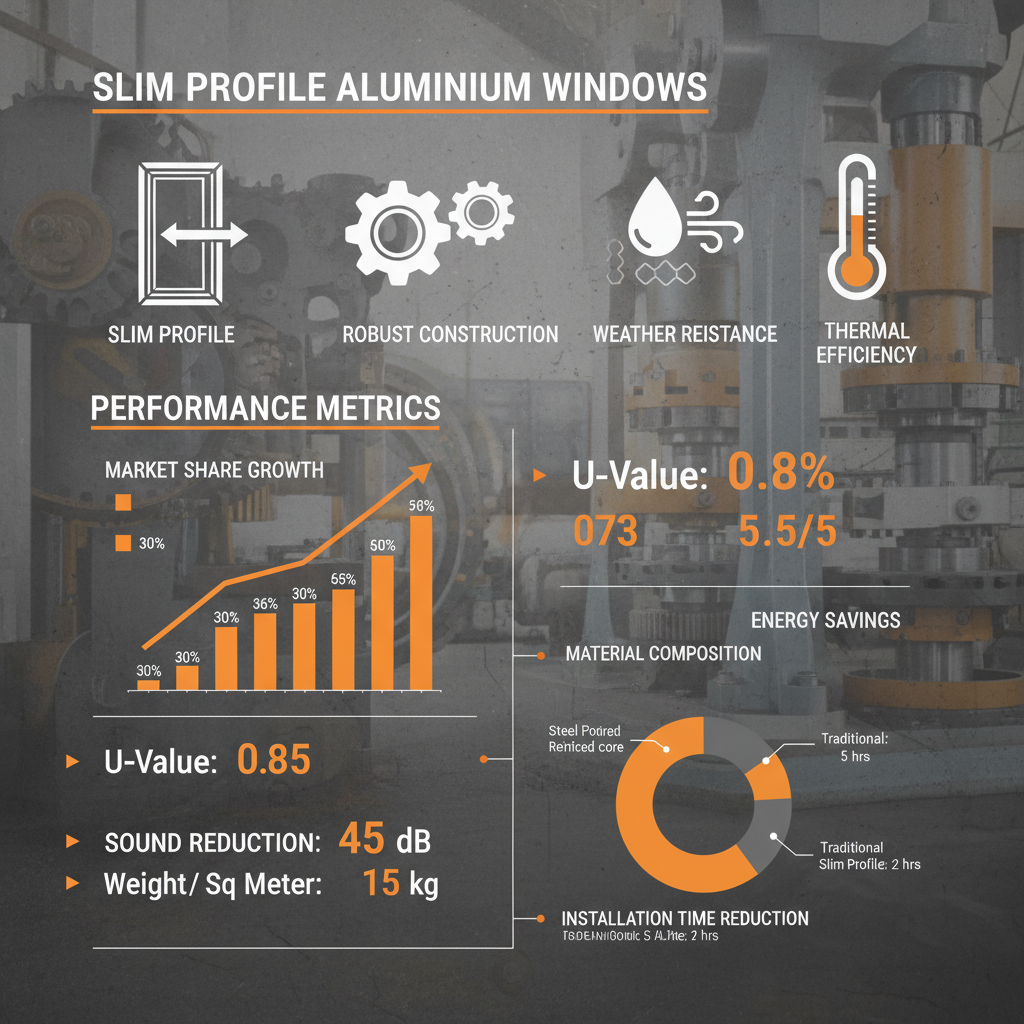
Slim profile aluminium windows are defined by their significantly reduced frame depth compared to traditional window systems. While standard aluminium windows typically have frame depths of 50mm or more, slim profile versions often feature frames as narrow as 30-40mm. This reduction in frame size allows for a larger glass area within the same window opening, maximizing natural light and enhancing views. The manufacturing process relies on precision engineering and high-quality aluminium alloys to maintain structural stability despite the reduced material.
This type of window isn’t just about minimizing the frame; it's about optimizing the overall window performance. Advanced thermal break technology is integrated into the frame design to prevent heat transfer, contributing to improved energy efficiency. Furthermore, the sleek profile aligns with modern architectural trends that prioritize clean lines and minimalist aesthetics, offering a sophisticated look to any building.
Essentially, slim profile aluminium windows represent a fusion of form and function, addressing the evolving needs of architects, builders, and homeowners seeking high-performance, visually appealing window solutions. They directly contribute to sustainable building practices by reducing energy consumption and promoting a connection with the outdoor environment.
Core Components of Slim Profile Aluminium Windows
The construction of slim profile aluminium windows hinges on several key components working in harmony. First is the high-quality aluminium alloy itself, typically 6063 grade, known for its strength, corrosion resistance, and ease of extrusion. Next, the thermal break is crucial - a non-conductive barrier inserted within the aluminium frame to minimize heat transfer, preventing condensation and improving energy efficiency.
Glazing plays a pivotal role, with modern slim profile windows frequently incorporating double or triple-pane glass with low-emissivity (low-E) coatings and argon gas fills to further enhance thermal performance. High-performance seals and gaskets are also essential to prevent air and water infiltration, ensuring long-term durability and weather resistance. Finally, robust hardware, including hinges, handles, and locking mechanisms, are carefully selected for smooth operation and security.
The precise combination and quality of these components determine the overall performance and longevity of the window. Manufacturers employ sophisticated manufacturing techniques, including precise cutting, welding, and finishing processes, to ensure that each window meets stringent quality standards. The integration of these components is what allows for the creation of a robust yet aesthetically pleasing slim profile window system.
Practical Applications Across Industries
Slim profile aluminium windows find versatile applications across diverse industries. In residential construction, they are highly sought after for modern homes, extensions, and renovations, enhancing natural light and offering panoramic views. They are also prominent in high-end apartments and condominiums, where their sleek aesthetic and energy-efficient properties add significant value.
Commercial buildings, including offices, retail spaces, and hotels, increasingly incorporate slim profile aluminium windows to create inviting and energy-efficient environments. Their use in curtain wall systems and facade designs allows for expansive glazing areas and striking architectural statements. The hospitality sector benefits from the enhanced aesthetic appeal and noise reduction capabilities these windows provide.
Thermal Performance Comparison of Different slim profile aluminium windows Methods
Advantages and Long-Term Value
The advantages of slim profile aluminium windows extend far beyond their aesthetic appeal. One of the most significant benefits is their superior thermal performance, contributing to reduced energy consumption and lower heating and cooling costs. The use of thermal breaks and high-performance glazing minimizes heat transfer, creating a more comfortable indoor environment and reducing the building’s carbon footprint.
Furthermore, aluminium is a remarkably durable and low-maintenance material, requiring minimal upkeep over its lifespan. This translates to reduced life-cycle costs and long-term value for property owners. The inherent strength of aluminium also allows for larger glass areas without compromising structural integrity, maximizing natural light and views.
Future Trends and Innovations
The future of slim profile aluminium windows is poised for continued innovation. Developments in aluminium alloy compositions are leading to even stronger and more lightweight frames, further minimizing the visible profile. Integration with smart home technologies, such as automated shading and ventilation control, is enhancing energy efficiency and user comfort.
Sustainable manufacturing practices, including the increased use of recycled aluminium and closed-loop production systems, are gaining prominence. Researchers are also exploring new glazing technologies, such as dynamic glass that adjusts its opacity based on sunlight intensity, to optimize thermal performance and reduce glare.
The integration of Building Information Modeling (BIM) is also streamlining the design and installation process, enabling more accurate and efficient construction projects. These advances will further solidify the position of slim profile aluminium windows as a leading choice for architects and builders seeking high-performance, sustainable building solutions.
Challenges and Sustainable Solutions
Despite their many advantages, slim profile aluminium windows present certain challenges. Initial costs can be higher compared to traditional window systems, although the long-term energy savings and reduced maintenance often offset this difference. Ensuring proper installation is crucial to maximize performance and prevent air and water leaks, requiring skilled and experienced installers.
Addressing these challenges requires a focus on sustainable solutions. Utilizing recycled aluminium reduces the environmental impact of production and lowers material costs. Investing in installer training and certification programs ensures high-quality workmanship and optimal performance.
Furthermore, advancements in manufacturing technologies are driving down production costs, making slim profile aluminium windows more accessible to a wider range of projects. Embracing a holistic approach that considers the entire lifecycle of the window, from material sourcing to installation and maintenance, is essential for maximizing its long-term value and sustainability.
Summary of Challenges and Sustainable Solutions for Slim Profile Aluminium Windows
| Challenge |
Impact Level (1-5) |
Sustainable Solution |
Implementation Cost (1-5) |
| High Initial Cost |
3 |
Utilize Recycled Aluminium |
2 |
| Installation Complexity |
4 |
Certified Installer Programs |
3 |
| Thermal Bridging |
2 |
Advanced Thermal Break Technology |
3 |
| Material Sourcing |
3 |
Closed-Loop Production Systems |
4 |
| Long-Term Durability Concerns |
2 |
Protective Coatings & Finishes |
1 |
| Limited Design Flexibility |
1 |
BIM Integration and Customization |
2 |
FAQS
Slim profile aluminium windows offer superior strength and durability compared to PVC, allowing for larger glass areas and slimmer frames. They also boast excellent thermal performance when coupled with thermal breaks, often surpassing PVC in this regard. Furthermore, aluminium is fully recyclable, making it a more sustainable choice. While PVC might have a lower initial cost, the long-term benefits of aluminium – longevity, recyclability, and design flexibility – often make it a more cost-effective option overall.
Older aluminium window designs often suffered from poor thermal performance due to the conductive nature of aluminium. Slim profile aluminium windows overcome this limitation by incorporating advanced thermal break technology, effectively separating the inner and outer frame sections. This drastically reduces heat transfer, improving energy efficiency and preventing condensation. Modern slim profile windows can achieve U-values comparable to, and sometimes better than, those of PVC windows.
Aluminium is a remarkably low-maintenance material. Unlike wood or steel, it doesn’t require painting or staining to prevent corrosion. Regular cleaning with mild soap and water is usually sufficient to maintain their appearance. Occasional lubrication of hinges and locking mechanisms is also recommended. With proper care, slim profile aluminium windows can last for decades without significant maintenance.
Absolutely. The strength and durability of aluminium make it an ideal material for high-rise buildings, where wind loads and structural integrity are critical considerations. Slim profile aluminium windows can be engineered to withstand extreme weather conditions and maintain their performance over time. Their lightweight nature also reduces the overall structural load on the building.
The initial cost of slim profile aluminium windows is typically higher than that of traditional PVC windows. However, it's important to consider the long-term value. The durability, low maintenance, energy efficiency, and recyclability of aluminium often result in lower lifecycle costs. Compared to high-end wood windows, the cost can be competitive, and aluminium offers superior resistance to weathering and decay.
Slim profile aluminium windows offer a high degree of customization. Aluminium is easily extruded into various shapes and profiles, allowing for a wide range of design options. Powder coating is available in virtually any color, and windows can be tailored to specific dimensions and configurations. The flexibility of the material makes it possible to create unique and aesthetically pleasing window solutions.
Conclusion
Slim profile aluminium windows represent a significant advancement in window technology, offering a compelling combination of aesthetic appeal, thermal performance, and sustainability. Their ability to maximize natural light, reduce energy consumption, and enhance building design makes them an increasingly popular choice for both residential and commercial projects. By embracing innovation in materials, manufacturing processes, and installation techniques, we can unlock the full potential of these windows and create a more sustainable built environment.
Looking ahead, continued investment in research and development will further enhance the performance and affordability of slim profile aluminium windows. Promoting industry standards, installer training, and the use of recycled materials will be crucial for ensuring the long-term success of this technology. We encourage you to explore the possibilities of slim profile aluminium windows for your next project and experience the benefits firsthand. Visit our website: www.tjjironcasting.com.