Aluminium profiles for windows and doors have become a cornerstone of modern construction, offering a compelling blend of durability, aesthetic appeal, and energy efficiency. Their widespread adoption is driven by a global demand for sustainable building materials and high-performance fenestration solutions. From residential homes to towering skyscrapers, these profiles are shaping the skylines of cities worldwide.
The relevance of aluminium profiles extends beyond simple construction. They play a crucial role in reducing energy consumption through improved thermal insulation, contributing to a decrease in carbon footprints. The global construction industry, valued at trillions of dollars, is increasingly focusing on sustainable practices, making aluminium a preferred material due to its recyclability and long lifespan. According to the International Aluminium Institute, aluminium is 100% recyclable without loss of quality.
Understanding the nuances of aluminium profiles—their manufacturing processes, alloys, finishing options, and installation techniques—is critical for architects, engineers, fabricators, and homeowners alike. Choosing the right profile can significantly impact a building's performance, longevity, and overall cost-effectiveness. This knowledge empowers informed decision-making and drives innovation within the building sector.
The Global Significance of aluminium profiles for windows and doors
The global market for aluminium profiles for windows and doors is experiencing substantial growth, driven by urbanization, infrastructure development, and a growing emphasis on energy efficiency. Regions like Asia-Pacific, particularly China and India, are witnessing a surge in demand due to rapid construction activity and increasing disposable incomes. Europe and North America remain key markets, with a focus on high-performance, sustainable solutions.
The demand is further propelled by stringent building codes and regulations aimed at reducing energy consumption and improving indoor air quality. Aluminium profiles, with their excellent thermal performance and ability to accommodate high-performance glazing, are crucial in meeting these standards. The United Nations Environment Programme (UNEP) has highlighted the importance of sustainable building materials in mitigating climate change, further boosting the demand for aluminium.
Defining aluminium profiles for windows and doors
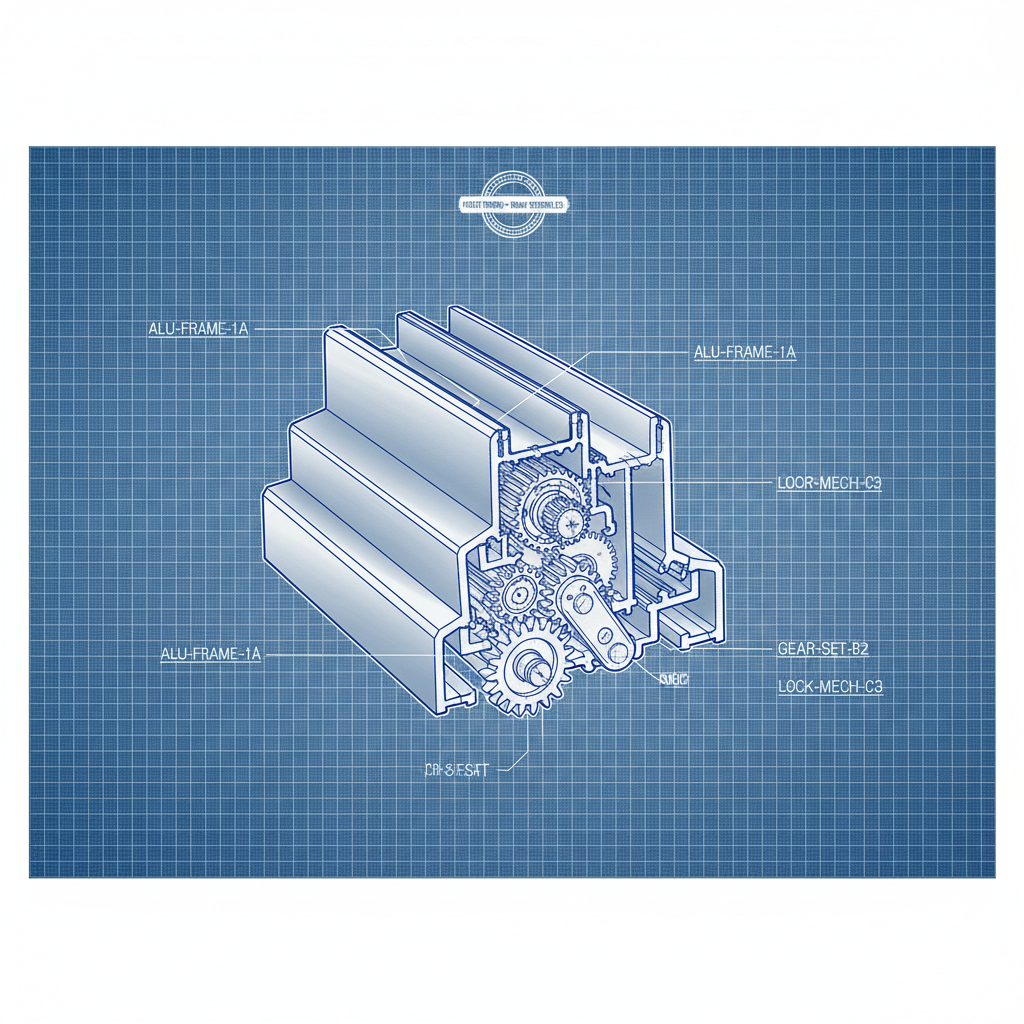
Aluminium profiles for windows and doors are extruded shapes made from aluminium alloy, specifically designed to form the frame and sash components of windows and doors. Extrusion is a process where aluminium is forced through a die, creating complex cross-sectional shapes. These profiles are engineered for strength, durability, and precision, providing a robust structural foundation for glazing and hardware.
They are not simply “metal frames”; they’re meticulously designed components with integrated channels for weatherstripping, drainage, and thermal breaks. Thermal breaks, typically made of polyamide, are incorporated to reduce heat transfer, enhancing energy efficiency. Different alloys are used to achieve specific properties, such as corrosion resistance, weldability, and anodizing capabilities.
The connection to modern industry and humanitarian needs stems from their versatility and performance. In industrial settings, they provide durable, secure, and energy-efficient enclosures. In disaster relief and humanitarian applications, their lightweight nature, ease of assembly, and recyclability make them ideal for creating temporary shelters and rebuilding infrastructure quickly and sustainably. aluminium profiles for windows and doors can be customized to meet diverse requirements.
Core Characteristics of aluminium profiles for windows and doors
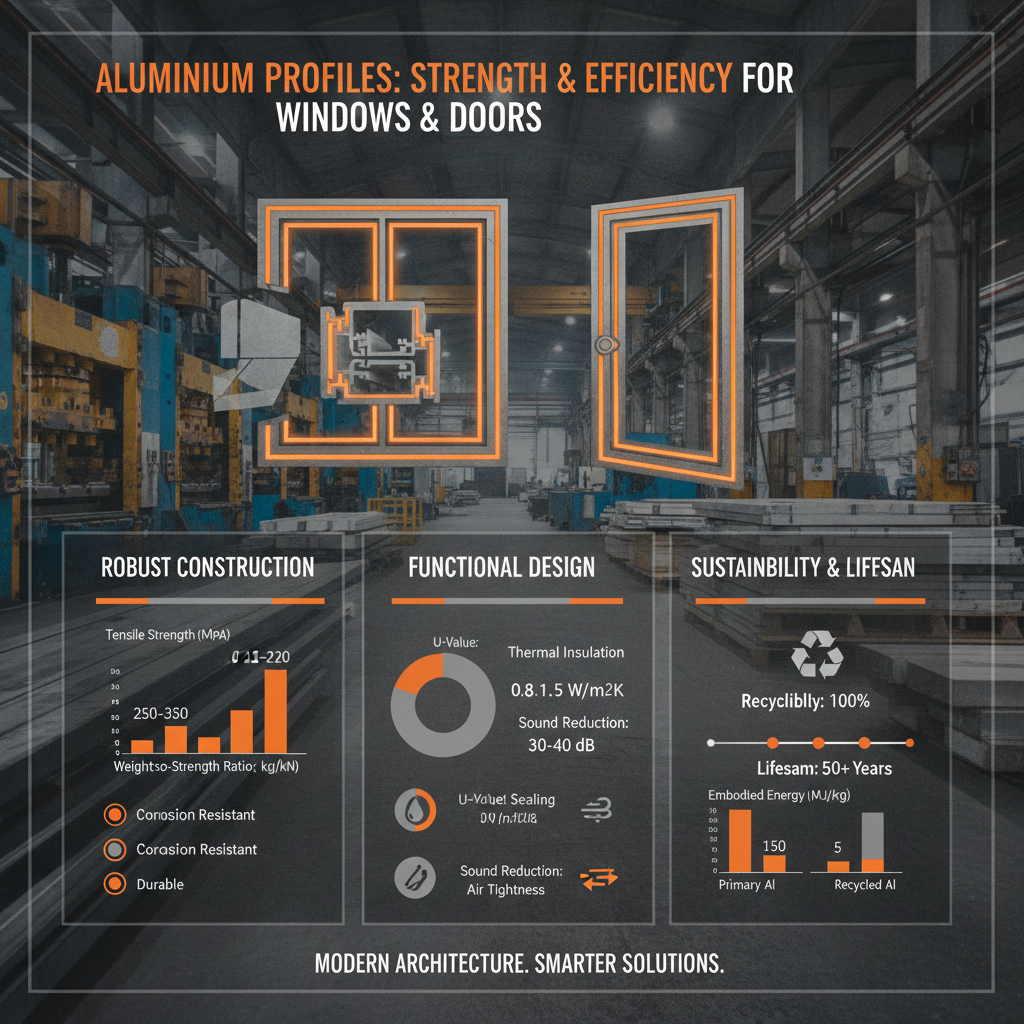
One of the most defining characteristics is their high strength-to-weight ratio. Aluminium is considerably lighter than steel, making handling and installation easier, while still providing exceptional structural integrity. This is particularly important for large window and door openings, where minimizing weight is crucial for safety and stability.
Corrosion resistance is another key attribute. Aluminium naturally forms a protective oxide layer that prevents rust and corrosion, even in harsh environmental conditions. This makes it an ideal material for coastal areas or regions with high humidity. Anodizing further enhances corrosion resistance and allows for a wide range of colors and finishes.
Thermal performance can be significantly improved through the incorporation of thermal breaks, as mentioned earlier. These breaks prevent heat transfer between the inside and outside of the building, reducing energy consumption and improving comfort. The choice of glazing also plays a critical role in overall thermal efficiency.
Key Performance Indicators of aluminium profiles for windows and doors
Assessing the performance of aluminium profiles for windows and doors involves considering several key indicators. Structural strength, measured by wind load resistance and deflection, is paramount, ensuring the profiles can withstand extreme weather conditions. This is tested in accordance with standards such as ASTM and EN.
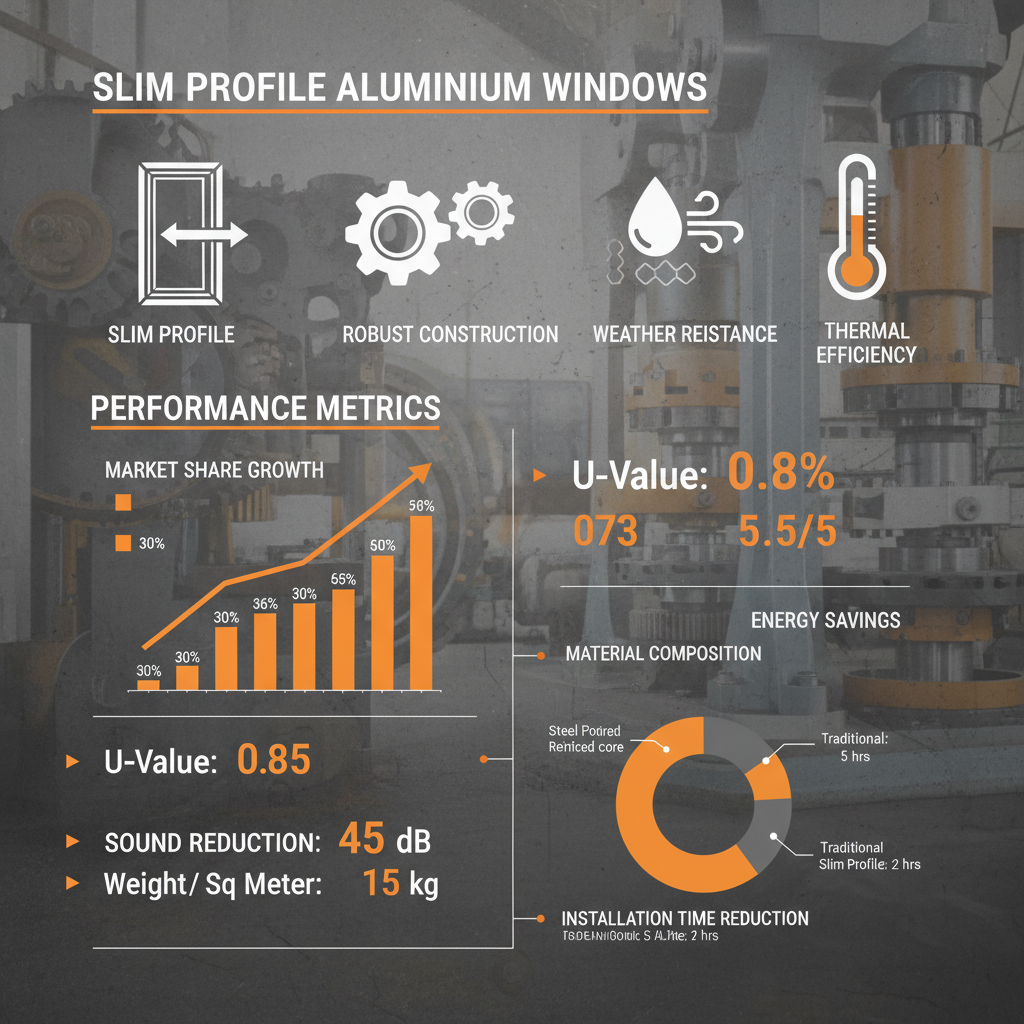
Thermal performance is quantified by U-values (thermal transmittance) and SHGC (solar heat gain coefficient). Lower U-values indicate better insulation, while SHGC measures the amount of solar heat that enters the building. Air infiltration rates are also crucial, as they impact energy efficiency and indoor air quality.
Comparative Performance of Different aluminium profiles for windows and doors Manufacturing Methods
Global Applications of aluminium profiles for windows and doors
Aluminium profiles for windows and doors find widespread application across various sectors. In residential construction, they are used extensively in homes, apartments, and villas, offering aesthetic appeal, durability, and energy efficiency. They are particularly popular in modern architectural designs.
Commercial buildings, including offices, retail spaces, and hotels, rely heavily on aluminium profiles for creating large, glazed facades and curtain walls. Their strength and lightweight nature allow for expansive designs, maximizing natural light and creating visually striking structures. In post-disaster relief operations, rapid deployment shelters utilizing aluminium profiles offer quick and durable housing solutions.
Advantages and Long-Term Value of aluminium profiles for windows and doors
The tangible benefits of using aluminium profiles extend beyond immediate performance. Cost-effectiveness is a significant advantage, considering their long lifespan and low maintenance requirements. While the initial investment might be higher than some alternatives, the reduced need for repairs and replacements over time results in lower lifecycle costs.
Sustainability is another key benefit. Aluminium is highly recyclable, and using recycled aluminium significantly reduces energy consumption compared to producing primary aluminium. This contributes to a circular economy and minimizes environmental impact. The peace of mind that comes with a durable, reliable, and sustainable building component enhances overall value.
Future Trends in aluminium profiles for windows and doors
The future of aluminium profiles for windows and doors is marked by innovation and a growing focus on sustainability. The development of new alloys with enhanced strength and thermal performance is ongoing. Digital fabrication techniques, such as 3D printing, are being explored to create customized profiles with complex geometries.
Smart window technologies, integrating sensors and automation, are becoming increasingly prevalent. These systems can automatically adjust shading, ventilation, and heating/cooling based on environmental conditions, optimizing energy efficiency and comfort. Furthermore, advancements in coating technologies promise improved corrosion resistance and aesthetic options. aluminium profiles for windows and doors are continually evolving to meet future building demands.
Policies promoting green building practices and energy efficiency standards are expected to drive further demand for high-performance aluminium profiles. The integration of Building Information Modeling (BIM) and digital twins will enhance design, fabrication, and installation processes, leading to improved efficiency and reduced waste.
Challenges and Solutions
Despite their numerous advantages, aluminium profiles face certain challenges. One significant concern is the energy intensity of primary aluminium production. Addressing this requires increased use of recycled aluminium and investment in renewable energy sources for aluminium smelting.
Another challenge is the potential for thermal bridging, which can reduce the overall energy efficiency of a building. Optimizing the design of thermal breaks and utilizing innovative insulation materials can mitigate this issue. Ensuring proper installation is also critical to prevent air leakage and maintain performance.
Collaboration between manufacturers, architects, and installers is key to overcoming these challenges. Standardization of profiles and components, along with rigorous quality control measures, can ensure consistent performance and long-term reliability.
Summary of Key Factors Affecting Aluminium Profile Performance
| Alloy Composition |
Thermal Break Material |
Surface Finishing |
Installation Quality |
| Impacts strength, corrosion resistance, and weldability (Score 1-10: 8) |
Determines thermal performance and prevents heat transfer (Score 1-10: 9) |
Affects corrosion resistance, aesthetics, and durability (Score 1-10: 7) |
Ensures proper sealing, prevents air leakage, and maximizes performance (Score 1-10: 8) |
| 6063 alloy offers good extrudability and corrosion resistance |
Polyamide is a common, effective thermal break material |
Anodizing provides excellent corrosion protection and color options |
Proper sealant application is crucial for water tightness |
| Higher magnesium content improves strength but reduces corrosion resistance |
Alternative materials like polyurethane offer different thermal properties |
Powder coating provides a durable and environmentally friendly finish |
Correct screw tightening and alignment are essential |
| Alloy selection should be based on specific application requirements |
Thermal break design impacts overall U-value |
The quality of the finish affects long-term aesthetics and protection |
Training and certification of installers are vital |
| Consider the trade-offs between strength and corrosion resistance |
Optimization of thermal break width and placement is key |
Regular maintenance can extend the lifespan of the finish |
Adhering to manufacturer’s instructions is paramount |
| Proper alloy treatment enhances performance characteristics |
Consider the environmental impact of the thermal break material |
Select finishes that are compatible with the local climate |
Regular inspections can identify and address potential issues early on |
FAQS
Aluminium profiles offer several advantages over uPVC. They boast superior strength, allowing for larger window and door openings with minimal structural support. Aluminium is also significantly more durable and has a much longer lifespan. While uPVC is often less expensive initially, aluminium’s recyclability and lower lifecycle costs can make it a more sustainable and economical choice in the long run. Furthermore, aluminium offers greater design flexibility and a more premium aesthetic.
Improving thermal performance starts with selecting profiles that incorporate thermal breaks—non-conductive barriers that reduce heat transfer. Using high-performance glazing, such as double or triple-pane glass with low-E coatings and argon gas fill, is crucial. Proper sealing and weatherstripping are also essential to prevent air leakage. Finally, consider incorporating thermal spacers between the glass panes to further minimize heat loss or gain.
Anodizing is an electrochemical process that converts the aluminium surface into a durable, corrosion-resistant oxide layer. This layer not only protects the aluminium from weathering and corrosion but also enhances its hardness and allows for a wide range of colors. Anodizing is crucial for extending the lifespan of aluminium profiles, particularly in harsh environments, and provides an attractive, long-lasting finish.
Lead times for custom-made aluminium profiles vary depending on the complexity of the design, the quantity ordered, and the manufacturer’s production schedule. Typically, lead times range from 4 to 8 weeks. Factors that can affect lead times include alloy availability, surface finishing requirements, and shipping distances. It's always best to confirm lead times directly with the manufacturer during the quoting process.
Yes, aluminium is a highly sustainable material. It is 100% recyclable without loss of quality, meaning it can be recycled indefinitely. Recycling aluminium requires only 5% of the energy needed to produce primary aluminium, significantly reducing carbon emissions. Furthermore, the longevity of aluminium profiles minimizes the need for replacements, reducing waste over their lifespan.
Proper installation is crucial for maximizing the performance and longevity of aluminium windows and doors. It’s highly recommended to use certified installers with experience in working with aluminium systems. Ensure that the profiles are correctly aligned, properly sealed, and securely fastened. Follow the manufacturer’s installation guidelines meticulously and conduct thorough testing for air and water tightness after installation.
Conclusion
Aluminium profiles for windows and doors represent a sophisticated and sustainable solution for modern construction. Their combination of strength, durability, energy efficiency, and aesthetic versatility makes them a preferred choice for a wide range of applications, from residential buildings to commercial complexes. Understanding the core characteristics and future trends of these profiles is essential for architects, engineers, and building owners seeking to create high-performing, long-lasting structures.
Looking ahead, continued innovation in alloy development, fabrication techniques, and smart window technologies will further enhance the value and performance of aluminium profiles. Embracing sustainable practices, such as utilizing recycled aluminium and optimizing thermal performance, will be crucial for mitigating environmental impact and promoting a more sustainable built environment. To learn more about our range of high-quality aluminium profiles for your next project, visit our website: www.tjjironcasting.com