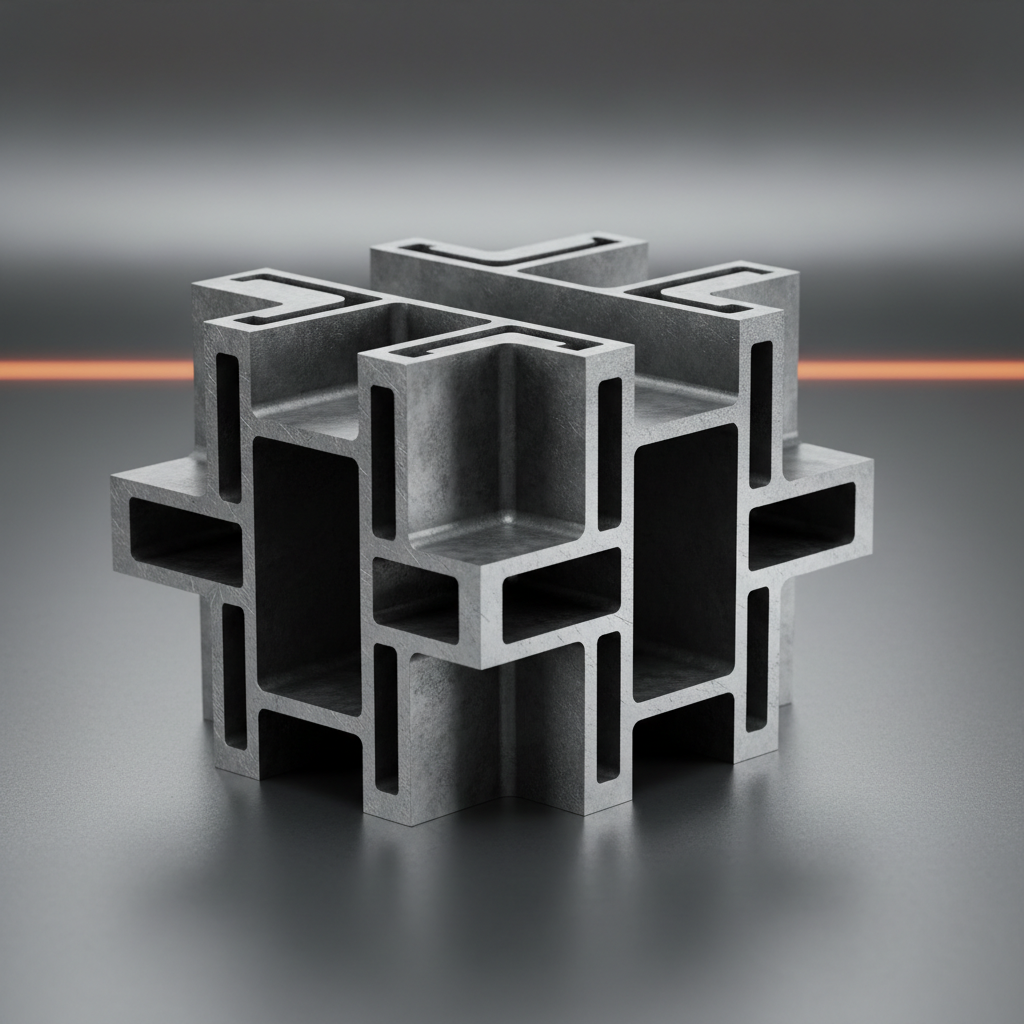
Aluminium extrusion profile is a versatile manufacturing process used to create objects of a fixed cross-sectional profile by forcing metal through a die. This technique is central to a vast range of industries, offering a cost-effective and efficient way to produce complex shapes with tight tolerances. The global demand for aluminium extrusions is continuously increasing, driven by its lightweight properties, corrosion resistance, and strength, making it a crucial material in modern engineering and construction.
The significance of aluminium extrusion profile extends beyond simple material production. It’s a cornerstone of sustainable design, allowing for optimized material usage and reduced waste. From architectural marvels to intricate automotive components, aluminium extrusions are shaping the world around us. Understanding the nuances of this process, from alloy selection to finishing techniques, is paramount for engineers, designers, and manufacturers alike.
Its adaptability and inherent properties make aluminium extrusion profile a key enabler for innovation across numerous sectors, contributing to advancements in energy efficiency, product performance, and overall sustainability. The process itself is becoming increasingly sophisticated, leveraging digital technologies for greater precision and customization.
The Fundamentals of aluminium extrusion profile
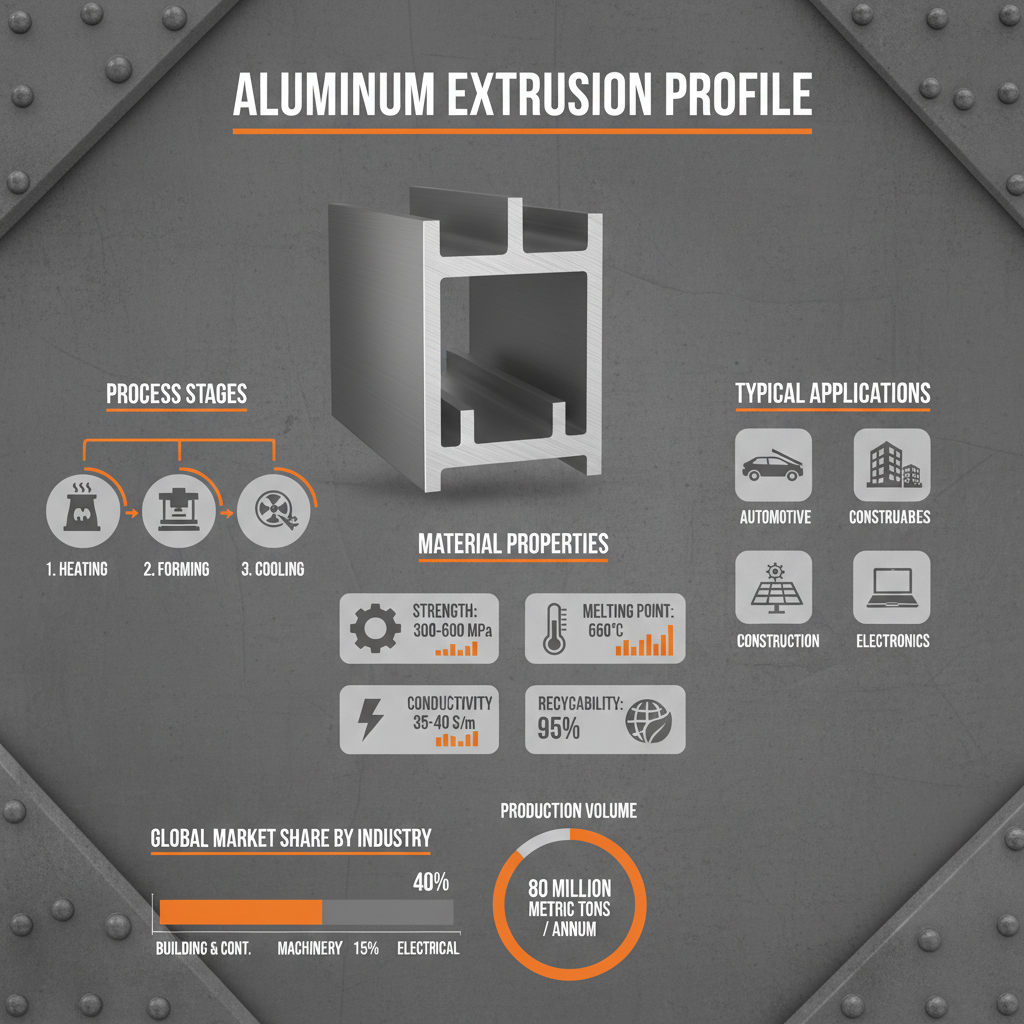
At its core, aluminium extrusion profile involves forcing heated aluminium alloy through a shaped opening – the die – to create a specific profile. This process offers significant design freedom, allowing for the production of complex cross-sections that would be difficult or impossible to achieve through other manufacturing methods. The resultant profiles are often used "as-is" or undergo further machining, finishing, and assembly to create finished products.
Understanding the core principles of the extrusion process, including billet preparation, die design, and cooling techniques, is crucial for achieving consistent quality and dimensional accuracy in aluminium extrusion profile. Choosing the right alloy is equally important, as different alloys offer varying levels of strength, corrosion resistance, and machinability.
Global Relevance and Industry Impact
The global aluminium extrusion profile market is experiencing robust growth, fueled by increasing demand from key sectors like automotive, construction, transportation, and consumer goods. According to industry reports, the market is projected to reach substantial figures in the coming years, highlighting its critical role in the global manufacturing landscape. Regions with significant industrial activity, such as Asia-Pacific, North America, and Europe, are major consumers of aluminium extrusions.
A challenge facing the industry is the rising cost of raw materials and energy, which impacts production costs. However, advancements in extrusion technology and a growing focus on sustainability are helping to mitigate these challenges. Furthermore, the increasing adoption of aluminium in lightweighting applications, particularly in the automotive sector to improve fuel efficiency, is driving demand.
The widespread use of aluminium extrusion profile also contributes to reducing carbon footprint. Aluminium is highly recyclable, and using recycled aluminium significantly lowers the energy consumption associated with production, making it an environmentally responsible material choice. This aligns with global sustainability goals and strengthens the position of aluminium extrusion profile in a conscious market.
Defining aluminium extrusion profile
Aluminium extrusion profile is a forming process where aluminium alloy is forced through a die of a desired shape, creating a consistent profile length. It’s a highly versatile method capable of producing an almost limitless variety of shapes and sizes, from simple channels and angles to intricate hollow profiles and custom designs. The process fundamentally differs from casting or machining, offering advantages in both cost-effectiveness and material utilization.
The connection between aluminium extrusion profile and modern industry is profound. It allows for the creation of lightweight, durable components essential for industries prioritizing performance and efficiency. From aircraft structures to solar panel frames, aluminium extrusions are integral to technological advancements. The process directly addresses the need for tailored solutions and complex geometries that are increasingly demanded in diverse engineering applications.
Its utility also extends to humanitarian needs, particularly in rapid deployment solutions like temporary shelters and emergency structures. The ease of assembly and relatively low cost of aluminium extrusions make them a practical choice in providing immediate housing and infrastructure in disaster-stricken areas.
Key Characteristics of aluminium extrusion profile
Aluminium extrusion profile boasts several defining characteristics. First, its versatility allows for the creation of virtually any shape, enabling designers to achieve complex geometries without the limitations of other manufacturing methods. Second, the process delivers excellent dimensional accuracy, ensuring consistent profiles with tight tolerances, critical for precision engineering applications.
Third, aluminium extrusions offer outstanding strength-to-weight ratio, making them ideal for applications where minimizing weight is paramount. Fourth, they exhibit exceptional corrosion resistance, ensuring long-term durability even in harsh environments. Finally, the process offers significant cost-effectiveness, particularly for large-volume production runs.
Aluminium Extrusion Profile Performance Comparison
Diverse Applications of aluminium extrusion profile
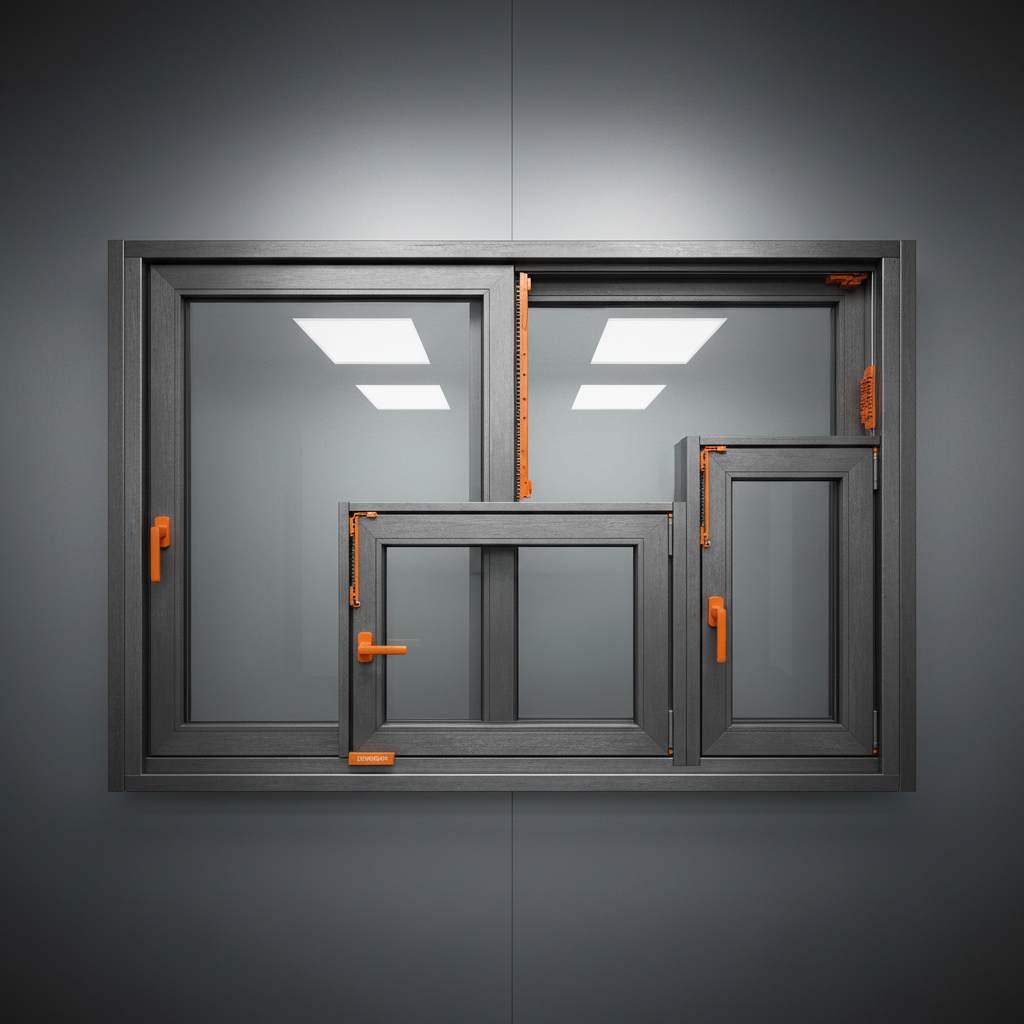
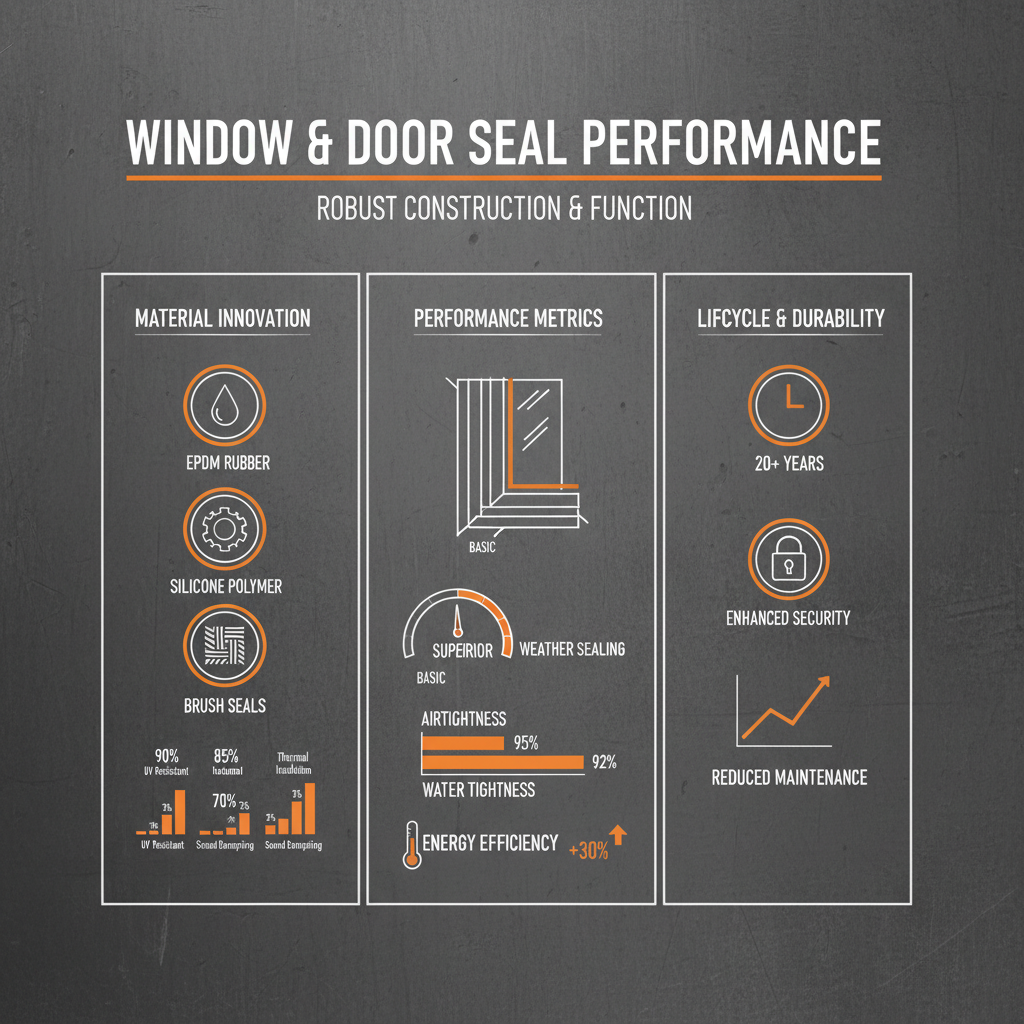
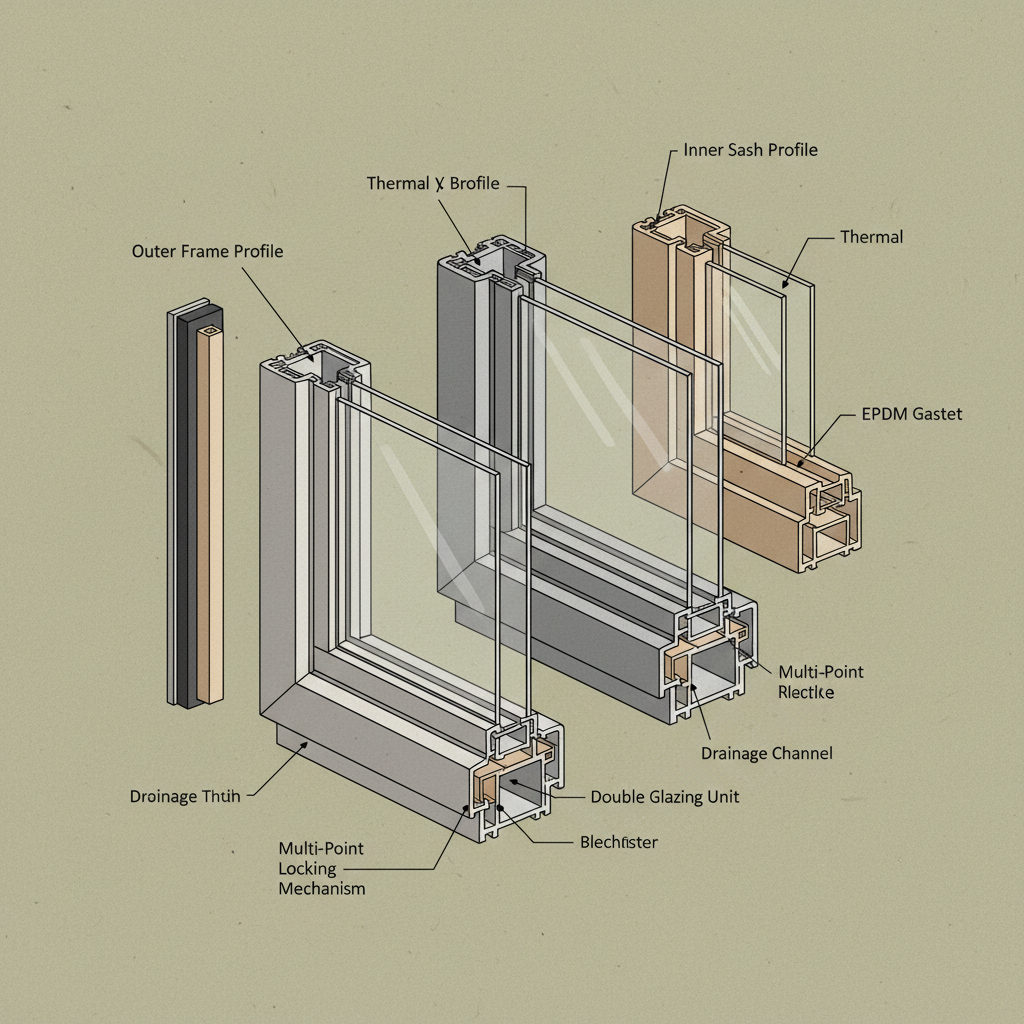
Aluminium extrusion profile finds extensive application in the construction industry, providing structural components for building facades, windows, doors, and roofing systems. Its lightweight nature and corrosion resistance are invaluable in marine applications, including boat hulls and decking. In the automotive sector, aluminium extrusions contribute to vehicle lightweighting, enhancing fuel efficiency and performance.
The aerospace industry relies heavily on aluminium extrusion profile for aircraft structures, offering a high strength-to-weight ratio and excellent fatigue resistance. Furthermore, the process is crucial in creating components for renewable energy systems, such as solar panel frames and wind turbine blades, supporting the transition to sustainable energy sources.
The Advantages and Enduring Value of aluminium extrusion profile
The tangible benefits of aluminium extrusion profile are numerous. Reduced manufacturing costs, due to efficient material utilization and simplified assembly processes, translate directly to cost savings for manufacturers. Enhanced product performance, stemming from the material’s strength, lightweight properties, and corrosion resistance, creates long-lasting and reliable products.
From a sustainability perspective, the high recyclability of aluminium significantly reduces environmental impact. The process fosters innovation by allowing for the creation of complex and customized designs. The inherent safety and durability of aluminium components engender trust and reliability among end-users, improving user experience and product longevity.
Future Trends in aluminium extrusion profile Technology
The future of aluminium extrusion profile is shaped by several emerging trends. Automation and robotics are being increasingly integrated into the extrusion process, enhancing efficiency, precision, and reducing labor costs. Digitalization, including the use of advanced simulation software and data analytics, is optimizing die design and process control.
Sustainable manufacturing practices, focusing on the use of recycled aluminium and energy-efficient processes, are gaining prominence. The development of new aluminium alloys with enhanced properties, such as increased strength and corrosion resistance, is expanding the application range of aluminium extrusions. These advancements are aligning with the growing demand for environmentally responsible and high-performance materials.
Furthermore, 3D printing and additive manufacturing techniques are being explored in conjunction with aluminium extrusion profile to create even more complex and customized geometries, blending the benefits of both processes for innovative product development.
Summary of Challenges and Solutions in Aluminium Extrusion Profile
| Challenge |
Impact on Aluminium Extrusion Profile |
Potential Solution |
Implementation Cost (1-10) |
| High Energy Consumption |
Increased production costs, environmental impact |
Transition to renewable energy sources, process optimization |
7 |
| Die Wear and Tear |
Reduced profile accuracy, increased maintenance |
Advanced die materials, improved cooling systems |
6 |
| Material Costs |
Fluctuations in aluminium prices affect profitability |
Increased use of recycled aluminium, long-term contracts |
4 |
| Skilled Labor Shortage |
Difficulty maintaining operational expertise |
Automation, training programs, knowledge transfer |
8 |
| Complex Profile Design |
Challenges in die creation and process control |
Advanced simulation software, collaborative engineering |
5 |
| Quality Control |
Ensuring consistent dimensions and material properties |
Automated inspection systems, real-time monitoring |
7 |
FAQS
Aluminium extrusion profile offers several advantages over processes like machining and casting. It’s generally more cost-effective, especially for large production runs, as it minimizes material waste. The process allows for complex shapes and tight tolerances, while also delivering a superior strength-to-weight ratio. It’s also exceptionally versatile with a wide range of alloy options.
The aluminium alloy selected significantly impacts the final product's characteristics. Different alloys offer varying levels of strength, corrosion resistance, weldability, and machinability. For example, 6061-T6 is known for its good strength and corrosion resistance, while 5052 is often chosen for its excellent corrosion resistance in marine environments. Careful alloy selection is crucial to meeting specific application requirements.
Lead times for custom aluminium extrusion profile orders vary depending on the complexity of the profile, the quantity required, and the availability of the chosen alloy. Typically, the process from die design to final delivery takes between 4 to 8 weeks. Expedited services are often available for urgent projects, although they may incur additional costs.
A wide range of surface finishing options are available for aluminium extrusions, including anodizing, powder coating, painting, and polishing. Anodizing enhances corrosion resistance and provides a decorative finish, while powder coating offers a durable and vibrant color finish. The choice of finish depends on the desired aesthetic appearance, environmental requirements, and level of protection needed.
While aluminium extrusion profile is highly versatile, there are some limitations regarding shape complexity. Extremely sharp internal corners and very thin wall sections can be challenging to achieve. The die design process plays a critical role in overcoming these limitations, and experienced die makers can often find innovative solutions to produce complex profiles.
Aluminium extrusion profile actively promotes sustainability due to aluminium’s high recyclability. Using recycled aluminium requires significantly less energy than producing primary aluminium. The efficient material utilization of the extrusion process minimizes waste, and the long lifespan of aluminium products reduces the need for frequent replacements, contributing to a circular economy.
Conclusion
Aluminium extrusion profile stands as a cornerstone of modern manufacturing, providing a versatile, cost-effective, and sustainable solution for a vast array of applications. Its ability to be tailored to specific needs, coupled with its inherent properties of strength, lightweight, and corrosion resistance, ensures its continued relevance across diverse industries. From construction and automotive to aerospace and renewable energy, aluminium extrusions are driving innovation and improving product performance.
Looking ahead, the integration of advanced technologies like automation, digitalization, and sustainable practices will further enhance the capabilities and benefits of aluminium extrusion profile. Investing in research and development of new alloys and extrusion techniques will unlock even greater possibilities for this crucial manufacturing process. For businesses seeking efficient, durable, and environmentally responsible solutions, exploring the potential of aluminium extrusion profile is a strategic imperative. Visit our website: www.tjjironcasting.com