

News
-
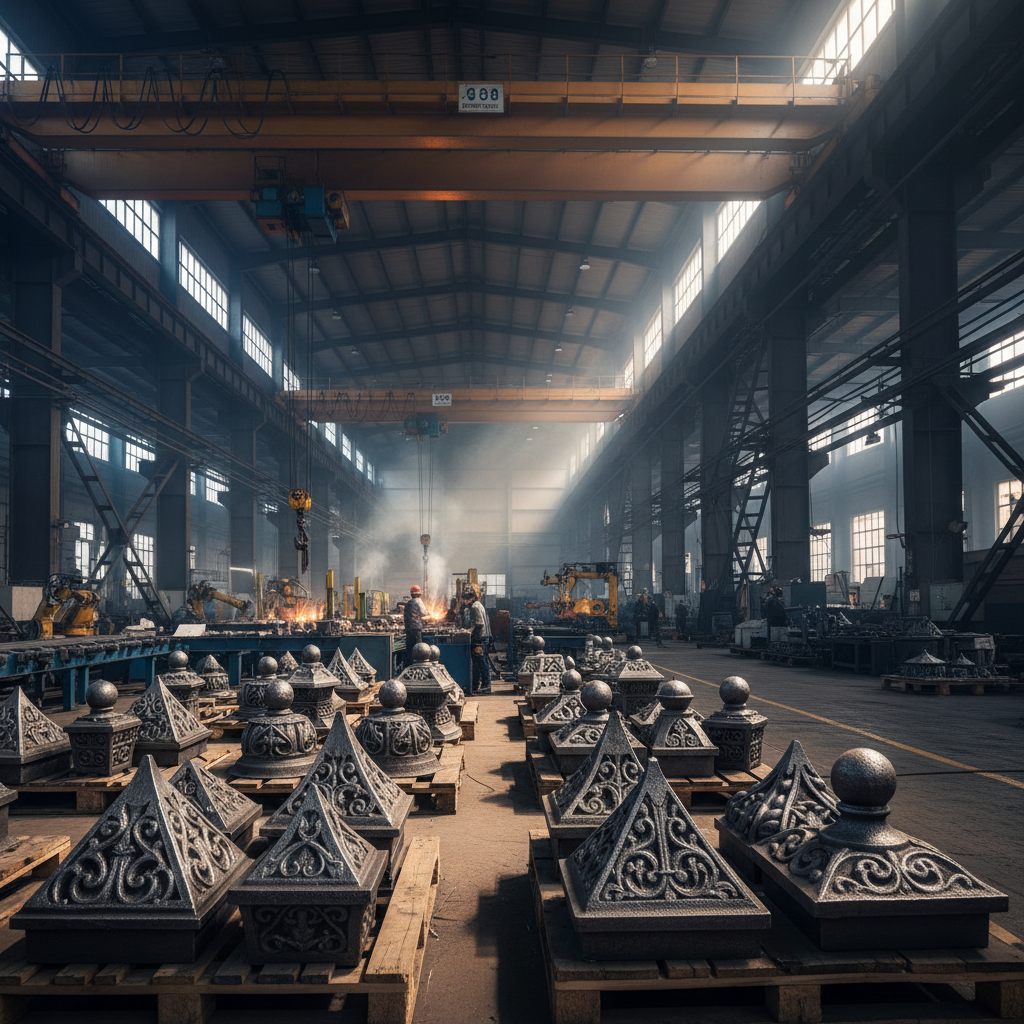 Protecting your property with stylish and durable iron post caps is a smart investment. These caps not only enhance the aesthetic appeal of your fence or deck posts but also provide crucial protection against weathering, damage, and potential hazards. This article will explore the benefits of iron post caps, different types available, factors to consider when choosing, and why TJ Iron Casting offers superior quality and customization options. Selecting the right post caps can significantly extend the lifespan of your posts and elevate the overall look of your outdoor space.Read more
 -
 Throughout history, the iron spear has been a symbol of power, protection, and innovation in warfare. From ancient civilizations to medieval knights, this weapon played a pivotal role in shaping the course of human events. Even today, the legacy of the iron spear continues to resonate, influencing modern military technology and captivating historical enthusiasts. Understanding its evolution, manufacturing, and cultural significance provides valuable insights into the development of human civilization. At TJ Iron Casting, we specialize in the art of iron casting, including crafting components for historical replicas and modern applications inspired by this iconic weapon. The earliest spears were crafted from sharpened wood, but the advent of metalworking revolutionized their construction. The introduction of bronze marked a significant improvement, but it was the development of iron metallurgy that truly transformed the spear into a formidable weapon.Read more
 -
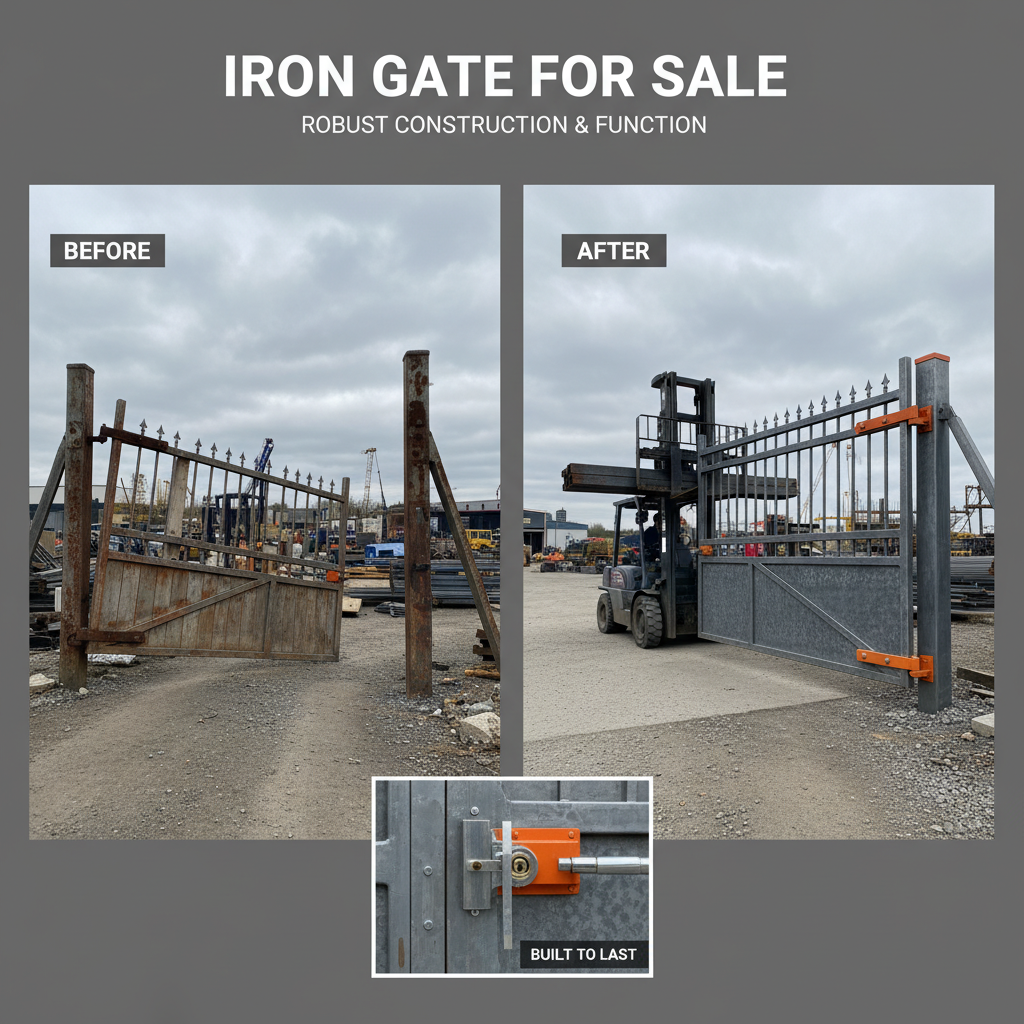 Investing in an iron gate is a significant step toward enhancing your property's curb appeal, security, and value. Whether you're looking to secure a driveway, garden, or perimeter, a beautifully crafted iron gate makes a lasting impression. At TJJ Iron Casting, we specialize in designing and manufacturing high-quality iron gates tailored to your specific needs and aesthetic preferences. This article will explore the benefits of choosing an iron gate, factors to consider when making a purchase, and how we can help you find the perfect gate for your property. Iron gates offer a unique blend of aesthetics, security, and durability that other materials simply can't match. Unlike wooden gates which require frequent maintenance and are susceptible to rot, or aluminum gates which can be less robust, wrought iron provides exceptional strength and longevity. A well-maintained iron gate can last for generations, adding timeless elegance to your property.Read more
 -
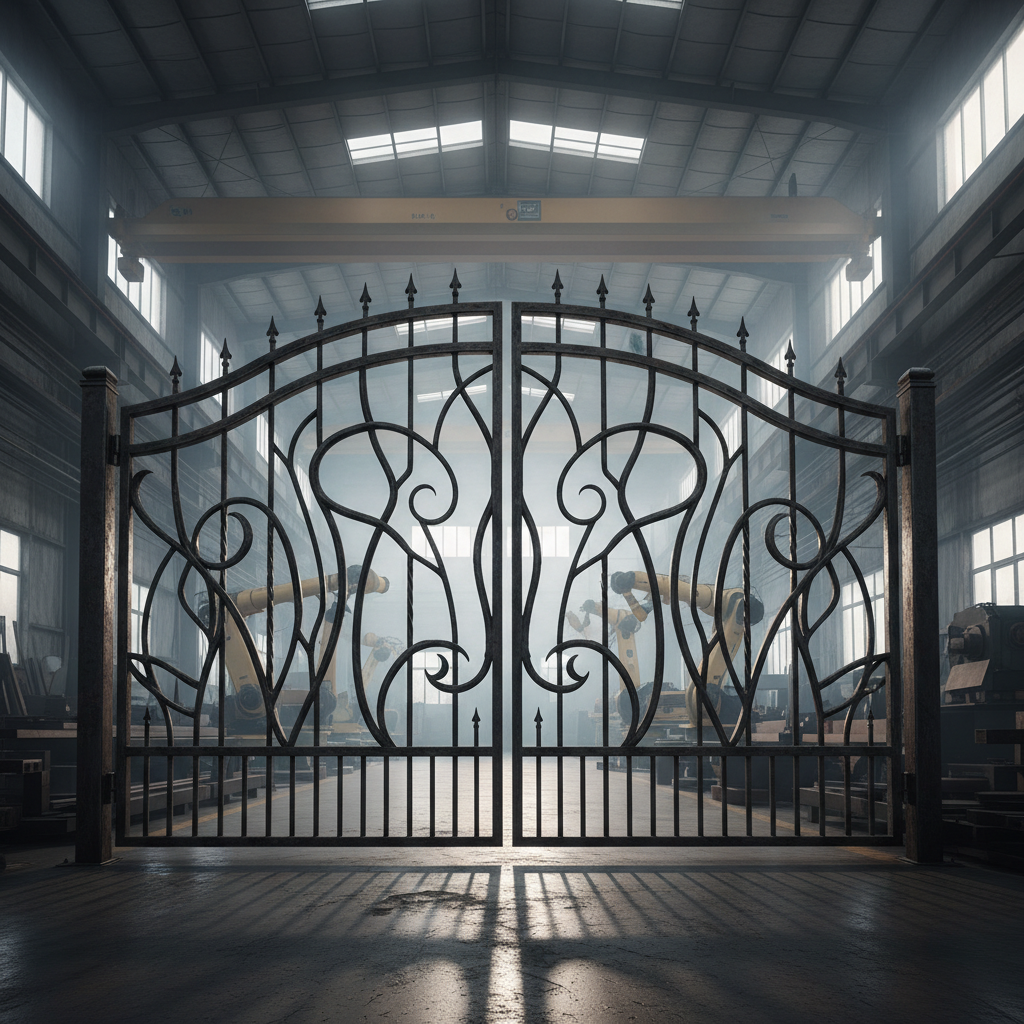 Selecting the appropriate iron fence gate is crucial for security, aesthetics, and property value. With numerous options available, understanding the different types, materials, and customization possibilities is essential. This article will delve into the key aspects of choosing an iron fence gate, ensuring you make an informed decision for your needs. A well-chosen gate can significantly enhance your property's curb appeal and provide lasting security. We will explore various styles, materials, and considerations when making your purchase. Iron fence gates come in a variety of styles, each offering a unique aesthetic and level of security. TJ Iron Casting offers a wide range of options, including traditional wrought iron gates, modern steel gates, and custom-designed gates. Driveway gates are typically larger and more robust, while garden gates are often smaller and more decorative. Swing gates are the most common type, opening inwards or outwards, while sliding gates are ideal for properties with limited space. Choosing the right type depends on your property's layout, security needs, and personal preferences.Read more
 -
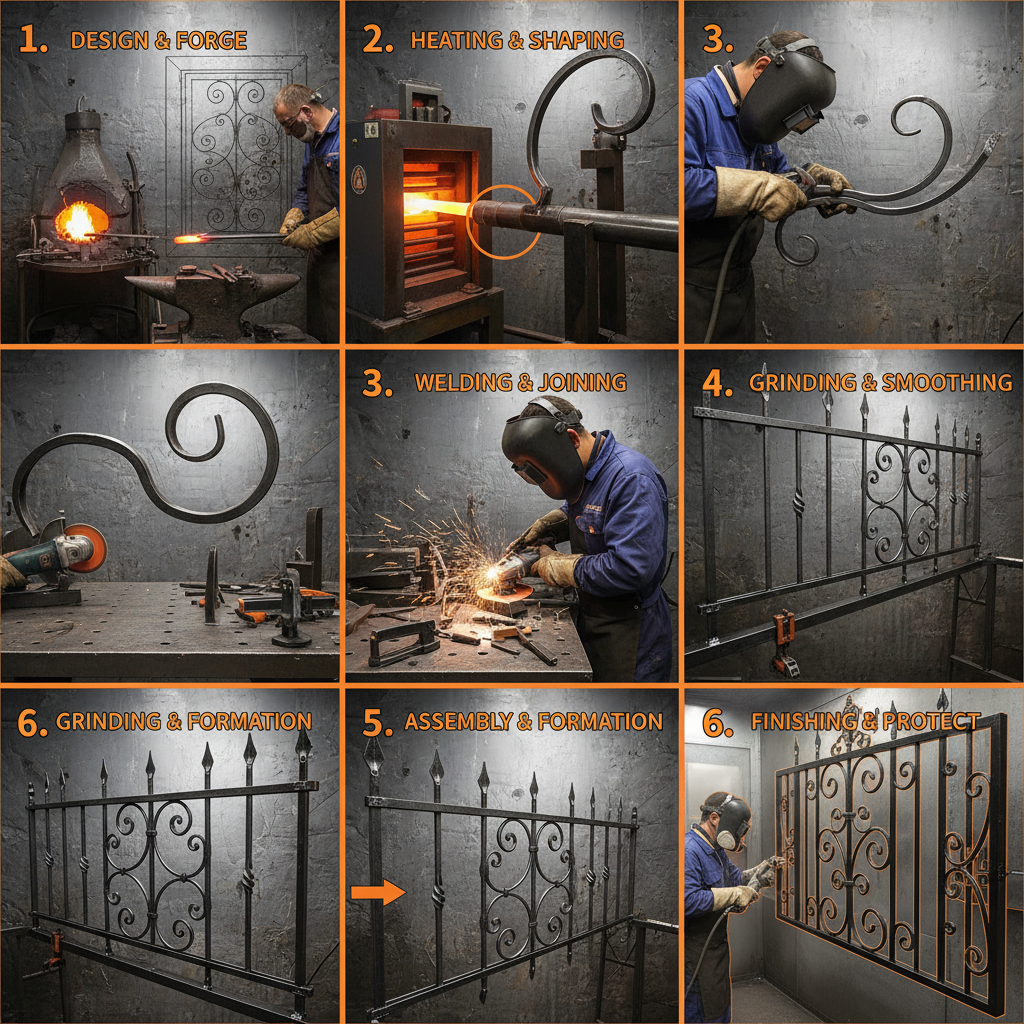 Decorative ironwork has graced buildings and landscapes for centuries, evolving from purely functional elements to stunning artistic statements. From intricate gates and railings to elegant balconies and bespoke furniture, the versatility of wrought iron continues to captivate. At TJ Iron Casting, we specialize in bringing these timeless designs to life with precision and artistry. This article delves into the world of decorative ironwork, exploring its history, applications, modern techniques, and the advantages of choosing a skilled casting partner. The use of iron for decorative purposes dates back to ancient civilizations. The Romans were renowned for their iron gates and railings, while medieval blacksmiths crafted intricate ornamentation for churches and castles.Read more
 -
 In the world of iron casting, achieving high-quality parts requires meticulous attention to detail at every stage of the process. A critical, often overlooked, aspect is the 'casting point', or 'gate point'. This is where molten metal enters the mold cavity, significantly influencing the final casting's integrity and properties. At TJ Iron Casting, we specialize in precise casting point design and execution to ensure superior castings for our global clientele. Understanding this concept is essential for both designers and manufacturers aiming for optimal results. A well-defined casting point ensures complete mold filling, minimizes defects, and enhances the casting’s mechanical performance. A casting point, also known as a gate, is the channel through which molten metal is introduced into the mold cavity. Its design impacts several critical factors, including metal flow rate, turbulence, and solidification patterns. The ideal casting point should facilitate smooth and laminar flow, minimizing air entrapment and ensuring complete mold filling. Poorly designed casting points can lead to defects like porosity, cold shuts, and incomplete castings.Read more
 -
 Decorative iron works represent a timeless blend of artistry and functionality. From intricate gates and railings to captivating sculptures and bespoke furniture, wrought iron offers a unique charm and lasting quality. TJJ Iron Casting specializes in crafting exquisite decorative iron works, combining traditional techniques with modern precision. We cater to diverse needs, providing customized solutions for residential, commercial, and architectural projects. Discover how the beauty and resilience of decorative iron can enhance your spaces. The popularity of decorative iron works stems from its inherent strength and adaptability. Unlike many materials that degrade over time, wrought iron is remarkably durable, capable of withstanding harsh weather conditions and resisting corrosion. This longevity makes it a sustainable choice, reducing the need for frequent replacements. Furthermore, iron’s malleability allows artisans to create intricate designs, limited only by imagination.Read more
 -
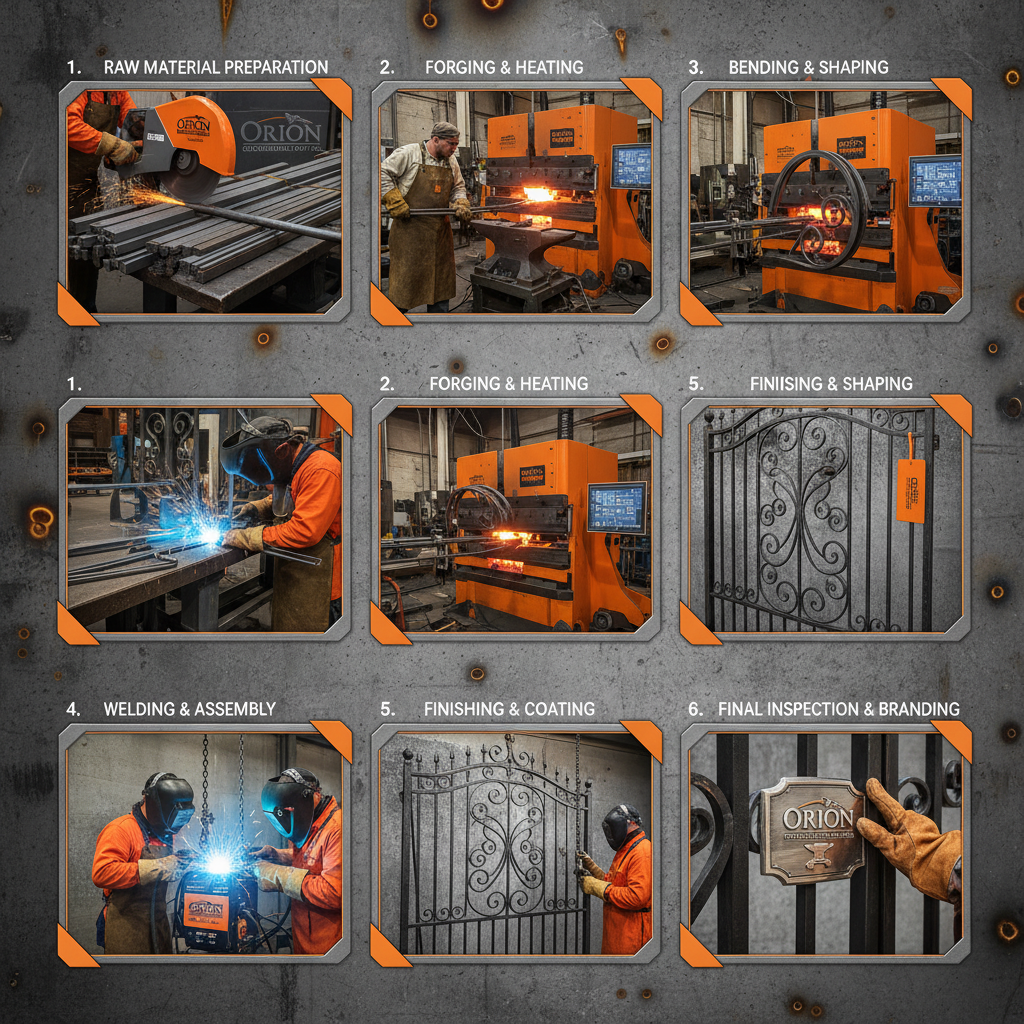 For decades, Orion Ornamental Iron Inc has been a trusted name in the creation of stunning and durable ironwork. Specializing in custom designs and high-quality casting, we serve a diverse clientele across various industries. From intricate railings and gates to robust architectural elements, we bring artistry and precision to every project. Our commitment to excellence, combined with our expertise in iron casting and fabrication, sets us apart as a leader in the ornamental iron industry. We pride ourselves on delivering not just products, but lasting works of art that enhance the beauty and value of any space. Ornamental ironwork is more than just a construction material; it’s a form of artistic expression. Orion Ornamental Iron Inc understands this deeply. We utilize traditional techniques alongside modern technology to create pieces that are both visually captivating and structurally sound.Read more
 -
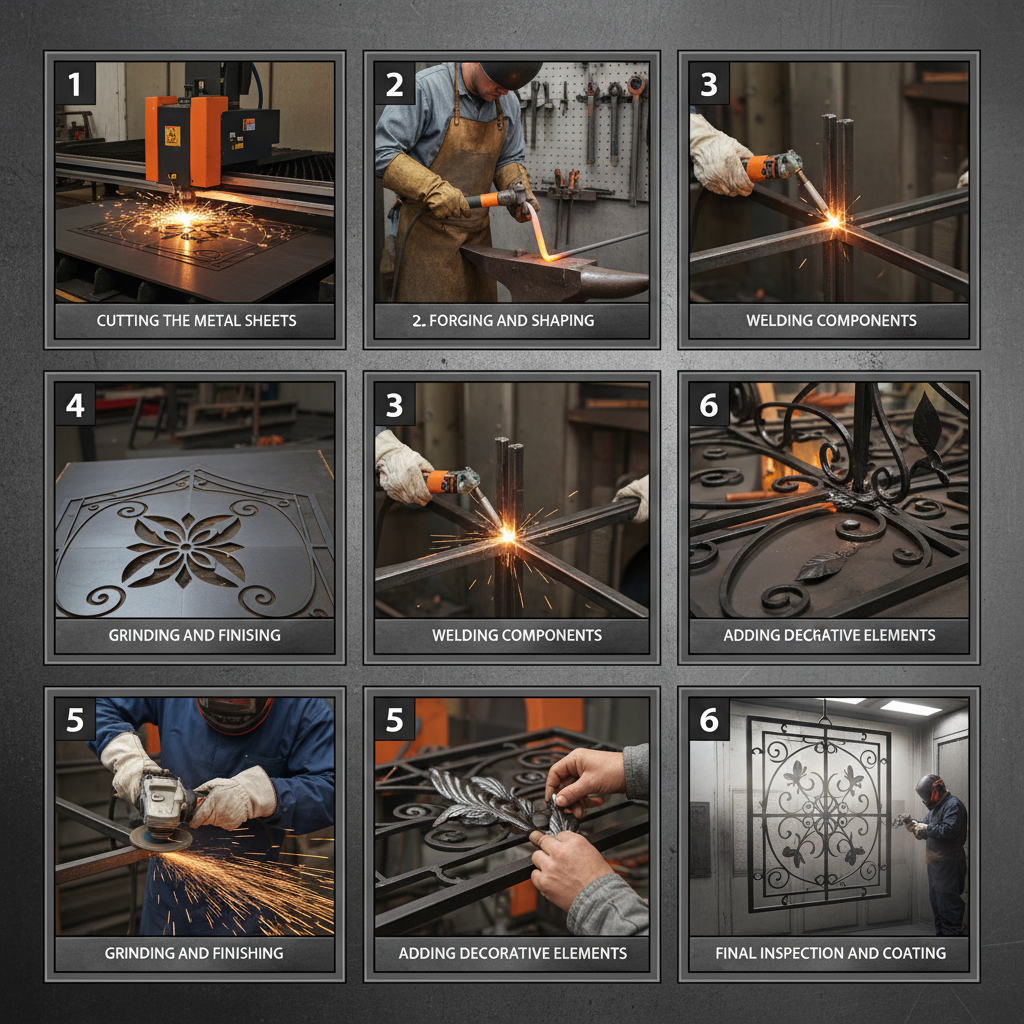 Decorative iron panels are a stunning way to add character, sophistication, and a touch of artistry to both interior and exterior spaces. From classic Victorian designs to modern geometric patterns, these panels offer versatility and durability. At TJ Iron Casting, we specialize in crafting high-quality, custom decorative iron panels tailored to your unique vision. Whether you're looking to enhance a staircase, create a striking focal point in a room, or add curb appeal to your property, our iron panels offer a lasting and beautiful solution. Explore the possibilities and discover how decorative iron panels can transform your space. Iron panels have been used for centuries in architecture and design, prized for their strength, intricate detail, and aesthetic appeal. Unlike many other materials, iron provides a unique combination of robustness and artistic flexibility. This allows for the creation of incredibly detailed designs, from flowing floral motifs to bold, geometric patterns.Read more
 -
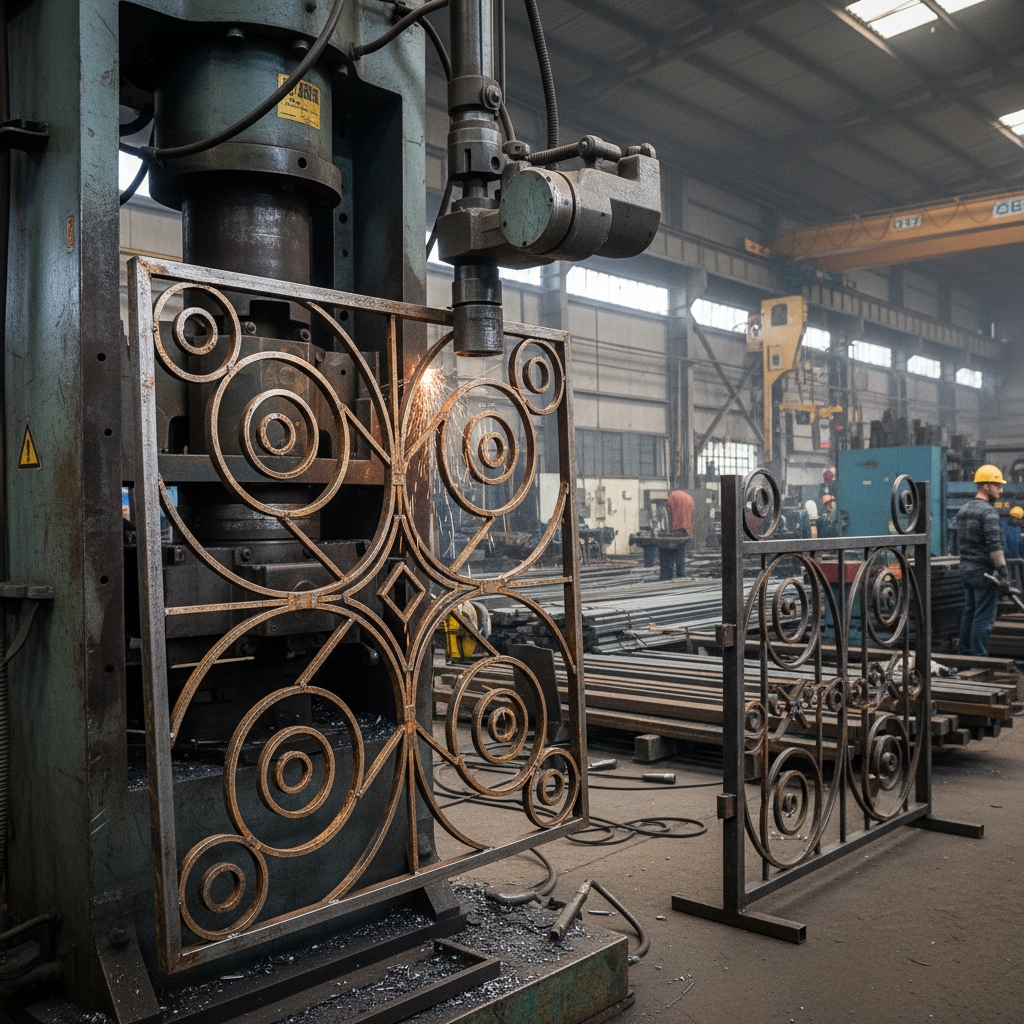 Wrought iron panels have long been prized for their beauty, durability, and versatility. From ornate gates and railings to decorative accents for homes and businesses, these panels offer a timeless aesthetic. This guide provides a deep dive into wrought iron panels, covering their manufacturing, applications, benefits, and how to choose the right panel for your needs. We'll also explore the role of TJ Iron Casting as a leading provider of high-quality wrought iron panels. Understanding the nuances of these panels will help you make informed decisions for your projects. Traditional wrought iron is an iron alloy with a very low carbon content. It's known for its malleability and strength, making it ideal for forging into intricate designs. Modern wrought iron panels are often created using steel that's been worked to mimic the appearance of traditional wrought iron. The process typically involves heating the metal and shaping it using hammers, chisels, and other tools. TJ Iron Casting utilizes both traditional and modern techniques to create panels with exceptional detail and durability. Careful attention is paid to the composition of the metal and the forging process to ensure the highest quality standards.Read more


