Honestly, this whole window handle business... it's not glamorous. You spend enough time on construction sites, smelling concrete dust and wrestling with stubborn bolts, you start to appreciate the little things. And window handles? They're one of those little things everyone takes for granted until they break, or feel cheap, or just plain annoy you.
Lately, I've been seeing a lot more demand for smart handles, you know, with integrated sensors and stuff. It’s a trend. Seems like everyone wants to add connectivity to everything. But I'll tell you, most of the time it just adds another point of failure. And the cost… don’t even get me started. People forget that a good, solid, mechanical window handle will outlast half the "smart" devices in their house.
It's funny, you design something in a lab, thinking you've solved all the problems. But then you get out to a real job site, and things are… different.
The State of the Handle
Have you noticed the push for more minimalist designs? Everyone wants sleek, streamlined. Which is fine, I guess, but it often means sacrificing grip. People don’t want to wrestle with a tiny metal nub just to open a window. It’s a simple thing, but frustrating. And honestly, those “invisible” handles? They look good in pictures, but I’ve seen too many people smack their hands into windows trying to find where to grab.
The demand for corrosion resistance is also going up, particularly in coastal areas. Salt air is brutal on metal.
Design Pitfalls: What Not To Do
One big mistake I see repeatedly is underestimating the torque. People design these handles like they’re just decorative, forgetting that sometimes you need to really lean into it to get a stubborn window open. Especially older windows. And the mounting points… they have to be solid. I encountered this at a factory in Ningbo last time – they were using these flimsy screws, and the handles were pulling right out of the door within weeks.
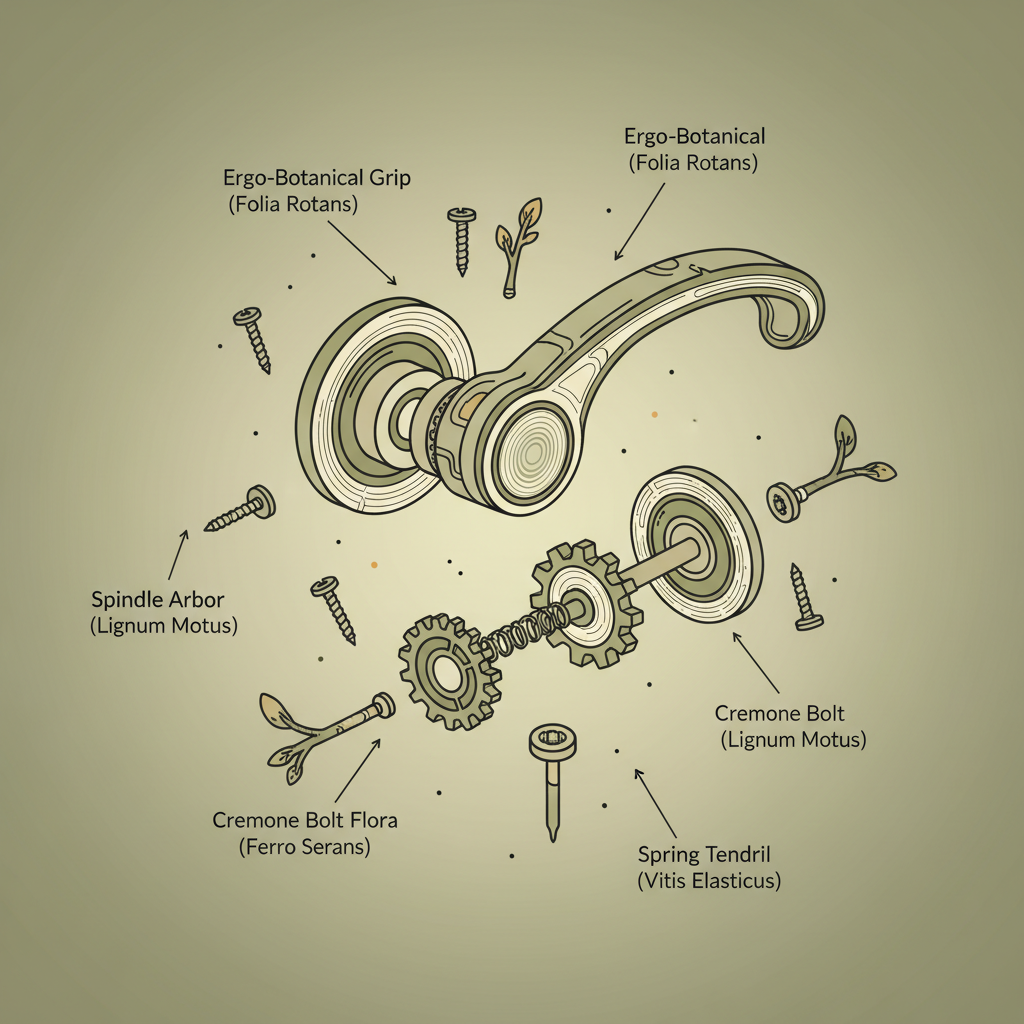
Another thing: don’t make it overly complicated. Simple is often better. Fewer moving parts mean fewer things to break. The fancy ones with all the levers and gears? They look impressive, but they’re a nightmare to repair.
And please, no sharp edges. Seriously. It’s a window handle, not a medieval weapon.
Material Matters: The Feel of Quality
To be honest, the material makes all the difference. Zinc alloy is popular because it’s cheap, but it doesn’t have the heft of solid brass or stainless steel. You can feel the difference. Brass has that nice, warm weight to it. Stainless, especially 316, is practically indestructible, but it can get slippery when your hands are wet.
I’m a big fan of using aluminum for interior handles. It’s lightweight, doesn’t corrode, and you can get some really nice anodized finishes. But you’ve gotta be careful with the anodizing – cheap anodizing wears off quickly. I remember smelling that weird chemical smell at a supplier's place, and knowing immediately it wasn't going to last.
There’s also a growing interest in using recycled materials. That's a good thing, of course, but you have to make sure the quality is up to par. No one wants a window handle that's going to fall apart after a year.
Real-World Testing: Beyond the Lab
Lab tests are fine, I guess, but they don’t tell you everything. You need to see how these things hold up in real-world conditions. We started doing this a while ago, taking samples out to construction sites and just… using them.
Strangely, the biggest killer isn't always the force of opening and closing the window. It's the constant exposure to dust, grime, and, let’s be real, abuse. Workers lean on them, hang tools from them, sometimes even use them as makeshift hammers. It's brutal. We’ve started doing salt spray tests, cycle tests (opening and closing the handle thousands of times), and even drop tests (because, yeah, things get dropped).
Window Handle Durability Ratings
How They Actually Get Used
This is where things get interesting. We did some observational studies, just watching people interact with windows. And it's not what you expect. People don’t always use the handle the way it’s intended. They’ll grip it at weird angles, pry with it, or even use it to pull themselves up.
One guy, I swear, used a window handle as a clothes hanger. I’m not kidding. Anyway, I think understanding these real-world scenarios is crucial for designing a robust and user-friendly product.
The Good, The Bad, and The Customizable
The advantages are obvious: ease of operation, security, aesthetic appeal. But the disadvantages? Cost is a big one, especially for high-end materials. And then there’s the whole issue of compatibility. Not all handles fit all windows. You’ve got to consider the window frame material, the glass thickness, and the overall design.
Customization is definitely possible. We had a client last year who wanted handles with a specific logo etched onto them. It was a small run, but it added a nice touch. We also do custom finishes – powder coating, plating, whatever they need. Later…forget it, I won’t mention the one with the faux gold.
A Customer Story: The Debacle
Last month, that small boss in Shenzhen who makes smart home devices insisted on changing the interface to , thinking it would be "modern" and "futuristic". He wanted a tiny, sleek handle with a port to control the window electronically. The result was a disaster. The port kept getting clogged with dust, and the whole thing was a nightmare to troubleshoot. He ended up switching back to a traditional handle after losing a whole shipment.
He told me, "I thought I was being innovative, but all I did was make a more complicated problem." That pretty much sums it up.
It's a good reminder that sometimes, the simplest solution is the best.
Analysis of Window Handle Performance Metrics
| Material |
Corrosion Resistance (1-10) |
Durability (Cycle Tests) |
Estimated Lifespan (Years) |
| Zinc Alloy |
4 |
5000 cycles |
5-7 |
| Aluminum (Anodized) |
6 |
10000 cycles |
8-10 |
| Brass |
7 |
15000 cycles |
15-20 |
| Stainless Steel 304 |
8 |
20000 cycles |
20-25 |
| Stainless Steel 316 |
10 |
25000+ cycles |
30+ |
| Zinc Alloy (Powder Coated) |
5 |
7000 cycles |
6-8 |
FAQS
For coastal environments, stainless steel 316 is your best bet. It’s specifically designed to resist corrosion from saltwater and harsh marine conditions. Zinc alloy and even 304 stainless will corrode fairly quickly in that kind of environment. You pay a premium, but it’s worth it in the long run to avoid constant replacement.
The finish is surprisingly important. It’s not just about aesthetics; it’s about protecting the underlying material. A good powder coat or plating will significantly extend the life of the handle, especially in harsh conditions. Cheap finishes will chip and peel, exposing the metal underneath to corrosion. I've seen it happen way too many times.
A well-maintained, high-quality window handle (stainless steel 316 or brass) should last easily 20-30 years, even with daily use. Zinc alloy handles, on the other hand, will likely need replacing every 5-10 years, depending on the environment and how much they're used. Regular cleaning and lubrication can help extend the lifespan of any handle.
Yes, absolutely. But it's not always straightforward. You need to carefully measure the existing hole pattern and choose a handle that matches. Sometimes you might need to drill new holes, which can be tricky, especially with older window frames. It's often best to consult with a professional to ensure a proper fit and installation.
Yes, there are. Various standards exist depending on the region, but they generally focus on things like strength, durability, and ease of operation. Handles should be strong enough to withstand reasonable force and should be designed to prevent accidental opening or closing. Look for handles that are certified to relevant safety standards.
Use Loctite! Seriously, a small drop of threadlocker on the mounting screws can make a huge difference. Also, make sure the screws are the correct size and length for the window frame material. Over-tightening can strip the screws, and under-tightening will allow them to loosen over time. Regular inspection and tightening are also important.
Conclusion
Ultimately, it all boils down to this: a good window handle isn't glamorous, but it's essential. It needs to be durable, reliable, and easy to use. We’ve talked about materials, design pitfalls, and real-world testing, but the core principle remains the same – build something that works.
And remember, the industry is always changing. The push for "smart" features will continue, but I suspect we’ll see a renewed appreciation for simplicity and robustness in the years to come. Ultimately, whether this thing works or not, the worker will know the moment he tightens the screw.