Selecting the right components for architectural entry points often comes down to a critical balance between structural integrity and aesthetic appeal. For those managing large-scale construction or renovation projects, the choice of a door and window hardware company can determine not only the visual character of a building but its long-term security and operational lifespan.
The transition toward more durable, weather-resistant materials has shifted the industry's focus toward high-grade castings. While lightweight alloys have their place, the demand for robust, ornamental, and secure hardware has brought cast iron and forged steel back to the forefront of professional architectural specifications, particularly for outdoor and public-facing infrastructure.
This analysis explores the technical requirements of modern hardware selection, the role of material science in preventing corrosion, and how to evaluate manufacturing partners based on their casting expertise and finishing capabilities.


The foundation of professional-grade hardware lies in the casting method. Cast iron is frequently selected over cheaper alternatives due to its exceptional compressive strength and resistance to wear. In the context of window and door accessories, this material ensures that hinges, rollers, and decorative panels do not warp or deform under heavy operational loads.
Modern casting foundries, such as Shijiazhuang TJJ, leverage decades of experience to refine the grain structure of the metal, reducing porosity and increasing the overall lifespan of the product. This technical foundation is essential for components that must withstand thousands of cycles of opening and closing.
When assessing the quality of hardware, engineers focus on the interaction between the raw material and the protective finish. For outdoor applications, a powder-coated finish is not merely a cosmetic choice but a critical barrier against oxidation. This finish seals the cast iron, preventing moisture from penetrating the surface and initiating the rust process, which is the primary cause of hardware failure in coastal or humid climates.
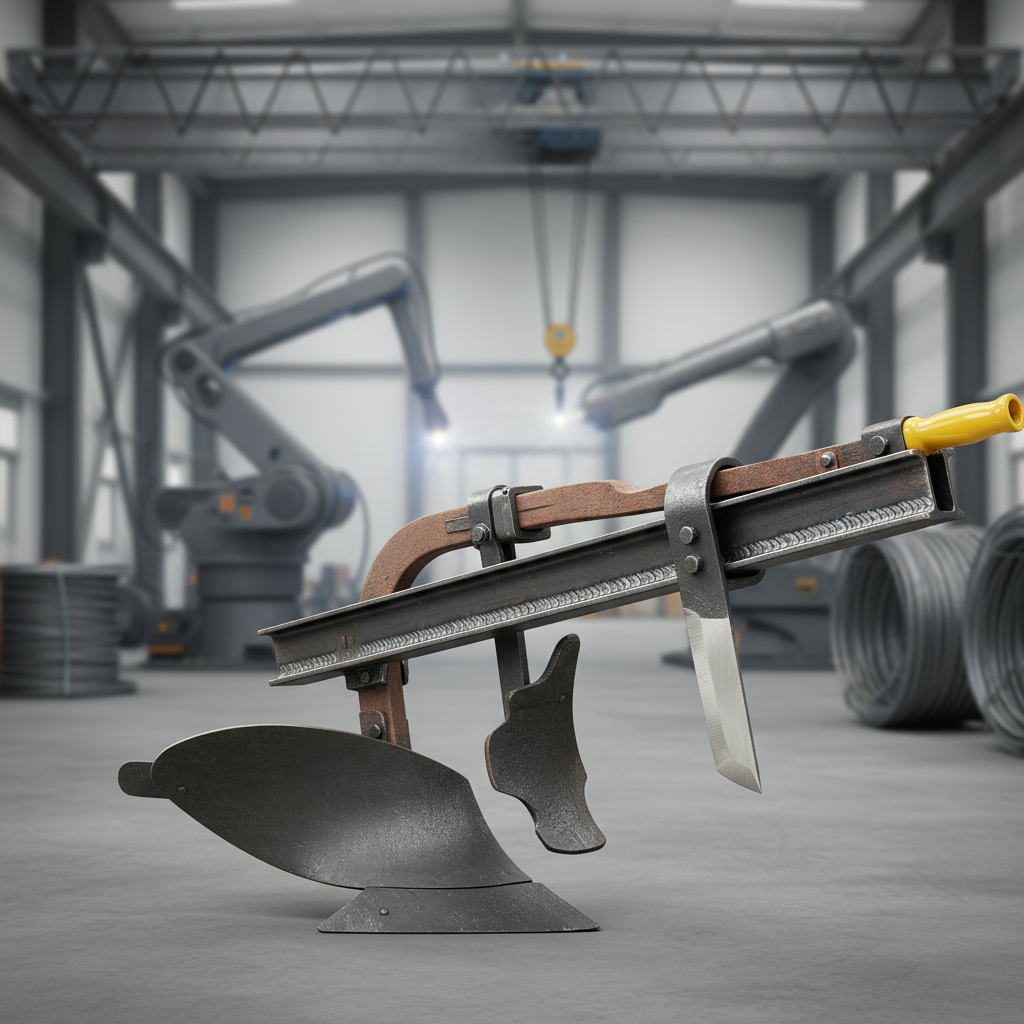
Beyond the finish, the precision of the casting determines the fit and function. For example, welding hinges and window rollers must adhere to strict tolerances to ensure smooth movement and airtight seals. Any deviation in the casting mold can lead to mechanical friction, accelerating wear on the hardware and potentially compromising the security of the entry point.
Furthermore, the ability to create custom patterns allows architectural hardware to meet specific structural needs without sacrificing design. By utilizing tailored molds, manufacturers can reinforce high-stress areas of a decorative panel while maintaining an intricate ornamental appearance, effectively merging engineering requirements with artistic intent.
A common challenge in building design is the conflict between high-security requirements and the desire for an open, ornamental aesthetic. Traditional security bars are often utilitarian and unsightly, whereas purely decorative elements often lack the strength to deter forced entry.
The integration of decorative iron panels provides a dual-purpose solution: the inherent strength of cast iron offers a formidable physical barrier, while the ornamental design preserves the architectural integrity and visual appeal of the property.
By utilizing heavy-duty castings for window and gate accessories, property owners can achieve a high level of deterrence. These panels are not only structurally sound but also adaptable, allowing for custom designs that fit the specific geometry of a window or gate while ensuring no weak points are left exposed.
To understand why certain materials are preferred for specific roles, we must examine their relative performance across different stressors. Cast iron excels in durability and weight-bearing capacity, making it the standard for structural supports and heavy-duty ornamental work. In contrast, aluminium profiles are preferred for frames where weight reduction is the primary goal.
The following index illustrates the relative suitability of hardware materials based on key performance metrics such as corrosion resistance (with coating), structural strength, and longevity in outdoor settings.
In industrial settings or public infrastructure, hardware is subjected to extreme temperature fluctuations and constant mechanical wear. Cast iron's ability to maintain structural integrity under these conditions makes it ideal for factories and commercial complexes. When these components are powder-coated, they become virtually impervious to the corrosive effects of rain, salt spray, and industrial pollutants.
Practical application requires a consideration of maintenance. While cast iron is exceptionally durable, occasional cleaning with mild soap and water is recommended to remove abrasive debris. This simple upkeep, combined with the protective finish, ensures that the hardware remains functional and visually appealing for decades, significantly reducing the total cost of ownership compared to materials that require frequent replacement.
The current trend in architectural hardware is moving toward a synthesis of classical motifs and modern manufacturing precision. There is a renewed interest in ornamental iron fences, balusters, and post caps that provide a sense of permanence and prestige to residential and commercial properties.
Technological advancements in casting allow for more intricate designs without compromising the strength of the part. This means that complex rosettes and spears can now be produced with higher consistency and tighter tolerances, allowing them to integrate seamlessly with modern window and door frames.
As homeowners and developers seek more sustainable building options, the longevity of cast iron becomes a key selling point. The ability of a high-quality casting to last for several decades—outliving the building's initial paint and interior finishes—positions it as a sustainable alternative to disposable, low-grade hardware.
Procuring hardware for a large project requires a systematic approach to avoid costly errors. The first step is to define the environment: an interior residential setting has vastly different requirements than a public outdoor gate. For the latter, material density and coating thickness are the primary metrics for evaluation.
Secondly, the procurement team must evaluate the manufacturer's capability for customization. A company that can handle custom patterns tailored to a project's specific architectural needs provides significantly more value than one offering only a standard catalog. This flexibility is crucial for ensuring that security hardware blends into the overall design.
Finally, a comparison of lifespan versus initial cost should be conducted. While cast iron may have a higher upfront cost than plastic or low-grade alloy alternatives, its near-zero maintenance and extreme longevity result in a lower lifetime cost. The following table provides a relative assessment of hardware options.
| Material Type | Weather Resistance | Structural Security | Maintenance Level |
|---|---|---|---|
| Powder-Coated Cast Iron | Excellent | Very High | Minimal |
| Forged Steel | High | Highest | Low to Medium |
| Aluminium Profile | Excellent | Medium | Minimal |
| Mild Steel (Painted) | Medium | High | High |
| Zinc Alloy | Medium | Low | Medium |
| Stainless Steel | Highest | High | Minimal |
Yes, provided they are treated with a professional powder-coated finish. The coating acts as a non-porous barrier that prevents salt-laden moisture from reaching the metal surface. This is critical in coastal areas where oxidation occurs rapidly. With this protection, cast iron hardware maintains its structural integrity and appearance for decades, requiring only occasional cleaning with mild soap to remove salt deposits.
Custom-designed panels eliminate the gaps and fitting errors common with standard sizes. By tailoring the hardware to the exact dimensions of the window or gate, you remove potential leverage points that intruders could use. Furthermore, the inherent density of cast iron makes these panels extremely difficult to cut or bend, providing a physical deterrent that is far superior to aluminium or thin-gauge steel.
Maintenance for powder-coated cast iron is minimal. The most effective method is to occasionally wash the surface with mild soap and water to remove dirt, dust, and corrosive debris. Avoid using harsh chemicals or abrasive scrubbers, as these can scratch the powder coating and create entry points for moisture. If a deep scratch occurs, a small touch-up with matching paint can prevent localized oxidation.
While aluminium is highly resistant to corrosion, it is much softer and more prone to mechanical wear and deformation over time. Cast iron, especially when coated, offers a similar level of weather resistance but far superior structural longevity. In high-traffic areas, cast iron hardware can last for several decades without losing its shape or function, whereas aluminium components may require replacement due to wear at joint points.
Absolutely. Beyond their security benefits, cast iron components like rosettes, handles, and decorative panels add a timeless, high-end aesthetic to residential interiors. In indoor environments, they are virtually maintenance-free and provide a tactile sense of quality and permanence that lighter materials cannot replicate. They are particularly effective in traditional, industrial, or gothic architectural styles.
Prioritize experience in both casting and finishing. A partner with a long history in the foundry industry, such as one with over 40 years of experience, will have a better understanding of metal composition and mold precision. Ensure they offer custom design capabilities and use industrial-grade powder coating. Reviewing a project gallery of completed installations is also a reliable way to verify the quality of their final products.
The selection of hardware for doors and windows is a strategic decision that impacts both the security and the value of a property. By prioritizing materials like cast iron and ensuring professional-grade finishing, developers and homeowners can invest in solutions that provide lasting protection and timeless beauty.
Whether opting for ornamental panels or functional rollers, the key lies in sourcing from a door and window hardware company that combines traditional foundry expertise with modern quality control. This approach ensures that every component is not only a decorative asset but a durable structural investment.