

Understanding Spear Steel Properties Applications and Reliable Sourcing
Understanding Spear Steel: Properties, Applications, and Sourcing
Spear steel, a term often used in the context of forging and manufacturing, refers to high-carbon steels renowned for their strength, durability, and ability to hold a sharp edge. While not a formally defined steel grade, it embodies characteristics crucial for applications ranging from tooling to high-performance components. This article explores the properties of spear steel, its typical applications, and considerations for sourcing quality steel from a reputable foundry. We'll delve into the specifics that make this type of steel a preferred choice for demanding applications.
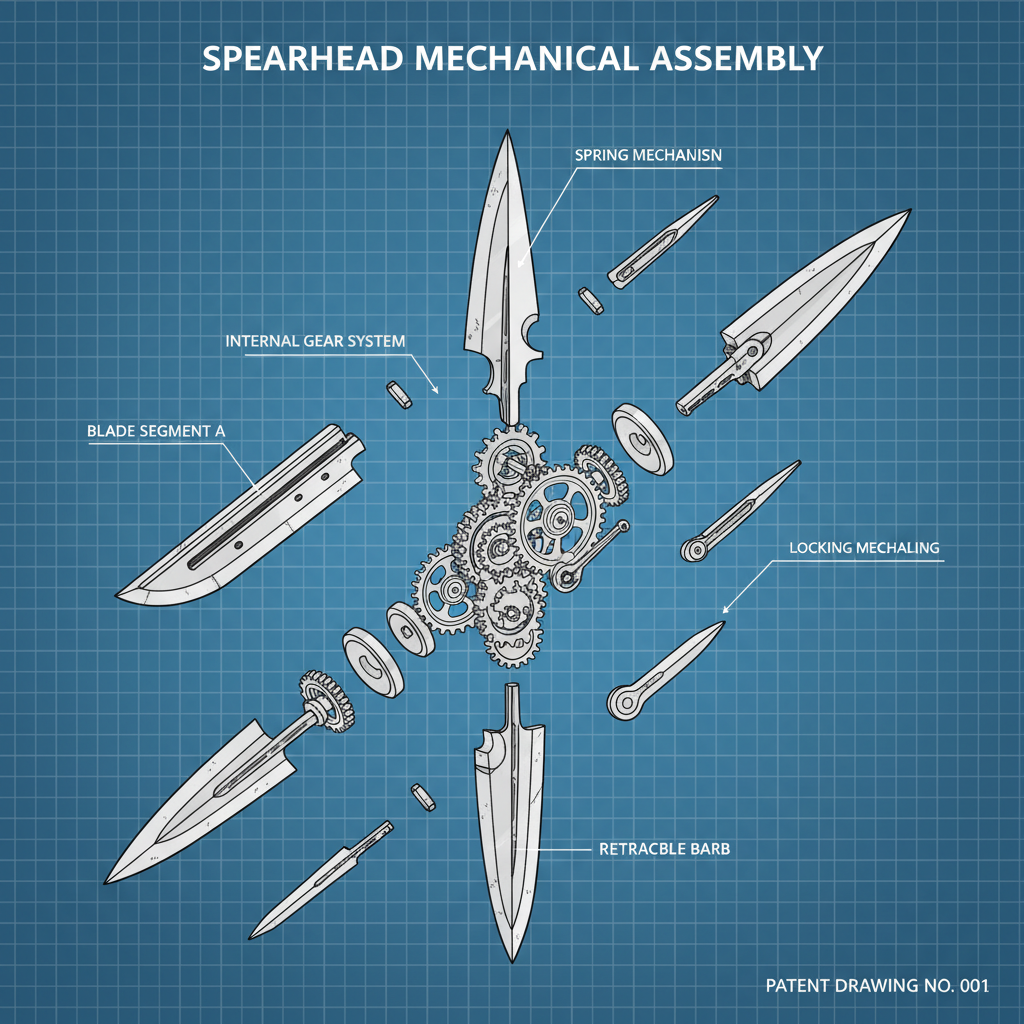
Key Characteristics of Spear Steel
Spear steel typically boasts a high carbon content, generally ranging from 0.6% to 1.0%. This high carbon concentration significantly contributes to its hardness and wear resistance. The steel is often alloyed with elements like manganese, silicon, and chromium to further enhance its properties, such as toughness, strength, and corrosion resistance. Crucially, proper heat treatment – including hardening and tempering – is essential to unlock the full potential of spear steel. Without correct heat treatment, the steel may be brittle and prone to failure. These qualities position it as an ideal choice for applications where structural integrity and edge retention are paramount.
Key Highlights: High carbon content for hardness, alloyed with manganese, silicon and chromium for increased toughness and corrosion resistance. Proper heat treatment is crucial.
Applications of Spear Steel: A Diverse Range
The exceptional properties of spear steel translate into a broad spectrum of applications. Historically, it was favored for the manufacture of spears and other bladed weapons, hence the name. Today, it finds extensive use in the production of cutting tools, such as punches, dies, and blades for industrial machinery. It's also commonly employed in the forging of high-strength components for the automotive, aerospace, and construction industries. Furthermore, spear steel is utilized in the creation of springs, gears, and other parts that require high wear resistance and fatigue strength. Its versatility makes it a sought-after material across various engineering disciplines.
Spear Steel Application Benefits:
• Excellent wear resistance in cutting tools
• High strength for structural components
• Fatigue resistance in springs and gears
• Capability to hold a sharp edge for blades
Spear Steel Composition: Comparing Common Grades
While "spear steel" isn't a precise grade, its properties are often replicated through specific steel compositions. Here’s a comparison of some commonly used grades that fall under the "spear steel" umbrella:
Sourcing Spear Steel: Partnering with a Reliable Foundry
Obtaining high-quality spear steel requires careful consideration of your supplier. Choosing a reputable foundry like TJJ Iron Casting is paramount. Look for foundries with robust quality control processes, comprehensive testing capabilities, and a track record of delivering consistent results. Specifically, inquire about their ability to meet your precise specifications regarding chemical composition, heat treatment, and dimensional tolerances. Furthermore, ensure they can provide material certifications and traceability documentation for each batch.
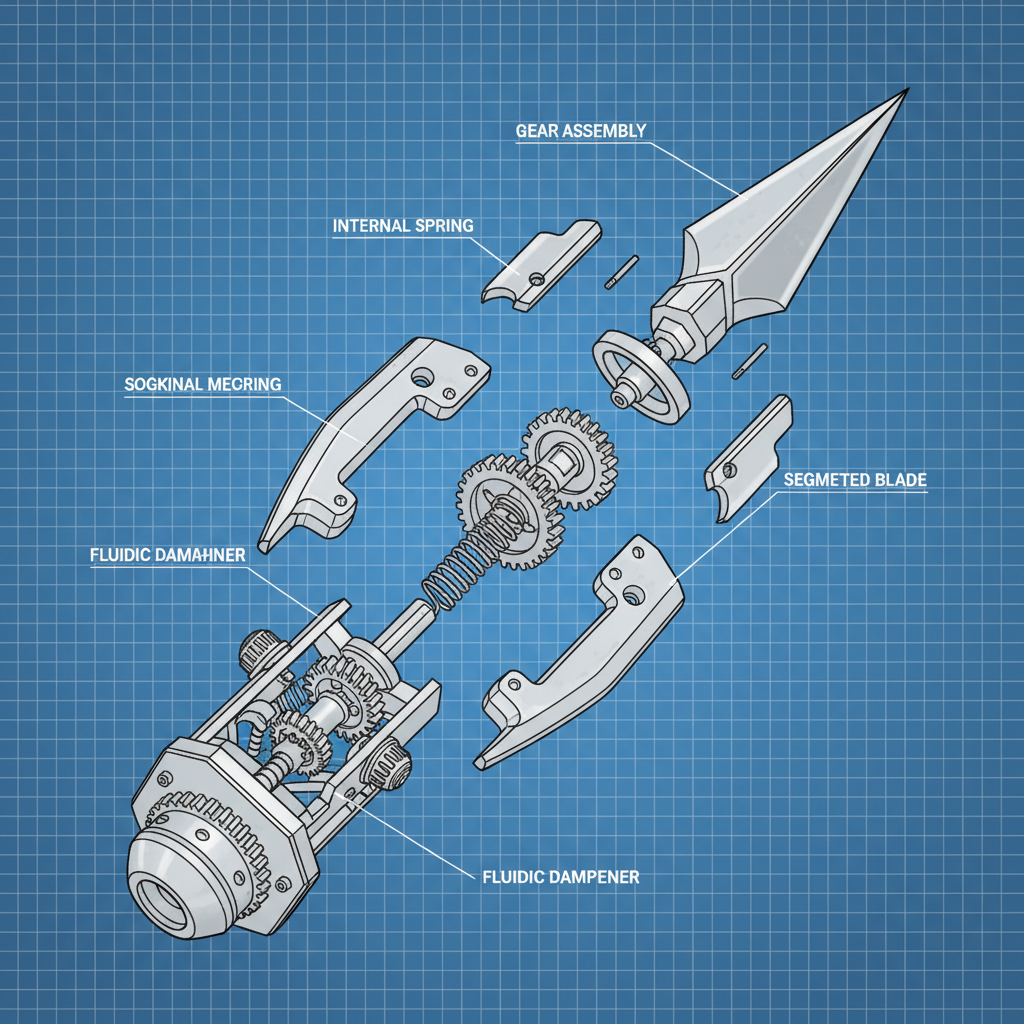
Key Considerations When Selecting a Steel Foundry
When choosing a foundry for your spear steel needs, several factors deserve close attention. Assess their experience with high-carbon steels and their capacity for heat treatment. Understand their testing procedures for verifying chemical composition and mechanical properties. Check for certifications like ISO 9001, which demonstrate a commitment to quality management. Finally, evaluate their responsiveness, communication, and ability to meet your delivery deadlines. A strong partnership with a reliable foundry can significantly impact the success of your project.
Conclusion: Ensuring Quality and Performance with Spear Steel
Spear steel, with its exceptional properties, remains a vital material across numerous industries. By understanding its characteristics, applications, and sourcing considerations, you can ensure that your projects benefit from its superior strength, durability, and performance. Partnering with a trusted foundry like TJJ Iron Casting is a crucial step towards achieving optimal results.
Frequently Asked Questions (FAQs)
What is the optimal heat treatment process for spear steel?
The optimal heat treatment process depends on the specific grade of spear steel and the desired final properties. Generally, it involves austenitizing (heating to a specific temperature), quenching (rapid cooling), and tempering (reheating to a lower temperature). Austenitizing temperature is crucial and should be precisely controlled to achieve the desired grain structure. Quenching is typically done in oil or water to achieve hardness, followed by tempering to reduce brittleness and enhance toughness. Proper heat treatment is essential to unlock the full potential of the steel and achieve the required mechanical properties.
What are the advantages of using alloyed spear steel?
Alloying spear steel with elements like manganese, silicon, and chromium enhances its properties. Manganese improves hardenability and toughness, silicon increases strength and improves oxidation resistance, and chromium enhances corrosion resistance and wear resistance. These alloys allow for tailoring the steel’s characteristics to specific applications, making it more versatile and capable of withstanding demanding conditions. For example, chromium significantly improves resistance to rust and corrosion in harsh environments.
How can I ensure the quality of spear steel I purchase?
To ensure quality, always source from a reputable foundry like TJJ Iron Casting. Request material certifications and traceability documentation to verify the chemical composition and heat treatment process. Inspect the steel for surface defects and ensure it meets your dimensional tolerances. Perform mechanical testing, such as hardness and tensile strength tests, to confirm it meets your specifications. Don’t hesitate to ask the foundry about their quality control procedures and testing capabilities.
-
Understanding Iron is What Type of Element and Its PropertiesNewsApr.16,2026
-
How to Identify Prevent and Remove Wrought Iron Rust EffectivelyNewsApr.09,2026
-
Enhance Your Property with Durable and Stylish Iron Gate HandlesNewsApr.07,2026
-
Understanding Wrought Iron vs Iron Properties and ApplicationsNewsApr.04,2026
-
Elevate Your Property with Stunning Gate Wrought Iron Design OptionsNewsMar.31,2026
-
The Enduring Appeal of Ornamental Wrought Iron for Elegant DesignNewsMar.28,2026
-
 Aluminum Ally door and window handle
+
-
 Sliding door window wheel rollers
+
-
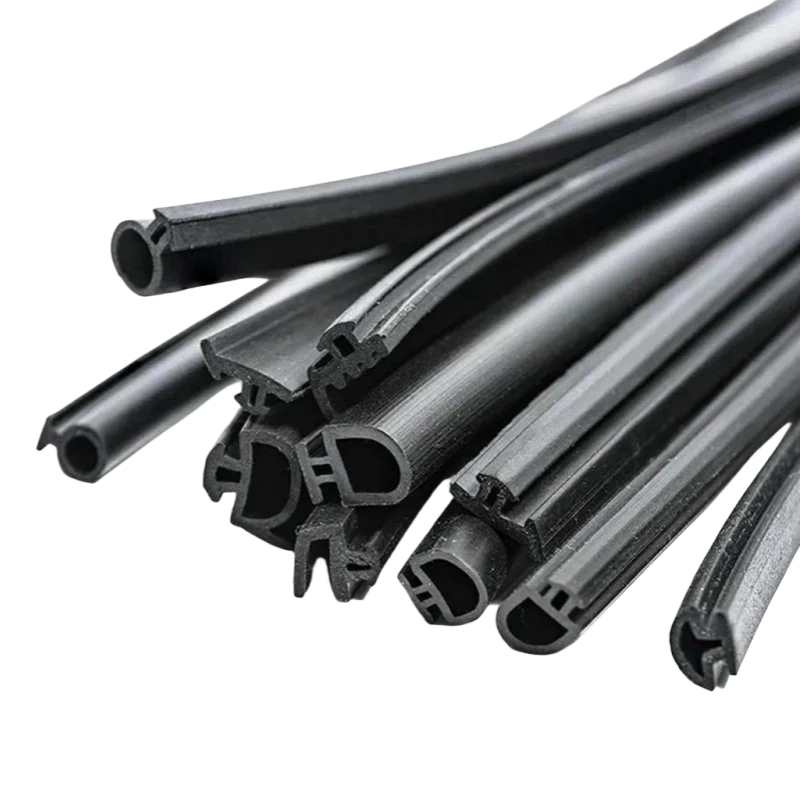 rubber window seal
+
-
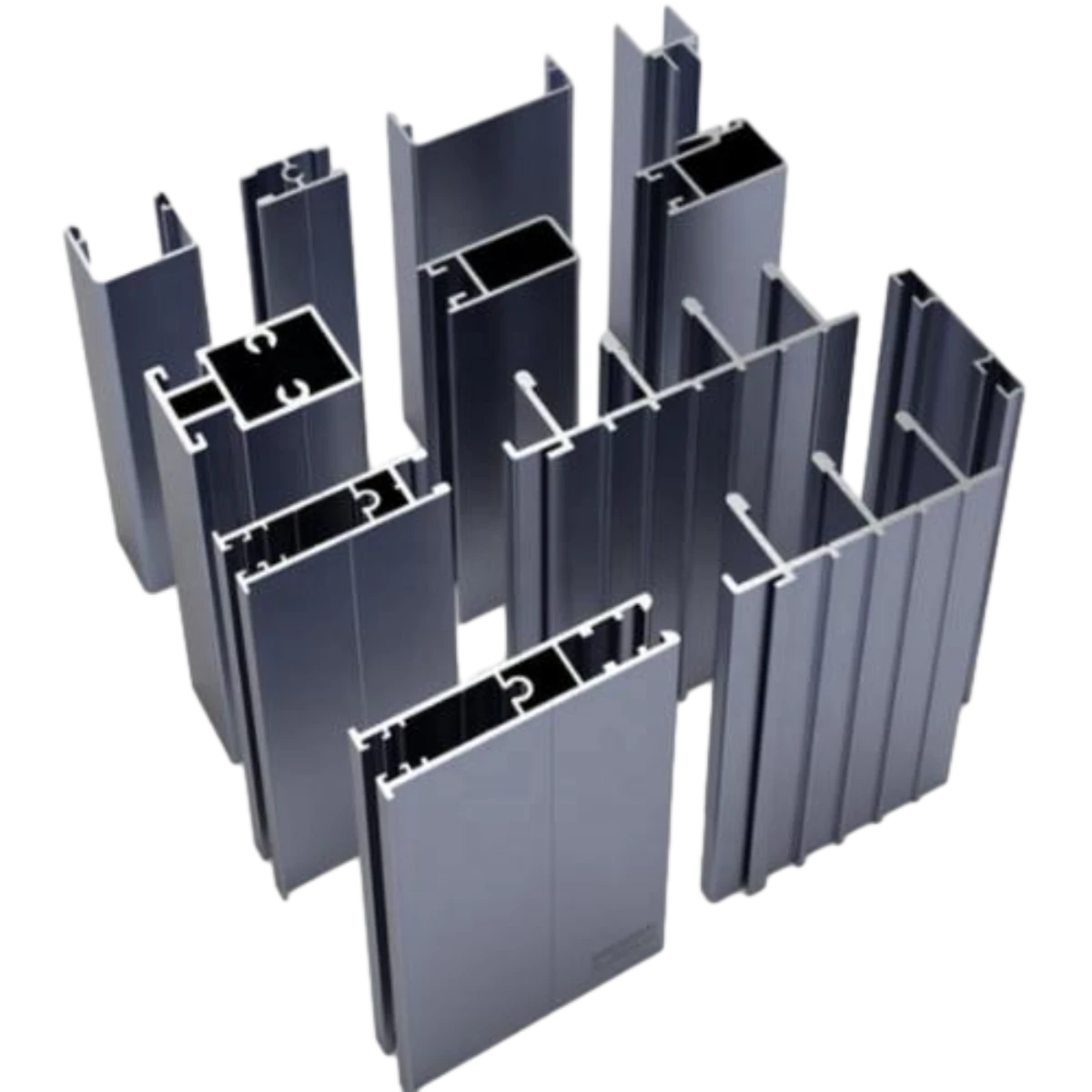 Aluminium Windows Profiles
+
-
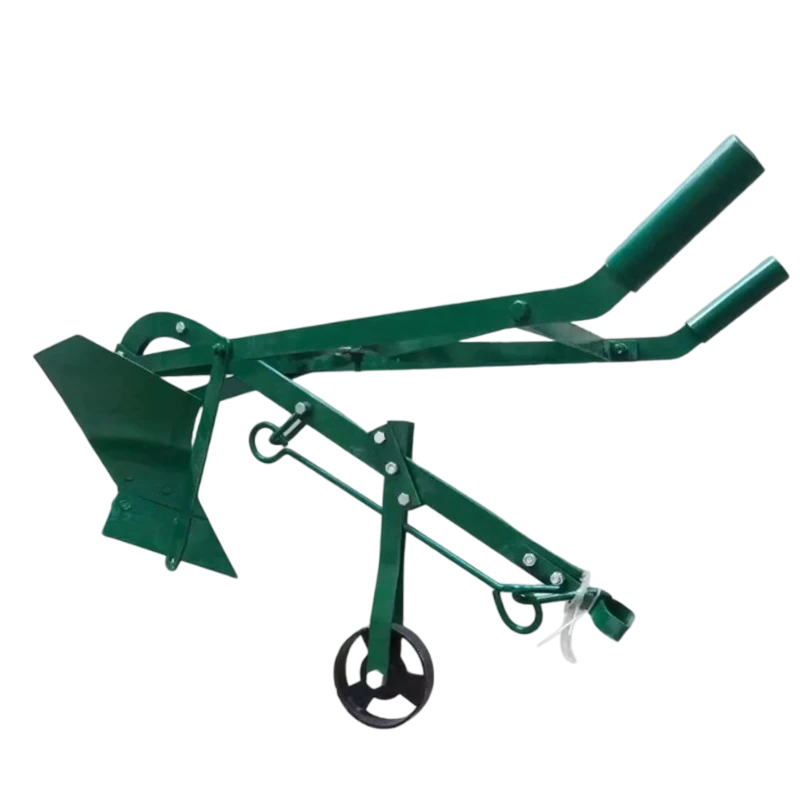 animal drawn plough plows
+
-
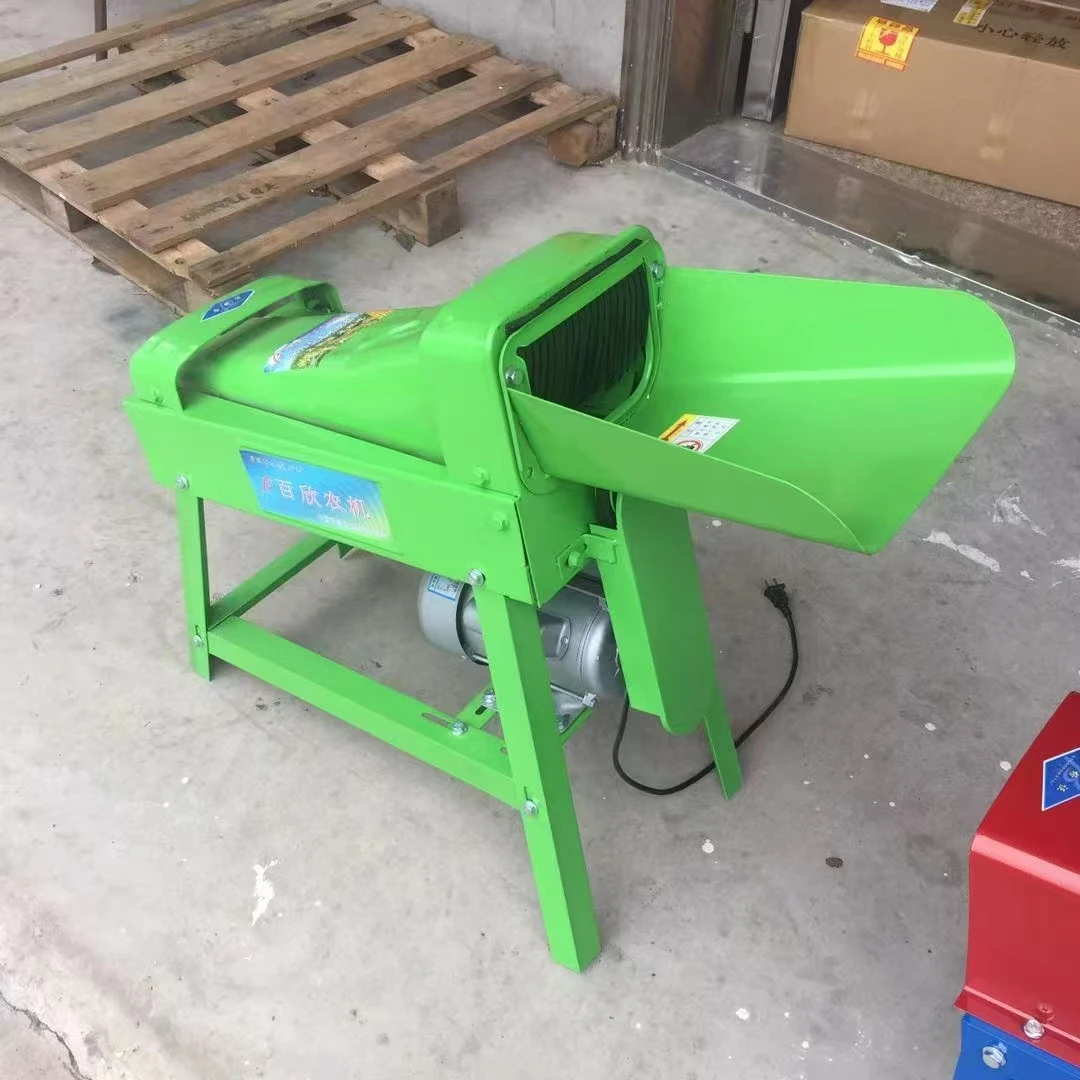 Thresher Machine
+
-
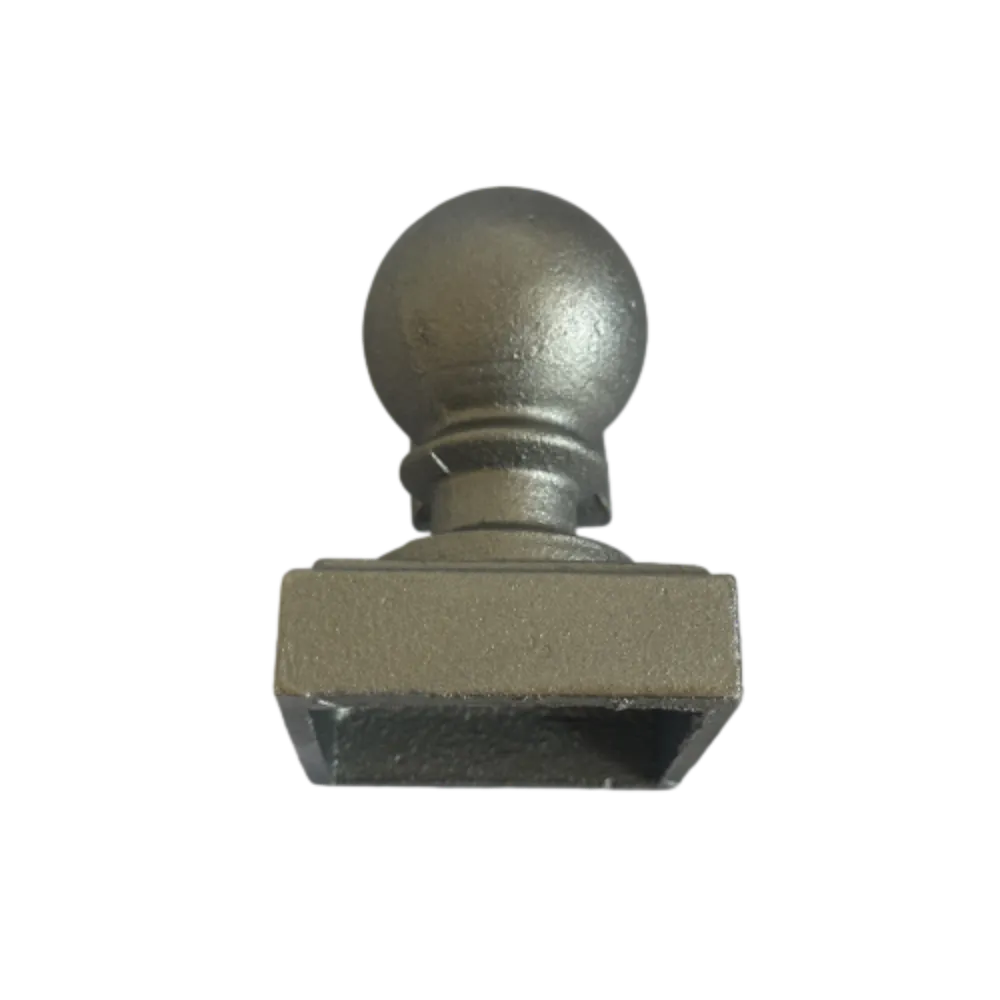 Cast Iron Post Caps
+
-
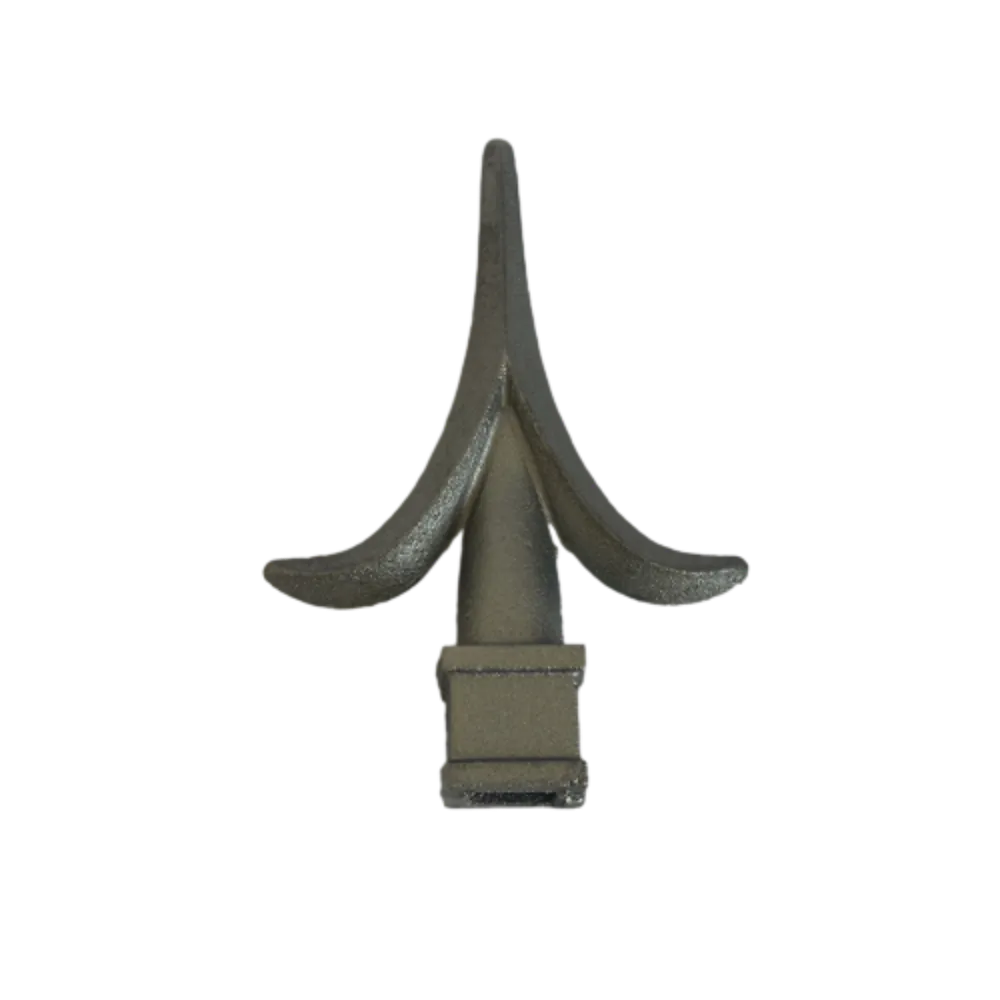 Cast Iron Spear Point Finial
+
-
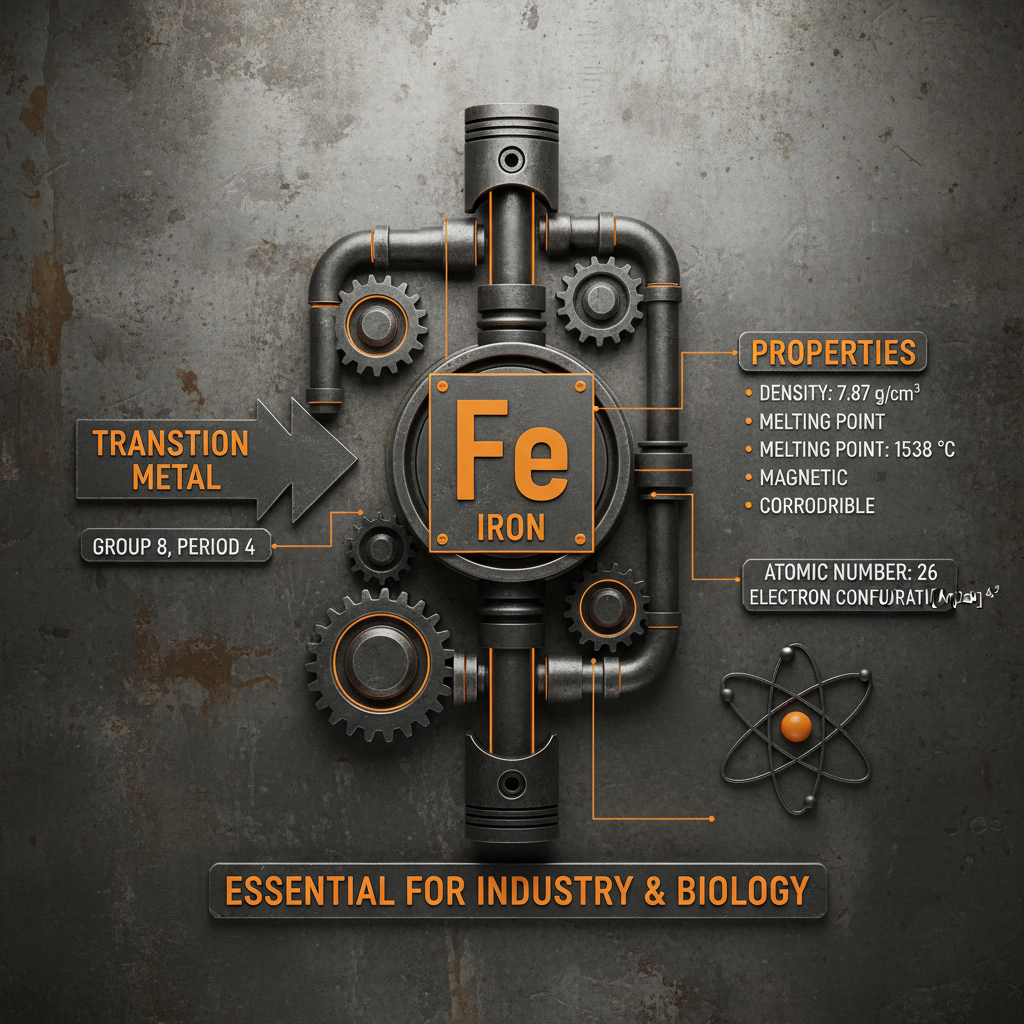 Understanding Iron is What Type of Element and Its PropertiesApr-16-2026Understanding Iron is What Type of Element and Its Properties
 -
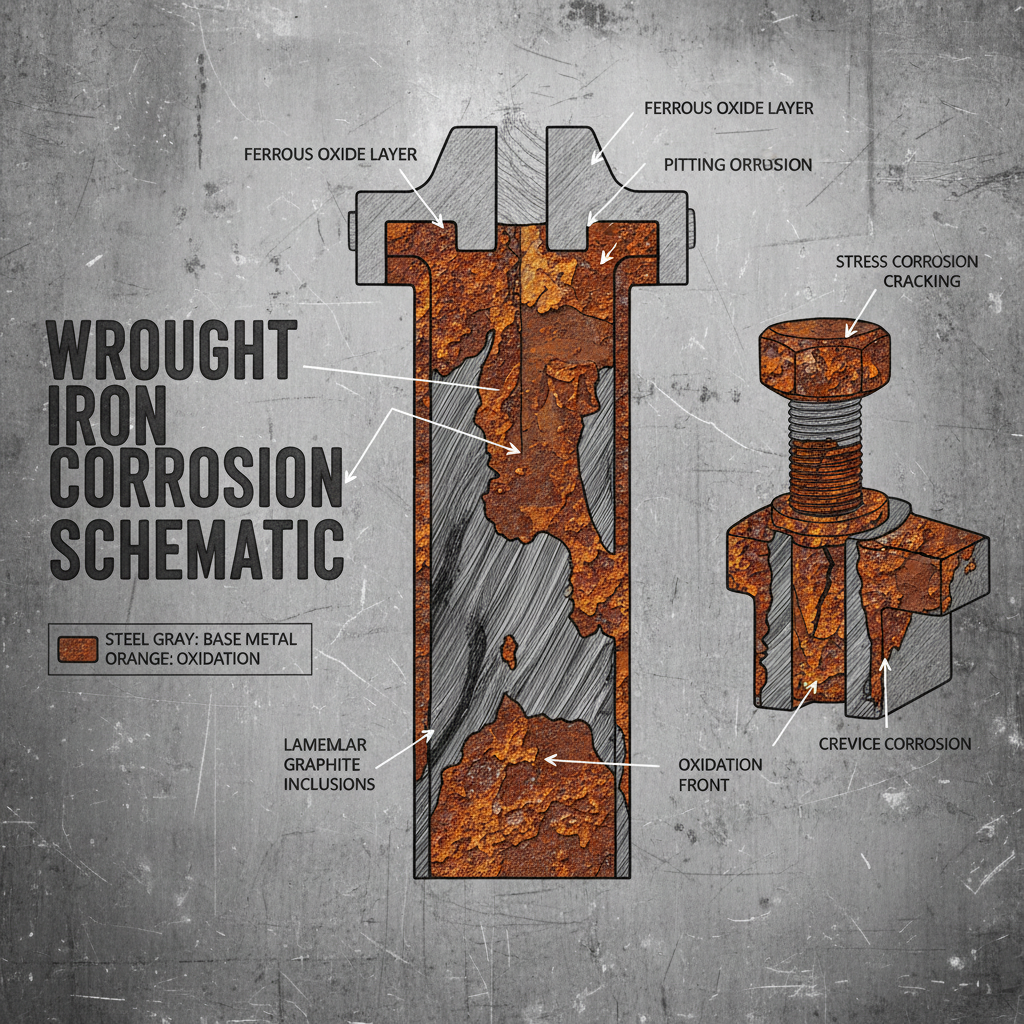 How to Identify Prevent and Remove Wrought Iron Rust EffectivelyApr-09-2026How to Identify Prevent and Remove Wrought Iron Rust Effectively
 -
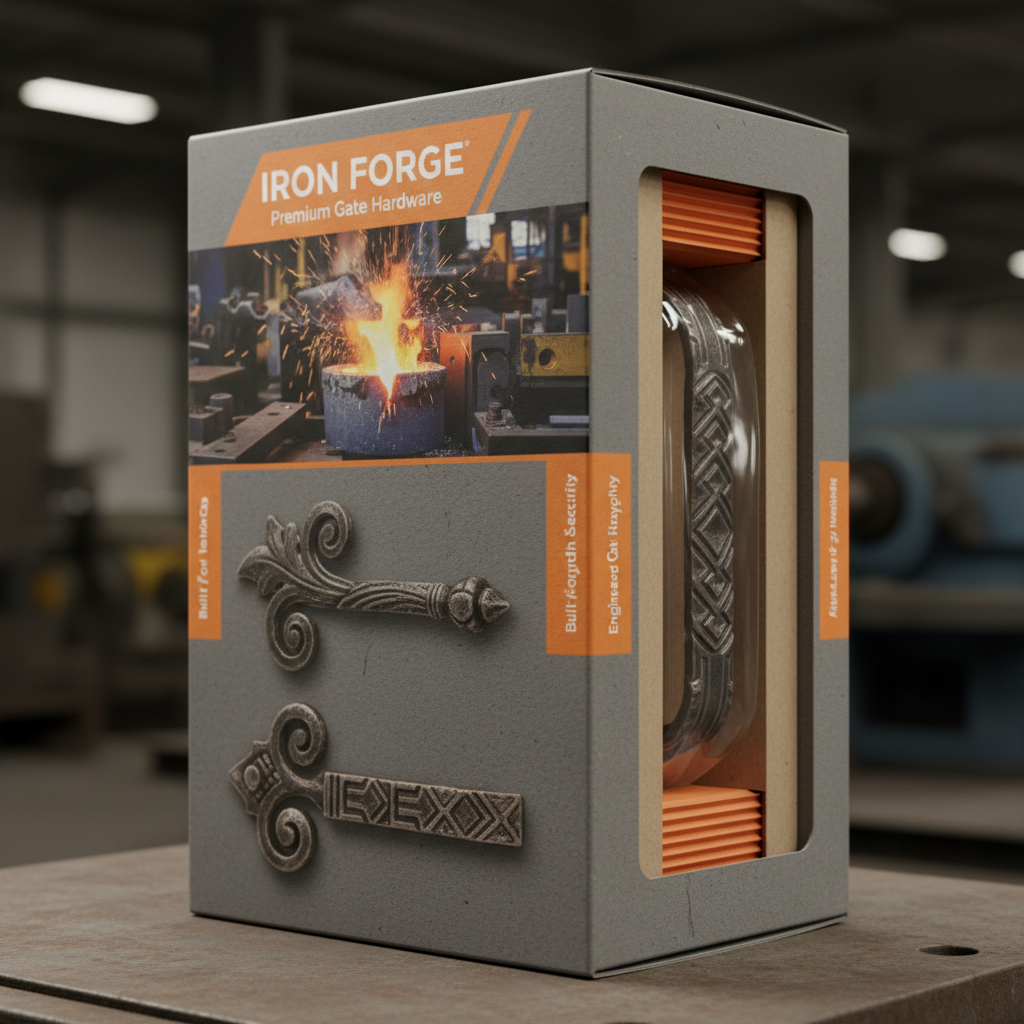 Enhance Your Property with Durable and Stylish Iron Gate HandlesApr-07-2026Enhance Your Property with Durable and Stylish Iron Gate Handles


