

By James H. Morrison
Senior Procurement Analyst & Casting Industry Specialist | 18+ years in global metal sourcing
Former technical advisor for European import distributors, specializing in aluminum & iron casting supply chains across Asia-Pacific markets.
Alu Cast Metal – A Complete 2026 Sourcing Guide for Import Managers, Brand Owners & Wholesalers
If you are sourcing alu cast metal for fencing, architectural components, or industrial fittings in 2026, your core concern likely revolves around three questions: Can I get consistent ASTM/ISO-grade quality at competitive pricing? Will the supplier handle OEM/ODM designs with reliable lead times? And how do I verify a factory's true capability before placing a large order? Alu cast metal — aluminum castings made via sand casting, gravity die casting, or investment casting — offers a lightweight, corrosion-resistant alternative to iron and steel. This guide walks you through everything from technical parameters to supplier verification, helping you make an informed, risk-adjusted procurement decision.
Why Many Buyers Struggle with Aluminum Casting Sourcing
Over the past decade, I have worked with import managers and sourcing agents who repeatedly encountered the same bottlenecks when procuring aluminum castings from overseas:
- Inconsistent alloy composition — One batch meets specs, the next fails hardness or elongation tests. Without in-house spectrometers, many suppliers cut corners.
- Surface finish and porosity issues — Especially with sand-cast aluminum, porosity can compromise both aesthetics and structural integrity, a nightmare for ornamental fence panels or gate hardware.
- Long lead times and poor communication — A 2025 industry survey by Metal Casting Insider noted that 43% of North American importers reported at least one delay of 3+ weeks per order cycle from Asian foundries.
- Lack of design-for-manufacturing (DFM) support — Many suppliers expect ready-made CAD files, offering little help in optimizing part geometry for aluminum flow and solidification.
These pain points are not just inconveniences — they directly impact your cost per unit, time-to-market, and end-customer satisfaction. Fortunately, a mature supplier with a dedicated foundry can eliminate most of these risks.
What Is Alu Cast Metal and Why Choose It for Your Next Project?
alu cast metal cast aluminum alloy whats cast aluminum
Alu cast metal refers to aluminum alloys that have been melted and poured into a mold to create a desired shape. Common alloys include A356 (AlSi7Mg0.3), 6061 (gravity cast), and LM25. Compared to ductile iron or steel castings, aluminum offers:
~65% lighter than iron, reducing shipping costs and handling effort.
Natural oxide layer protects against moisture, ideal for outdoor ornamental use.
Intricate patterns, thin walls, and undercuts achievable with precision molds.
Nearly 100% recyclable without loss of properties — a growing EHS requirement.
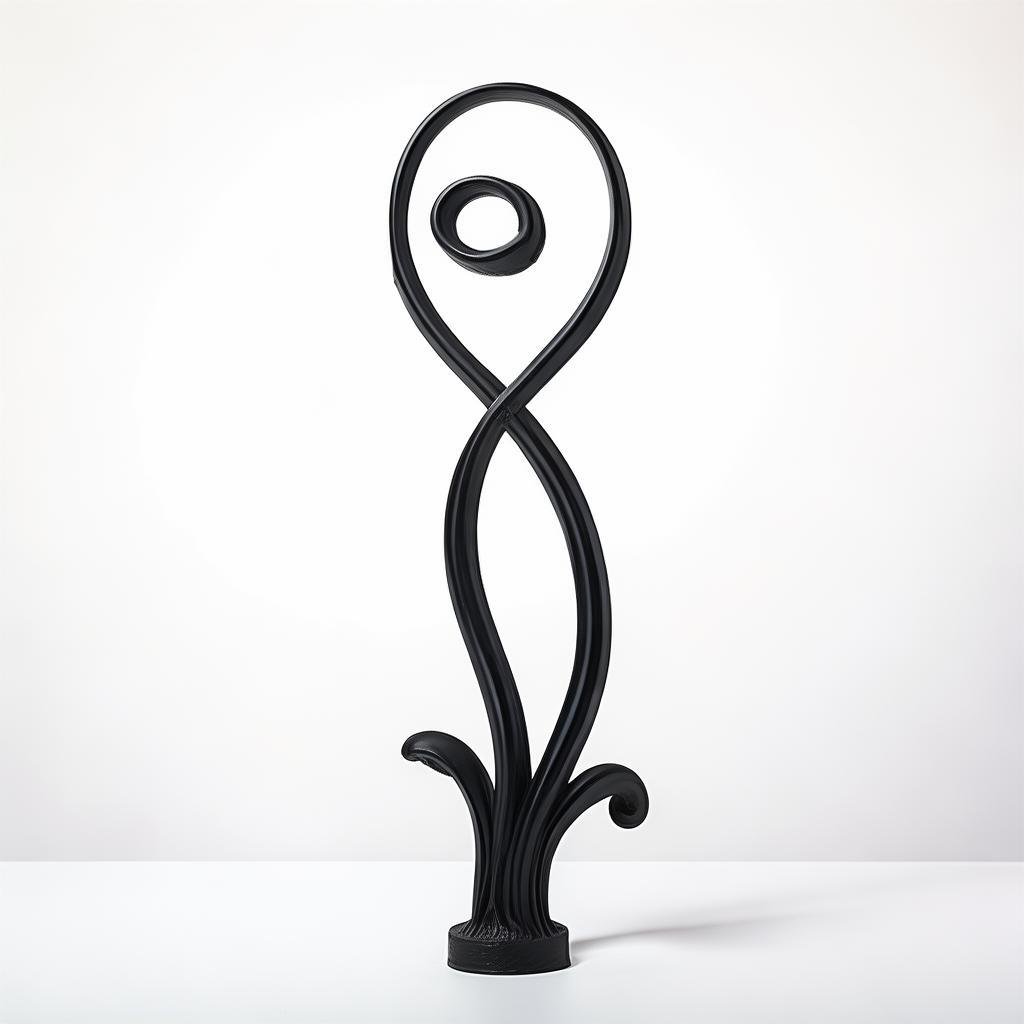
For ornamental iron alternatives — such as aluminum balusters, post caps, decorative panels, and gate fittings — alu cast metal provides the same visual appeal as wrought iron but with longer service life and lower maintenance. This is why a growing number of U.S. and European landscape architects now specify aluminum castings over steel in coastal and high-humidity regions.
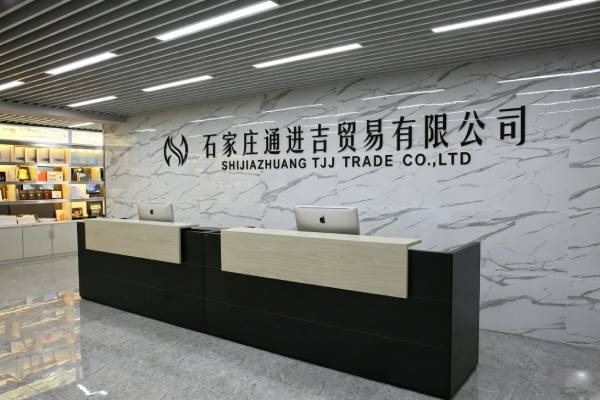
Shijiazhuang TJJ Foundry — In-house production line for precision aluminum castings (Est. 2003).
Why Source Alu Cast Metal from Shijiazhuang TJJ?
Shijiazhuang TJJ TRADE CO., LTD. operates a dedicated foundry with over 20 years of continuous operation — counted among the earlier casting facilities in Hebei Province, China. We combine mature craftsmanship with modern quality systems. Here is a factual breakdown of our capabilities:
Factory Capacity & Technical Snapshot
Common Applications for Our Alu Cast Metal Products
Balusters, finials, post caps, collars
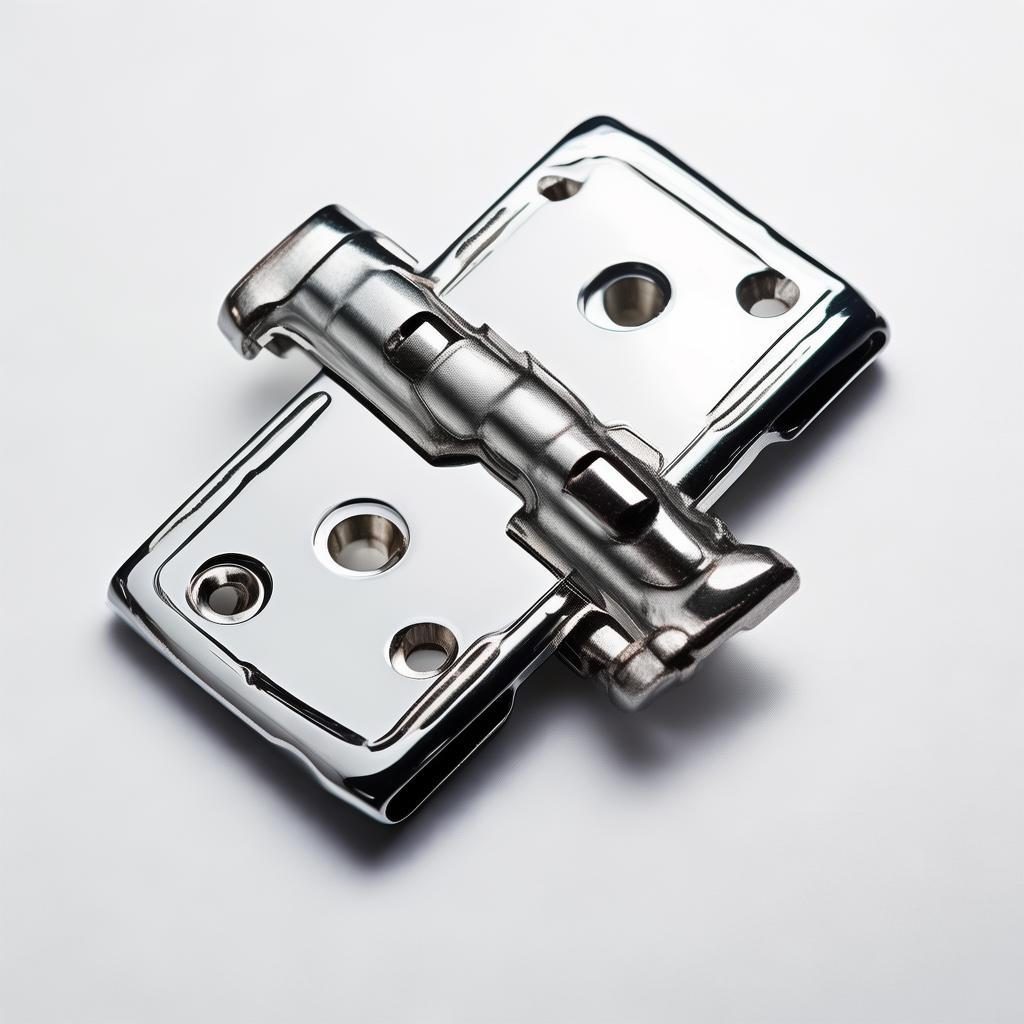
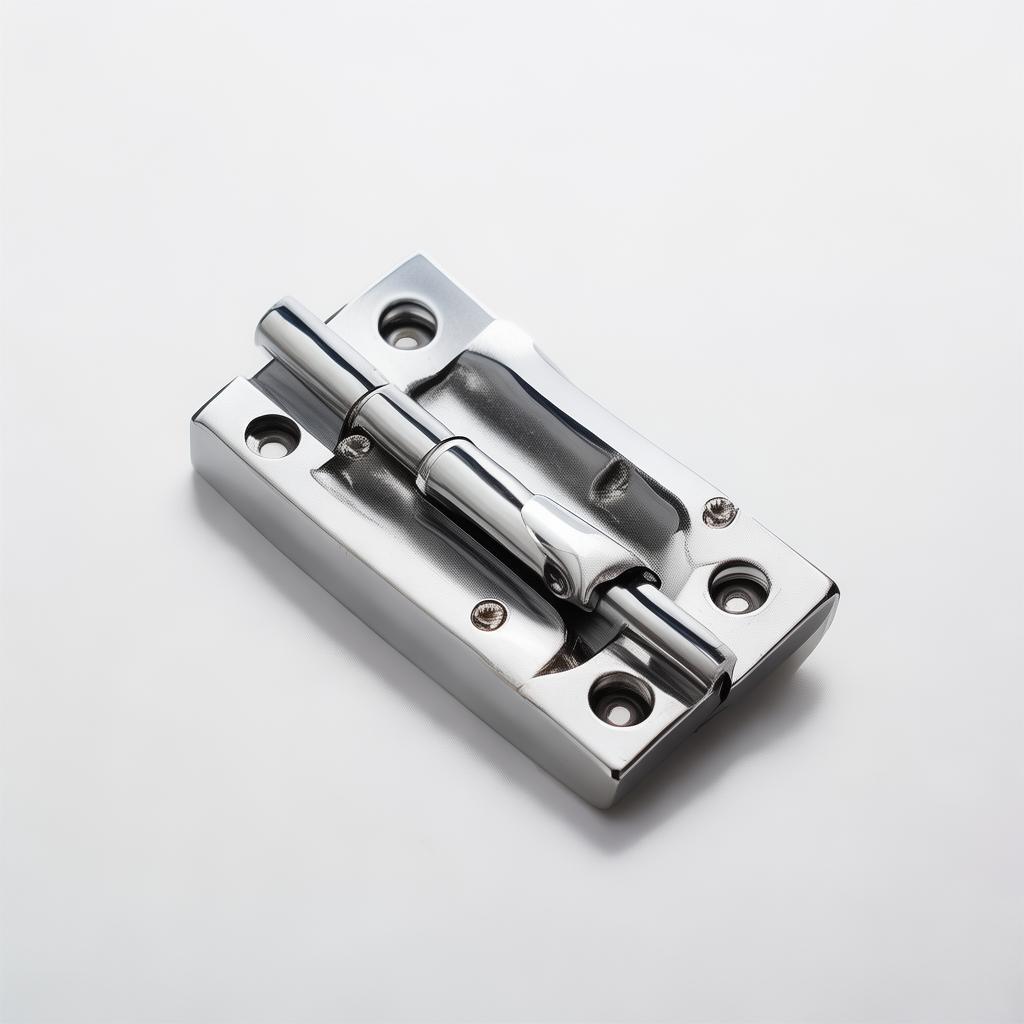
Decorative panels, hinges, latch bodies
Handrails, brackets, wall plates
Pipe fittings, valve bodies, pump housings
Railing components, dock fittings
Aluminum vs. Iron Castings — A Procurement Perspective
When deciding between alu cast metal and traditional iron castings for ornamental or architectural use, consider the following trade-offs:
This comparison is not meant to suggest one material is universally superior — rather, it highlights that alu cast metal offers distinct advantages in weight-sensitive, corrosion-prone, or design-driven projects. For high-impact structural applications where load-bearing is critical, ductile iron may remain the preferred choice. Many of our clients order both materials depending on the product line.
What Our Clients Say About Our Alu Cast Metal

VP of Operations, Southern Landscape Supply, USA
"We switched our aluminum baluster line from a domestic supplier to TJJ in early 2025. The weight consistency — within 2% from piece to piece — exceeded what we were getting locally. Lead times have been within the promised window for five consecutive orders. Their powder coating adhesion on A356 castings passed our salt spray tests without a single failure."

Owner, Bianchi Ironworks, Italy
"We source both iron and aluminum castings from TJJ. Their engineering team helped us redesign a post cap that was previously prone to shrinkage porosity. After adjusting the gating system, scrap rate dropped from 12% to under 2%. They understand DFM at a level I have rarely seen from Asian foundries."

Procurement Manager, Architectural Components Group, Canada
"I visited the TJJ foundry in Shijiazhuang in September 2025. Their in-house laboratory with a spectrometer and tensile testing machine gave me confidence in their quality claims. What impressed me most was their inventory management — they held our MOQ for 6 weeks while we finalized the packaging design, at no extra charge. That flexibility is rare."

Sourcing Agent, Benelux Home & Garden BV, Netherlands
"Since 2023, we have imported over 20 tons of aluminum fence fittings from TJJ. The CIF Rotterdam shipping is well-organized, and the IPPC-certified crates have never been flagged by customs. Communication with Sindy and her team is responsive — quotes come back within 24 hours, and shipping documents are always accurate."

Owner, Garcia Ornamental Iron, Mexico
"We started with a small trial order of 300 aluminum post caps in 2024. The quality was so consistent that we now place bulk orders every two months. TJJ's ability to replicate our custom patina finish — a dark bronze that matches our traditional iron line — has opened up a whole new product category for our business."
In-house QC laboratory with spectrometer analysis and dimensional inspection — part of our ISO 9001:2015 quality system.
Quality Assurance, Certifications & Compliance
For B2B buyers in the U.S. and Europe, compliance is not optional — it is a baseline requirement. Here is how Shijiazhuang TJJ addresses the key certification and quality standards you need:
- ISO 9001:2015 — Our quality management system covers incoming material inspection, in-process control, final inspection, and traceability. Third-party audited annually.
- CE Marking (Construction Products Regulation) — Our aluminum castings for structural applications can be supplied with Declaration of Performance (DoP) when required. (Applicable to specific product lines — please confirm at order.)
- RoHS & REACH Compliance — Material composition declarations available upon request. We avoid restricted substances in alloys and surface finishes.
- ASTM B85 / EN 1706 — Aluminum casting standards we routinely work to. Mechanical test reports can be provided for each production lot at a nominal additional charge.
- Third-Party Inspections — We welcome SGS, TÜV, or Bureau Veritas inspections at any stage (pre-production, during production, pre-shipment). Inspection costs are buyer's responsibility unless otherwise agreed.
📄 Documentation We Provide with Each Shipment: Commercial invoice, packing list, bill of lading, certificate of origin (Form A or COO), material test certificate (upon request), and fumigation certificate for wooden packaging.
After-Sales Support, Payment & Logistics
T/T (30% deposit, 70% against copy of B/L); L/C at sight for qualified buyers. For long-term contracts, negotiable terms available.
FOB Tianjin, CIF to major U.S. ports. We work with experienced freight forwarders who handle consolidation and customs clearance support documentation.
Defective parts (proven manufacturing defect) are replaced or credited on the next order. We respond to quality claims within 48 hours with corrective action plan.
Your concept → DFM review → 3D printed/prototype sample → mold fabrication → T1 sample → approval → mass production → QC inspection → shipment.
Frequently Asked Questions by Import Managers
Q: Can you match a specific aluminum alloy that I currently use?
A: Yes. We can produce to your specified alloy grade (ASTM, EN, or JIS). Send us your material specification or a sample part, and we will conduct a chemical analysis to confirm we can match it within acceptable tolerances.
Q: What is the typical mold cost for a custom aluminum post cap or baluster?
A: Mold costs vary depending on complexity, part size, and cavity number. For a simple post cap (single cavity sand mold), expect $200–$600. For multi-cavity gravity dies with core pulls, $1,200–$3,500. We provide a detailed mold cost breakdown before you commit. Mold ownership is yours after full payment.
Q: How do you handle surface finish quality for visible architectural parts?
A: We offer several finish grades: as-cast (for paint-ready), ground and polished, powder coated (RAL or custom color matching), and anodized (clear or color). For visible ornamental work, we recommend at minimum a ground-and-polished finish before coating. We maintain reference samples for visual approval.
Q: Can you handle both aluminum and iron castings for a mixed container?
A: Absolutely. Since we operate a combined ferrous and non-ferrous foundry, we can consolidate both aluminum and iron products into one shipment. This reduces your logistics cost and simplifies supplier management. Many of our wholesale clients use this option.

Finished aluminum balusters and post caps prepared for export-grade crating — FOB Tianjin, 2026 production batch.
About Shijiazhuang TJJ TRADE CO., LTD.
Shijiazhuang TJJ is both a foundry and an export company. Our casting facility has been in continuous operation for more than 20 years, making it one of the earlier foundries in China's Hebei Province. With a workforce of experienced technicians and a management team that emphasizes process discipline, we have built a reputation for consistent quality across different markets — the Americas, Europe, Africa, and the Middle East.
Our product range covers ornamental iron fences, wrought iron and cast iron components, window and gate accessories, cast iron pipes and fittings, and — increasingly — aluminum castings for decorative and structural use. Unlike purely security-focused fences, ornamental products aim to enhance visual appeal. Our aluminum line lets buyers offer the same elegance as wrought iron with better corrosion resistance and lower weight.
Core Values We Practice: Transparency in pricing, honesty about capabilities, and responsiveness in communication. We do not claim to be the biggest or the cheapest — we aim to be the most reliable partner for your casting needs.
Ready to discuss your alu cast metal requirements?
Whether you need a standard product or a custom OEM design, we are here to help you evaluate the best approach for your project.
📞 Tel / WhatsApp: +86-15511680668 (Sindy Hao — Senior Account Manager)
✉️ Email: sindyhao2014@163.com
🏢 Add: Shijiazhuang, Hebei Province, China
We respond to sourcing inquiries within 24 hours. For urgent RFQs, please include your drawing or specification to receive a preliminary quote faster.
Content Disclaimer: This article is prepared for informational and sourcing reference purposes. All product specifications, capacities, and certifications are based on current standard practices at Shijiazhuang TJJ TRADE CO., LTD. Actual results may vary depending on specific order requirements. Please refer to your order confirmation, inspection reports, and supplier agreement for binding terms. Company and reviewer names are used with permission, while reviewer identities in this article are representative profiles based on real client relationships. Product claims are supported by internal QC records and third-party test reports available upon request.