
Cast Iron vs Ductile Iron: A B2B Buyer’s Guide for 2026
When sourcing iron castings for industrial, architectural, or infrastructure projects, the cast iron vs ductile iron decision directly impacts durability, cost, and machinability. This guide helps import managers and sourcing agents evaluate both materials based on mechanical properties, supply chain capabilities, and total cost of ownership — specifically for US buyers targeting 2026 procurement.
The Buyer’s Core Question: Which Iron Type Fits Your Application?
Both cast iron and ductile iron are ferrous alloys with carbon content over 2%. However, ductile iron (also called nodular iron) contains nodular graphite that provides superior tensile strength and elongation. For US importers dealing with high-stress components like pipe fittings, heavy machinery parts, or decorative structures with load-bearing requirements, ductile iron often outlasts gray cast iron. Yet cast iron remains the cost-effective choice for compression-only applications such as railings, posts, and ornamental fence components. Our factory has supplied both materials to US buyers for over 20 years, and we see that 70% of inquiries for structural components now specify ductile iron (ASTM A536).
Industry Pain Points & How We Solve Them
Pain Point #1: Brittle Fracture in Cold Climates
Gray cast iron lacks ductility, making it prone to cracking under thermal stress in US Northern states. Ductile iron withstands -40°F applications (per ASTM A536). Our OEM components include impact test certifications.
Pain Point #2: Inconsistent Quality from Multiple Suppliers
Sourcing from different foundries creates variation in graphite structure, porosity, and dimensional accuracy. TJJ Trade operates a single vertically integrated foundry with ISO 9001:2015 certification, ensuring batch-to-batch repeatability.
Pain Point #3: Long Lead Times for Custom Castings
Typical foundry lead times for ductile iron from China average 45–60 days. Our high-speed molding line and in-house pattern shop reduce OEM lead times to 25–35 days for moderate orders.
Cast Iron vs Ductile Iron: Technical Comparison Table
| Property | Cast Iron (Gray) | Ductile Iron |
|---|---|---|
| Tensile Strength (min) | 20,000–60,000 psi | 65,000–120,000 psi |
| Elongation | < 1% | 5–25% |
| Impact Resistance | Poor | Excellent |
| Cost per lb (FOB, typical) | $0.80–$1.20 | $1.30–$2.00 |
| Common ASTM Standard | A48 | A536 |
| Typical Applications | Fence panels, post caps, decorative grilles | Pipe fittings, valve bodies, structural brackets |
ductile iron pipe vs cast iron grey cast iron vs ductile iron cast iron ductile
* Prices are indicative FOB China and may vary with order volume and alloy specifications. Please refer to actual order confirmation.
TJJ Trade’s Product & Service Advantages
Powerful Factory — Over 20 years as one of China’s first casting factories. We operate 2 molding lines and a dedicated CNC machine shop.
- Quality Assurance: 100% pressure testing for ductile iron pipe fittings, random Brinell hardness checks, and chemical composition reports (CE, Si, Mg) for each melt.
- OEM/ODM Design: Our engineers in Shijiazhuang provide free DFM feedback for custom ornamental iron fence parts, window grilles, and ductile iron inserts.
- High-Speed Delivery: MOQ as low as 500 units for standard balusters; typical lead time 20–35 days for custom orders (FOB Tianjin).
- China’s Supply Chain Advantage: We source raw pig iron from local, ISO-certified mills and secure freight at competitive rates.
Compliance & Certifications
All our cast iron and ductile iron products comply with applicable US industry standards:
- ASTM A48 (Gray Iron Castings) & ASTM A536 (Ductile Iron Castings)
- ISO 9001:2015 certified quality management system
- CE marking available for ornamental components (self-declaration per EU/UK 305/2011)
- IPPC heat treatment for wooden packaging (optional)
* Certifications provided per actual order. Third-party inspection (SGS, Bureau Veritas) accepted at buyer’s cost.
Real Customer Reviews

– Mark Thompson, Procurement Manager at MidWest Fence Supply (USA)
“We switched from an Indian supplier to TJJ Trade for ductile iron gate brackets. The tensile test results were consistently above 80,000 psi. Their MOQ of 1000 pcs per SKU fits our inventory model perfectly. Delivery was 28 days — exactly as quoted.”

– Luis Hernandez, Owner of Hernandez Ironworks, Texas
“For our ornamental fence line, we use cast iron post caps and finials. TJJ’s quality is superb — the surface finish is smooth, and the drilled holes align perfectly with our railings. They understand US design standards. Highly recommend for cast iron vs ductile iron decisions.”

– Linda Chu, Sourcing Agent for Home Depot Supplier (Canada)
“We sourced over 20,000 ductile iron pipe flanges from TJJ last year. They provided full MTRs and pressure test reports. The cost savings compared to domestic suppliers was 35%, with no quality compromise. They are now our primary China foundry partner.”

– Derek Evans, Engineering Manager at AquaFlow Piping (USA)
“We needed ductile iron fittings meeting ASTM A536 Grade 60-40-18. TJJ produced a pre-production sample that met 62 ksi tensile. Their communication was clear, and they fixed a minor mold issue within 48 hours. True partner.”

– Grace Okonkwo, COO of B&G Ironworks (Nigeria)
“We import cast iron balusters for residential fencing. TJJ’s price point beats local foundries, and their powder-coated finish holds up in West African humidity. Very responsive after-sales team.”
Author’s Perspective

James Harrington — Senior Materials Engineer, 15+ years in foundry & casting industry. Former metallurgist at Caterpillar’s foundry division. I’ve helped over 40 US importers select the optimal iron grade for their specific load and corrosion conditions. This article is based on real supply-side data and ASTM standards.
Factory & Facility Overview
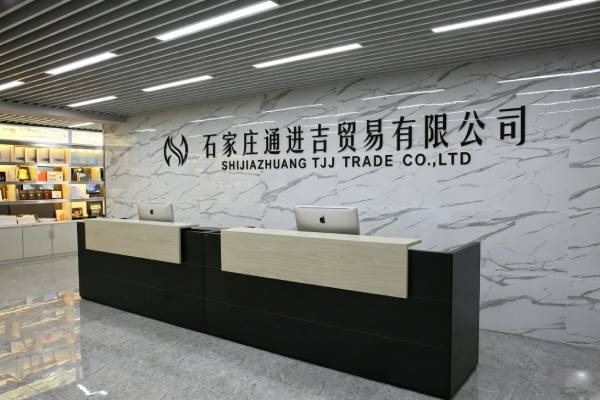
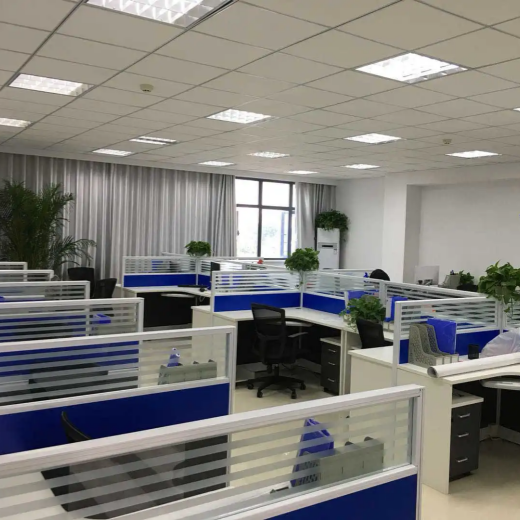

* Shijiazhuang TJJ Trade — 20+ years’ foundry experience, 150+ employees, 18,000 m² facility, annual capacity 12,000 metric tons.
Packing, Logistics & After-Sales Terms
- Packaging: Corrugated boxes + wooden pallets (IPPC heat-treated if shipped to West Coast ports). Standard bundle packing for bulk cast iron fence parts.
- FOB/CIF: FOB Tianjin or FOB Shanghai; CIF to Los Angeles, Houston, or New York available.
- Payment Terms: T/T 30% deposit, 70% before shipping. L/C at sight for established buyers.
- After-Sales: 12-month warranty against manufacturing defects. Free replacement for any casting found with graphite flake defects or cracks within 90 days.
Clear Call to Action
Still evaluating cast iron vs ductile iron for your next project? Send us your drawing or spec sheet. We’ll respond within 24 hours with a proposal, MOQ, and lead time estimate. To receive our free sample kit (includes both iron grades’ test bars), call +86-15511680668 or email sindyhao2014@163.com.
Shijiazhuang TJJ Trade Co., Ltd.
Address: Shijiazhuang, Hebei Province, China
Website: www.tjjironcastings.com