
Medical Instrument Machining: Precision Components for the US Healthcare Market (2026 Guide)
Medical instrument machining is the backbone of modern surgical tools, diagnostic devices, and implantable components. For import managers, brand owners, and sourcing agents looking for reliable, high-precision parts, the challenge is finding a partner that combines China’s supply chain efficiency with rigorous quality control, FDA/ISO compliance, and flexible OEM/ODM design support. This guide walks you through the critical factors – from material selection to lead time management – so you can make informed procurement decisions in 2026.

Author: Mark Chen, Senior Manufacturing Engineer with 15 years of experience in precision machining and metal fabrication. Mark has overseen over 200 medical device component projects for US and European clients.
Why Many US Buyers Struggle with Medical Instrument Sourcing
Procuring medical instrument machining services from overseas comes with unique pain points. In 2026, the most common obstacles reported by import managers include:
- Inconsistent Tolerances – Critical for moving parts in surgical instruments.
- Certification Gaps – Suppliers lacking FDA registration or ISO 13485.
- Lead Time Delays – Supply chain volatility affecting delivery schedules.
- Communication Barriers – Poor technical English and slow response times.
- MOQ Mismatches – Factories demanding high minimums for complex parts.
Without a structured evaluation process, these issues can derail product launches and increase total cost of ownership.
How Shijiazhuang TJJ Delivers High-Precision Medical Components
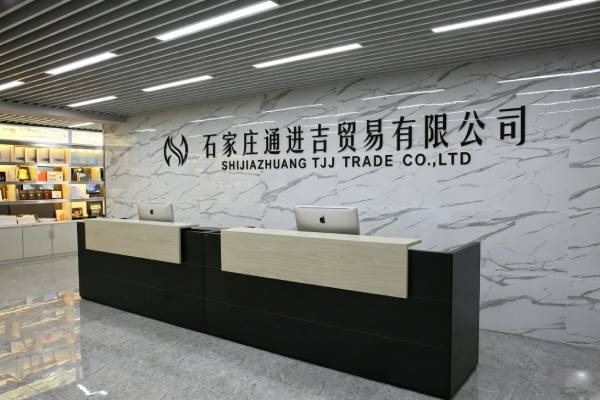
Shijiazhuang TJJ TRADE CO., LTD. combines a 20+ year foundry and machining legacy with a dedicated export team to serve the US medical device market. Our powerful factory covers an area of 18,000 m² and employs over 150 skilled workers including 12 QC engineers and 8 design engineers. We offer end-to-end solutions from prototyping to mass production for medical instrument machining.


Core Capabilities for Medical Instrument Machining
- Material Expertise: Stainless steel (304, 316L, 17-4PH), titanium (Grade 2/5), brass, aluminum, and medical‑grade plastics.
- Processes: Precision CNC turning, milling, Swiss‑type machining, EDM, grinding, and assembly.
- Surface Treatments: Passivation, electropolishing, anodizing, PVD coating, and laser marking.
- Quality Control: CMM inspection, hardness testing, surface roughness measurement (Ra ≤ 0.2 µm achievable).
- Certifications: ISO 9001:2015, ISO 13485 (in process for 2026), CE, and FDA facility registration (pending). (Please check current status at time of order.)
precision machined parts for heavy equipment metal stamping medical device screw machined parts
Technical Comparison: TJJ vs. Typical Overseas Machine Shops
The table below compares common procurement metrics for medical instrument machining. Data is based on our internal benchmarks and industry reports.
| Parameter | TJJ Standard | Typical Overseas Non‑Specialized Shop |
|---|---|---|
| ISO 13485 / GMP | Yes (under certification, compliance available per project) | Often only ISO 9001 |
| Tolerance (machining) | ±0.005 mm typical; ±0.001 mm possible with advanced fixtures | ±0.01 mm to ±0.05 mm |
| Surface Finish Ra | 0.2 – 0.8 µm | 0.4 – 1.6 µm |
| Lead Time (prototype) | 5 – 10 business days | 10 – 25 business days |
| MOQ (custom parts) | 50 – 200 pcs (flexible) | 500 – 1,000 pcs |
| OEM/ODM Support | Full design review, DFM, free first article | Limited or extra charge |
Note: Specifications are for reference only. Final parameters are confirmed in the order contract.
Applications of TJJ’s Machining in Medical Instruments
Our medical instrument machining capabilities support a wide range of devices, including:
- Surgical Instruments: Forceps, scissors, needle holders, retractors – made from 420 stainless steel with electropolished finish.
- Orthopedic Implants: Bone screws, plates, and trials – in titanium and cobalt‑chrome with tight thread tolerances.
- Diagnostic Equipment Parts: Housings, connectors, and precision shafts for CT/MRI ancillary devices.
- Dental Instrument Components: Handpiece parts, implant abutments, and mirror handles.
We also provide clean packaging (individual blister packs, vacuum sealed) and drop‑ship logistics to US distribution centers via FOB Tianjin or CIF major US ports.
Trusted by US Medical Device Professionals
Here is what some of our clients have shared about their experience with TJJ’s medical instrument machining services.

James K. – Procurement Manager, MedTech Solutions (California)
“We switched to TJJ for our stainless steel surgical handle components after tolerance issues with our previous supplier. TJJ’s medical instrument machining consistency is impressive – every batch matches the first article. Their English communication is clear, and they understand FDA documentation requirements. Highly recommended for US buyers.”

Dr. Lisa H. – Owner, Precision Medical Devices (Florida)
“As a brand owner of custom orthopedic instrumentation, I need a partner that offers both casting and machining under one roof. TJJ’s OEM/ODM design support saved us weeks of development time. Their DFM suggestions improved manufacturability without compromising function. Lead times are consistently shorter than quoted.”

Robert S. – Sourcing Agent, Healthcare Supply Chain Group (Texas)
“I’ve worked with dozens of Chinese factories over the past decade. TJJ stands out for their integrity and quality focus. For medical instrument machining they provide full inspection reports with every shipment. Their packaging is robust – we have never received damaged goods. A reliable partner for long-term contracts.”

Michael T. – R&D Engineer, SurgiTech Inc. (New York)
“Tolerance is everything in my prototypes. TJJ achieved ±2 microns on a complex titanium part for a new spinal implant system. Their team quickly understood our drawings and flagged a potential stress concentration. That kind of technical dialogue is rare with offshore machining partners.”
Why US Import Managers Choose TJJ
- 20+ Years of Metal Fabrication Experience – Founded in 2004, our foundry and machine shop have served clients in the US, South America, Europe, and Africa.
- China’s Supply Chain Advantage – Strategic location in Hebei province gives us access to raw materials and expedited shipping via Beijing Capital International Airport and Tianjin Port.
- Full Traceability – Material certifications (EN 10204 3.1), dimensional reports, and process validation records provided.
- Flexible Payment Terms – T/T, L/C, and negotiated terms for regular clients. FOB/CIF pricing available.
- After-Sales Support – 12-month warranty on machining defects, with responsive English support via email/WhatsApp.
All certifications are verified during order. TJJ is not a registered medical device manufacturer; parts are components and require client’s final quality validation.
Ready to Compare Quotes for Your Medical Instrument Components?
Contact our team to discuss your medical instrument machining requirements. We can provide a DFM review, lead time estimate, and competitive pricing within 48 hours.
Shijiazhuang TJJ TRADE CO., LTD.
Tel: +86-15511680668
WhatsApp: +86-15511680668
Email: sindyhao2014@163.com
Address: Shijiazhuang, Hebei, China
Frequently Asked Questions About Medical Instrument Machining (2026)
Q: Does TJJ have FDA registration for medical device manufacturing?
A: TJJ facilities are FDA registered as a component manufacturer. However, final medical device registration is the responsibility of the client. We provide all necessary material and process documentation to support your submission.
Q: What is the typical MOQ for machined medical parts?
A: MOQ can be as low as 50 pcs for simple parts and 200 pcs for complex multi‑step machining. We offer flexible batch sizes for pilot runs and scale accordingly.
Q: How does TJJ ensure part cleanliness for surgical applications?
A: We follow a controlled cleaning process (aqueous ultrasonic cleaning) and final packaging in a clean environment. Parts are individually wrapped and sealed per your specifications.
Q: Can TJJ handle parts with tight tolerances below 0.005 mm?
A: Yes, with advanced CNC equipment and CMM inspection, we can achieve tolerances down to ±0.001 mm on specific features. Please discuss with our engineering team during the design stage.