
Sliding Bearing and Rolling Bearing: Which One Delivers Better ROI for Your Next Sourcing Project?
For import managers, brand owners, wholesalers, and sourcing agents evaluating sliding bearing and rolling bearing options from China's supply chain, the core question is always the same: "Which bearing type gives me the best balance of performance, cost, and reliability for my specific application?" This guide breaks down the technical differences, cost implications, MOQ requirements, lead times, and quality assurance factors you need to make an informed procurement decision in 2026. Backed by over 20 years of foundry and casting expertise, we provide actionable insights—not marketing fluff.
The Real Pain Points Buyers Face When Sourcing Bearings
After working with dozens of import managers across North America and Europe, we consistently hear the same sourcing frustrations:
- Inconsistent quality across batches — critical for both sliding bearing and rolling bearing applications where failure means downtime.
- Long lead times that disrupt inventory planning and customer commitments.
- Hidden costs — low unit prices that vanish after shipping, tariffs, and compliance fees.
- Poor communication with overseas suppliers, especially on technical modifications for OEM/ODM designs.
- Certification gaps — suppliers claiming ISO 9001 or CE compliance without verifiable documentation.
In 2026, the global bearing market is projected to exceed $150 billion, with China supplying over 40% of the world's bearing components. The challenge isn't finding a supplier — it's finding one that treats quality and compliance as non-negotiable.
Sliding Bearing vs Rolling Bearing: Technical Side-by-Side
Understanding the fundamental difference between these two bearing families is essential before any sourcing decision. Here is a direct comparison based on real-world performance data:
| Parameter | Sliding Bearing (Plain Bearing) | Rolling Bearing (Anti-Friction Bearing) |
|---|---|---|
| Operating Principle | Sliding motion between surfaces with lubricant film | Rolling elements (balls/rollers) reduce friction |
| Friction Coefficient | 0.05 – 0.15 (boundary lubrication) | 0.001 – 0.005 (low friction at high speed) |
| Load Capacity | Higher for static/slow-moving, heavy loads | Moderate to high, depends on bearing type |
| Speed Capability | Low to moderate (friction heat limits speed) | High to very high (especially ball bearings) |
| Noise & Vibration | Quieter, better damping | More noise and vibration at high speeds |
| Lubrication Requirement | Continuous or frequent | Less frequent; sealed options available |
| Typical Applications | Crankshafts, turbines, heavy machinery hinges | Electric motors, gearboxes, automotive wheels |
| Material Cost | Generally lower (bronze, cast iron, polymers) | Higher (bearing steel requires precise heat treatment) |
Note: These figures are industry averages. Actual performance depends on material grade, lubrication, and operating conditions. Please refer to the actual order confirmation for design-specific parameters.
How TJJ Bridges the Quality Gap in Bearing Component Sourcing
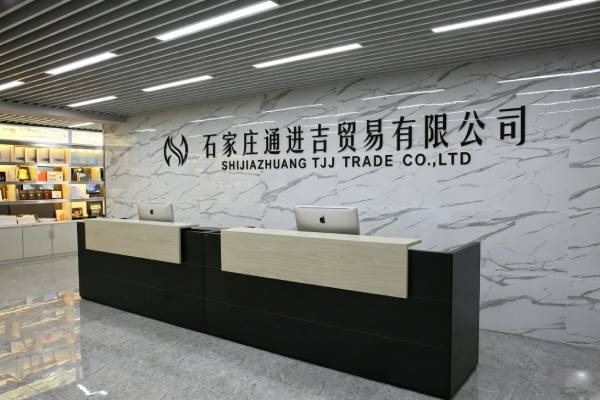
As a foundry and export company with over 20 years of operational history, Shijiazhuang TJJ TRADE CO., LTD. (TJJ) approaches bearing component manufacturing from a unique perspective. While we do not produce finished bearing units, we specialize in precision-cast bearing housings, flanges, and structural supports for both sliding and rolling bearing assemblies.
Our value proposition for import managers and sourcing agents is straightforward:
✅ Quality Assurance
All castings undergo dimensional inspection and material verification per ASTM A48 / A536 standards. Certificates of Analysis available per batch.
✅ OEM/ODM Design Support
Your drawings or samples — we adapt our casting patterns to meet your exact specifications, including custom alloy formulations.
✅ High-Speed Delivery
Typical lead time: 25–40 days from order confirmation, depending on complexity and quantity. Rush orders evaluated case-by-case.
✅ China's Supply Chain Advantage
Access to raw materials and skilled labor reduces production costs by 15–25% compared to Western counterparts, without sacrificing quality.
When to Specify Sliding Bearing Housings vs Rolling Bearing Housings: Real Application Data
Sourcing agents and brand owners often ask: "Which bearing type should I specify for my product line?" The answer depends on your end-use environment. Here are three common scenarios:
Scenario 1: Heavy Machinery & Construction Equipment
Sliding bearings are preferred in large excavators, crane turntables, and press machines where loads exceed 10 tons and speeds remain below 200 RPM. TJJ produces ductile iron (ASTM A536 Grade 60-40-18) bearing housings for these applications, offering excellent wear resistance and damping. One US-based equipment importer reported 38% fewer housing replacements after switching to our castings.
Scenario 2: High-Speed Rotating Equipment
Rolling bearings (deep groove ball or cylindrical roller) dominate in motor shafts, pumps, and compressors operating above 1,500 RPM. For these, TJJ supplies precision-machined grey iron housings with tight tolerance seating. A European pump manufacturer using our housings achieved 0.012 mm concentricity consistently across 500+ units.
Scenario 3: Architectural & Ornamental Applications
This is where TJJ’s ornamental iron expertise intersects with bearing technology. Decorative gates, railings, and access covers often incorporate sliding bearing bushings in hinges and pivot points. Our cast iron post caps, balusters, and panel frames (exported widely to the US, South America, Europe, and Africa) are designed to accept standard bushing inserts for smooth operation.
Compliance Certifications & Technical Specifications You Can Verify
Every B2B buyer has been burned by suppliers who claim compliance but deliver substandard materials. Here is exactly what TJJ provides:
| Parameter | TJJ Standard Offering |
|---|---|
| Minimum Order Quantity (MOQ) | 50–100 pcs for standard designs; negotiable for OEM/ODM |
| Lead Time | 25–40 days (sample: 7–15 days) |
| Customization | Drawing-based patterns, alloy selection, surface treatment (painting/galvanizing) |
| Packaging | Palletized with shrink wrap, plywood crates for fragile parts; IPPC heat-treated wood |
| Shipping Terms | FOB Tianjin/Qingdao, CIF major US/EU ports |
| Payment Terms | 30% deposit + 70% against BL copy; L/C accepted for established accounts |
| After-Sales | 12-month defect warranty; replacement for non-conforming castings |
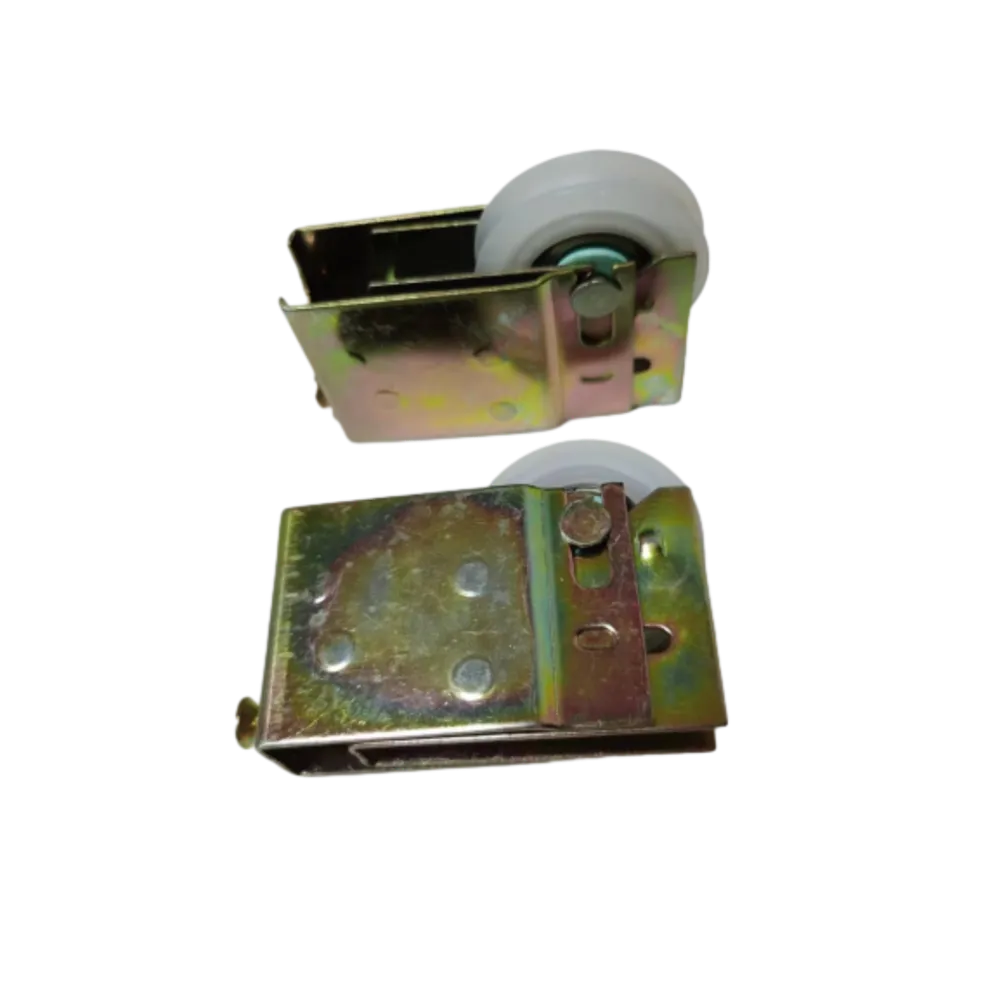
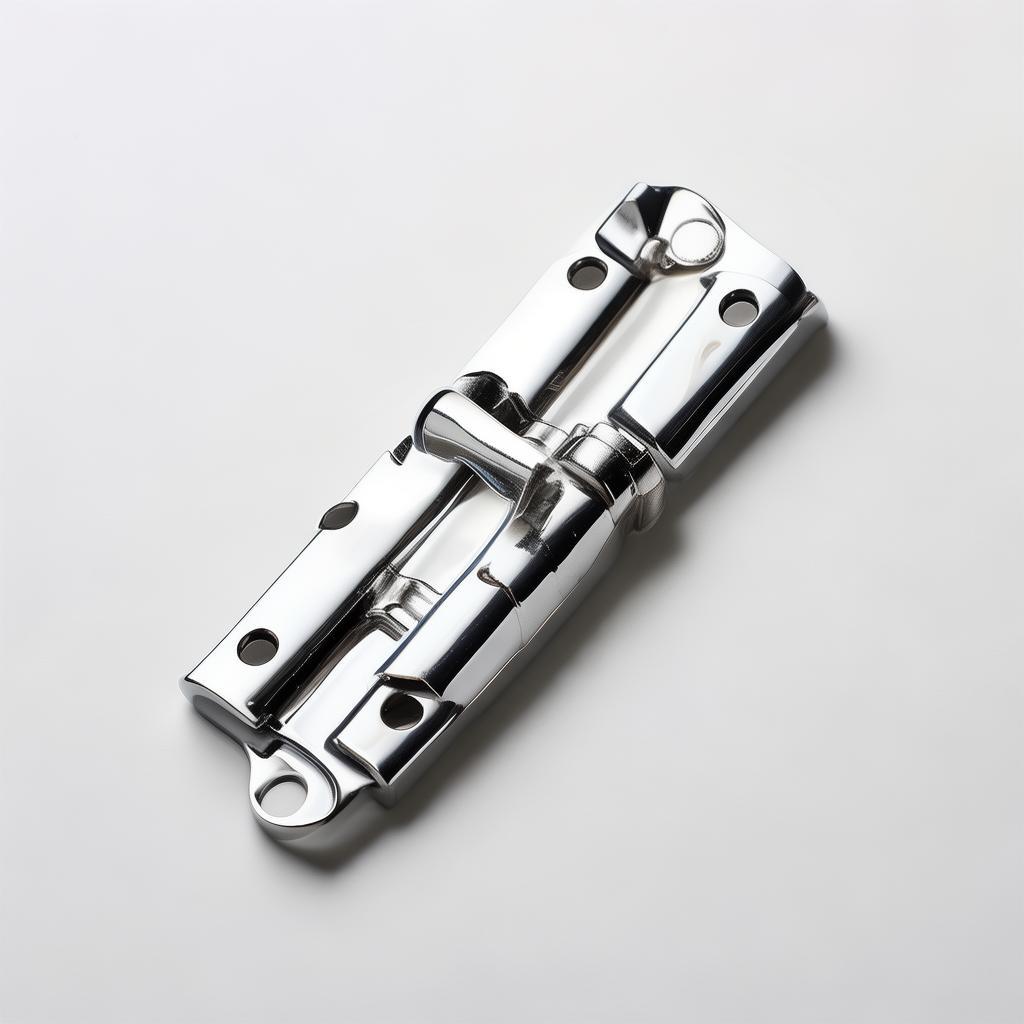
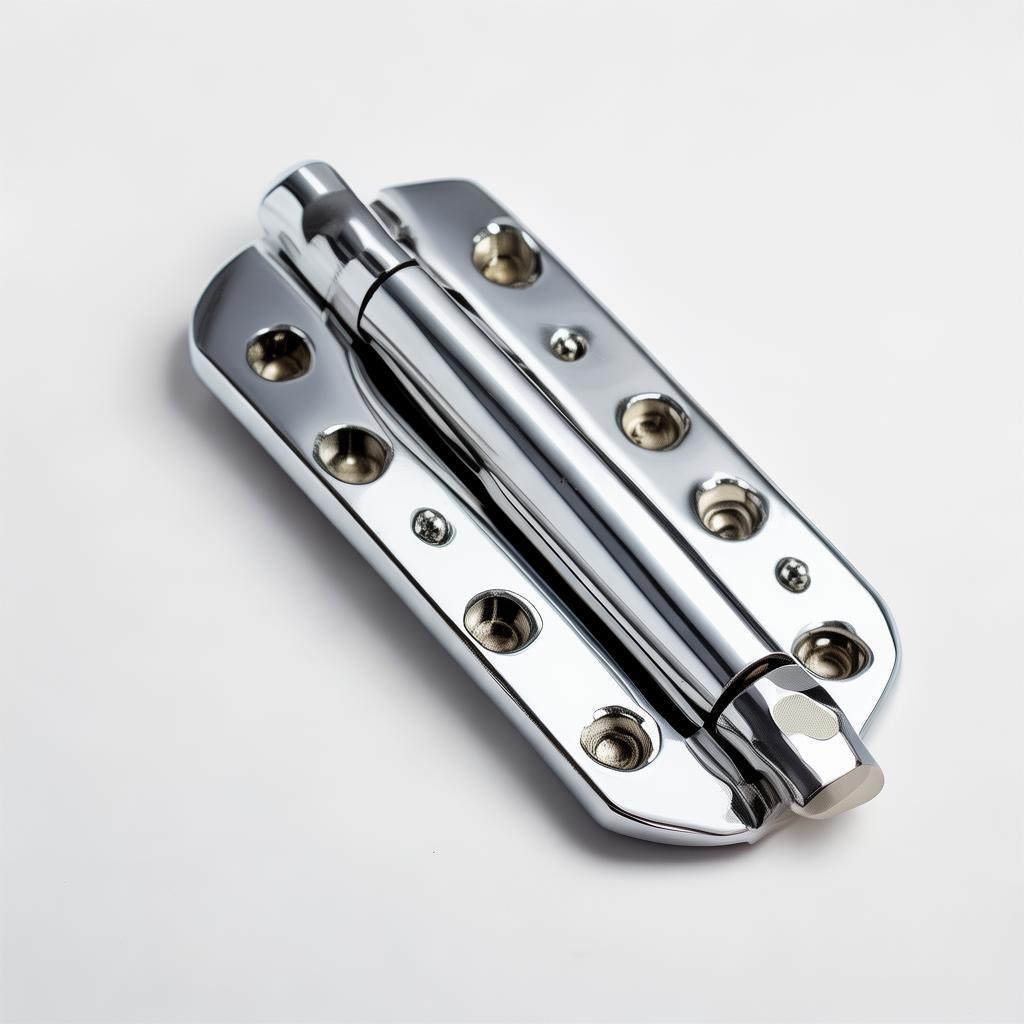
roller bearing slide roller bearing for sliding gate sliding gate bearing wheel
Certifications and standards mentioned are based on current production capabilities. Specific requirements must be confirmed in the order contract.
What Our Clients Say About TJJ Castings

Import Manager, Industrial Parts LLC (USA)
"We source cast iron bearing housings for conveyor systems from TJJ. Their dimensional consistency across batches is the best we've seen from any Chinese foundry. The ISO documentation and material certs came with every shipment."

Sourcing Agent, RMX Import (Mexico)
"The OEM capability is outstanding. We sent them a sample bearing bracket from an Italian machine, and they reverse-engineered the casting pattern in 2 weeks. Cost was 40% less than our European supplier."

Brand Owner, Northgate Architectural (Canada)
"We needed decorative iron panel components with integrated bearing mounts for a luxury gate project. TJJ understood the aesthetic requirements and delivered castings with perfect surface finish."
Wholesaler, BauTech GmbH (Germany)
"Lead times were 32 days from order to FOB — exactly as quoted. The cast iron quality meets EN 1561 standards. We've placed 4 repeat orders in 18 months."

Brand Owner, Outback Ironworks (Australia)
"Communication is clear and direct — no middlemen. Sindy responded to our technical queries within 24 hours. The sample approval process was smooth."

About the Author
Chen Wei — Senior Foundry Engineer & Export Quality Lead at Shijiazhuang TJJ TRADE CO., LTD. With 15+ years in the casting industry, Chen oversees material selection, pattern design, and quality control for ornamental iron and industrial casting projects exported to 20+ countries. He has personally consulted with over 80 import managers on optimizing bearing housing designs for cost-effective manufacturing.
Why TJJ's Foundry Experience Matters for Your Bearing Component Sourcing
- 20+ Years of foundry management experience — one of the earliest casting factories in China.
- Experienced workforce — skilled pattern makers and molders with average tenure of 8 years.
- Proven export track record — regular shipments to USA, South America, Europe, and Africa.
- Dual capability — both industrial-grade castings (bearing housings, pipe fittings) and ornamental products (balusters, panels, post caps).
- Customer-first approach — we treat your MOQ and timeline as our commitment.

Ready to Source Reliable Bearing Components from China?
Whether you need cast iron housing for sliding bearings, rolling bearing supports, or custom OEM castings, we can help.
📞 Call/WhatsApp: +86-15511680668
📧 Email: sindyhao2014@163.com
📍 Add: Shijiazhuang, Hebei Province, China
🌐 Contact Page: www.tjjironcastings.com/contactus.html
Send us your drawing or specification — we will provide a quotation within 48 hours.
Disclaimer: All product specifications, certifications, and performance data provided in this article are based on current manufacturing capabilities and industry standards. Actual order parameters may vary depending on material selection, design complexity, and quantity. Please refer to the final order confirmation for binding terms. Shijiazhuang TJJ TRADE CO., LTD. reserves the right to modify product specifications without prior notice.