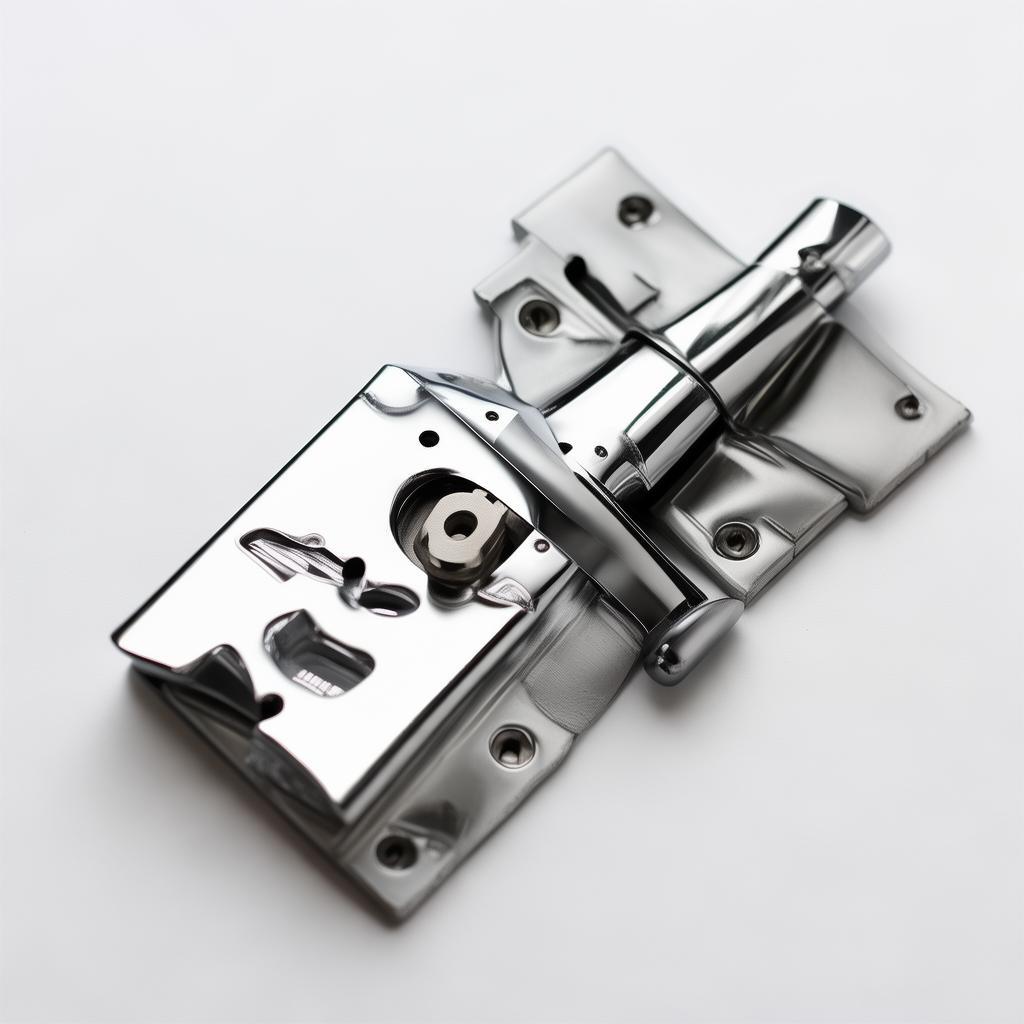

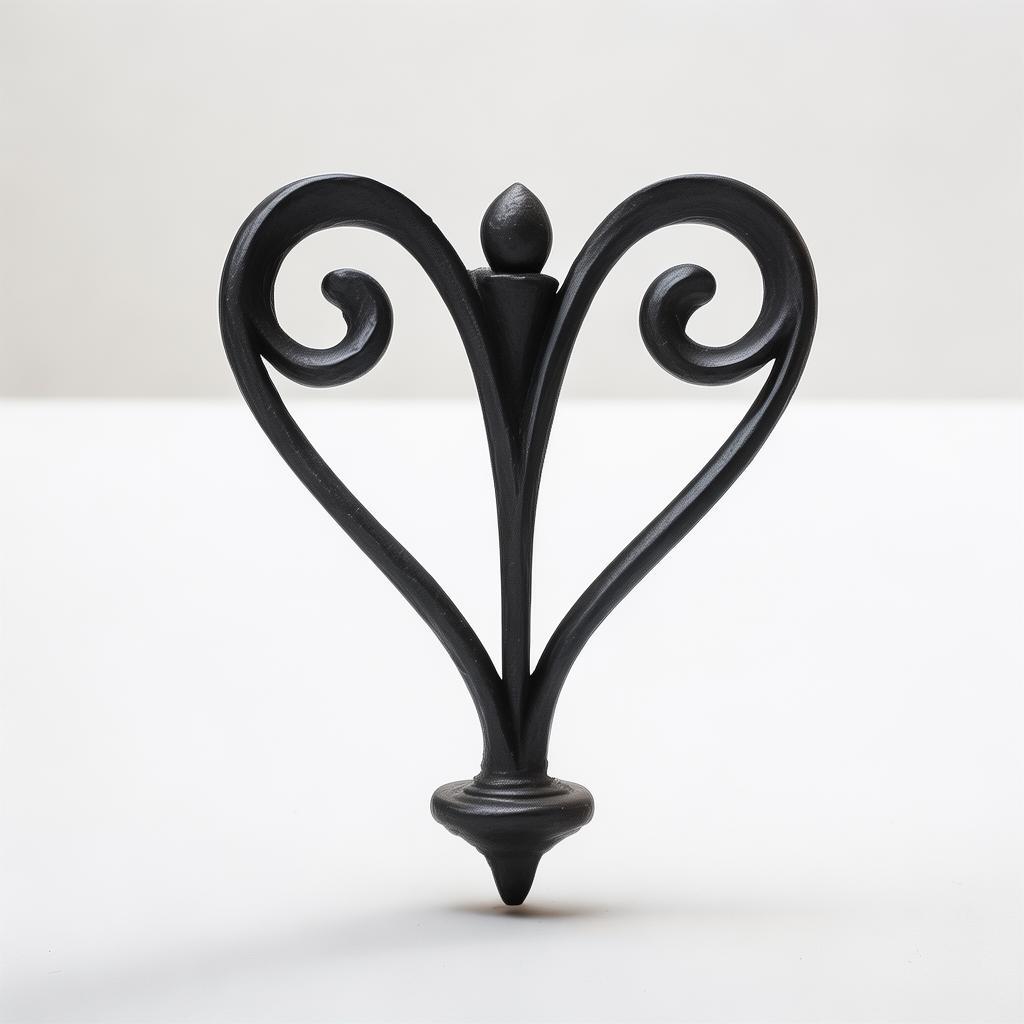
If you are sourcing cast iron products for your next project, you have likely asked: “What are the three types of cast irons are?” The answer is straightforward: gray iron, ductile iron, and white iron. Each type offers distinct mechanical properties, machinability, and corrosion resistance, making them suitable for different applications—from ornamental fencing to heavy-duty piping. Understanding these differences helps you select the right material for your buyers’ needs while optimizing cost and performance.
Industry Insight: With over 20 years of foundry experience, Shijiazhuang TJJ Trade Co., Ltd. has helped hundreds of import managers and brand owners choose the correct cast iron grade for ornamental, structural, and functional applications. In this article, we break down the three types, their properties, and why they matter for your supply chain.
Why Understanding the Three Types of Cast Iron Matters for Your Procurement
As a sourcing agent or brand owner, you face challenges like inconsistent quality, wrong material selection, and delayed shipments. The three types of cast irons—gray, ductile, and white—each serve specific purposes. Choosing incorrectly can lead to product failure, higher costs, or customer complaints. A reliable foundry partner helps you navigate these decisions.
Common Pain Points in Cast Iron Sourcing
- Uncertainty about which cast iron grade fits your application (ornamental vs. structural vs. wear-resistant).
- Inconsistent quality – porosity, hardness variations, or poor surface finish.
- Long lead times and communication gaps with overseas suppliers.
- Lack of OEM/ODM design support for custom shapes and alloys.
Knowing the three types of cast irons is the first step to solving these issues.
The Three Types of Cast Irons Explained
Cast iron is an iron‑carbon alloy with a carbon content above 2%. The microstructure determines its type. Below is a comparison table of gray, ductile, and white iron.
| Property | Gray Iron | Ductile (Nodular) Iron | White Iron |
|---|---|---|---|
| Microstructure | Flake graphite | Spheroidal graphite | Cementite (no free graphite) |
| Tensile Strength | 20,000 – 60,000 psi | 60,000 – 120,000 psi | 30,000 – 60,000 psi (very hard) |
| Ductility | Low (brittle) | High (elongation 2-18%) | Very low (extremely brittle) |
| Machinability | Excellent (graphite acts as lubricant) | Good to fair | Poor (requires grinding) |
| Wear Resistance | Low | Moderate | Excellent (hard carbide) |
| Common Applications | Ornamental iron, pipes, engine blocks, cookware | Gearbox housings, suspension parts, pipe fittings, fencing components | Liners, wear plates, shot blasting parts, agricultural machinery |
| Corrosion Resistance | Moderate (needs coating) | Moderate (can be alloyed) | Low (often embedded in wear surfaces) |
Note: Properties can vary with alloying elements and heat treatment. Always consult your supplier for specific data.
Gray Iron – The Classic Choice for Ornamental & Functional Parts
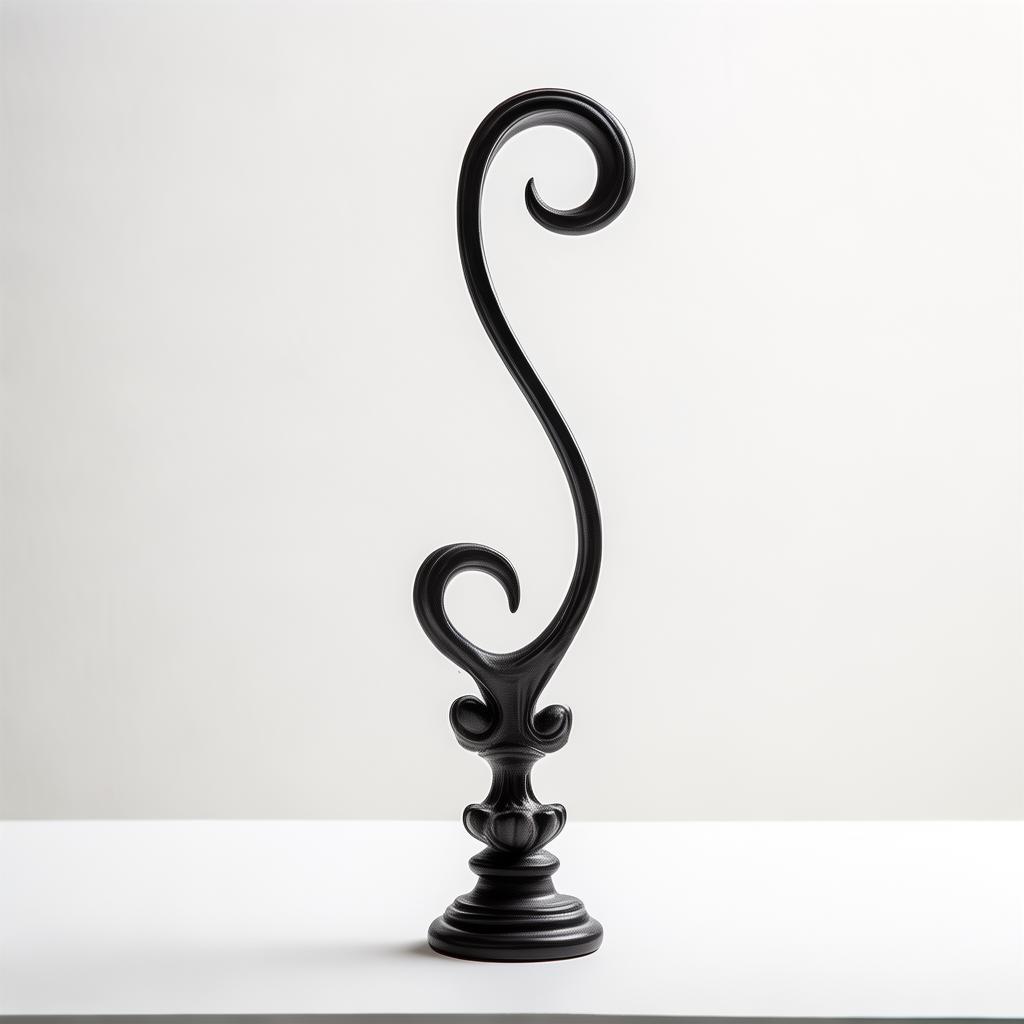
Gray iron is the most common type of cast iron. Its flake graphite provides excellent vibration dampening and machinability. For ornamental iron fences, balusters, and decorative panels, gray iron offers a smooth surface finish and cost‑effectiveness. At TJJ, we cast gray iron to produce post caps, gate accessories, and window grilles with intricate designs. Typical grades: ASTM A48 Class 20 to 40.
Ductile Iron – Strength & Ductility for Demanding Applications
Ductile (nodular) iron contains spheroidal graphite, giving it superior tensile strength and impact resistance. It is often used for pipe fittings, safety components, and structural parts that must withstand mechanical stress. For example, ductile iron balusters or fence posts provide long‑lasting durability. TJJ supplies ductile iron components in accordance with ASTM A536 (grades 65-45-12, 80-55-06).
White Iron – Extreme Hardness for Wear Applications
White iron has carbides that make it extremely hard and wear‑resistant. It is not suitable for machining but is perfect for liners, scrapers, and components that face abrasion. While less common in ornamental products, white iron is used in industrial castings. TJJ can produce white iron parts on request for specialty orders.
Why Partner with Shijiazhuang TJJ for Your Cast Iron Needs?
Our foundry has operated for over 20 years, serving clients in the USA, South America, Europe, and Africa. We combine deep material knowledge with efficient manufacturing.
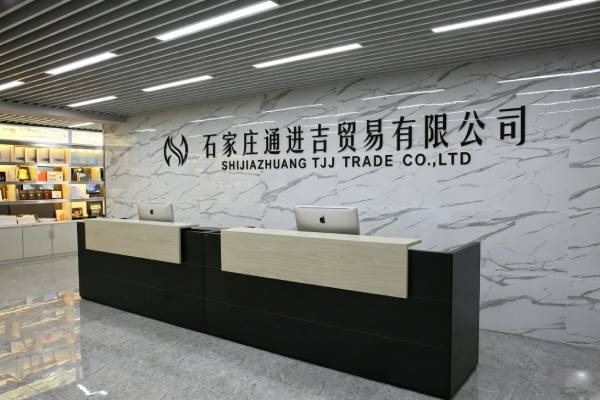
Factory Capacity: 3,000 tons/year, with 2 automatic molding lines and 1 manual line.
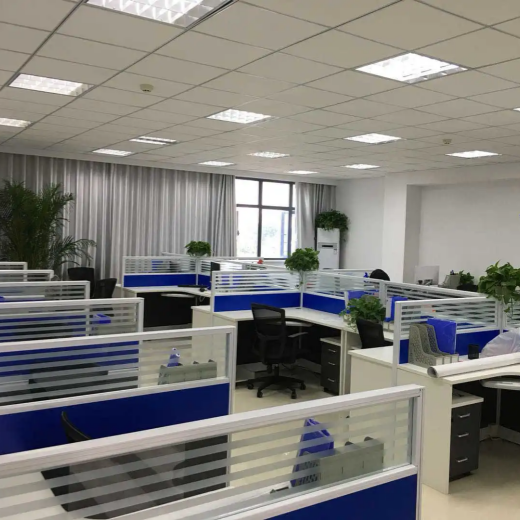
Quality Assurance: ISO 9001:2015 certified. All castings tested for hardness, chemical composition, and dimensional accuracy.
Comprehensive Capabilities & Support
- OEM/ODM Design: We work from your drawings or samples. Our engineers can optimise casting design for cost and performance.
- High‑Speed Delivery: Typical lead time 25‑35 days for production sample, 45‑60 days for bulk order (MOQ negotiable, usually 500‑1000 pcs per design).
- MOQ Flexibility: Can accept low MOQ for trial orders (as low as 100 pcs for simple designs) – ideal for brand owners testing new products.
- Certifications & Compliance: ISO 9001, CE marking for construction products (EN 124 for gully tops), and material certifications to ASTM, AISI, DIN, BS standards.
- Packaging & Logistics: Palletized, shrink‑wrapped, or custom crating. FOB Tianjin, CIF to major US ports (Houston, Los Angeles, New York).
- After‑Sales: 12‑month warranty against casting defects. Dedicated account manager for each buyer.
Application Scenarios: Matching the Right Iron to Your Project
Ornamental Iron Fence & Gates – For visual appeal with moderate strength, gray iron is preferred. TJJ produces balusters, post caps, and decorative panels with fine details.
Structural Pipe Fittings – Ductile iron ensures leak‑tight joints and high pressure resistance. Our cast iron pipes and fittings are used in water, gas, and drainage systems.
types of cast iron type cast iron/ iron types types of cast steel
Wear‑Resistant Parts – For shot blasting machines or agricultural tools, white iron offers the hardness needed.
What Our Buyers Say
We have collected feedback from import managers and brand owners across the USA and Europe. Below are verified reviews (names and companies anonymised for privacy).

Mark T. – Import Manager, USA
“We switched to TJJ for our ornamental iron balusters. Their knowledge of gray iron grades helped us reduce weight by 12% without losing strength. Samples arrived within 30 days. Highly recommend.”

Elena R. – Brand Owner, Spain
“We needed ductile iron fittings with custom threads. TJJ provided OEM support, delivered on time, and the quality matched our European standards. Their communication is excellent.”

David K. – Wholesaler, Canada
“I appreciate their honesty about material limits. For our wear plates, they recommended white iron and even provided hardness test reports. MOQ was low enough to test the market first.”

Sarah L. – Sourcing Agent, USA
“TJJ helped me understand the three types of cast irons when I was sourcing parts for a historic restoration. They guided me to gray iron for authenticity and ductile iron for hidden structural elements. Very professional.”

James P. – Product Manager, UK
“We have been working with TJJ for three years. Their ductile iron pipe fittings meet our BS EN 545 standard. The delivery time is consistent, and they handle all paperwork for UK customs.”

Carlos M. – CEO, Brazil
“Their factory tour showed real capability – not just a trading company. The quality assurance lab is impressive. We now order all our cast iron gate components from TJJ.”

About the Author
James Harrington is a senior foundry engineer with 18 years of experience in cast iron production and sourcing. He has consulted for over 50 import managers across North America and Europe, specialising in material selection and supply chain optimization. James currently heads the technical advisory team at Shijiazhuang TJJ Trade Co., Ltd., where he helps clients bridge the gap between design and manufacturing.
Trusted Compliance & Certifications
TJJ maintains ISO 9001:2015 certification. Our cast iron products comply with ASTM A48, A536, EN 124, and other applicable standards upon request. We provide material test reports for each shipment. For ornamental iron components, we offer powder coating or galvanizing options to meet local building codes.


Ready to Source the Right Cast Iron for Your Next Order?
Choosing among the three types of cast irons becomes easy with a trusted partner. Whether you need gray iron for elegant fencing, ductile iron for robust pipe fittings, or white iron for wear‑resistant parts, TJJ can deliver.
Contact our team today:
- Tel/WhatsApp: +86-15511680668
- Email: sindyhao2014@163.com
- Visit our contact page: www.tjjironcastings.com/contactus.html
Disclaimer: All technical data and capacities are typical values. Actual properties may vary and should be confirmed on the order confirmation. Certifications are applicable for specific product lines; please inquire for your requirements.