Success in heavy-duty stove production is dictated by the chemical composition and the cooling curves of the molten iron. Below are the benchmarking standards we employ to ensure our components outperform generic market alternatives.
| Performance Metric | Industry Significance | Our Engineering Standard | Advantage |
|---|---|---|---|
| Thermal Retention Index | Determines fuel efficiency and consistent cooking temperatures. | High-density gray iron casting with controlled carbon equivalence. | 30% better heat storage compared to thin-walled scrap-melted iron. |
| Surface Structural Integrity | Prevents cracking under rapid heating and cooling cycles. | Stress-relieved casting processes refined over 20 years. | Significantly reduced rate of thermal fatigue and warping. |
| Dimensional Accuracy | Essential for airtight seals and modular assembly. | Precision sand molding with experienced manual oversight. | Perfect fit for gates, accessories, and stove fittings. |
| Material Purity | Eliminates toxic outgassing and improves finish adhesion. | Strict raw material sorting and impurity filtration. | Enhanced safety for indoor cooking environments. |
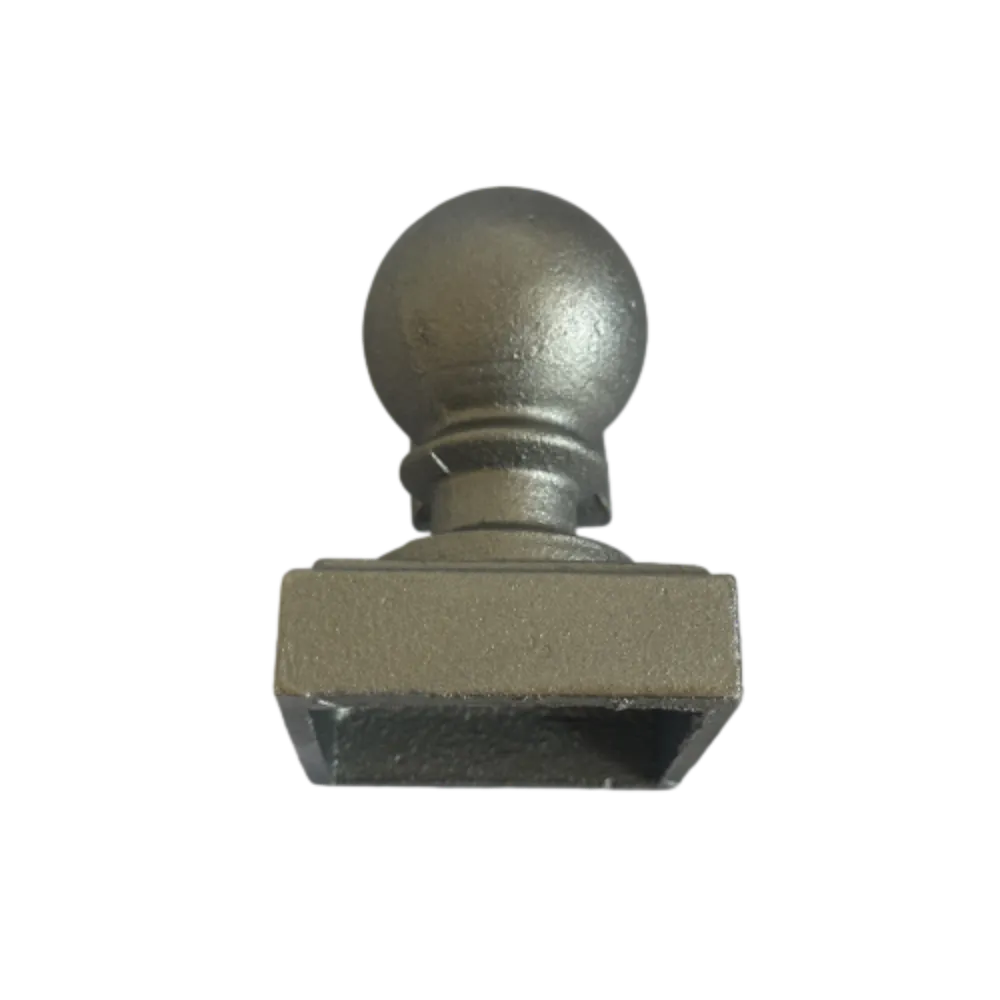
As veteran cast iron cooking stove suppliers or manufacturers, our focus remains on the "foundry-first" mentality, ensuring that every fitting and panel leaving our Shijiazhuang facility meets the high-durability requirements of the ornamental and functional iron markets.
Our 20-year legacy in Shijiazhuang ensures that we don't just supply products; we provide "engineered durability." This longevity is particularly vital for distributors in South America and Europe, where environmental conditions demand hardware that resists corrosion and maintains aesthetic appeal over decades. The financial gain is realized through reduced shipping overheads (due to fewer defective returns) and the brand equity built on the "enduring appeal" of high-quality cast iron.
Related products
Top Selling Products