

Understanding Wrought Iron vs Iron Properties and Applications
Wrought Iron vs Iron: A Comprehensive Guide
When considering materials for construction, decor, or industrial applications, understanding the differences between wrought iron and iron is crucial. While both share the element iron, their composition, properties, and uses vary significantly. This article dives deep into the distinctions between these two materials, exploring their historical context, manufacturing processes, advantages, disadvantages, and applications. We will help you understand which material best suits your needs, ensuring optimal performance and longevity.
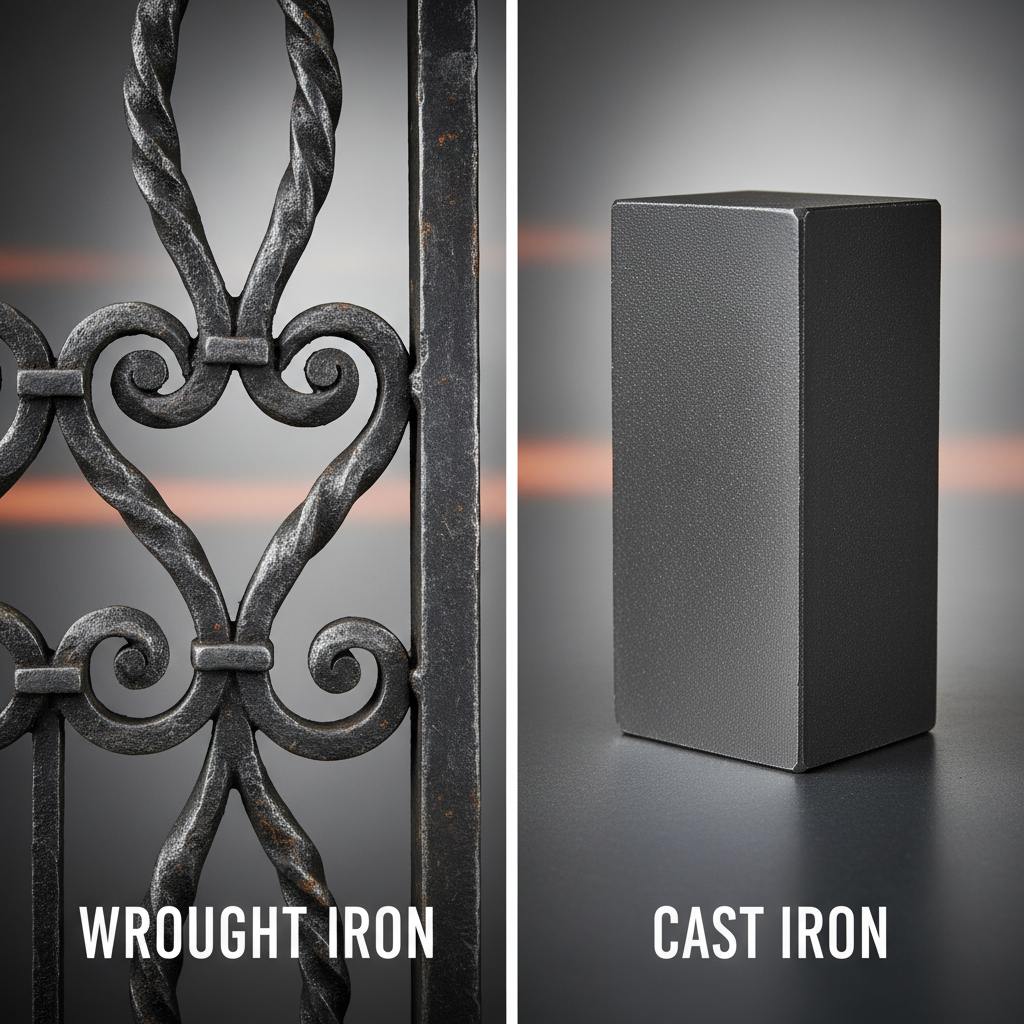
Understanding Iron: The Base Material
Iron, in its raw form, is rarely used directly due to its softness and susceptibility to rust. It's an element found abundantly in the Earth’s crust. Pig iron, the initial product of smelting iron ore, contains a high carbon content (typically 3.5-4.5%), making it brittle and unsuitable for most applications. Various processes are employed to refine iron, reducing the carbon content and altering its properties. These processes yield different types of iron, including cast iron and, importantly, wrought iron.
Wrought Iron: A Historically Significant Alloy
Wrought iron is an iron alloy with a very low carbon content (less than 0.08%). This is achieved through a process called puddling, which involves repeatedly heating and stirring the iron to oxidize and remove impurities, including carbon. The resulting material is incredibly strong, ductile, and resistant to corrosion. Historically, wrought iron was the primary form of iron used for centuries, prized for its workability and strength. TJ Iron Casting specializes in high-quality iron products, catering to a wide range of industrial needs.
Key Differences: Wrought Iron vs Iron
The fundamental difference lies in the carbon content and manufacturing process. Iron encompasses a broader category of materials, while wrought iron is a specific type of iron alloy. Iron can be further classified into cast iron, steel, and wrought iron, each possessing distinct characteristics. Wrought iron's low carbon content and the puddling process impart properties that set it apart from other iron types. It's important to note that true wrought iron is rarely produced today, having been largely replaced by mild steel which offers similar properties at a lower cost.
Key Takeaway: Wrought iron is a specific, highly refined form of iron with very low carbon content, created through a unique manufacturing process. It is known for its strength, ductility and corrosion resistance.
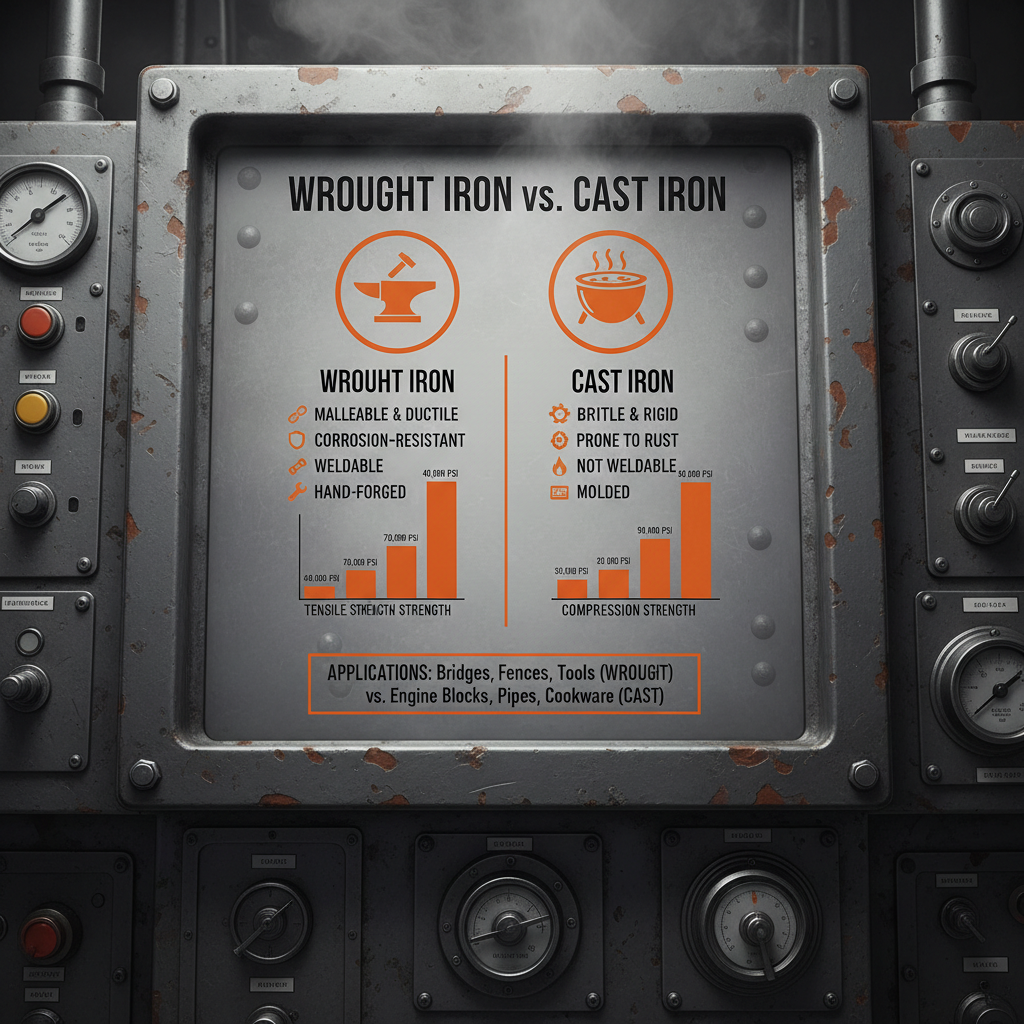
Comparative Analysis: Properties & Applications
Let's examine a detailed comparison of the key properties and typical applications of wrought iron and common iron types. Understanding these differences will help determine which material is most appropriate for a given project. Different applications call for different properties and therefore different forms of iron.
The Modern Landscape: Steel as a Substitute
Due to the complex and costly manufacturing process, true wrought iron is no longer widely produced. Mild steel, with its similar properties and lower production cost, has largely replaced it in most applications. Modern steel can be formulated to replicate many of the desirable characteristics of wrought iron, making it a more practical choice for contemporary projects. TJ Iron Casting provides a wide range of steel products for various industrial applications.
Conclusion: Choosing the Right Iron Product
While wrought iron represents a fascinating chapter in materials history, its scarcity has led to the widespread adoption of steel. Understanding the fundamental differences between wrought iron, cast iron, and steel is critical for making informed decisions for your projects. Consider factors such as strength, ductility, corrosion resistance, and cost when selecting the appropriate material. For high-quality iron and steel products, TJ Iron Casting offers a comprehensive range of solutions to meet your specific needs.
Frequently Asked Questions (FAQs)
Is wrought iron still used today?
While true wrought iron is rarely produced commercially due to its complex manufacturing process, it is sometimes used in restoration projects where historical accuracy is crucial. Often, what is marketed as "wrought iron" today is actually mild steel that has been formed to resemble traditional wrought iron designs. The distinctive appearance of wrought iron can be replicated using modern steelworking techniques. Because of the high cost of true wrought iron, it is largely impractical for new construction.
What are the advantages of using steel over wrought iron?
Steel offers several advantages over wrought iron, primarily its lower cost and easier production. Steel is also generally stronger and more readily available. Modern steel alloys can be formulated to achieve comparable properties to wrought iron, such as ductility and corrosion resistance, without the expensive and time-consuming manufacturing process. This makes steel a more practical and economical choice for most applications.
How can I prevent iron from rusting?
Iron is susceptible to rust, a form of corrosion caused by exposure to oxygen and moisture. To prevent rusting, several methods can be employed, including painting, galvanizing (coating with zinc), applying protective oils or waxes, and using corrosion-resistant alloys like stainless steel. Regular maintenance and inspection are also crucial to identify and address any signs of rust before it becomes a significant problem.
What is the difference between cast iron and steel?
Cast iron has a higher carbon content (2-4%) than steel (0.05-2.1%), making it more brittle but also more resistant to wear. Steel is generally stronger and more ductile than cast iron. Cast iron is often used for applications requiring high compressive strength and wear resistance, such as engine blocks and cookware, while steel is preferred for applications requiring high tensile strength and ductility, such as construction and machinery.
-
Understanding Iron is What Type of Element and Its PropertiesNewsApr.16,2026
-
How to Identify Prevent and Remove Wrought Iron Rust EffectivelyNewsApr.09,2026
-
Enhance Your Property with Durable and Stylish Iron Gate HandlesNewsApr.07,2026
-
Elevate Your Property with Stunning Gate Wrought Iron Design OptionsNewsMar.31,2026
-
The Enduring Appeal of Ornamental Wrought Iron for Elegant DesignNewsMar.28,2026
-
 Aluminum Ally door and window handle
+
-
 Sliding door window wheel rollers
+
-
 rubber window seal
+
-
 Aluminium Windows Profiles
+
-
 animal drawn plough plows
+
-
 Thresher Machine
+
-
 Cast Iron Post Caps
+
-
 Cast Iron Spear Point Finial
+
-
 Understanding Iron is What Type of Element and Its PropertiesApr-16-2026Understanding Iron is What Type of Element and Its Properties
 -
 How to Identify Prevent and Remove Wrought Iron Rust EffectivelyApr-09-2026How to Identify Prevent and Remove Wrought Iron Rust Effectively
 -
 Enhance Your Property with Durable and Stylish Iron Gate HandlesApr-07-2026Enhance Your Property with Durable and Stylish Iron Gate Handles


