

Understanding Iron is What Type of Element and Its Properties
Iron is What Type of Element: A Detailed Scientific Exploration
When studying the periodic table, one of the most frequent questions among students and engineers alike is: iron is what type of element? Iron is not just a common metal found in construction and machinery; it is a fundamental chemical element that sustains life and builds civilizations. As a cornerstone of the industrial world, understanding its chemical classification helps us appreciate why it is the preferred material for everything from skyscraper beams to intricate engine parts. In this guide, we will dive deep into the chemistry, properties, and industrial applications of this essential element.
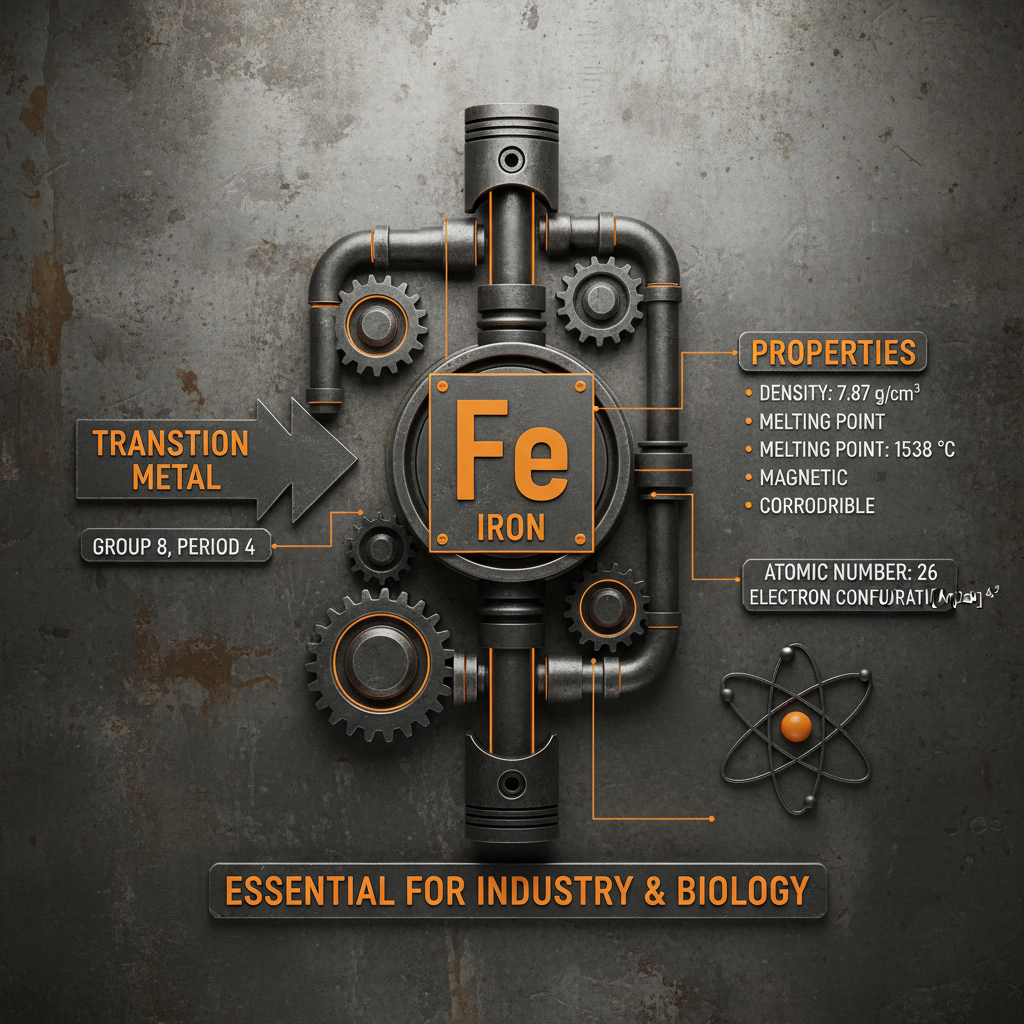
The Chemical Classification of Iron
To answer the question iron is what type of element, we must look at its position on the periodic table. Iron (symbol Fe, atomic number 26) is classified as a transition metal. Transition metals are found in the central block of the periodic table (Groups 3 through 12). Unlike the alkali metals, transition metals are characterized by their ability to form multiple oxidation states and their high electrical and thermal conductivity. This specific classification allows iron to be incredibly versatile, bonding with various other elements to create alloys like steel, which are far stronger than pure iron itself.
Physical and Chemical Properties of Iron
Iron is renowned for its strength and durability. As a transition metal, it exhibits high malleability and ductility, meaning it can be hammered into sheets or drawn into wires. One of its most distinctive chemical properties is its reactivity with oxygen and moisture, which leads to the formation of iron oxide, commonly known as rust. However, when processed through high-quality casting and alloying, these vulnerabilities can be managed. The iron is what type of element classification ensures it possesses a strong metallic bond, providing the structural integrity required for heavy-duty industrial components.
Comparing Iron with Other Transition Metals
While iron shares the "transition metal" label with elements like gold, silver, and copper, it differs significantly in terms of cost-efficiency and strength-to-weight ratio when alloyed. Iron is far more abundant in the Earth's crust, making it the most practical choice for large-scale infrastructure. Below is a comparison highlighting why iron remains the primary choice for industrial casting compared to other common transition metals.
Industrial Applications: Leveraging the Nature of Iron
Because of the specific way iron is what type of element (a transition metal), it can be cast into complex shapes with high precision. This makes it indispensable for the automotive, shipbuilding, and construction industries. In the world of casting, we distinguish between different types of iron, such as gray iron, ductile iron, and malleable iron, each offering different balances of strength and flexibility based on the carbon content and microstructure. This adaptability is what allows modern engineers to create components that can withstand immense pressure and wear.
Technical Specifications of Common Iron Alloys
Understanding the chemical makeup of iron alloys is essential for selecting the right material for a project. While pure iron is relatively soft, the addition of carbon and other elements transforms it into powerful industrial materials. The following table outlines the specifications of the most common forms of iron used in professional casting services today.
The Role of Iron in Biological Systems
Beyond the industrial realm, the fact that iron is what type of element (a transition metal) is critical for human biology. The ability of iron to switch between oxidation states (Fe2+ and Fe3+) allows it to bind and release oxygen in our blood via hemoglobin. Without this unique transition metal property, oxygen transport in the body would be impossible. This duality—being both a structural giant in engineering and a microscopic lifesaver in biology—makes iron one of the most fascinating elements in existence.
Conclusion: The Indispensable Nature of Iron
Understanding that iron is what type of element—a transition metal—unlocks a deeper understanding of its utility. From its chemical versatility and strength in alloys to its essential role in human health, iron remains an irreplaceable resource. For those seeking high-quality iron casting solutions, leveraging these natural chemical properties is the key to creating durable, efficient, and long-lasting industrial components. Iron is truly the backbone of the modern world.
Frequently Asked Questions (FAQs)
Is iron a transition metal or a main group element?
Iron is strictly a transition metal. It is located in the d-block of the periodic table, specifically in Group 8. Transition metals are defined by their partially filled d-electron shells, which give iron its ability to form various compounds and act as a catalyst in many chemical reactions. This is why it behaves differently than main group elements like aluminum or magnesium, offering superior strength and a unique range of oxidation states.
Why does the "type of element" matter for industrial casting?
The classification of iron as a transition metal directly influences its melting point, conductivity, and ability to alloy. For industrial casting, these properties mean that iron can be melted and poured into molds to create complex geometries that remain rigid and strong upon cooling. If iron were a different type of element, such as a noble gas or an alkali metal, it would lack the structural bonding necessary to support bridges, engines, or heavy machinery.
What is the difference between pure iron and the iron used in casting?
Pure iron is relatively soft and not ideal for structural use. The iron used in professional casting is almost always an alloy. By adding carbon, manganese, or silicon, manufacturers change the internal crystalline structure of the metal. For example, adding carbon creates "cast iron," which has a lower melting point and better fluidity during the casting process, while making the final product harder and more resistant to wear than pure elemental iron.
Can all transition metals be used like iron in construction?
Not all transition metals are suitable for construction. While elements like gold or platinum are also transition metals, they are far too soft, expensive, or rare for large-scale use. Iron is unique because it combines the strength of a transition metal with extreme geological abundance and a manageable cost. This makes it the only viable transition metal for the mass production of structural beams and heavy industrial castings found on the TJJ Iron Casting website.
-
How to Identify Prevent and Remove Wrought Iron Rust EffectivelyNewsApr.09,2026
-
Enhance Your Property with Durable and Stylish Iron Gate HandlesNewsApr.07,2026
-
Understanding Wrought Iron vs Iron Properties and ApplicationsNewsApr.04,2026
-
Elevate Your Property with Stunning Gate Wrought Iron Design OptionsNewsMar.31,2026
-
The Enduring Appeal of Ornamental Wrought Iron for Elegant DesignNewsMar.28,2026
-
 Aluminum Ally door and window handle
+
-
 Sliding door window wheel rollers
+
-
 rubber window seal
+
-
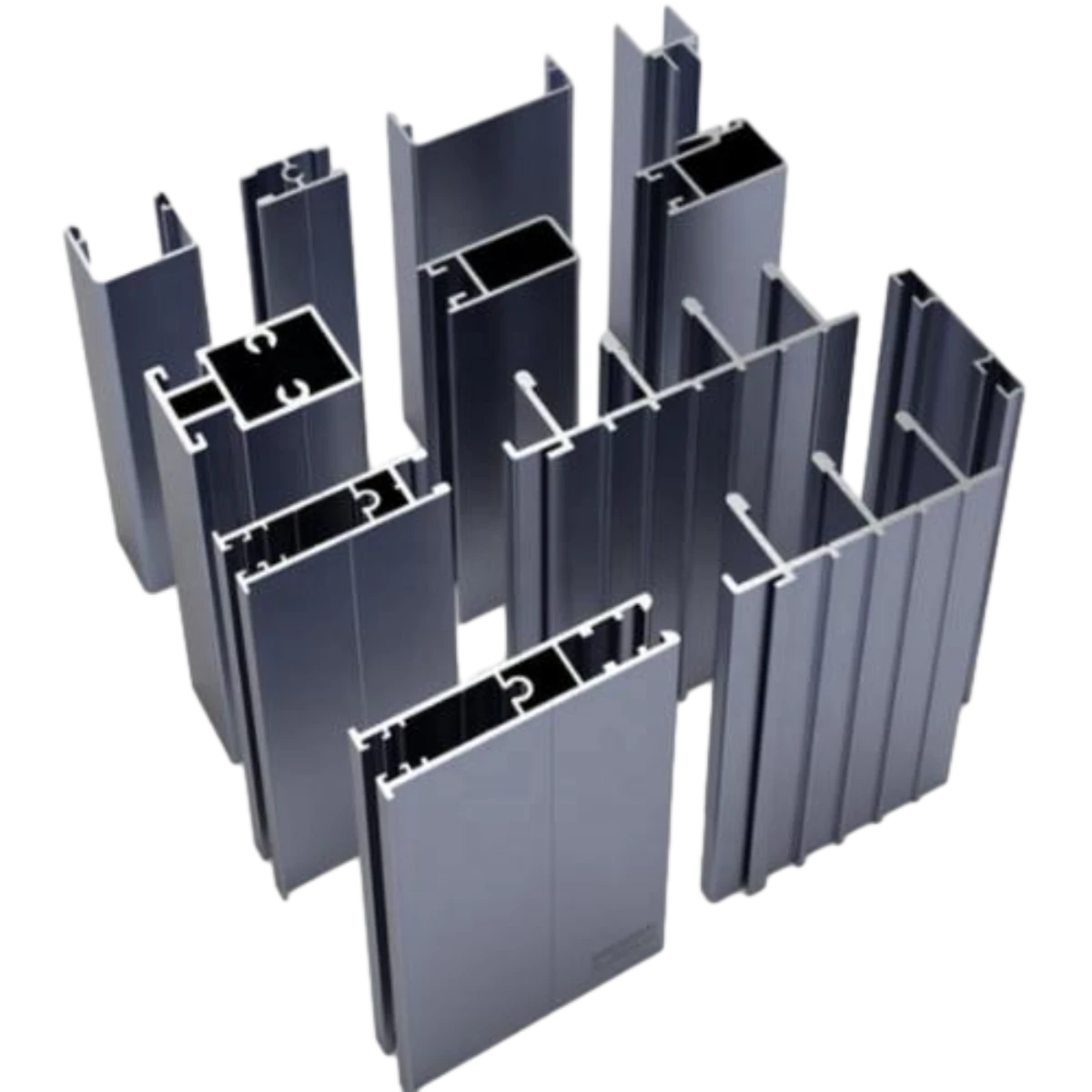 Aluminium Windows Profiles
+
-
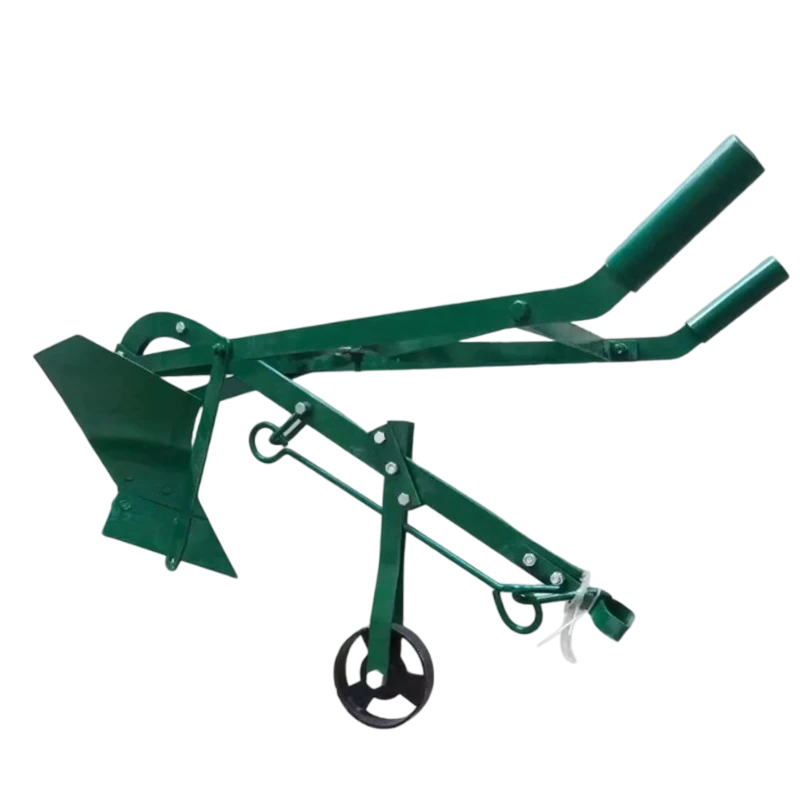 animal drawn plough plows
+
-
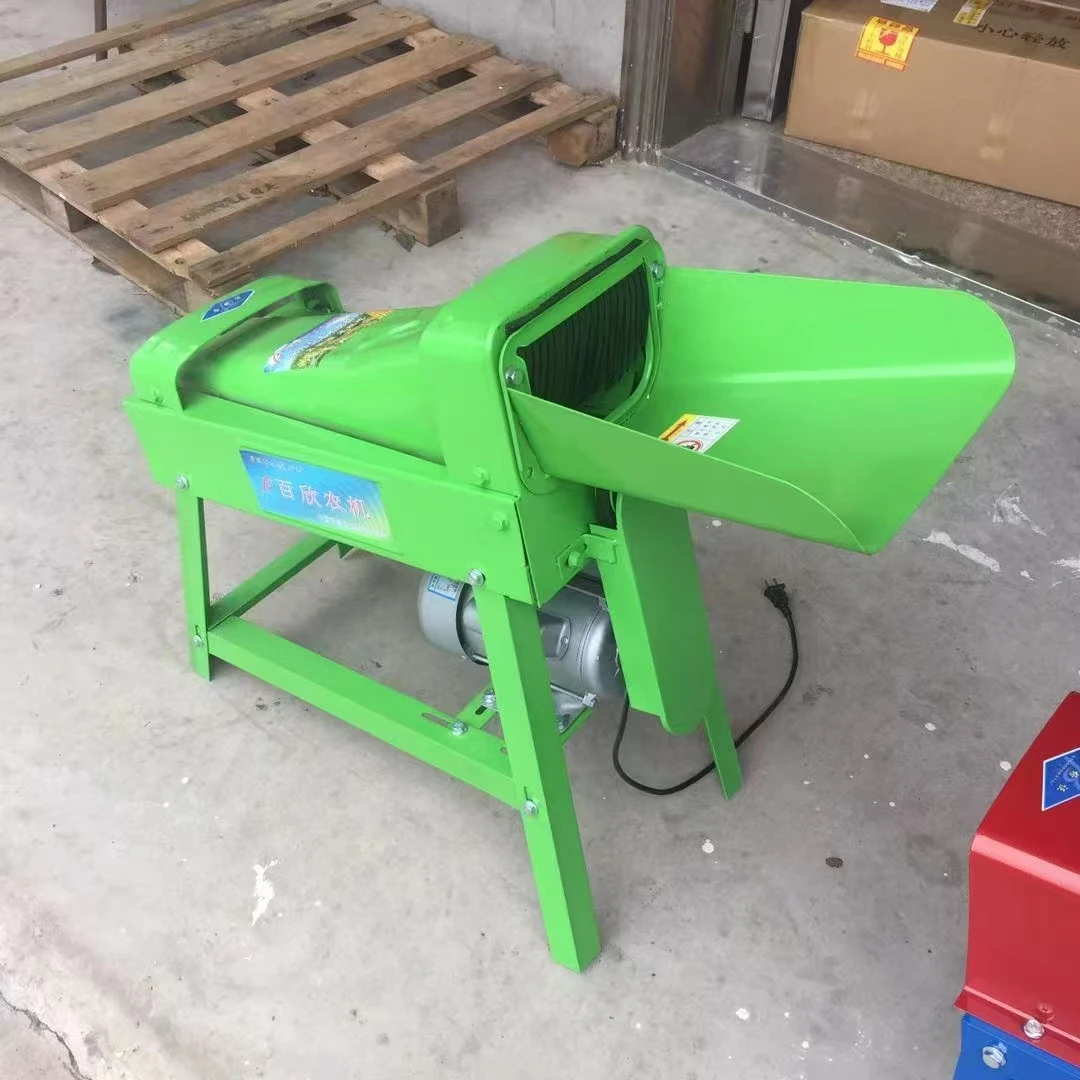 Thresher Machine
+
-
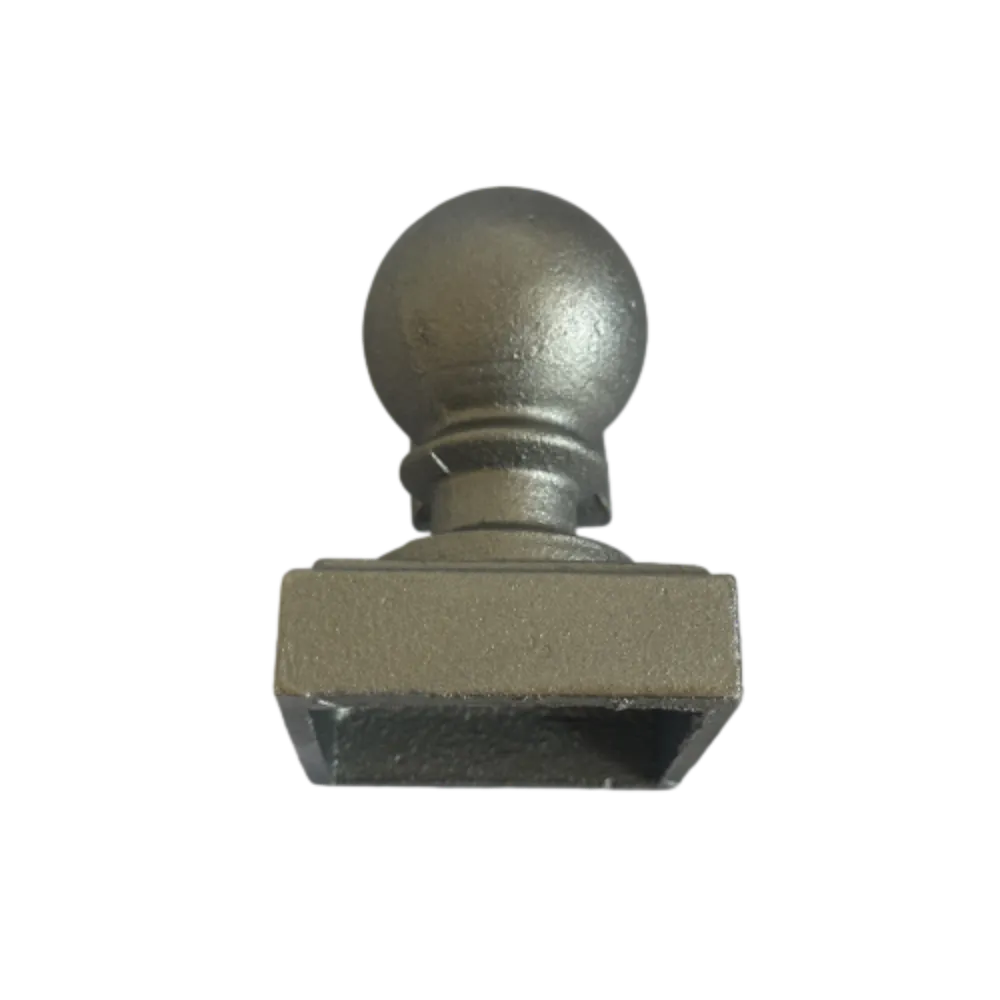 Cast Iron Post Caps
+
-
 Cast Iron Spear Point Finial
+
-
Understanding Iron is What Type of Element and Its PropertiesApr-16-2026Understanding Iron is What Type of Element and Its Properties
-
 How to Identify Prevent and Remove Wrought Iron Rust EffectivelyApr-09-2026How to Identify Prevent and Remove Wrought Iron Rust Effectively
 -
 Enhance Your Property with Durable and Stylish Iron Gate HandlesApr-07-2026Enhance Your Property with Durable and Stylish Iron Gate Handles


