The mule drawn plough remains a cornerstone of traditional agriculture in many parts of the world, bridging the gap between ancestral farming techniques and the need for sustainable food production. In regions where the terrain is too rugged for heavy machinery or where economic constraints make tractor ownership impractical, these reliable tools provide a vital means of soil preparation and crop cultivation.
Understanding the mechanics and material science behind the mule drawn plough is essential for improving agricultural yields in developing economies. By focusing on the durability of cast iron components and the ergonomic design of the frame, manufacturers can produce tools that reduce the physical burden on both the animal and the farmer, ensuring a more efficient tilling process.
Globally, the shift toward sustainable and regenerative farming has sparked a renewed interest in animal-powered implements. The mule drawn plough is not merely a relic of the past; it is a low-carbon alternative to fossil-fuel-dependent machinery, offering a path toward ecological balance and food security in remote industrial and agricultural zones.
The Global Relevance of Mule Drawn Ploughs
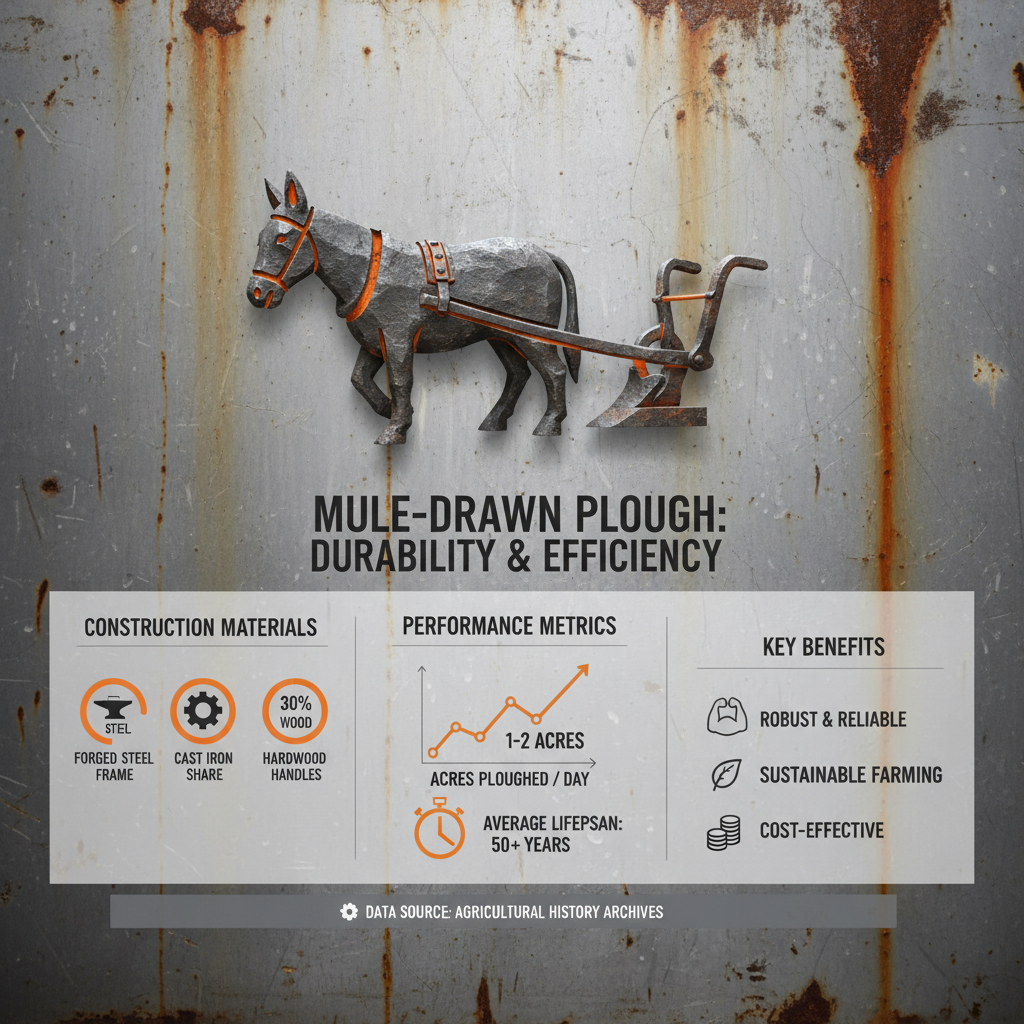
Across the globe, particularly in Sub-Saharan Africa and Southeast Asia, the mule drawn plough serves as a primary engine of agricultural productivity. According to data trends reflecting smallholder farming, millions of hectares are still managed through animal traction because it provides a scalable solution for farmers who cannot access high-cost diesel equipment. The ability of a mule to navigate steep slopes and muddy soil makes the mule drawn plough an indispensable asset in mountainous regions.
The challenge lies in the wear and tear of the metal components. Traditional wooden ploughs often fail in rocky soils, leading to a demand for reinforced cast iron shares and moldboards. By integrating industrial-grade casting techniques, the modern mule drawn plough can withstand extreme abrasion, significantly reducing the frequency of replacements and increasing the overall reliability of the harvest cycle.
Technical Definition and Industrial Context
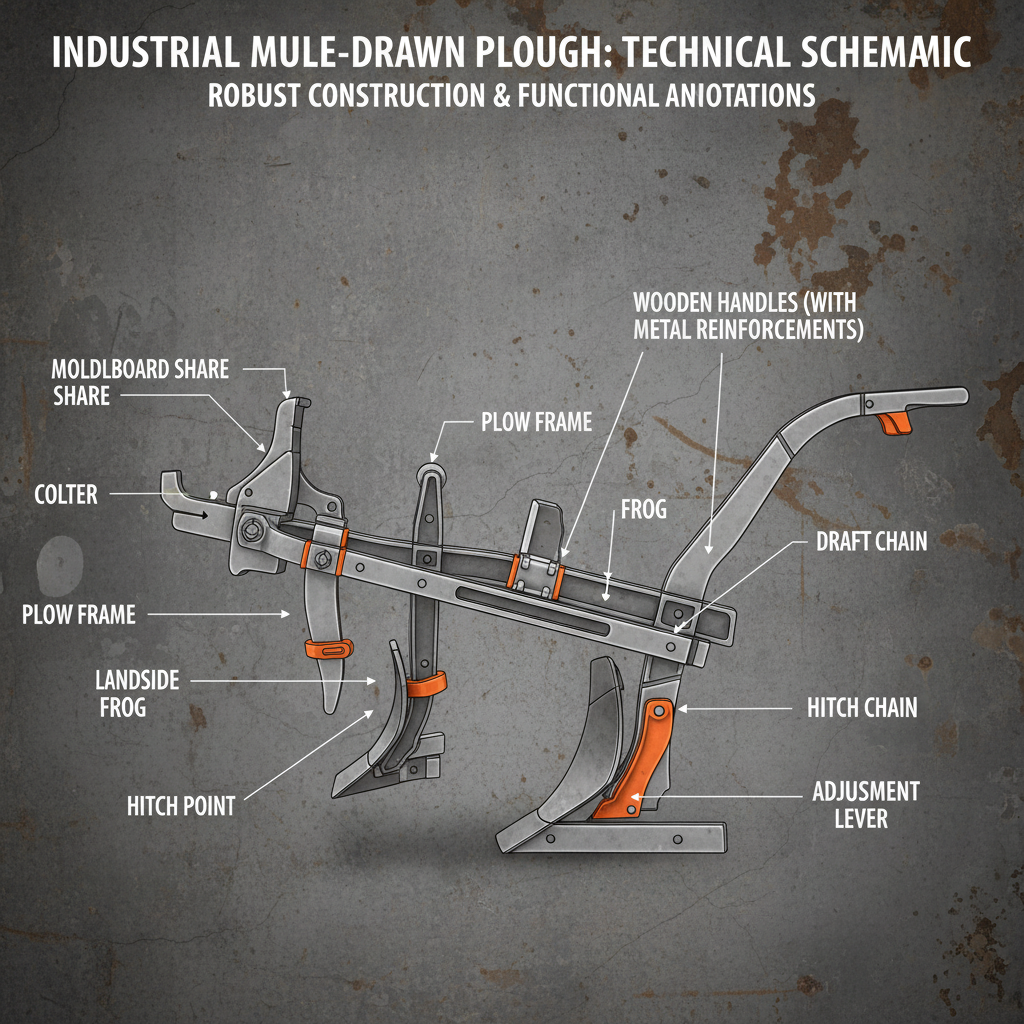
A mule drawn plough is a specialized agricultural implement designed to be pulled by a mule to turn over the upper layer of the soil, bringing fresh nutrients to the surface while burying weeds and previous crop residues. From an industrial perspective, it is a precision-engineered tool combining a beam, a handle, and a cutting share, often manufactured using high-strength alloys or cast iron to ensure longevity.
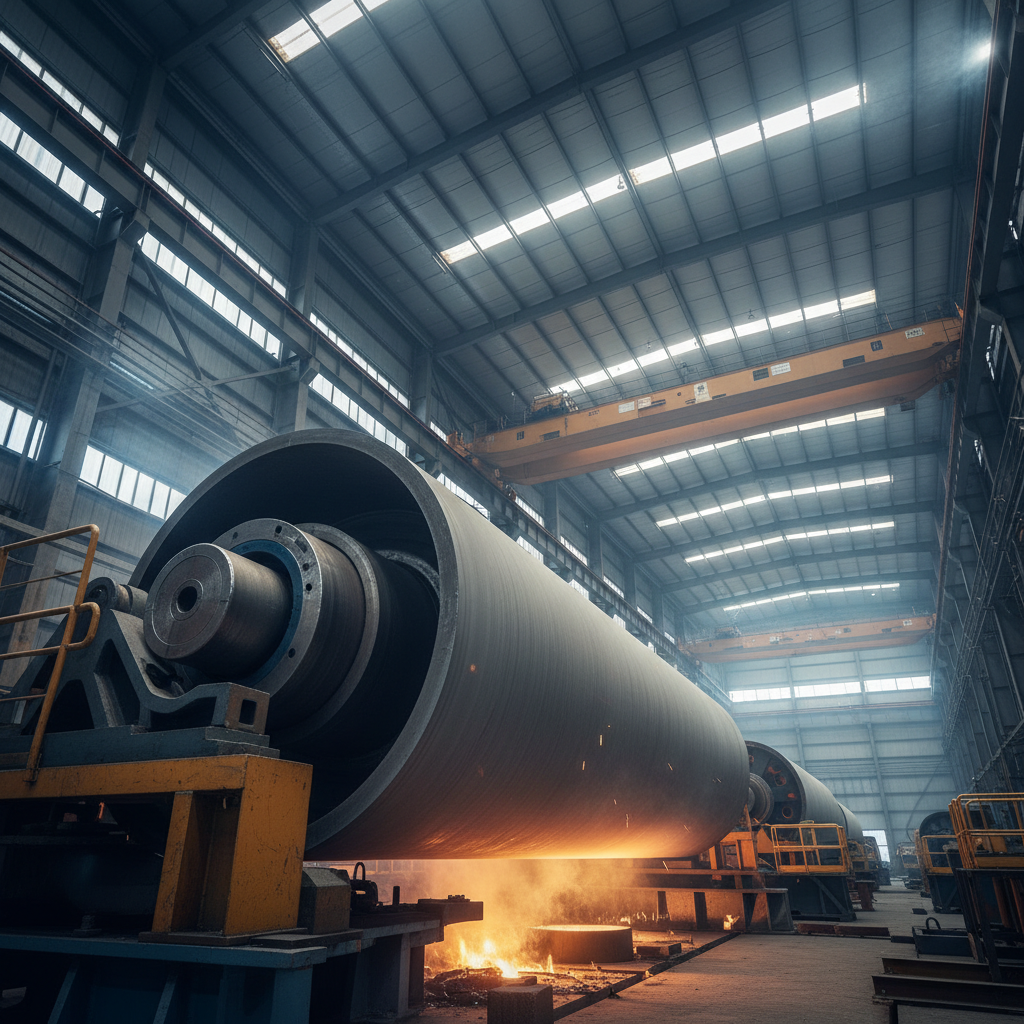
In the context of modern manufacturing, the production of these ploughs intersects with the cast iron industry. The need for a balance between weight—to ensure the blade penetrates the soil—and maneuverability requires a deep understanding of metallurgy. This ensures that the tool does not snap under the pressure of heavy clay or dense root systems.
Beyond simple farming, the mule drawn plough represents a humanitarian tool for food sovereignty. By providing affordable, durable tilling equipment, NGOs and governments can empower rural communities to move from subsistence farming to small-scale commercial production without incurring the debt associated with mechanized industrial farming.
Core Components for Maximum Durability
The durability of a mule drawn plough depends heavily on the quality of its share—the leading edge that cuts into the earth. Using high-carbon cast iron allows the share to maintain its edge longer, reducing the friction experienced by the animal and increasing the speed of operation.
Another critical aspect is the moldboard, which is responsible for flipping the soil. A correctly curved moldboard, cast with precision, ensures that the soil is turned efficiently without clinging to the metal. This prevents "clogging," a common issue that can exhaust the mule and slow down the tilling process in moist conditions.
Finally, the frame and handles must be constructed from materials that can absorb shock. In rocky terrains, the mule drawn plough often encounters subterranean obstacles; a rigid but slightly flexible frame prevents catastrophic failure, allowing the farmer to lift the tool and clear the obstruction without breaking the implement.
Operational Efficiency and Cost Analysis
When comparing the mule drawn plough to mechanized alternatives, the most immediate advantage is the operational cost. There is no requirement for expensive fuel, complex lubricants, or specialized technicians for repair. The "fuel" is organic, and the maintenance can often be performed by a local blacksmith, making it a closed-loop economic system for the village.
Furthermore, the environmental impact is significantly lower. Animal-drawn systems do not compact the soil to the same extent as heavy tractors, which preserves the soil structure and promotes better water infiltration and aeration, leading to healthier crop root systems over multiple seasons.
Efficiency Ratings of Different Tilling Methods
Real-World Applications in Diverse Terrains
In the steep highlands of the Andes or the terraced fields of Southeast Asia, the mule drawn plough is often the only viable option. Its compact size allows it to operate in narrow strips of land where a tractor would be unable to turn. This precision allows farmers to maximize every square inch of available arable land.
Additionally, in post-disaster relief operations where infrastructure has collapsed and fuel supplies are non-existent, introducing animal-drawn implements can quickly restore local food production. By utilizing indigenous livestock and durable cast iron tools, communities can regain their independence and secure their food supply without waiting for external industrial aid.
Long-Term Value and Sustainability Benefits
The long-term value of investing in a high-quality mule drawn plough lies in its lifecycle. Unlike modern machinery that suffers from planned obsolescence and software dependencies, a well-cast iron plough can last for decades if properly maintained. This provides the farmer with a sense of security and a tangible asset that can be passed down through generations.
From a social impact perspective, these tools promote dignity and autonomy. They allow small-scale farmers to maintain their traditional way of life while increasing their productivity. The lack of noise pollution and chemical emissions associated with animal traction also preserves the local ecosystem and protects the health of the farming community.
Moreover, the use of animal traction integrates the livestock into the farming cycle. The mules provide the power for the plough, and in return, they are fed from the produce of the land, creating a symbiotic relationship that eliminates the need for external chemical inputs and expensive fossil fuels.
Future Innovations in Animal-Drawn Tooling
The future of the mule drawn plough is not about returning to the primitive, but about applying modern materials science to traditional designs. We are seeing the introduction of lightweight, high-strength alloys that reduce the drag on the animal while increasing the depth of the furrow. These innovations ensure that the tool remains relevant in a world that demands higher efficiency.
Digital transformation is also playing a surprising role. Through basic sensor integration on the handles, some experimental models are tracking soil resistance and depth, providing data to farmers on how to better manage their soil health. This "smart" approach to traditional farming merges ancestral wisdom with data-driven agriculture.
As global policies shift toward "Green Energy" and the reduction of carbon footprints, the industrial production of the mule drawn plough is expected to grow. By focusing on recyclable materials and sustainable casting processes, manufacturers can offer tools that are not only effective in the field but also kind to the planet.
Comparison of Mule Drawn Plough Specifications and Performance
|
Plough Material
|
Soil Penetration Depth
|
Wear Resistance (1-10)
|
Maintenance Cost
|
|
Traditional Wood
|
5-10 cm
|
2
|
Very Low
|
|
Mild Steel
|
12-18 cm
|
5
|
Medium
|
|
Grey Cast Iron
|
15-22 cm
|
8
|
Low
|
|
Hardened Alloy Steel
|
18-25 cm
|
10
|
Medium-High
|
|
Forged Iron Composite
|
14-20 cm
|
7
|
Low
|
|
Tungsten-Coated Iron
|
20-30 cm
|
9
|
High
|
FAQS
Cast iron provides significantly higher durability and wear resistance, especially in rocky or clay-heavy soils. While wooden ploughs erode quickly and struggle to penetrate deep soil layers, cast iron tools maintain a sharp cutting edge, reducing the physical effort required by the mule and the farmer, and drastically increasing the lifespan of the tool.
To prevent oxidation, it is recommended to clean the share and moldboard after each use to remove moist soil. Applying a thin layer of organic oil or a specialized protective coating to the cast iron surfaces during the off-season will prevent rust. Additionally, sharpening the share with a metal file occasionally ensures optimal performance.
Yes, provided they are designed with a reinforced frame and high-impact cast iron. Professional-grade mule drawn ploughs are engineered to handle sudden shocks. The key is the metallurgical composition of the iron, which must balance hardness with enough toughness to avoid brittle fractures when hitting a stone.
Absolutely. Animal-drawn systems eliminate the carbon emissions associated with diesel fuel and reduce soil compaction, which is a major problem with heavy machinery. By maintaining the soil's natural pore structure, animal-powered ploughing promotes better biodiversity and carbon sequestration within the earth.
Farmers and NGOs can source high-quality cast iron implements through specialized industrial suppliers. It is important to ensure that the tools meet local soil requirements and that the supplier provides documentation for customs. Working with manufacturers who specialize in agricultural casting ensures a balance of quality and shipping cost.
With proper maintenance and occasional sharpening of the share, a high-quality cast iron mule drawn plough can last between 15 to 30 years. Because the core components are modular, worn-out shares can often be replaced without needing to replace the entire frame, extending the tool's utility for decades.
Conclusion
The mule drawn plough represents a perfect synergy between traditional agricultural wisdom and industrial metallurgical expertise. From its critical role in supporting food security in remote regions to its benefits as a sustainable, zero-emission alternative to heavy machinery, this tool remains an essential component of global farming. By focusing on high-quality cast iron construction and ergonomic design, we can ensure that smallholder farmers have the tools they need to thrive.
Looking forward, the integration of advanced alloys and sustainable manufacturing will only enhance the value of animal-drawn implements. We encourage agricultural cooperatives and NGOs to prioritize the distribution of durable, long-lasting tools that empower farmers and protect the environment. For those seeking industrial-grade casting solutions for agricultural needs, visit our website: www.tjjironcasting.com