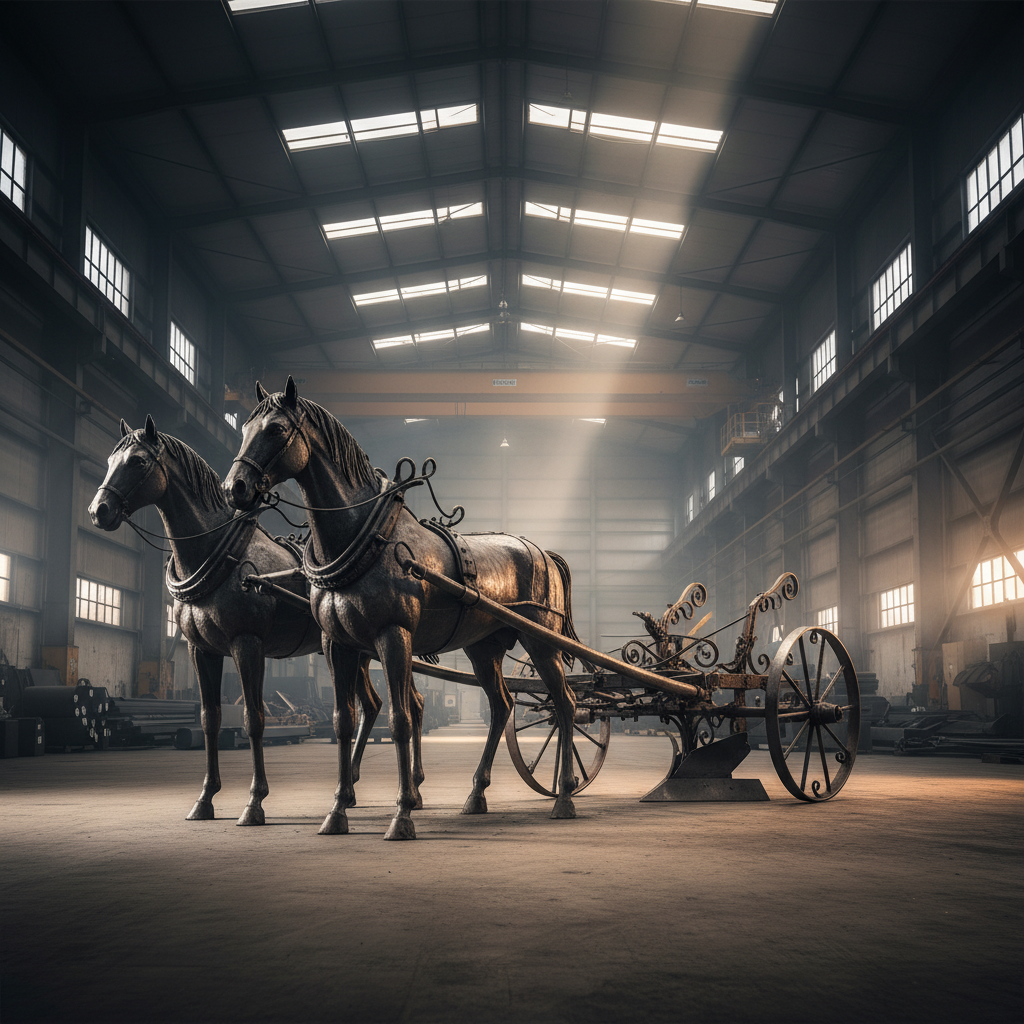
The horse drawn plough represents a foundational technology in agriculture, intrinsically linked to the development of settled communities and food production systems across the globe. Its enduring relevance, even in the age of modern machinery, stems from its adaptability, low-cost operation, and suitability for small-scale farming, particularly in regions where mechanized agriculture is impractical or unaffordable. Understanding the principles behind the horse drawn plough provides valuable insight into historical agricultural practices and sustainable farming solutions for the future.
Throughout history, the horse drawn plough has been a cornerstone of societal advancement, enabling increased food yields and supporting population growth. From its earliest iterations in ancient civilizations to its continued use in diverse agricultural contexts today, the horse drawn plough serves as a powerful symbol of human ingenuity and adaptation. This technology continues to offer viable solutions for resource-limited farming communities worldwide, promoting self-sufficiency and sustainable land management.
The ongoing need for appropriate technologies in agriculture, coupled with a growing emphasis on sustainable farming practices, makes the study of the horse drawn plough increasingly relevant. Its simple design and reliance on animal power offer a low-environmental-impact alternative to fuel-intensive mechanized methods, positioning it as a crucial component of resilient agricultural systems.
The Historical Development of horse drawn plough
The earliest forms of the horse drawn plough can be traced back to ancient Mesopotamia and Egypt, with simple designs constructed from wood and pulled by oxen. These early ploughs primarily focused on surface tillage, breaking up the soil without inverting it. The development of the moldboard plough, which inverts the soil, revolutionized agriculture in Europe during the Middle Ages, dramatically increasing crop yields.
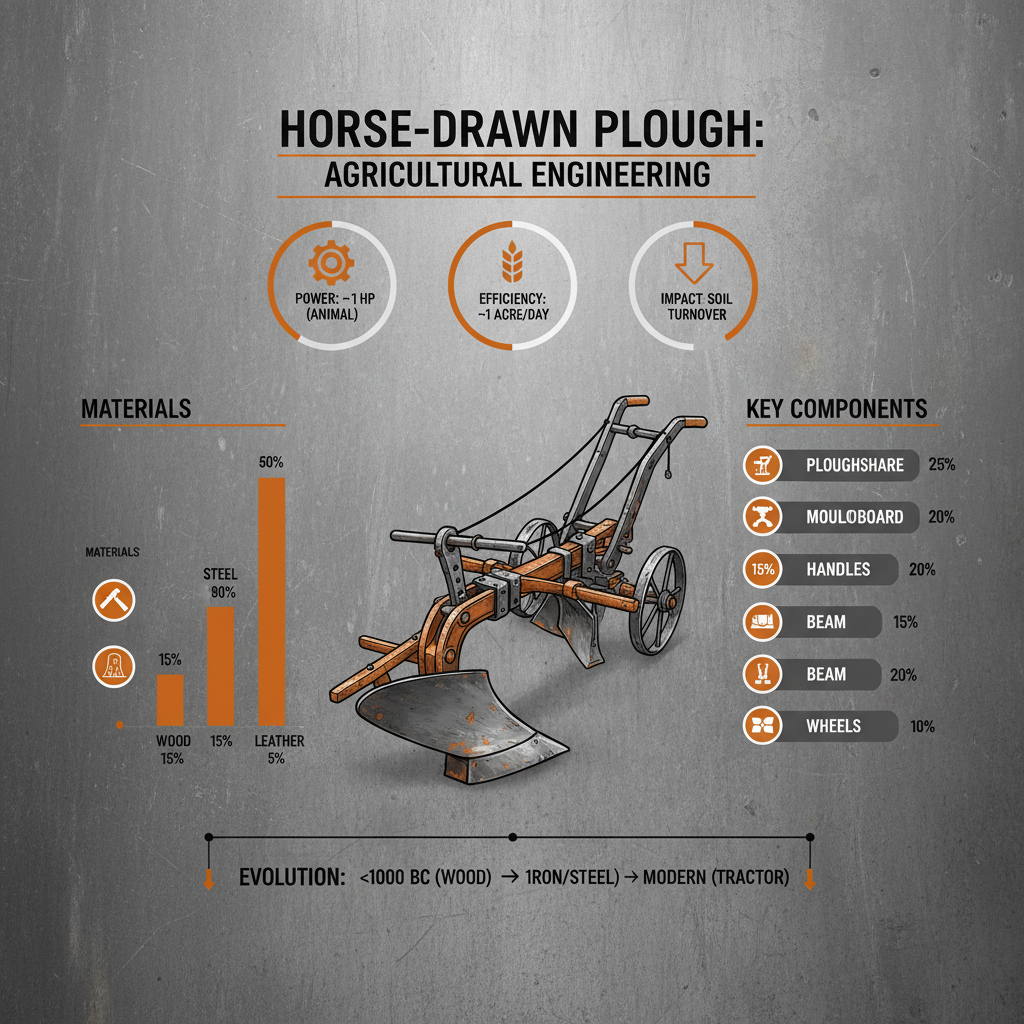
Throughout the centuries, the horse drawn plough underwent incremental improvements, with variations in design adapting to different soil types and regional farming practices. The introduction of iron and then steel components significantly enhanced durability and efficiency. The horse drawn plough remained the dominant agricultural tool for centuries, shaping landscapes and influencing the course of human civilization.
The Core Principles of horse drawn plough Design
At its core, the horse drawn plough functions on the principles of soil inversion and aeration. The plowshare, the leading edge of the plough, cuts through the soil, while the moldboard curves to lift and invert it, burying weeds and exposing fresh soil to the air. This process improves soil fertility and creates a favorable environment for seed germination. The landside helps maintain stability and prevents the plough from sliding sideways.
The design of a horse drawn plough is meticulously optimized for efficient soil engagement and minimal draft resistance. Factors such as the angle of the moldboard, the curvature of the plowshare, and the overall weight distribution all contribute to its performance. A well-designed plough requires less effort from the draft animal and produces a cleaner furrow.
The effectiveness of a horse drawn plough is also highly dependent on proper adjustment and maintenance. Adjusting the depth of the furrow and ensuring the ploughshare remains sharp are crucial for optimal performance. Regular inspection and repair of components are essential to prevent breakdowns and extend the life of the equipment.
The Role of Materials in horse drawn plough Construction
Historically, horse drawn ploughs were predominantly constructed from wood, utilizing durable hardwoods like oak and ash for the frame and moldboard. The plowshare, the part that directly contacts the soil, was often reinforced with iron or steel banding to withstand wear and tear. As metallurgy advanced, cast iron and steel became increasingly prevalent in plough construction.
The choice of materials significantly impacts the plough's durability, weight, and resistance to corrosion. Steel plowshares offer superior wear resistance compared to cast iron, but they are also more expensive. Wood remains a viable option for certain components, particularly the handles and frame, offering a lightweight and cost-effective solution. Modern horse drawn ploughs often incorporate a combination of materials, leveraging the strengths of each.
The advancements in materials science have led to the development of specialized alloys and coatings that enhance the performance and lifespan of horse drawn plough components. These innovations contribute to increased efficiency, reduced maintenance requirements, and improved overall agricultural productivity.
Performance Metrics of horse drawn plough
Assessing the performance of a horse drawn plough involves considering several key metrics, including draft force, furrow width, furrow depth, and soil disturbance. Draft force, the amount of pull required to operate the plough, is a crucial indicator of efficiency. Lower draft force translates to less energy expenditure for the draft animal.
Furrow width and depth determine the extent of soil cultivation. Optimal furrow width and depth vary depending on soil type, crop requirements, and the size of the draft animal. Soil disturbance, the degree to which the soil structure is altered, is another important consideration. Excessive disturbance can lead to erosion and reduced soil fertility.
Comparative Analysis of horse drawn plough Methods
Global Applications of the horse drawn plough
The horse drawn plough remains a vital agricultural tool in many developing countries, particularly in regions where access to mechanized equipment is limited. Smallholder farmers in Asia, Africa, and Latin America rely on horse drawn ploughs to cultivate their land and sustain their livelihoods.
In some regions, the horse drawn plough is also utilized in organic farming systems, where the avoidance of fossil fuels and synthetic fertilizers is a priority. Its low-impact nature aligns with the principles of sustainable agriculture, promoting soil health and biodiversity.
Advantages and Economic Impact of horse drawn plough
The horse drawn plough offers several key advantages over mechanized alternatives, particularly in resource-constrained settings. Its relatively low cost of acquisition and maintenance makes it accessible to small-scale farmers. It also requires minimal fuel or energy input, reducing operational expenses.
Economically, the use of horse drawn ploughs can contribute to increased crop yields, improved food security, and enhanced rural livelihoods. By providing farmers with a reliable means of cultivation, it empowers them to generate income and support their families.
Furthermore, the use of animal power in agriculture promotes sustainable land management practices, reducing reliance on fossil fuels and minimizing environmental impact. This contributes to long-term economic resilience and environmental stewardship.
Future Innovations in horse drawn plough Technology
While the horse drawn plough is a time-tested technology, ongoing research and development efforts are focused on improving its efficiency and adaptability. Innovations include the use of lighter-weight materials, improved plowshare designs, and adjustable mechanisms for optimizing furrow depth and width.
The integration of precision agriculture techniques, such as GPS-guided ploughing, holds promise for enhancing accuracy and minimizing soil compaction. Furthermore, the development of hybrid plough designs that combine the benefits of traditional and modern technologies could further optimize performance.
A renewed focus on sustainable agriculture and the need to reduce carbon emissions is driving interest in animal-powered farming systems, potentially leading to a resurgence in the use of improved horse drawn ploughs.
Summary of Key Factors Influencing horse drawn plough Efficiency
| Soil Type |
Draft Animal Strength |
Plough Design Features |
Operator Skill Level |
| Sandy Loam |
High (Percheron) |
Moldboard with adjustable depth |
Experienced |
| Clay Loam |
Medium (Belgian) |
Steel plowshare for durability |
Intermediate |
| Silty Loam |
Low (Draft Horse Mix) |
Lightweight frame for maneuverability |
Novice |
| Sandy Soil |
Medium (Quarter Horse) |
Narrow furrow width for efficiency |
Experienced |
| Rocky Soil |
High (Clydesdale) |
Reinforced plowshare for impact resistance |
Intermediate |
| Peaty Soil |
Low (Shetland Pony) |
Adjustable landside for stability |
Novice |
FAQS
When choosing a horse drawn plough, consider your soil type, the size and strength of your draft animal, and the type of crops you’ll be growing. Lighter soils require less robust ploughs, while heavier soils demand stronger ones. Ensure the plough's weight is appropriate for your animal to avoid excessive strain. Matching the plough's design to your crop type maximizes efficiency.
Adjusting the furrow depth is crucial for optimal tillage. Most horse drawn ploughs feature an adjustment mechanism, often a screw or lever, that controls the height of the ploughshare. Start with a shallow depth and gradually increase it until you achieve the desired level of soil inversion. Monitor the draft force and adjust as needed to avoid overworking the animal.
Regular maintenance is essential for extending the life of your plough. After each use, clean off soil and debris to prevent corrosion. Sharpen the plowshare and landside periodically to maintain cutting efficiency. Inspect all components for wear and tear, and replace them as needed. Store the plough in a dry, sheltered location.
Safety is paramount when operating a horse drawn plough. Ensure the draft animal is properly trained and accustomed to pulling the plough. Always maintain a safe distance from the ploughshare and moving parts. Be aware of your surroundings and avoid obstacles. Never attempt to repair the plough while the animal is attached.
Compared to modern mechanized ploughs, the horse drawn plough offers a significantly lower environmental impact. It eliminates the need for fossil fuels, reducing greenhouse gas emissions. It also promotes soil health by minimizing compaction and encouraging natural aeration. This makes it a more sustainable option for environmentally conscious farmers.
While versatile, the effectiveness of a horse drawn plough can vary depending on terrain. It performs best on relatively flat, open fields. Steep slopes and rocky terrain can pose challenges. Adjusting the plough's settings and utilizing a skilled operator can mitigate some of these difficulties. For extremely challenging terrain, other tillage methods may be more appropriate.
Conclusion
In conclusion, the horse drawn plough represents a cornerstone of agricultural history and continues to offer a viable and sustainable solution for farmers around the world. Its enduring relevance stems from its adaptability, low cost, and minimal environmental impact. Understanding the principles of its design, construction, and operation is essential for maximizing its efficiency and ensuring its continued use in promoting food security.
Looking ahead, continued innovation in materials, design, and integration with precision agriculture techniques promises to further enhance the performance and sustainability of the horse drawn plough. By embracing these advancements, we can ensure that this time-tested technology continues to play a vital role in feeding a growing global population while preserving our planet for future generations. Visit our website for more information on our cast iron components for agricultural machinery: horse drawn plough