

Comprehensive Guide to High Quality Rod Iron Fence Supplies and Installation
Rod Iron Fence Supplies: A Comprehensive Guide
Choosing the right rod iron fence supplies is crucial for creating a durable, aesthetically pleasing, and secure perimeter for your property. At Tianjin Jinyu Iron Casting Co., Ltd., we specialize in providing high-quality iron components for a wide range of fencing applications. This article will explore the essential supplies, factors to consider, and the benefits of selecting reliable materials for your rod iron fence project. Whether you're a seasoned contractor or a DIY enthusiast, understanding the intricacies of these supplies will ensure a successful and long-lasting fence installation.
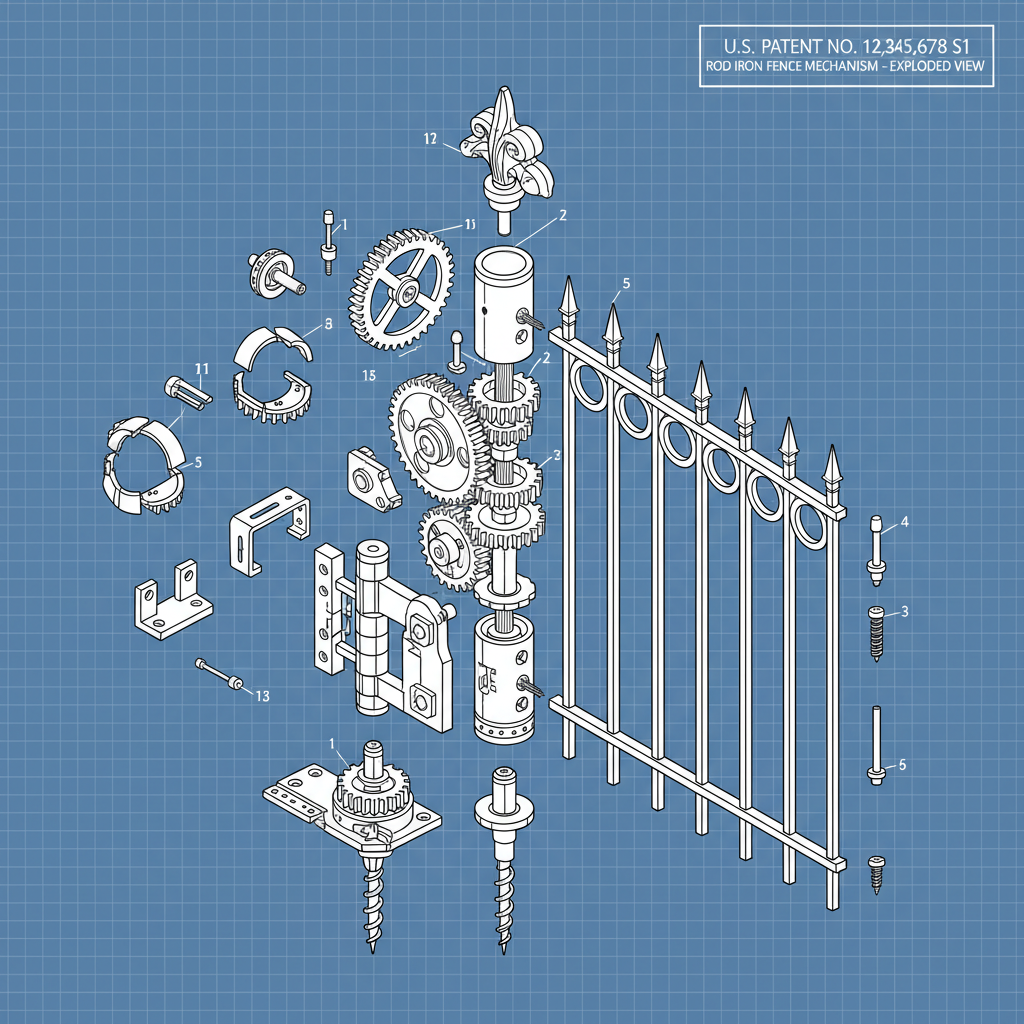
Essential Rod Iron Fence Supplies
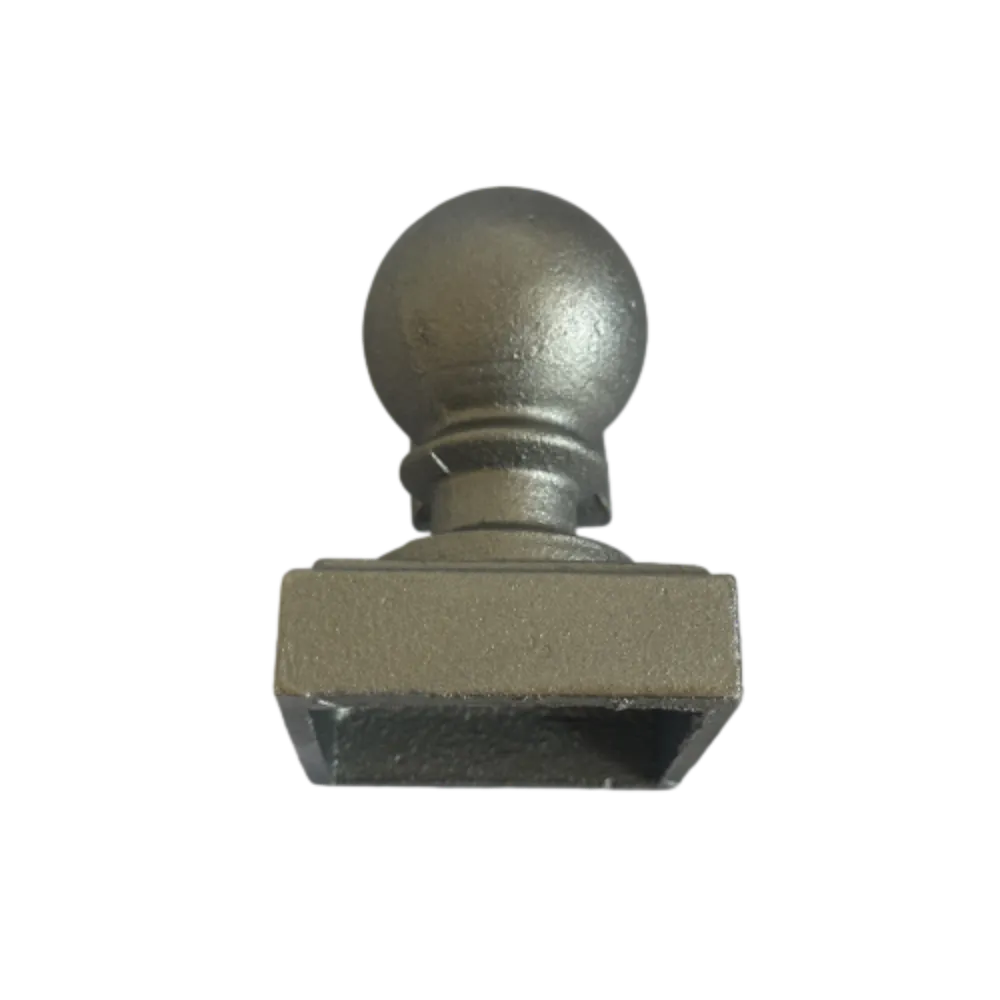
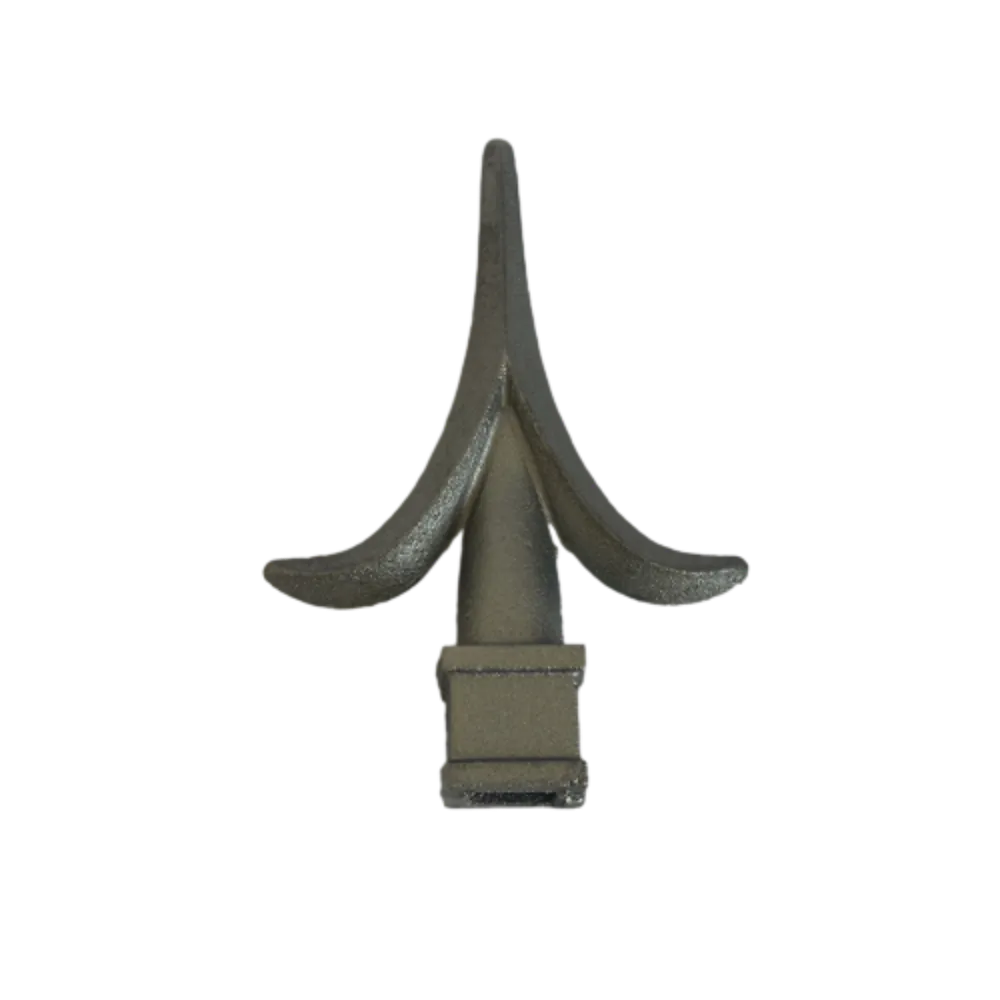
A complete rod iron fence project requires more than just the iron rods themselves. Several key components work together to create a robust and visually appealing barrier. These include the iron pickets (the vertical bars), rails (horizontal supports), posts (anchored into the ground), finials (decorative post caps), and all the necessary hardware for assembly. Quality welding consumables are also vital if you are fabricating the fence yourself. Choosing the right grade of iron and hardware is essential for withstanding the elements and ensuring long-term durability.
Key Supplies Checklist:
- Iron Pickets
- Rails
- Posts
- Finials
- Hardware (bolts, nuts, screws)
- Welding Consumables (if applicable)
- Primer and Paint
Choosing the Right Iron Grade for Your Fence
The grade of iron used significantly impacts the fence's strength and longevity. Commonly, wrought iron and cast iron are used, but steel is more prevalent today due to its cost-effectiveness and strength. Steel offers various grades; choosing a higher grade with increased carbon content offers greater durability, resistance to corrosion, and weldability. It's crucial to select an iron grade appropriate for your climate and the level of security desired. We at Tianjin Jinyu Iron Casting Co., Ltd. offer a range of steel grades to meet diverse project requirements.
Iron Grade Comparison:
• Wrought Iron: Historically used, known for its flexibility and aesthetic appeal, but expensive and less commonly available.
• Cast Iron: Brittle, but strong in compression, suitable for decorative elements.
• Steel: Cost-effective, strong, and versatile. Various grades available with different properties.
Rod Iron Fence Styles and Supply Considerations
Different fence styles require specific supply variations. A traditional picket fence necessitates numerous pickets and horizontal rails. More elaborate designs, like those with curved tops or intricate scrollwork, will require specialized iron components and potentially custom fabrication. Consider the post spacing to ensure adequate support and stability, typically ranging from 6 to 8 feet apart. The height of the fence and local building codes should also influence your supply choices. For example, higher fences may require thicker posts and rails to withstand wind loads.
The Importance of Protective Coatings
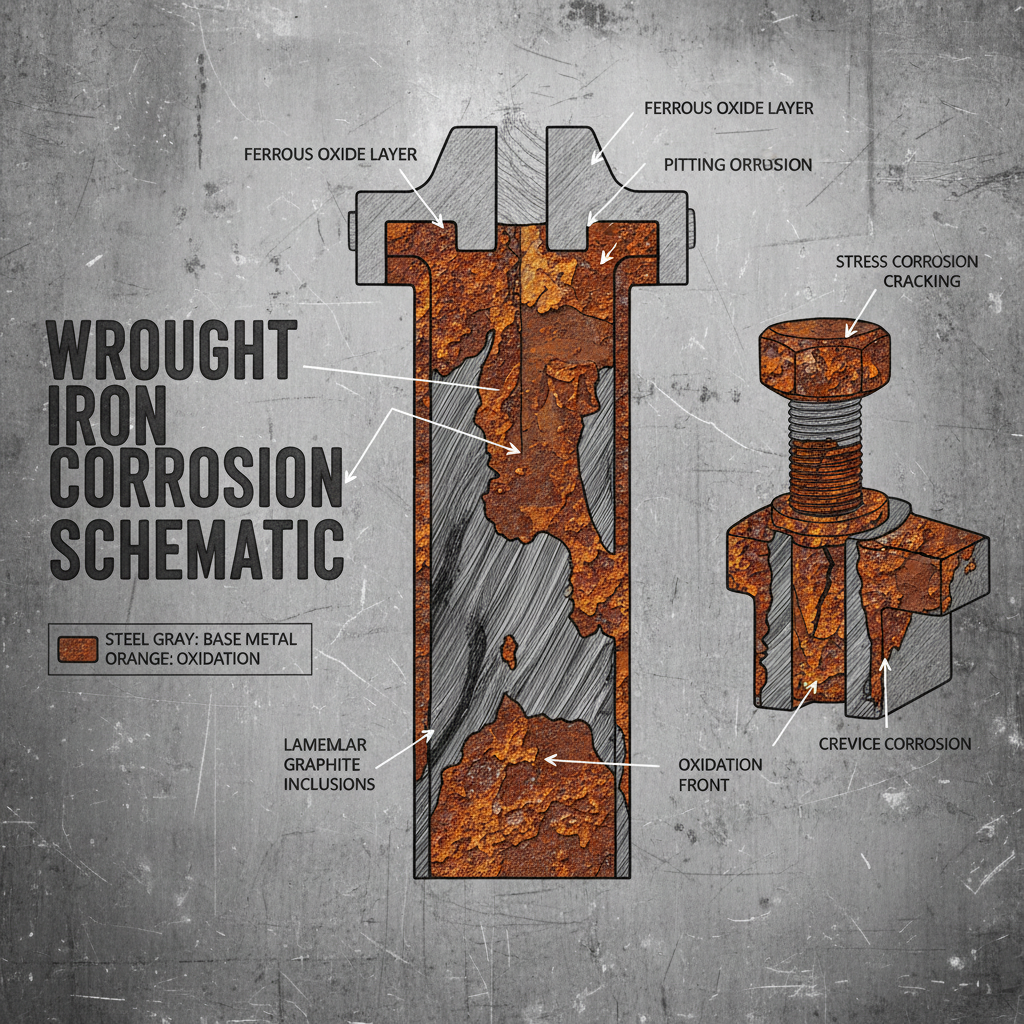
Iron is susceptible to rust and corrosion, especially in humid or coastal environments. Applying a protective coating, such as primer and paint, is crucial for extending the fence’s lifespan. Galvanization, powder coating, or regular painting with rust-inhibiting paint are effective methods. Proper surface preparation before applying the coating is vital – remove any rust or mill scale to ensure optimal adhesion. At Tianjin Jinyu Iron Casting Co., Ltd., we offer pre-galvanized options for certain components to provide added protection.
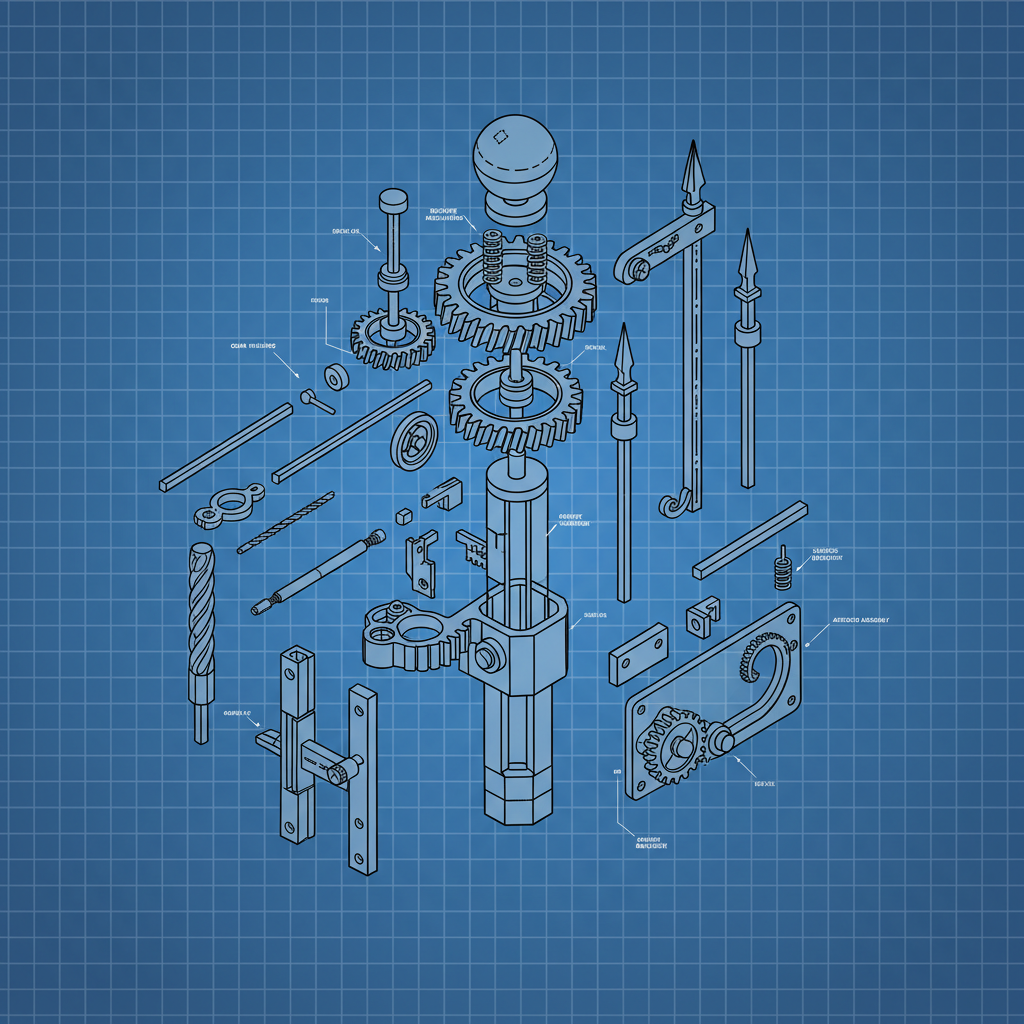
Where to Source High-Quality Rod Iron Fence Supplies
Selecting a reliable supplier is paramount. Look for companies with a proven track record, quality certifications, and a comprehensive product range. Tianjin Jinyu Iron Casting Co., Ltd. is a leading manufacturer and supplier of iron castings and related products, dedicated to providing high-quality rod iron fence supplies to customers worldwide. We offer competitive pricing, customization options, and excellent customer service.
Conclusion: Building a Lasting Fence with Quality Supplies
Investing in high-quality rod iron fence supplies from a reputable supplier like Tianjin Jinyu Iron Casting Co., Ltd. ensures a durable, aesthetically pleasing, and secure fence. Careful consideration of iron grade, style requirements, and protective coatings will contribute to a lasting investment that enhances your property’s value and security.
Frequently Asked Questions (FAQs)
What is the recommended post depth for a rod iron fence?
The recommended post depth depends on the fence height, soil type, and local wind conditions. As a general rule, a minimum of 24-36 inches is recommended for fences up to 6 feet tall. In areas with high winds or loose soil, deeper footings may be necessary. Using concrete around the posts provides additional stability. Consulting local building codes is crucial to ensure compliance with safety regulations. A good rule of thumb is to bury at least one-third to one-half of the post length below ground.
How do I prevent rust on my rod iron fence?
Preventing rust involves multiple steps. First, choose galvanized or powder-coated iron components. Second, apply a high-quality primer specifically designed for metal before painting. Regularly inspect the fence for any scratches or damaged areas where rust can start. Touch up these areas promptly with primer and paint. In coastal areas, consider using marine-grade paint for enhanced corrosion resistance. Proper drainage around the fence base also helps prevent moisture buildup.
What type of welding is best for rod iron fence construction?
Shielded Metal Arc Welding (SMAW), also known as stick welding, is a common and cost-effective method for rod iron fence construction. However, Metal Inert Gas (MIG) welding offers faster welding speeds and cleaner welds, making it a good choice for larger projects. Flux-Cored Arc Welding (FCAW) is another option, providing good penetration and suitable for outdoor use. The choice depends on your experience level, equipment availability, and project requirements. Always use appropriate welding rods and techniques for the specific iron grade being used.
Can I mix different grades of iron in my fence?
It’s generally not recommended to mix significantly different grades of iron in a welded fence. Using dissimilar metals can create galvanic corrosion issues, where one metal corrodes more rapidly than the other. If you must use different grades, ensure they are compatible and consider using a barrier coating between them. Consulting with a welding professional is advisable to ensure the integrity and longevity of the fence.
-
Understanding Iron is What Type of Element and Its PropertiesNewsApr.16,2026
-
How to Identify Prevent and Remove Wrought Iron Rust EffectivelyNewsApr.09,2026
-
Enhance Your Property with Durable and Stylish Iron Gate HandlesNewsApr.07,2026
-
Understanding Wrought Iron vs Iron Properties and ApplicationsNewsApr.04,2026
-
Elevate Your Property with Stunning Gate Wrought Iron Design OptionsNewsMar.31,2026
-
The Enduring Appeal of Ornamental Wrought Iron for Elegant DesignNewsMar.28,2026
-
 Aluminum Ally door and window handle
+
-
 Sliding door window wheel rollers
+
-
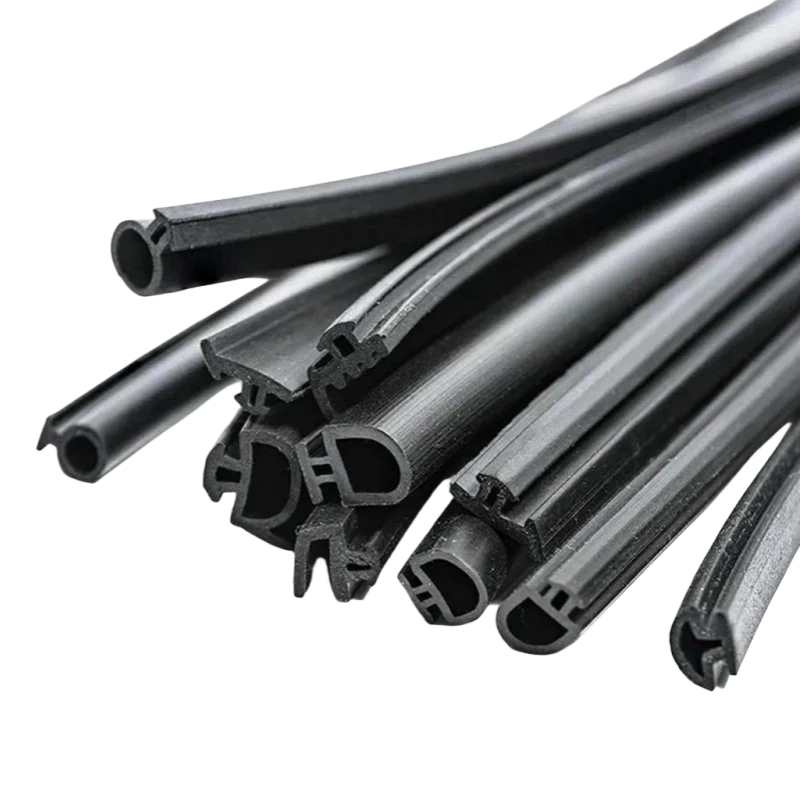 rubber window seal
+
-
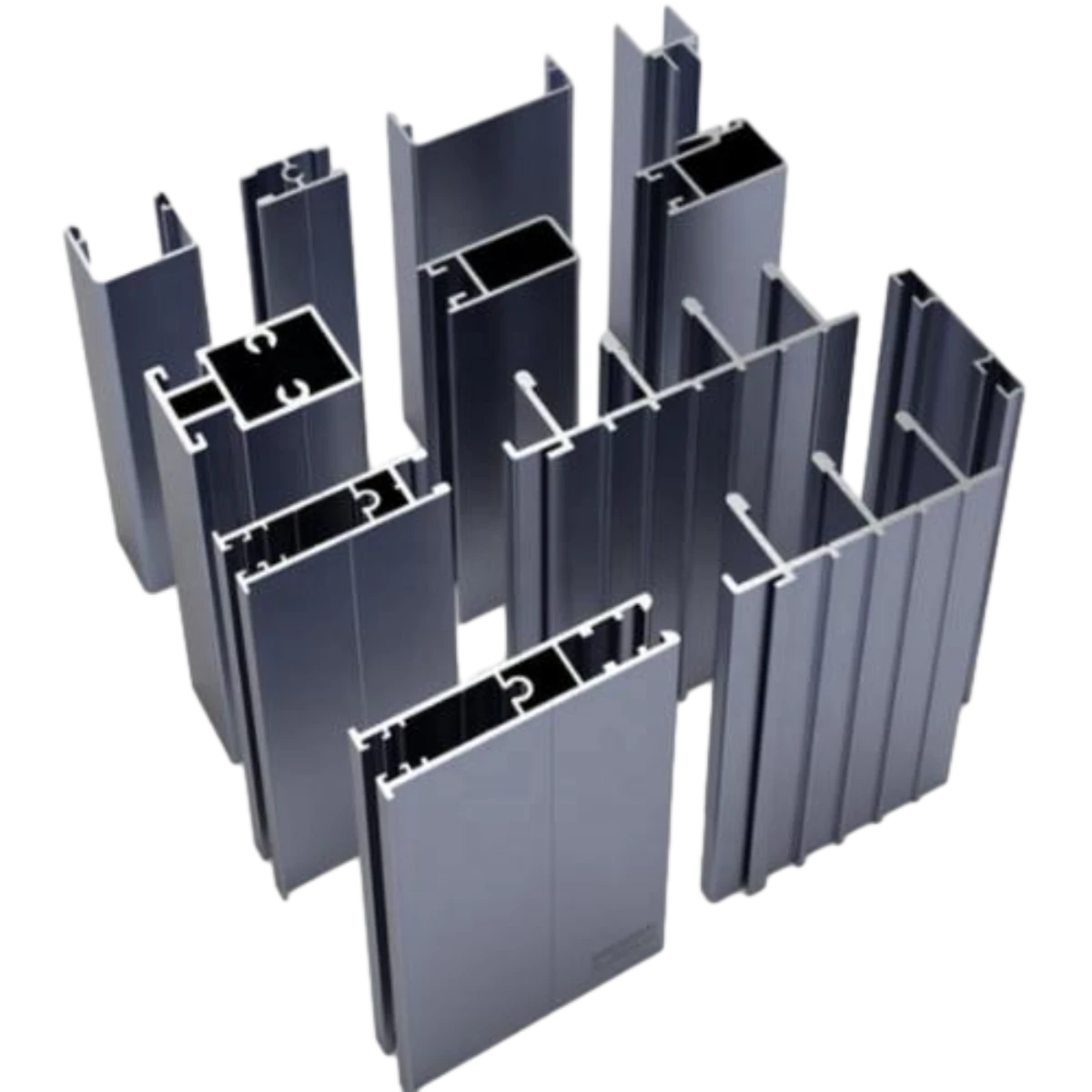 Aluminium Windows Profiles
+
-
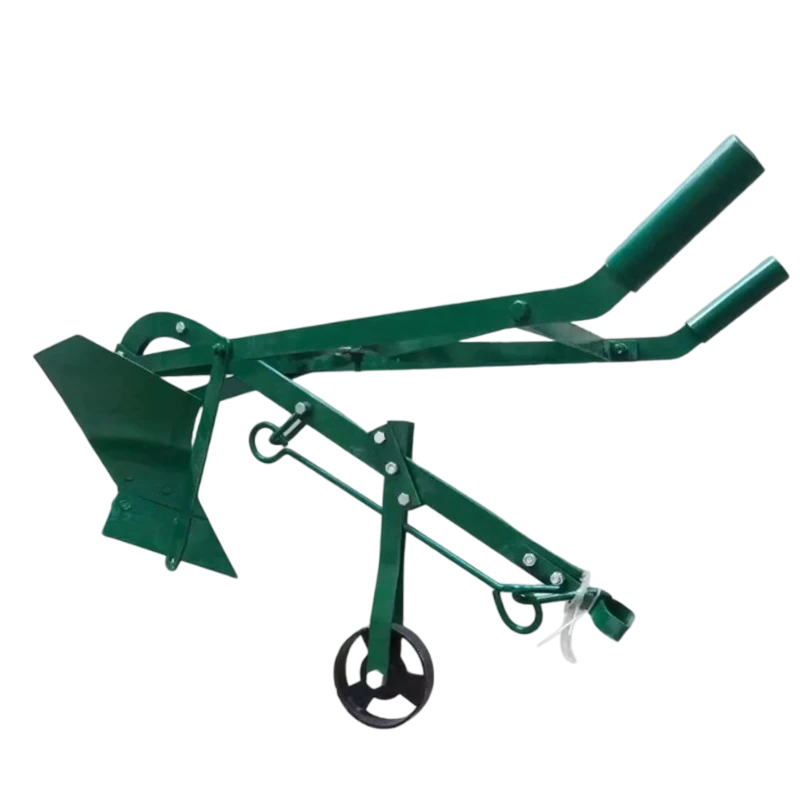 animal drawn plough plows
+
-
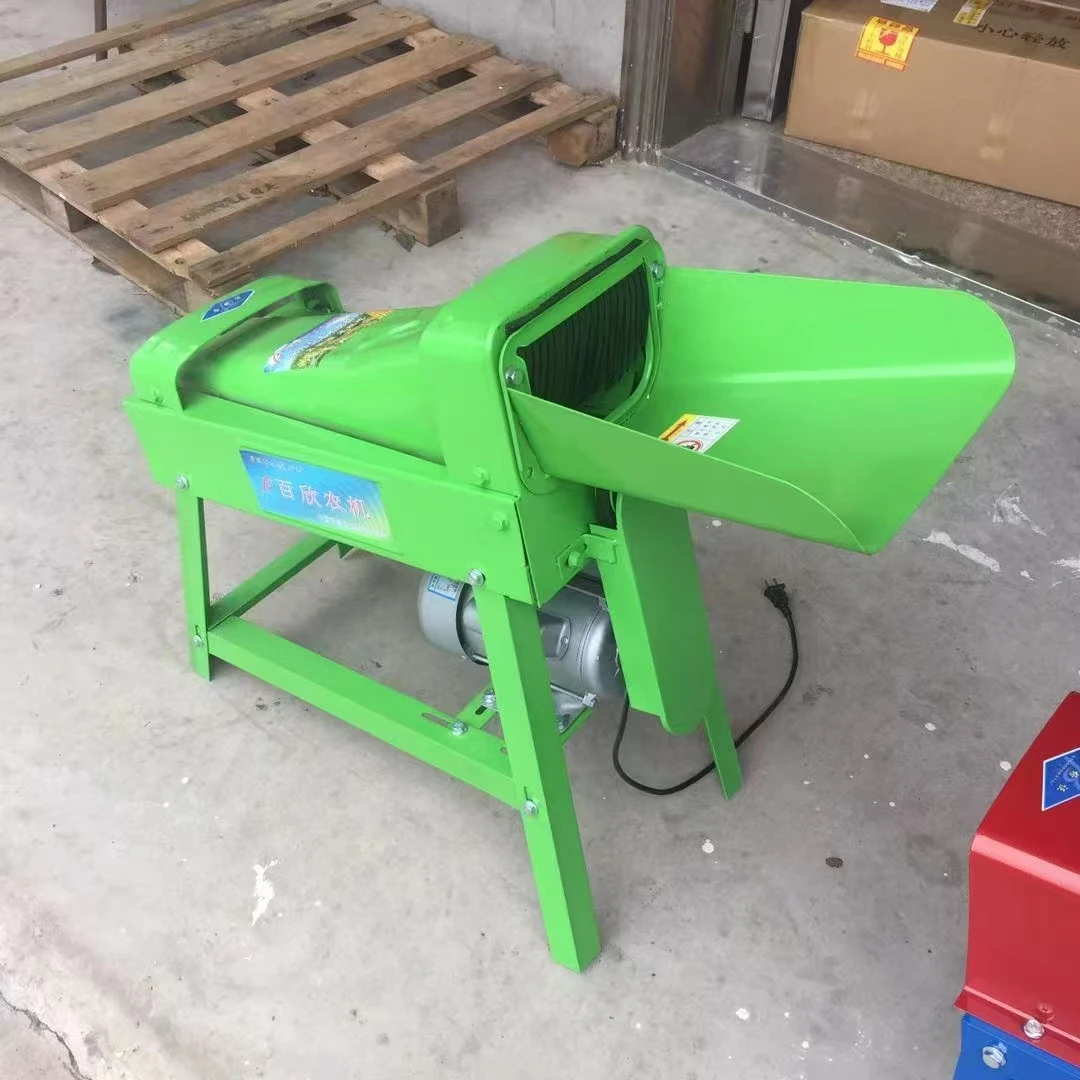 Thresher Machine
+
-
 Cast Iron Post Caps
+
-
 Cast Iron Spear Point Finial
+
-
 Understanding Iron is What Type of Element and Its PropertiesApr-16-2026Understanding Iron is What Type of Element and Its Properties
 -
 How to Identify Prevent and Remove Wrought Iron Rust EffectivelyApr-09-2026How to Identify Prevent and Remove Wrought Iron Rust Effectively
 -
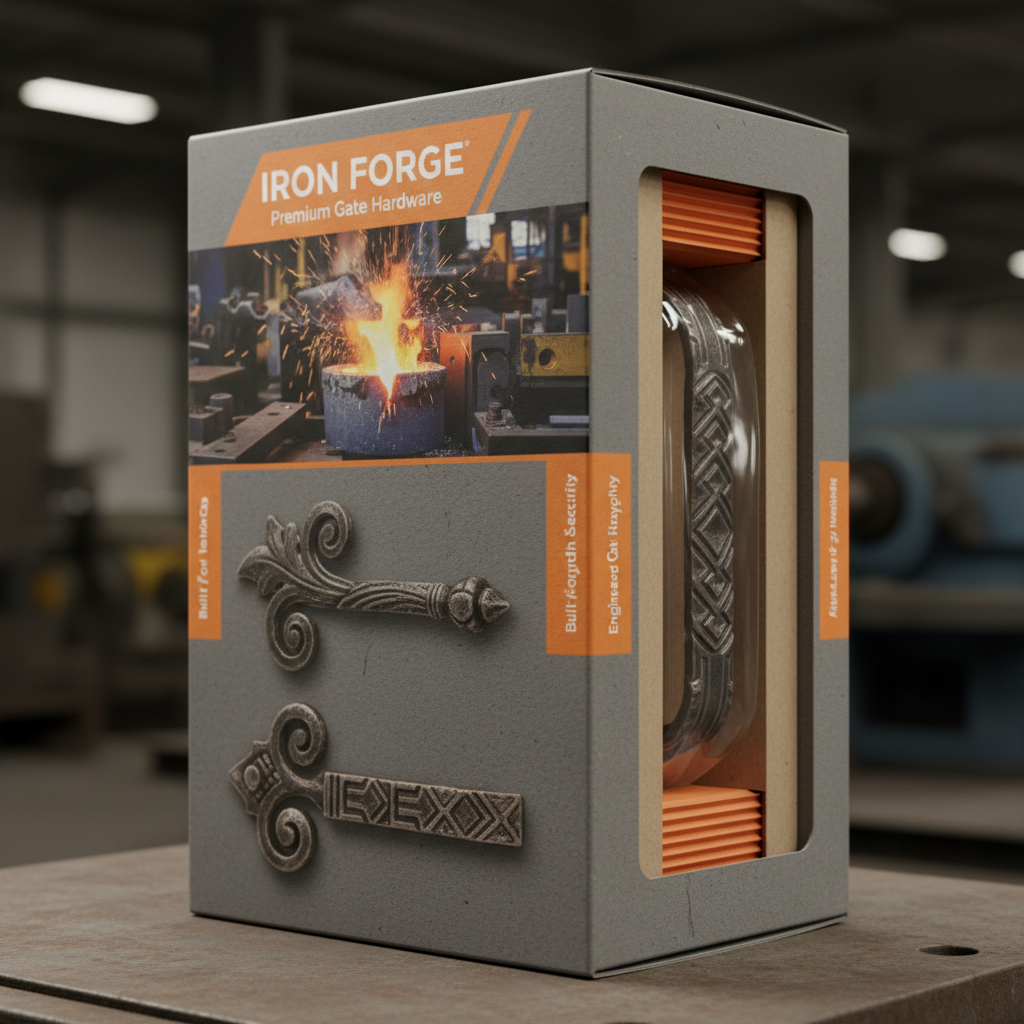 Enhance Your Property with Durable and Stylish Iron Gate HandlesApr-07-2026Enhance Your Property with Durable and Stylish Iron Gate Handles


