

Enhancing Aesthetics with Decorative Spear Designs and Material Choices
Decorative Spear: A Guide to Design, Materials, and Applications
Decorative spears, steeped in history and symbolic significance, continue to be popular elements in architecture, garden design, and interior décor. From imposing gate toppers to elegant wall accents, these iconic pieces add a touch of drama and sophistication. This article explores the world of decorative spears, covering their history, common materials, design variations, and practical applications. Whether you’re looking to enhance your property’s aesthetic or simply understand the artistry behind these enduring designs, this guide offers valuable insights. Explore our range of high-quality iron castings, including decorative spears, at TJ Iron Casting.
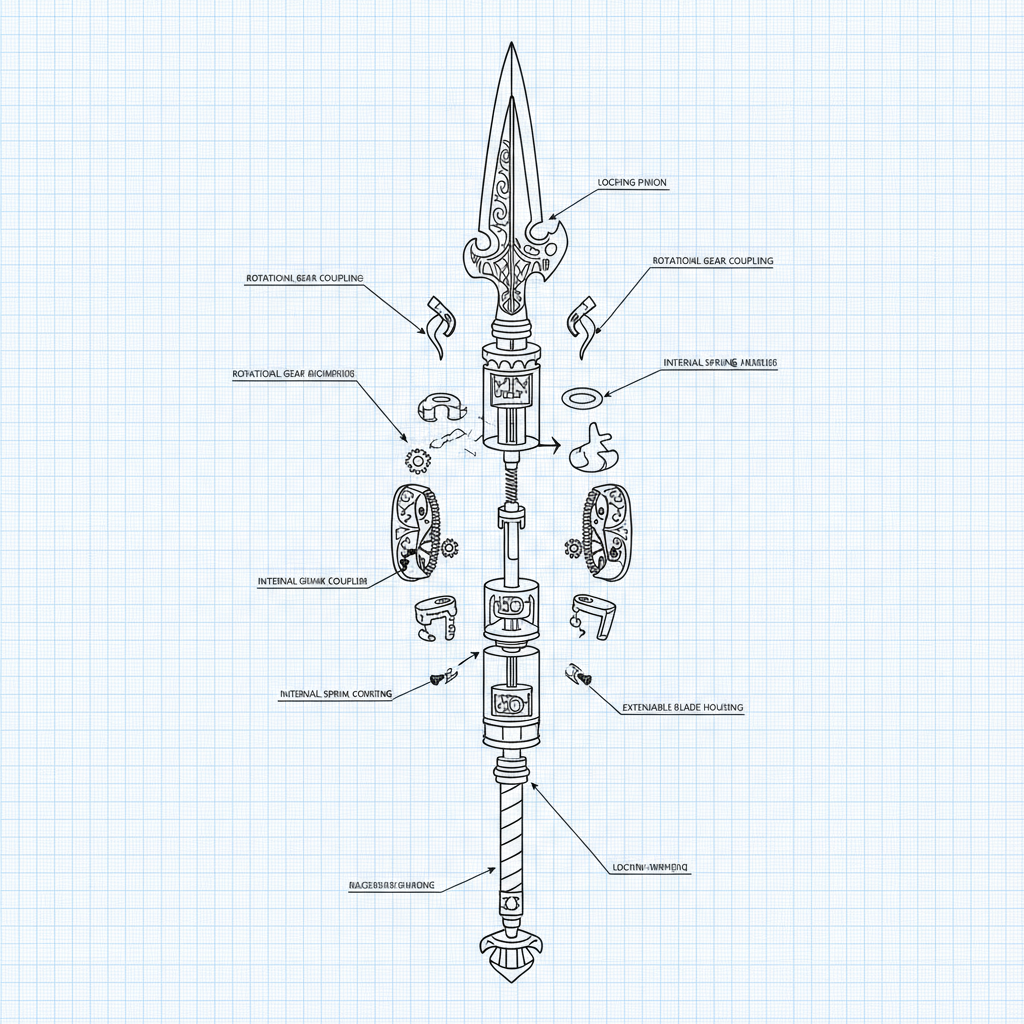
A Historical Perspective on Decorative Spears
The origins of spears date back millennia, initially serving as essential tools for hunting and warfare. Over time, the spear evolved beyond its practical purpose, becoming a symbol of power, status, and defense. Ancient civilizations, including the Greeks, Romans, and Egyptians, incorporated spear-like motifs into their art and architecture. During the medieval period, spears were commonly used as decorative elements on gates, railings, and crests, signifying nobility and protection. The aesthetic appeal of the spearhead – its sharp lines and symbolic form – continues to resonate in contemporary design.
Key Historical Moments: The spear transitioned from a tool of survival to a symbol of power and aesthetic beauty over thousands of years, showcasing its adaptability and enduring appeal.
Materials Used in Decorative Spear Production
The choice of material significantly impacts the appearance, durability, and cost of a decorative spear. Common materials include:
- Iron: Traditionally, iron was the primary material for spearheads, offering strength and a rustic aesthetic.
- Steel: A stronger and more durable alternative to iron, steel allows for finer details and greater resistance to corrosion.
- Aluminum: Lightweight and rust-resistant, aluminum is ideal for outdoor applications where weight is a concern.
- Stainless Steel: Provides excellent corrosion resistance and a modern, sleek appearance.
- Brass/Bronze: Offer a warmer, more luxurious aesthetic, often used for interior decorative elements.
At TJ Iron Casting, we specialize in high-quality iron and steel castings, ensuring both durability and aesthetic appeal.
Design Variations of Decorative Spears
Decorative spears come in a wide array of designs, catering to diverse architectural styles and personal preferences. Some popular variations include:
Practical Applications of Decorative Spears
Beyond their aesthetic value, decorative spears serve several practical purposes. They can be used as:
- Gate Toppers: Adding security and visual appeal to entryways.
- Railing Finials: Enhancing the elegance of staircases and balconies.
- Wall Decorations: Creating focal points in gardens or interiors.
- Fence Posts: Providing a distinctive and protective element to boundaries.
- Architectural Accents: Integrating into building facades for a unique character.
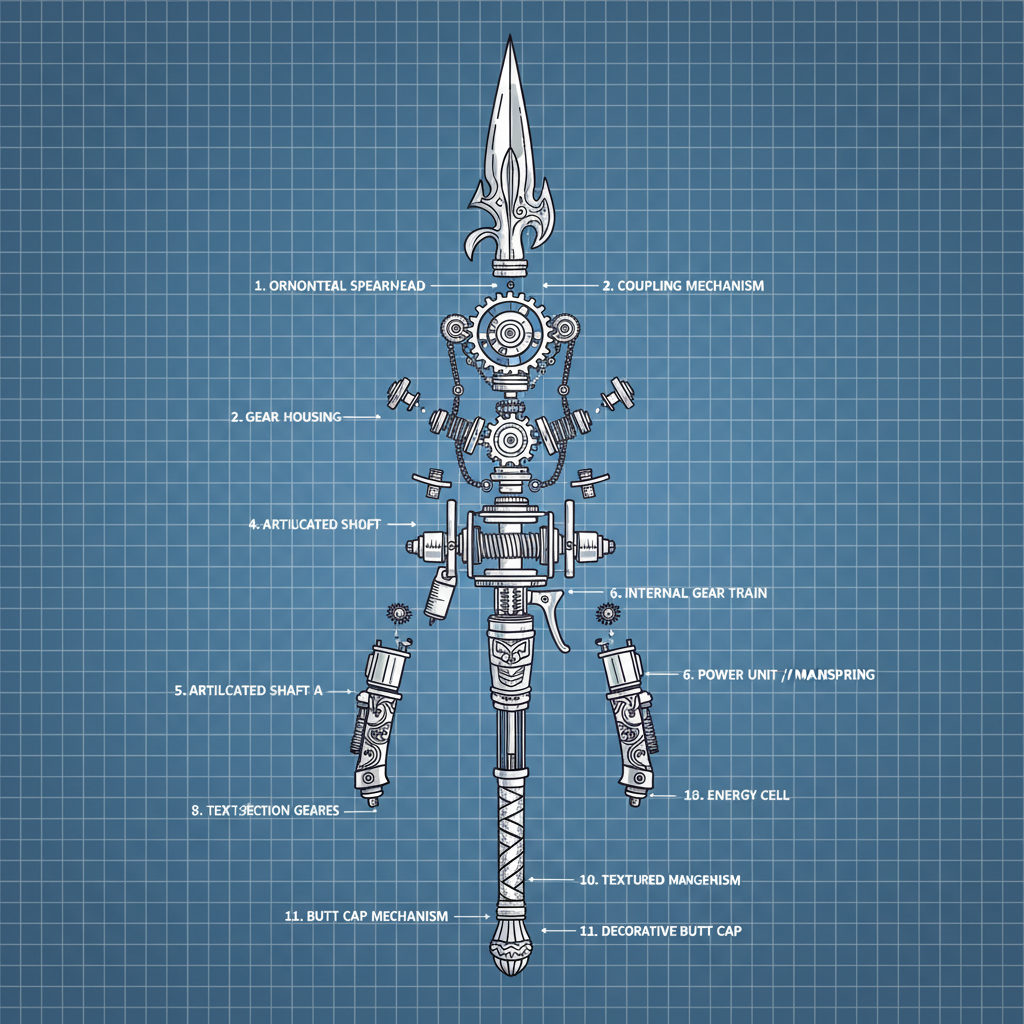
Choosing the Right Decorative Spear: Considerations
Selecting the perfect decorative spear involves considering several factors. These include the architectural style of your property, the desired aesthetic, the climate, and your budget. For outdoor applications, prioritize materials that are resistant to corrosion and weathering. Ensure the spear’s design complements the existing décor and contributes to the overall visual harmony. The size and scale of the spear should also be proportional to its intended location. At TJ Iron Casting, we offer bespoke casting services, allowing you to create truly unique pieces tailored to your specific requirements.
Conclusion: Elevate Your Design with Decorative Spears
Decorative spears offer a timeless blend of artistry and functionality. From their historical roots to their modern applications, these iconic elements continue to enhance the beauty and security of properties worldwide. By carefully considering your design preferences, material choices, and application needs, you can select the perfect decorative spear to elevate your aesthetic and create a lasting impression. Explore the possibilities with TJ Iron Casting for exceptional quality and customized solutions.
Frequently Asked Questions (FAQs)
What is the best material for outdoor decorative spears?
For outdoor applications, stainless steel or galvanized steel are highly recommended. These materials offer excellent resistance to corrosion, rust, and weathering, ensuring longevity and minimal maintenance. Aluminum is another option, being lightweight and rust-resistant, but may not possess the same level of strength as steel. The specific choice will depend on your budget and the desired aesthetic.
Can decorative spears be customized?
Yes, absolutely! Many manufacturers, including TJ Iron Casting, offer bespoke casting services. This allows you to specify the design, size, material, and finish of your spears, creating truly unique pieces that perfectly complement your property. You can provide custom drawings or work with a designer to bring your vision to life.
How do I maintain decorative spears to prevent rust?
Regular maintenance is key to preventing rust. For iron or steel spears, apply a protective coating of paint, varnish, or oil annually. Clean the spears regularly with a mild detergent and water to remove dirt and debris. In coastal areas, more frequent maintenance may be required due to the corrosive effects of saltwater. Stainless steel requires less maintenance but should still be cleaned periodically.
-
Understanding Iron is What Type of Element and Its PropertiesNewsApr.16,2026
-
How to Identify Prevent and Remove Wrought Iron Rust EffectivelyNewsApr.09,2026
-
Enhance Your Property with Durable and Stylish Iron Gate HandlesNewsApr.07,2026
-
Understanding Wrought Iron vs Iron Properties and ApplicationsNewsApr.04,2026
-
Elevate Your Property with Stunning Gate Wrought Iron Design OptionsNewsMar.31,2026
-
The Enduring Appeal of Ornamental Wrought Iron for Elegant DesignNewsMar.28,2026
-
 Aluminum Ally door and window handle
+
-
 Sliding door window wheel rollers
+
-
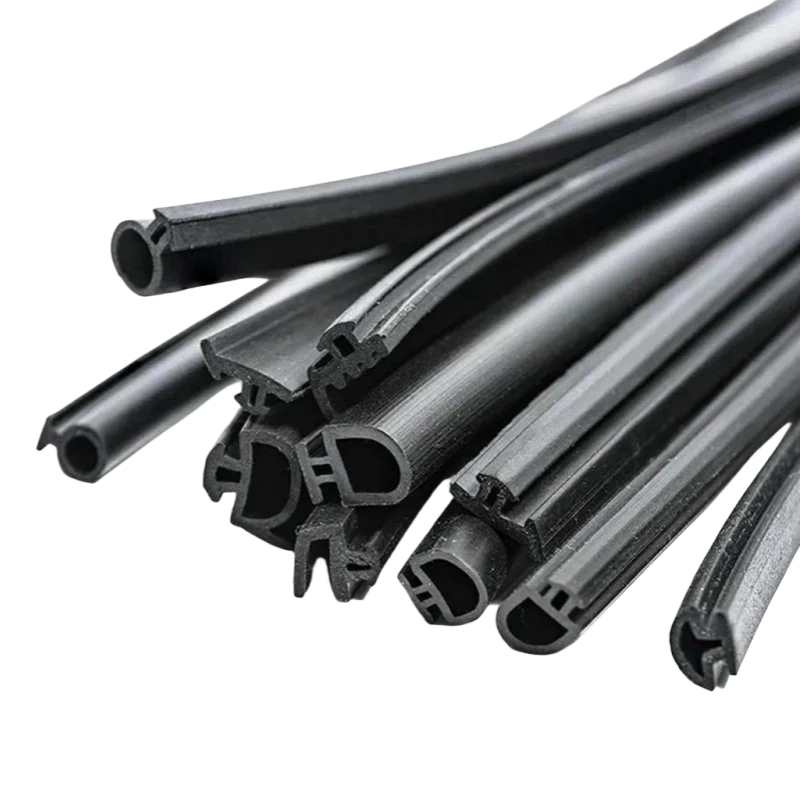 rubber window seal
+
-
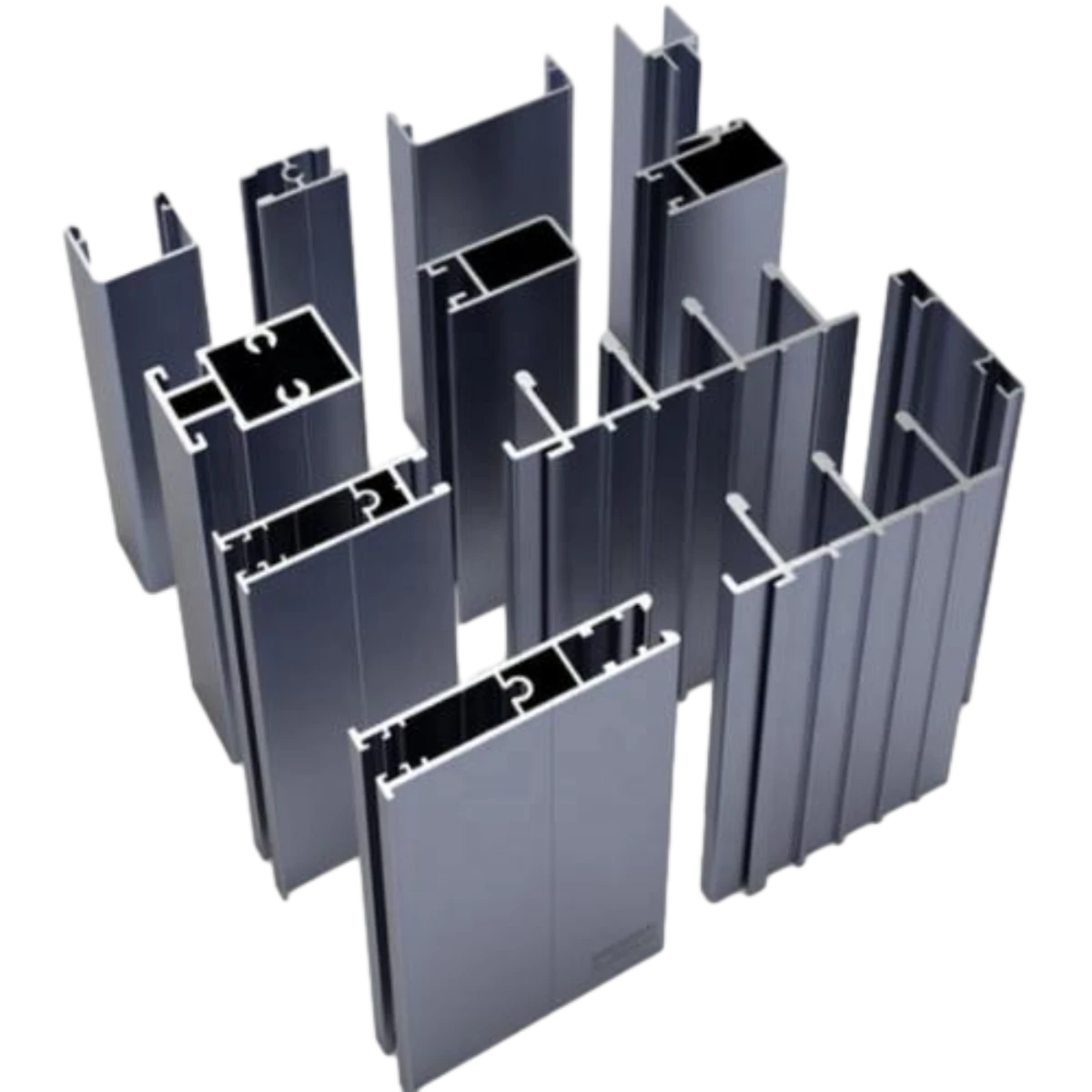 Aluminium Windows Profiles
+
-
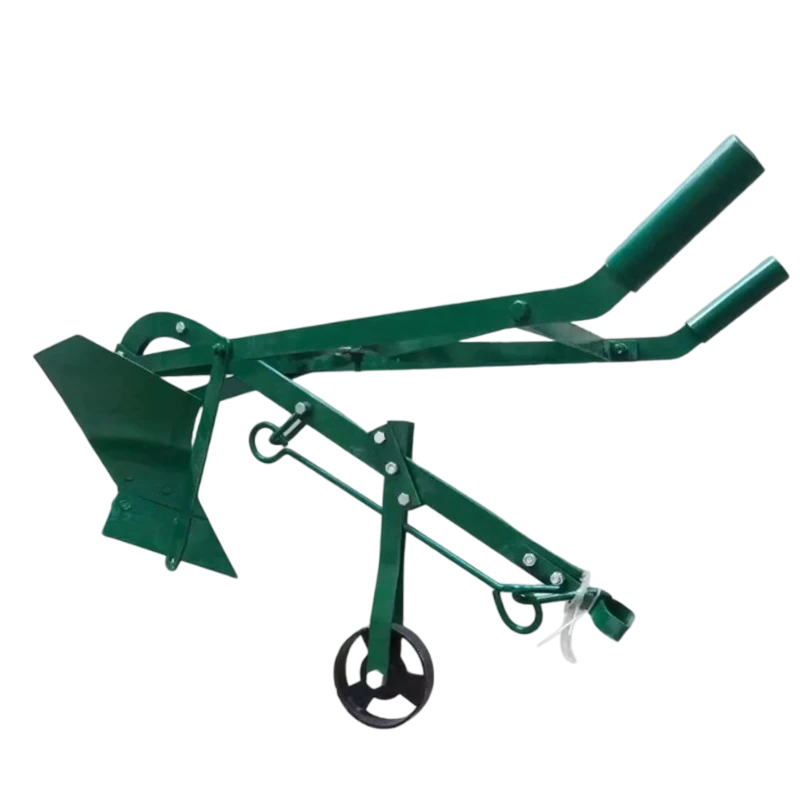 animal drawn plough plows
+
-
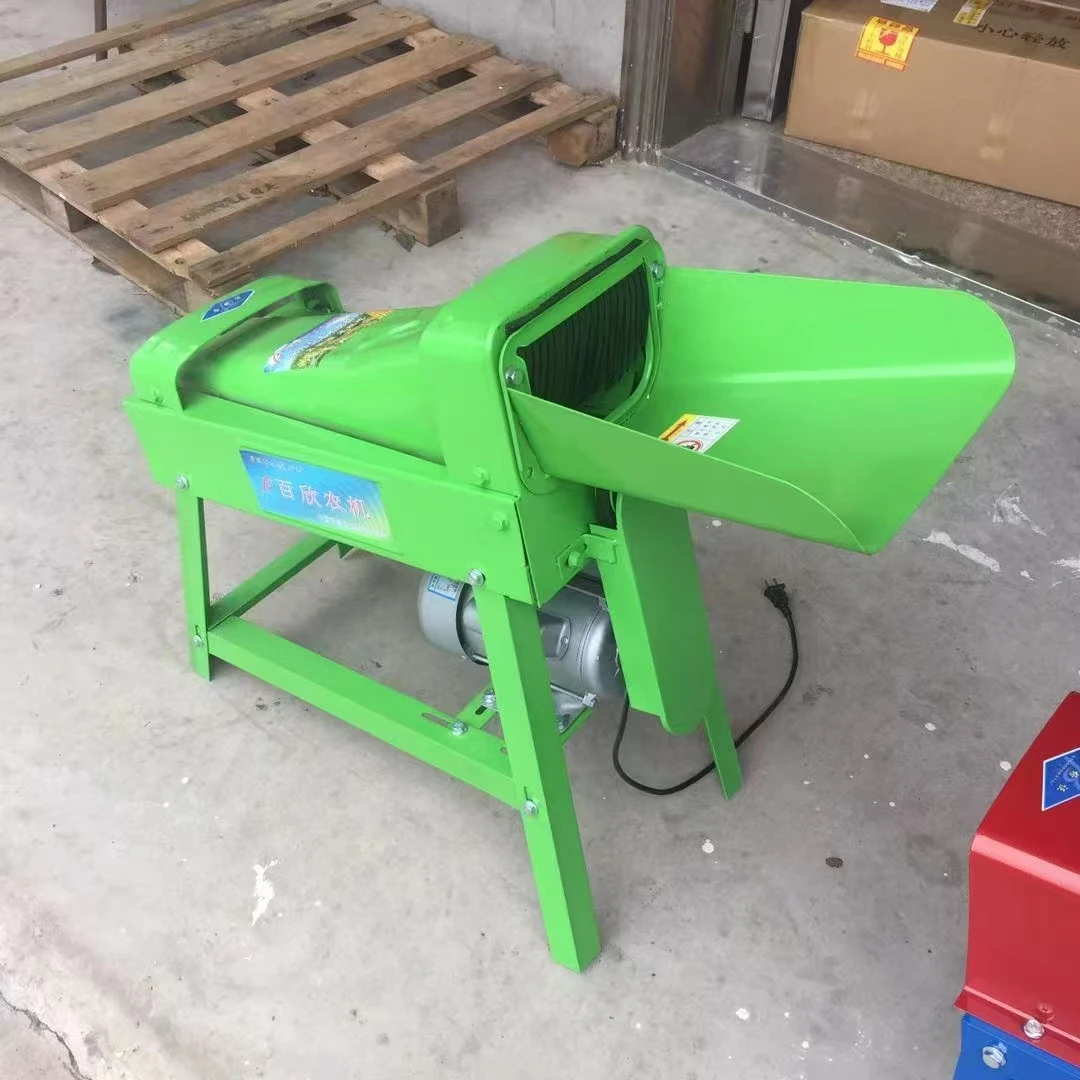 Thresher Machine
+
-
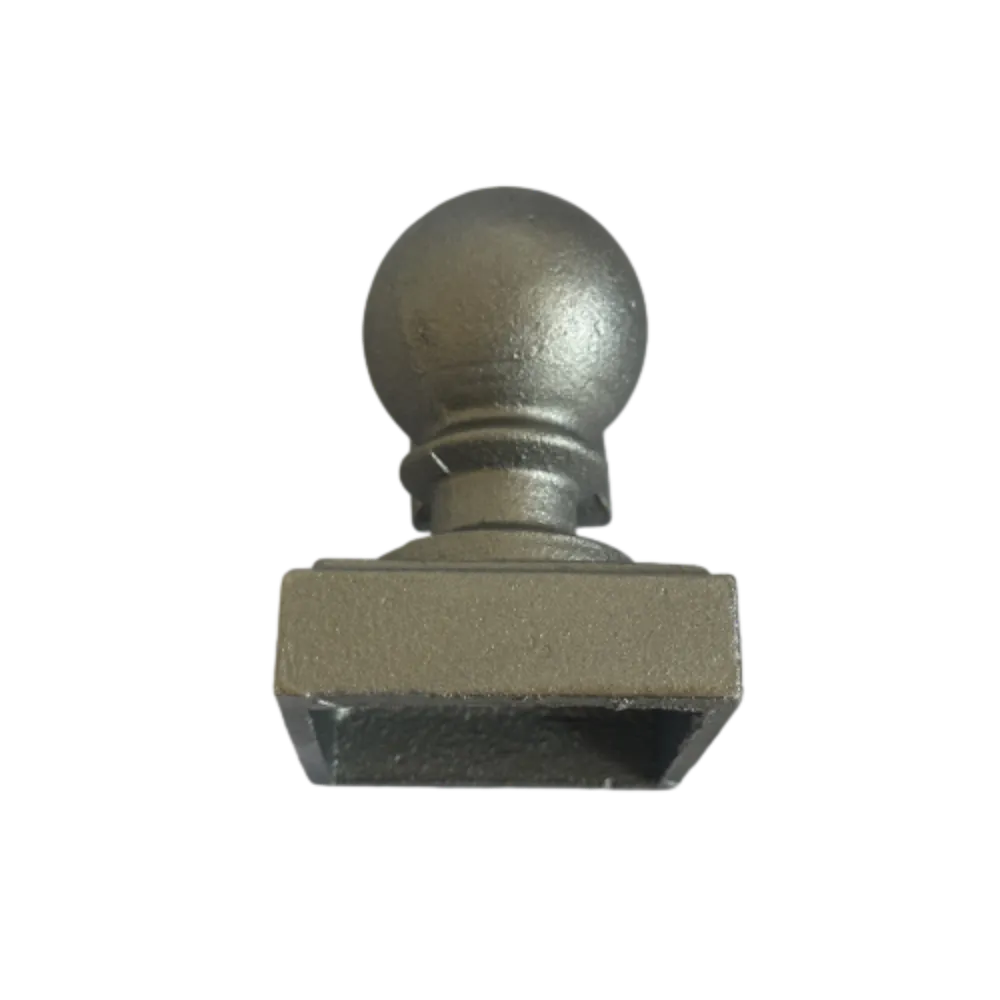 Cast Iron Post Caps
+
-
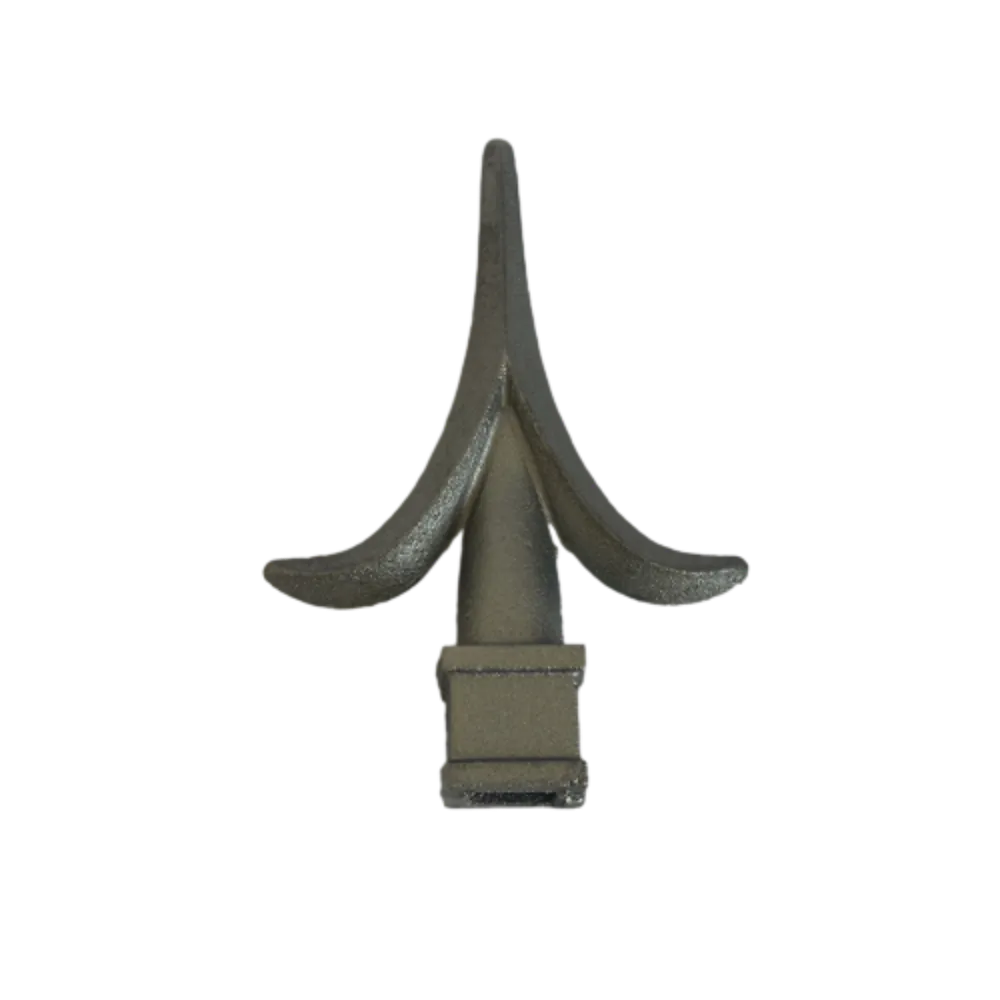 Cast Iron Spear Point Finial
+
-
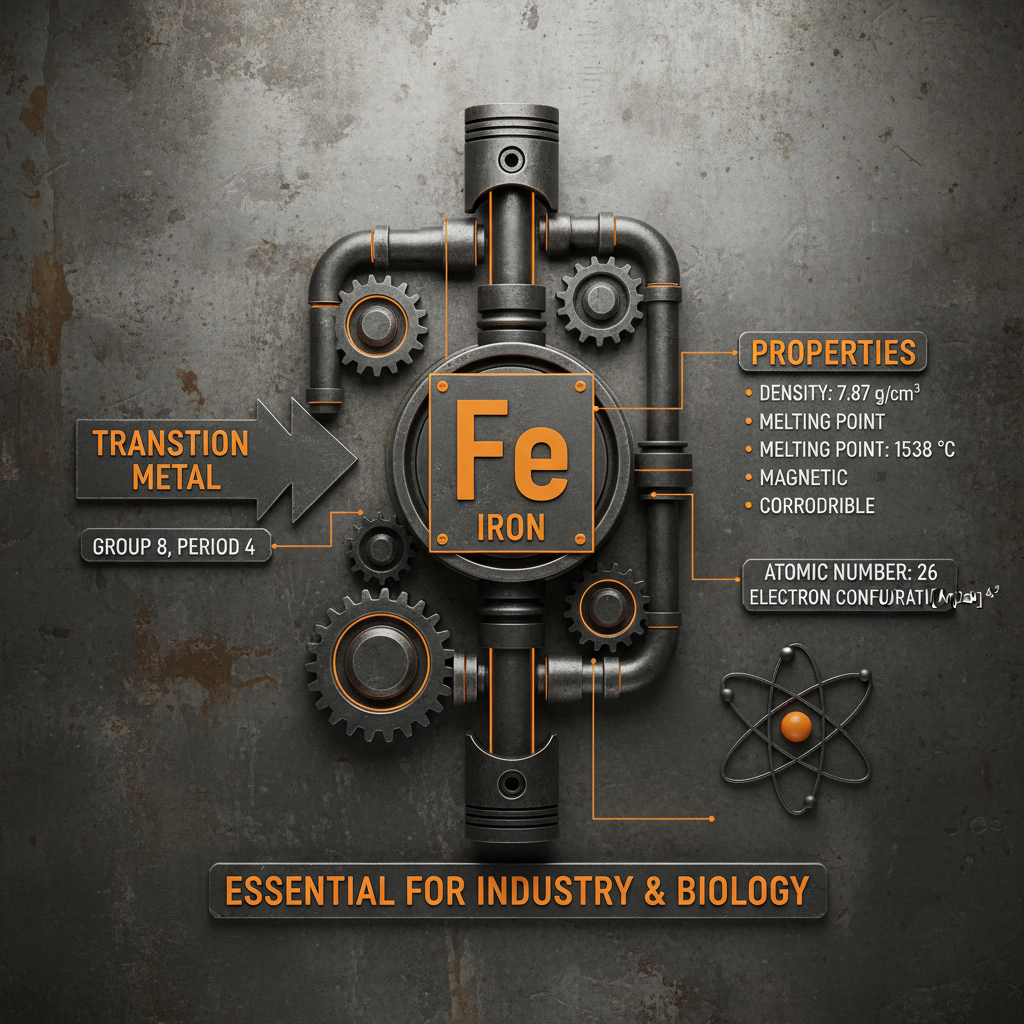 Understanding Iron is What Type of Element and Its PropertiesApr-16-2026Understanding Iron is What Type of Element and Its Properties
 -
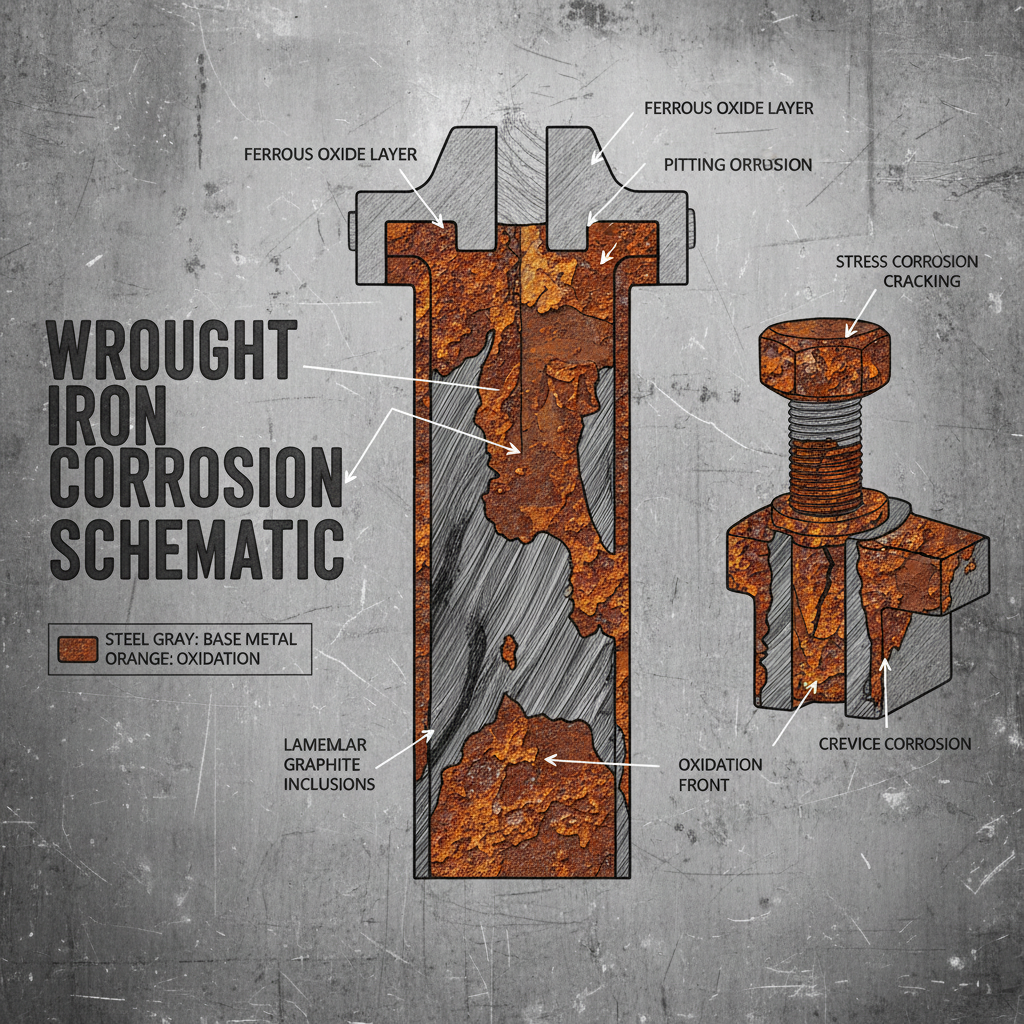 How to Identify Prevent and Remove Wrought Iron Rust EffectivelyApr-09-2026How to Identify Prevent and Remove Wrought Iron Rust Effectively
 -
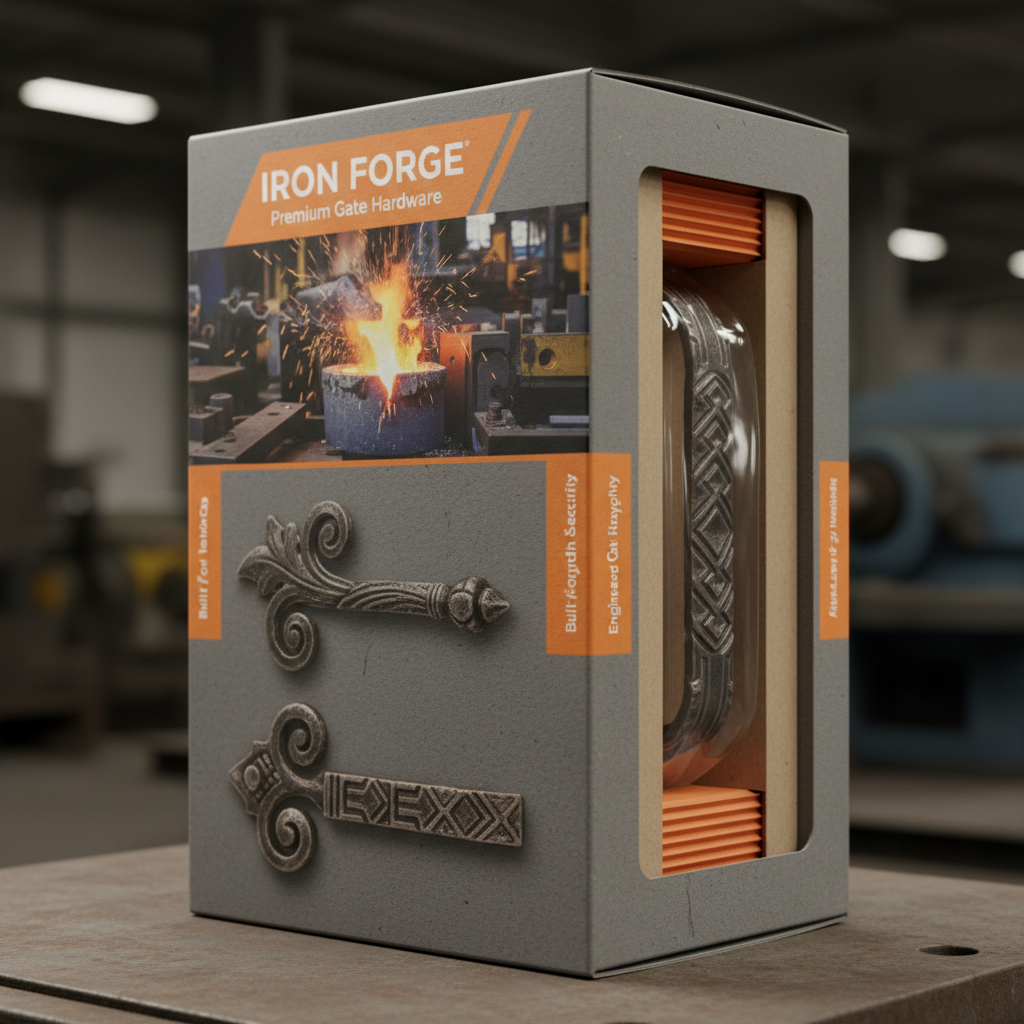 Enhance Your Property with Durable and Stylish Iron Gate HandlesApr-07-2026Enhance Your Property with Durable and Stylish Iron Gate Handles


