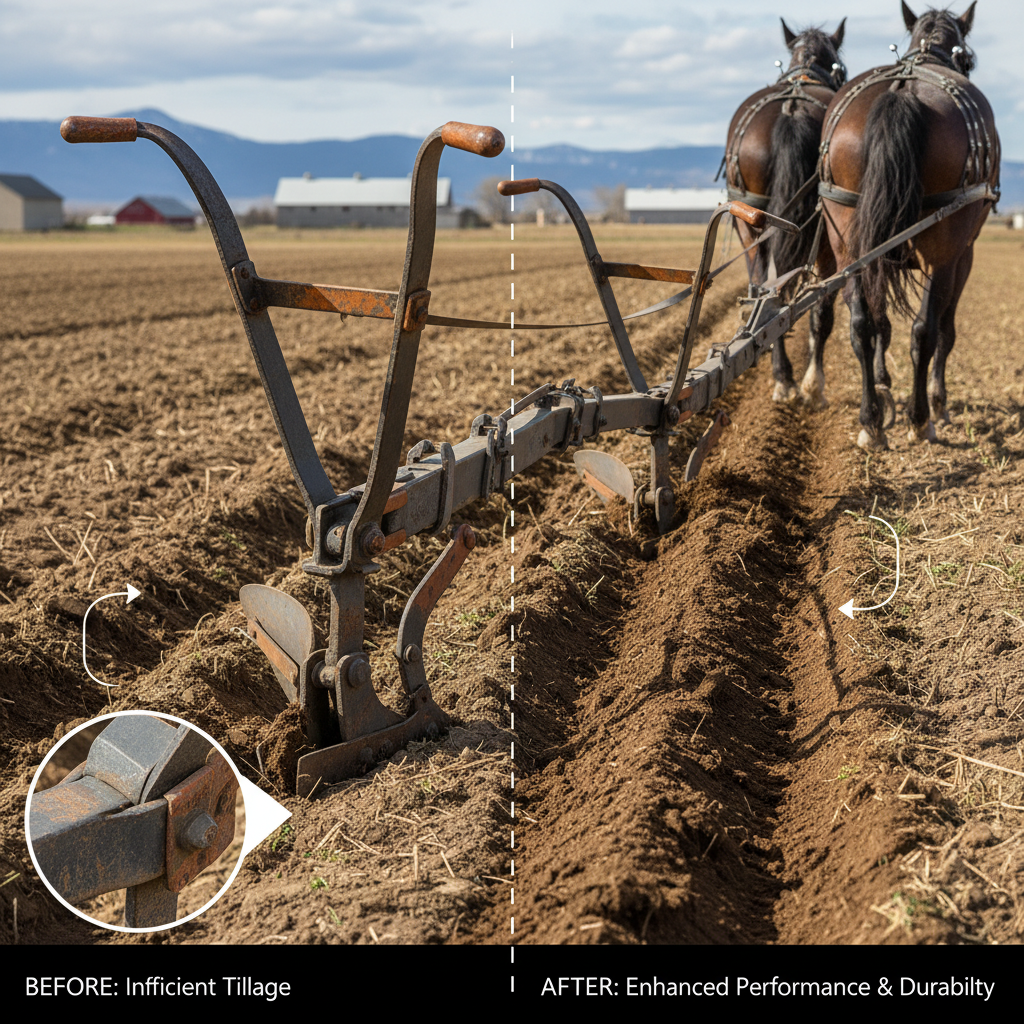
The agricultural landscape continues to evolve, yet the fundamental need for effective soil preparation remains constant. A draught drawn plough serves as a cornerstone of traditional and semi-mechanized farming, bridging the gap between manual labor and heavy industrial machinery. By utilizing animal power or small-scale tractors, these tools ensure that the earth is turned and aerated efficiently, promoting healthier crop yields globally.
Understanding the engineering behind a draught drawn plough is crucial for farmers and equipment manufacturers alike. In many developing regions, these implements are not just tools but lifeline technologies that dictate food security. The balance between the weight of the cast iron components and the ease of movement through diverse soil types determines the overall productivity of the land.
As we look toward sustainable intensification in agriculture, the role of the draught drawn plough is being reimagined. By integrating modern metallurgy—such as high-grade cast iron and reinforced steel—manufacturers are producing plows that last longer and require less draught power, thereby reducing the physical strain on animals and increasing the operational efficiency for the farmer.
Global Relevance of Draught Drawn Plough
On a global scale, the draught drawn plough remains an indispensable asset for millions of smallholder farmers. According to data reflecting agricultural trends in Southeast Asia and Sub-Saharan Africa, a significant portion of the arable land is still managed using animal-drawn implements. The challenge lies in the soil variability; from the heavy clays of the river basins to the sandy loams of the plains, the plough must be adaptable to prevent soil compaction while ensuring deep penetration.
The economic impact of improving these tools is profound. By optimizing the geometry of the mouldboard and the quality of the cast iron, the energy required to pull the plough is reduced. This not only preserves the health of the draught animals but also allows farmers to cover more acreage in less time, directly contributing to the UN's goals of zero hunger and sustainable agricultural development.
Defining the Draught Drawn Plough Mechanism
At its simplest, a draught drawn plough is a farm implement used for primary tillage, designed to be pulled by a draught animal (such as an ox or horse) or a small mechanical tractor. Its primary function is to cut through the soil, lift it, and turn it over, which buries weeds and crop residue while bringing fresh nutrients to the surface. This process is essential for preparing a seedbed that allows for optimal root penetration and water absorption.
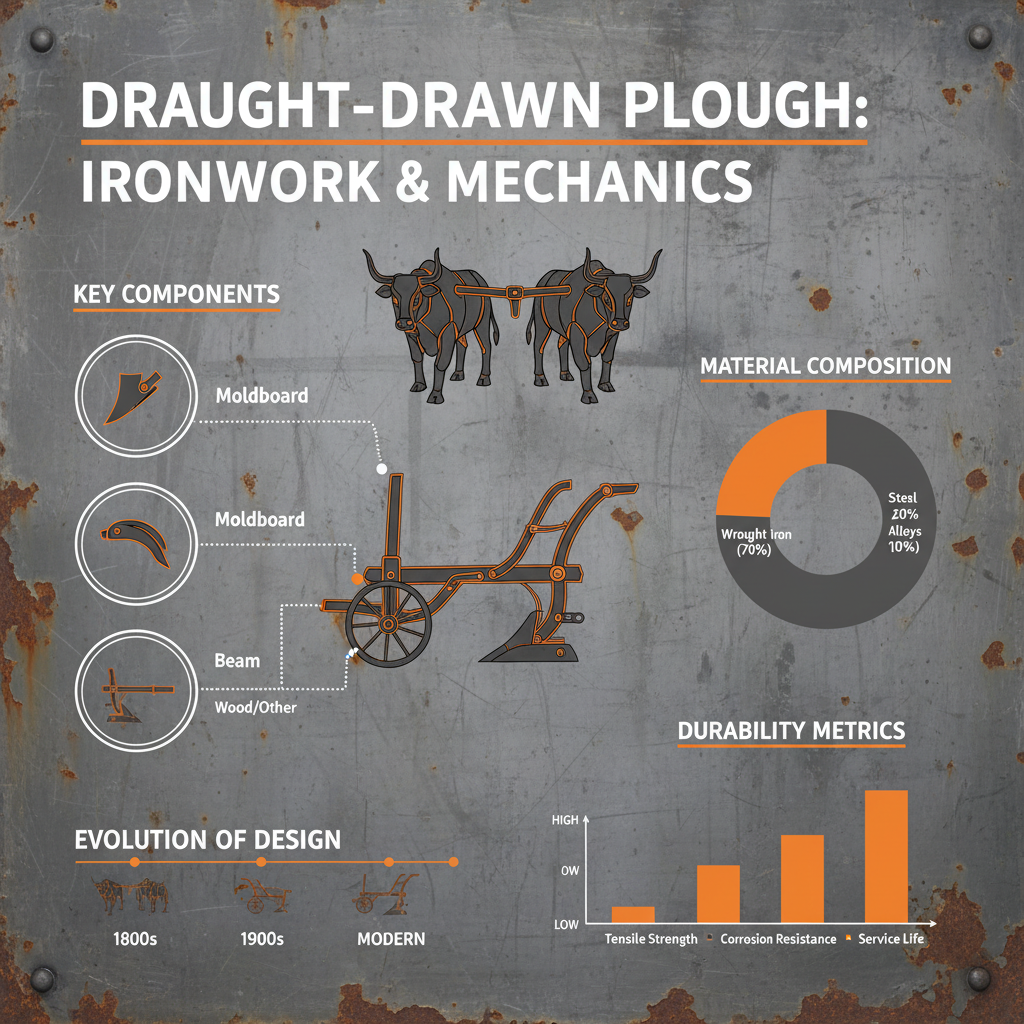
From an industrial perspective, the mechanism involves a complex interaction between the share (the cutting edge), the mouldboard (the curved surface that turns the soil), and the beam (the structural frame). The precision with which these components are cast and aligned determines the "draught"—the amount of force required to move the tool through the earth. A well-designed plough minimizes friction and maximizes the efficiency of the energy transfer from the animal to the soil.
In the modern context, these tools are often integrated into broader humanitarian and developmental programs. By providing high-quality, durable ploughs to remote industrial zones or agrarian communities, organizations can help transition subsistence farmers toward commercial viability. The shift from crude wooden tools to reinforced cast iron draught drawn ploughs marks a critical step in the professionalization of small-scale farming.
Core Engineering Factors for Durability
The longevity of a draught drawn plough depends heavily on the material science applied during production. High-carbon cast iron is typically preferred for the share and mouldboard due to its exceptional abrasion resistance. Since the tool is constantly rubbing against silica and rocks, the surface must withstand intense friction without losing its geometric profile, which would otherwise increase the draught force and exhaust the animal.
Structural integrity is another key factor, particularly the connection between the beam and the plough body. This area experiences the highest stress concentrations. Engineers utilize reinforced casting techniques to ensure that the draught drawn plough can handle the sudden shocks caused by hitting underground obstacles without fracturing. Precision casting ensures a seamless fit, reducing the need for frequent repairs in the field.
Finally, the ergonomic design and adjustability of the tool play a vital role. A plough that allows the operator to adjust the depth and angle of the cut can be used across different soil types. This scalability ensures that a single piece of equipment can serve multiple purposes, from deep autumn ploughing to light spring cultivation, thereby increasing the long-term value for the end-user.
Performance Metrics of Different Plough Types
Evaluating the effectiveness of various draught drawn plough configurations requires a look at specific performance metrics. Different designs, such as the mouldboard plough, the disc plough, and the chisel plough, offer varying levels of soil inversion and draught requirements. For instance, a mouldboard design is superior for weed control but requires more force, whereas a disc plough is better suited for hard, dry soils.
To provide a clear comparison, we analyze the operational efficiency based on soil penetration, ease of pull, and durability. These metrics allow farmers to choose the right tool based on their specific land topography and available draught power.
Efficiency Comparison of Draught Drawn Plough Variations
Global Applications and Regional Use Cases
The application of the draught drawn plough varies significantly across different geographical zones. In the fertile plains of India and Vietnam, these tools are predominantly used for paddy field preparation, where the ability to maintain a consistent depth in saturated soils is paramount. Here, the focus is on light-weight yet strong cast iron that doesn't sink too deeply into the mud.
Conversely, in the more arid regions of East Africa, the draught drawn plough is often used for conservation tillage. In these contexts, the tool is modified to reduce the amount of soil inversion, which helps in retaining moisture and preventing wind erosion. These regional adaptations demonstrate the versatility of the basic plough design when paired with expert metallurgical adjustments.
Long-Term Value and Economic Advantages
Investing in a high-quality draught drawn plough provides tangible economic benefits over time. While lower-grade implements may be cheaper initially, they wear down quickly, leading to increased draught force and higher animal feed costs. A precision-cast iron plough maintains its edge longer, ensuring that the energy expenditure of the draught animal remains constant throughout the season.
Beyond the financial metrics, there is a significant social impact. The reliability of farming equipment builds trust within rural communities and provides a sense of dignity to the farmer. When a tool works consistently, it reduces the stress of the planting season and allows for more predictable crop cycles, which in turn stabilizes local food markets.
Furthermore, from a sustainability angle, the use of animal-drawn plows reduces the reliance on fossil fuels in areas where tractor infrastructure is unavailable or unaffordable. This creates a low-carbon agricultural cycle that is inherently more sustainable for small-scale ecosystems, provided the tools are manufactured using eco-friendly casting processes.
Future Trends in Plough Innovation
The future of the draught drawn plough lies in the intersection of traditional design and advanced materials. We are seeing a move toward "hybrid" materials, where cast iron cores are coated with tungsten carbide or other hard-facing alloys to virtually eliminate wear and tear. This digital transformation in metallurgy allows for the creation of ploughs that are lighter yet stronger than ever before.
Another emerging trend is the integration of simple sensor technology to help farmers monitor soil resistance in real-time. While still in the early stages, "smart" draught tools could provide data on soil compaction, allowing the operator to adjust the depth of the plough to prevent long-term soil degradation. This move toward precision agriculture, even in animal-drawn systems, is a game-changer for sustainable farming.
Lastly, the shift toward green manufacturing is reshaping how these tools are produced. Foundries are increasingly adopting recycled scrap metal and energy-efficient induction melting to produce cast iron components. This ensures that the tool used to nourish the earth is not created at the expense of the environment.
Analysis of Technical Specifications for Modern Draught Drawn Ploughs
| Plough Variant |
Material Grade |
Wear Resistance (1-10) |
Draught Efficiency |
| Standard Mouldboard |
Grey Cast Iron |
7 |
Medium |
| Heavy-Duty Disc |
Alloy Steel Cast |
9 |
High |
| Lightweight Swing |
Ductile Iron |
6 |
Very High |
| Deep-Tillage Chisel |
Manganese Steel |
10 |
Low |
| Adjustable-Width |
Reinforced Iron |
8 |
Medium |
| Eco-Lite Model |
Recycled Cast Iron |
7 |
High |
FAQS
Cast iron offers superior compression strength and better vibration damping compared to some low-grade steels. In the context of a draught drawn plough, the casting process allows for more complex, organic curves in the mouldboard, which helps the soil flow more smoothly, thereby reducing the overall draught force required from the animal.
Regular inspection is key. Use a metal file or a grinding stone to remove burrs and maintain the sharpness of the share. Additionally, applying a thin layer of lubricant or anti-friction coating can reduce the "stickiness" of clay soils, which keeps the draught force low and protects the animal from overexertion.
Yes, many are designed for dual-use. As long as the hitch system is compatible, a draught drawn plough can be pulled by a small tractor. However, it is important to monitor the depth of the cut, as tractors can apply significantly more force than animals, potentially overloading the cast iron frame if not adjusted correctly.
Depending on the soil abrasiveness and maintenance, a high-quality cast iron plough can last between 10 to 20 years. The wear-prone parts, such as the share, are typically designed to be replaceable, meaning the main structural frame of the draught drawn plough can serve multiple generations of farmers.
NGOs typically partner with certified foundries that meet ISO standards to ensure quality. Logistics involve bulk shipping of cast components to reduce costs, followed by local assembly. Ensuring the plough design matches the local soil type (via soil analysis) is the most critical step before large-scale import.
Absolutely. By utilizing animal power, it eliminates carbon emissions associated with diesel engines. When manufactured using recycled cast iron and designed to minimize soil disturbance, the draught drawn plough represents one of the most sustainable methods of primary tillage available today.
Conclusion
The draught drawn plough remains a vital instrument in the global quest for food security and sustainable farming. From its fundamental engineering in cast iron to its adaptability across diverse global terrains, the tool proves that traditional methods, when enhanced by modern metallurgy, can offer a viable and efficient alternative to heavy mechanization. By focusing on durability, draught efficiency, and ergonomic design, we can empower smallholder farmers to maximize their productivity while preserving the health of their land and animals.
Looking forward, the integration of advanced alloys and eco-friendly manufacturing will ensure that the draught drawn plough continues to evolve. We encourage agricultural developers and equipment buyers to prioritize quality casting and precise geometry to achieve the best long-term value. For those seeking professional-grade casting solutions for agricultural implements, we invite you to explore our expertise. Visit our website: www.tjjironcasting.com