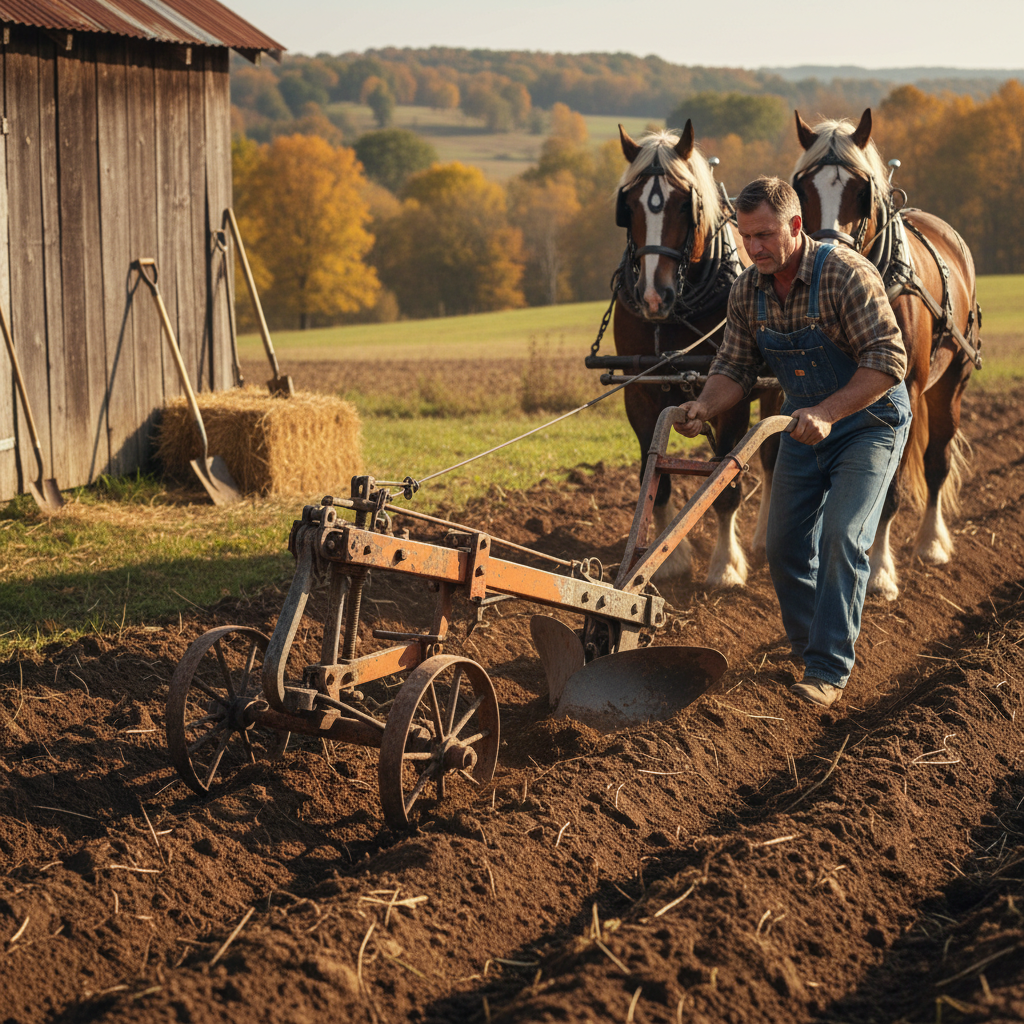
The implementation of a hand drawn plough represents a critical intersection between traditional agricultural wisdom and modern metallurgical precision. In many developing regions, these tools remain the backbone of food security, allowing small-scale farmers to prepare soil efficiently without the need for expensive fuel or heavy machinery. By understanding the mechanics and material science behind these tools, we can enhance productivity and sustainability on a global scale.
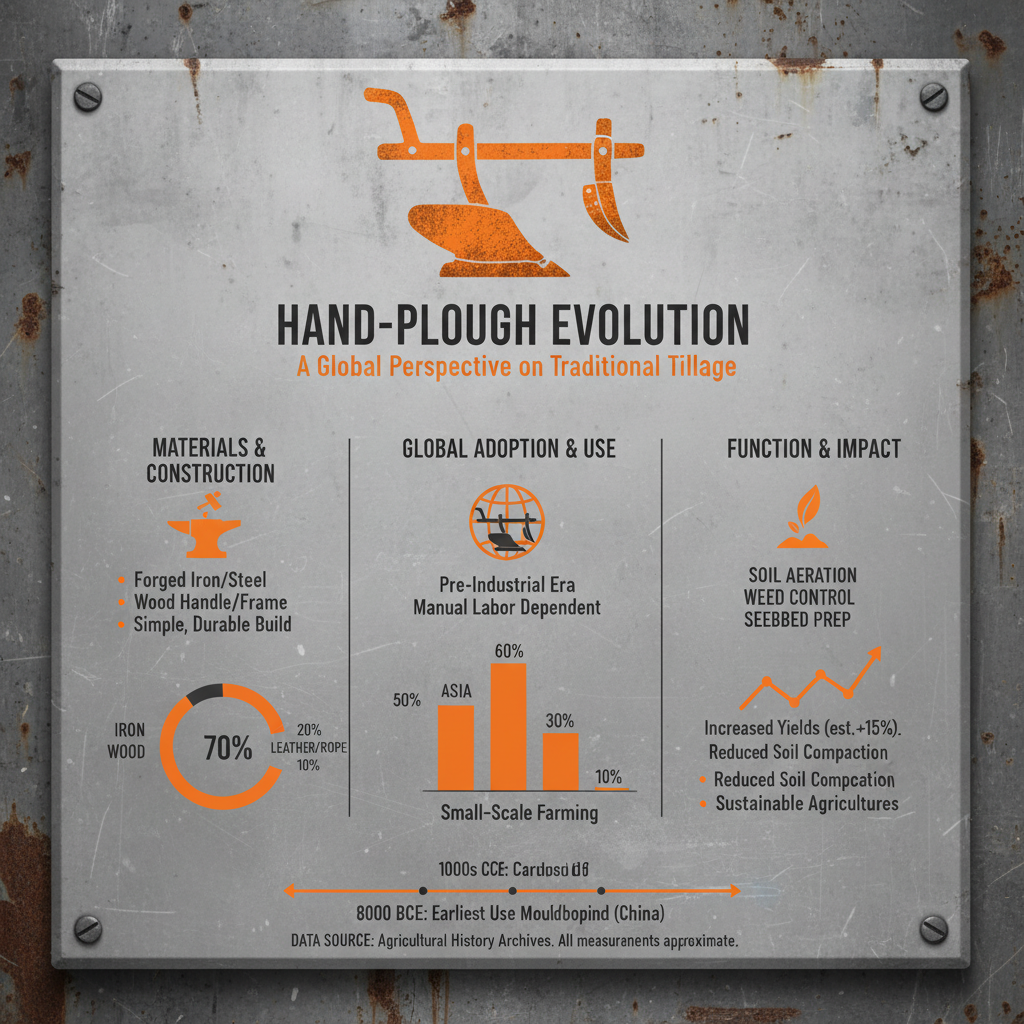
Globally, the reliance on manual tilling tools is not merely a matter of tradition but a necessity driven by geography and economics. According to data from the World Bank and FAO, millions of smallholders in Sub-Saharan Africa and Southeast Asia operate on plots where tractor access is physically impossible. The challenge lies in creating a hand drawn plough that is lightweight enough for human operation yet durable enough to penetrate compacted, nutrient-poor soils.
Modern advancements in cast iron and forged steel have transformed the humble plough from a rudimentary wooden stick into a precision-engineered instrument. Today, the focus has shifted toward ergonomic design and wear-resistant coatings, ensuring that the tool minimizes operator fatigue while maximizing soil aeration. This synergy of old-world application and new-world manufacturing ensures that sustainable farming remains viable for the most vulnerable populations.
Engineering the Durability of Hand Drawn Ploughs
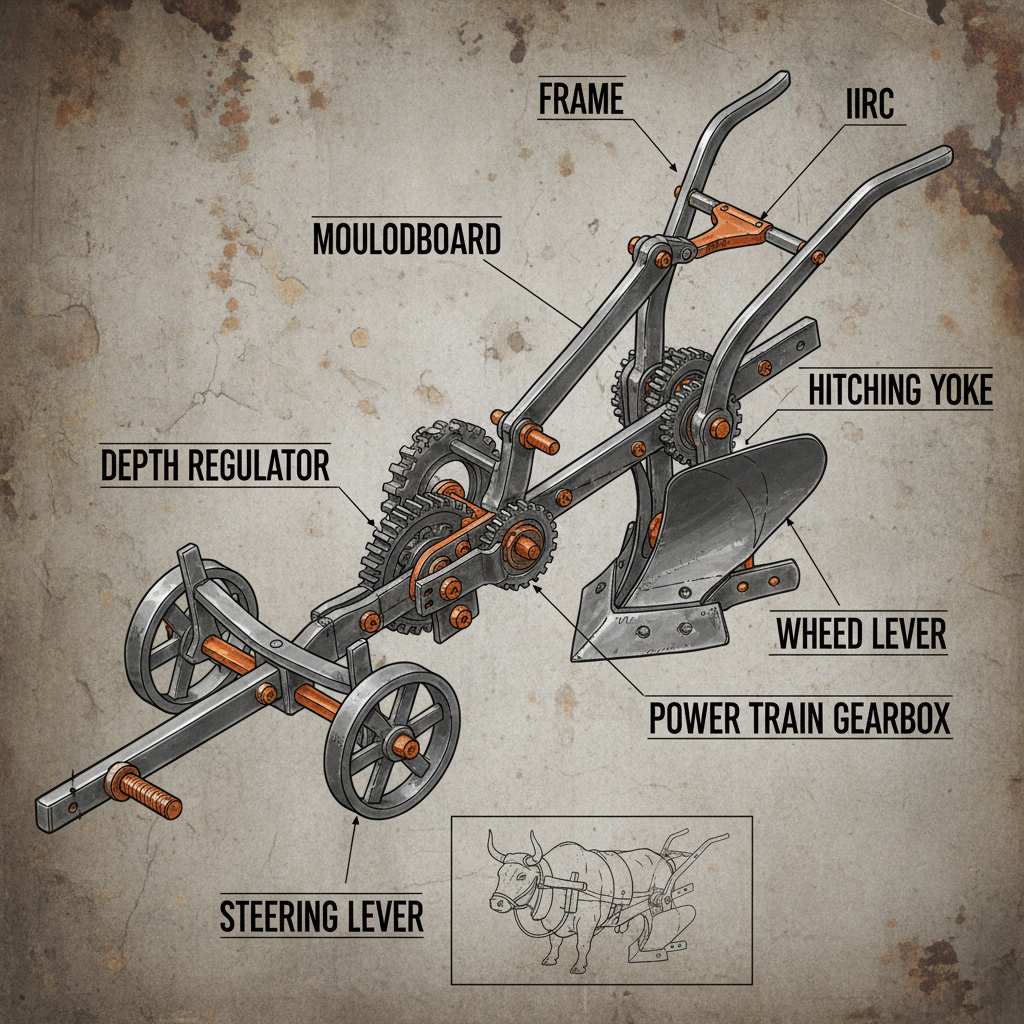
The durability of a hand drawn plough is primarily determined by the structural integrity of its share and moldboard. In the casting process, the use of high-carbon cast iron ensures that the tool can withstand the immense pressure of slicing through dense clay and rocky soils without bending or fracturing. This structural rigidity is essential for maintaining a consistent furrow depth, which directly impacts the quality of seedbed preparation.
Beyond the metal itself, the engineering focus extends to the connection points between the handle and the blade. By utilizing reinforced welding and precision-cast collars, manufacturers can prevent the common failure points that typically plague lower-quality tools. A well-engineered plough reduces the frequency of replacements, thereby lowering the total cost of ownership for the farmer and increasing the overall efficiency of the planting cycle.
Ergonomic Design and Human-Centric Operation
Operating a hand drawn plough is a physically demanding task that requires optimal leverage and balance. Ergonomic design focuses on the angle of the handles and the distribution of weight, ensuring that the operator can apply maximum downward force with minimum spinal strain. By adjusting the center of gravity, the tool can "bite" into the soil more naturally, reducing the raw pulling force required from the user.
The grip interface is another critical component; using moisture-resistant materials or textured cast finishes prevents slipping during humid conditions. When the handle height is optimized for the average user's stature, the rhythmic motion of plowing becomes more sustainable over long hours, significantly reducing the risk of musculoskeletal injuries common in manual agriculture.
Furthermore, the integration of adjustable depth controls allows the farmer to adapt the tool to various soil types—from sandy loam to heavy clay—without needing to change the entire instrument. This flexibility ensures that the hand drawn plough remains a versatile asset capable of handling diverse agricultural needs across different seasons.
Material Selection for High-Abrasion Environments
Selecting the right alloy is paramount for the longevity of a hand drawn plough, especially when dealing with abrasive soils containing high silica content. The choice often falls between grey iron for its damping properties and ductile iron for its superior impact resistance.
The application of specialized heat treatments, such as induction hardening, allows the cutting edge of the hand drawn plough to maintain its sharpness far longer than untreated steel. This prevents the tool from "polishing" over time, which would otherwise increase the friction and effort required to plow.
Additionally, anti-corrosive coatings are essential for tools stored in outdoor or damp environments. By utilizing powder coating or galvanized finishes, the integrity of the hand drawn plough is protected against rust, ensuring a longer lifespan and maintaining the smooth surface required for soil to slide off the moldboard efficiently.
Performance Analysis of Different Tilling Methods
When comparing the efficiency of various hand drawn plough configurations, it becomes evident that the geometry of the blade dictates the energy expenditure of the operator. A narrow, sharp-pointed share is ideal for breaking virgin ground, whereas a wider moldboard is superior for turning over existing crop residue to improve soil organic matter.
The data indicates that the synergy between material hardness and blade angle significantly affects the "draft force"—the force required to pull the tool. By optimizing these variables, we can achieve a higher rate of soil inversion per hour, which is the primary metric for measuring the productivity of a manual tilling system.
Efficiency Rating of Hand Drawn Plough Variants
Global Applications in Small-Scale Farming
The deployment of the hand drawn plough is most prevalent in mountainous terrains where the slope of the land precludes the use of motorized tractors. In regions like the Andes or the highlands of Vietnam, these tools are modified to handle steep inclines, allowing farmers to maintain terrace agriculture and prevent soil erosion.
Furthermore, in post-disaster relief zones where infrastructure has collapsed and fuel is unavailable, the distribution of manual tilling equipment allows displaced populations to restart subsistence farming immediately. The hand drawn plough serves as a tool of empowerment, providing a low-barrier entry to food production and economic recovery.
Long-Term Value and Economic Sustainability
From a financial perspective, the hand drawn plough offers an unbeatable Return on Investment (ROI) for the marginal farmer. Unlike mechanized options, there are no recurring costs for diesel, specialized lubricants, or expensive electronic repairs. The primary investment is the initial purchase, followed by minimal maintenance such as occasional sharpening of the blade.
Beyond the balance sheet, the use of manual tools promotes ecological sustainability. These ploughs do not compact the soil to the extent that heavy machinery does, preserving the soil's natural porosity and aeration. This helps maintain a healthy microbiome, which is essential for long-term crop yields and resistance to pests.
Ultimately, the value of a high-quality hand drawn plough lies in its reliability. In a world of planned obsolescence, a cast-iron tool that lasts for decades provides a sense of security and stability to the farming household, ensuring that the land can be worked regardless of external economic shocks.
Future Innovations in Manual Tillage Technology
The future of the hand drawn plough lies in the adoption of advanced materials science. We are seeing a shift toward the use of lightweight titanium alloys and reinforced composites for handles, which drastically reduce the weight of the tool without sacrificing strength. This allows for longer working hours and reduces the physical toll on the operator.
Digital integration is also making its way into manual tools through the use of "smart attachments." Simple, low-cost sensors can now be attached to the plough to measure soil moisture and compaction levels in real-time, providing the farmer with data-driven insights on when to till and how deep to go.
As the world moves toward "Green Agriculture," the hand drawn plough is being rebranded as a zero-emission alternative to fossil-fuel-dependent farming. By integrating these tools with organic composting and permaculture techniques, we can create a highly efficient, carbon-neutral food system.
Technical Comparison of Hand Drawn Plough Materials and Designs
| Material Type |
Wear Resistance |
Weight Category |
Recommended Soil |
| Grey Cast Iron |
Medium (6/10) |
Heavy |
Soft Loam/Clay |
| Ductile Iron |
High (8/10) |
Medium |
Rocky/Hard Soil |
| Forged Carbon Steel |
Very High (9/10) |
Medium |
Abrasive Sandy Soil |
| Tungsten-Coated Steel |
Extreme (10/10) |
Light |
Frozen/Hard-Packed |
| Alloy Composite |
Medium (7/10) |
Very Light |
Garden/Soft Soil |
| Traditional Iron |
Low (4/10) |
Heavy |
General Purpose |
FAQS
For rocky soil, ductile iron or forged carbon steel is highly recommended. These materials possess superior impact strength compared to grey cast iron, which can be brittle and may crack when hitting a stone. Ductile iron provides the necessary flexibility to absorb shock while maintaining a hard cutting edge for effective soil penetration.
The frequency depends on the soil abrasiveness. In sandy or silty soils, sharpening may be required every 3-4 months of active use. In heavy clay, the edge lasts longer but may require cleaning. We recommend a light filing of the leading edge whenever you notice an increase in the force required to pull the tool through the soil.
Yes, they are versatile tools. They are excellent for root vegetables (like carrots and potatoes) as they provide deep aeration. For grain crops, they help in managing residue and creating a clean seedbed. The only limitation is the scale of the field; for very large acreages, the manual effort may become prohibitive compared to animal-drawn or motorized options.
Many modern professional-grade hand drawn ploughs feature adjustable handles or interchangeable shares. By changing the angle of the blade relative to the ground, the operator can control whether the tool performs a shallow scrape (for weeding) or a deep inversion (for primary tillage), making it a multifunctional tool for the farmer.
The best method is to clean the tool of all soil and moisture, then apply a thin layer of mineral oil or a specialized anti-corrosive spray. Storing the tool in a dry, ventilated area and keeping it off the bare ground (using a rack or hook) will significantly extend its lifespan and keep it ready for the next planting season.
Absolutely. They produce zero carbon emissions, create no noise pollution, and prevent the heavy soil compaction associated with tractors. By preserving the soil structure and relying on human power, they fit perfectly into organic and regenerative farming systems that aim to restore soil health over time.
Conclusion
The hand drawn plough remains an indispensable tool in the global agricultural toolkit, bridging the gap between survival and sustainable prosperity for millions. By combining the timeless principles of soil inversion with modern metallurgical advances in cast iron and forging, these tools provide a reliable, low-cost, and eco-friendly solution for land preparation. From ergonomic improvements that protect the worker to material innovations that resist abrasion, the evolution of the manual plough proves that simplicity, when engineered with precision, is the ultimate sophistication.
Looking forward, the integration of lightweight alloys and data-driven farming will continue to elevate the efficiency of manual tillage. We encourage farmers, NGOs, and agricultural developers to invest in high-quality, durable equipment that empowers the individual and protects the earth. For those seeking industrial-grade casting solutions for agricultural implements, we invite you to explore our expertise. Visit our website: www.tjjironcasting.com