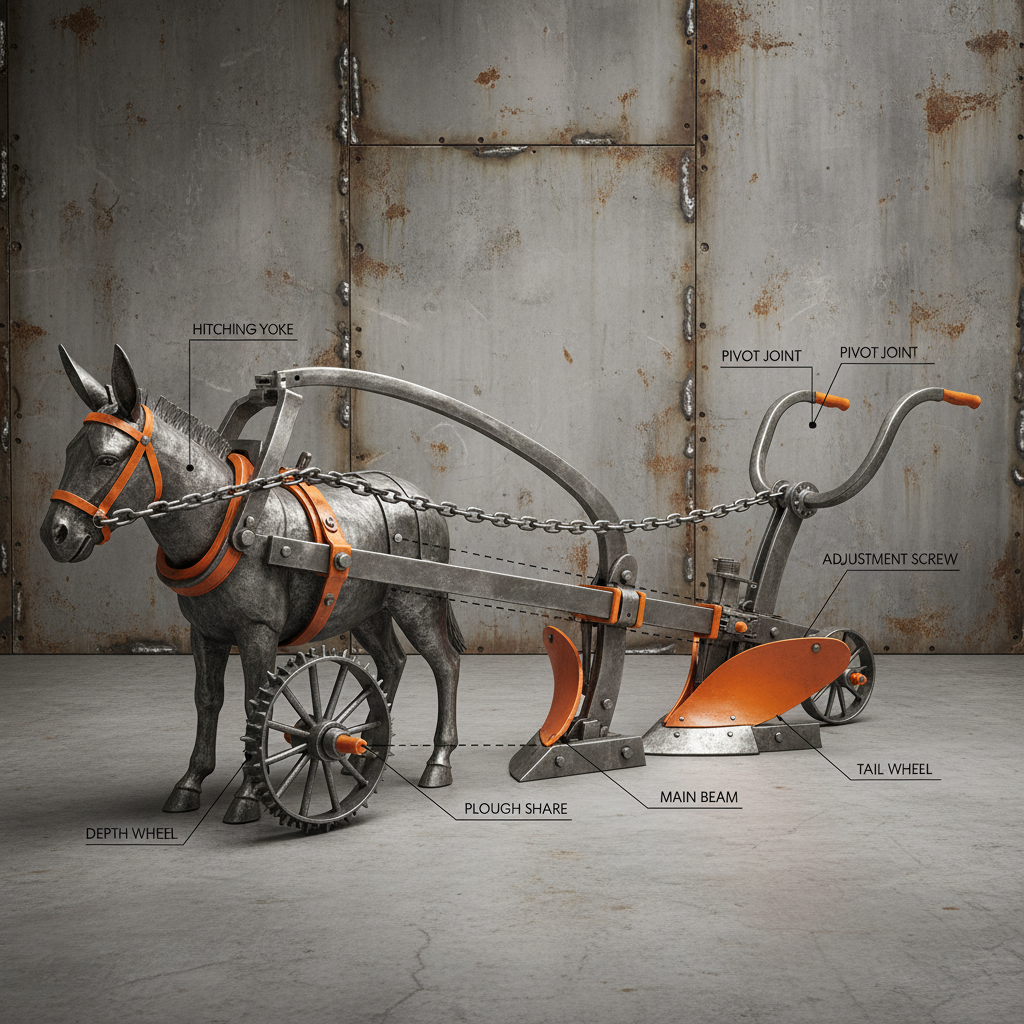
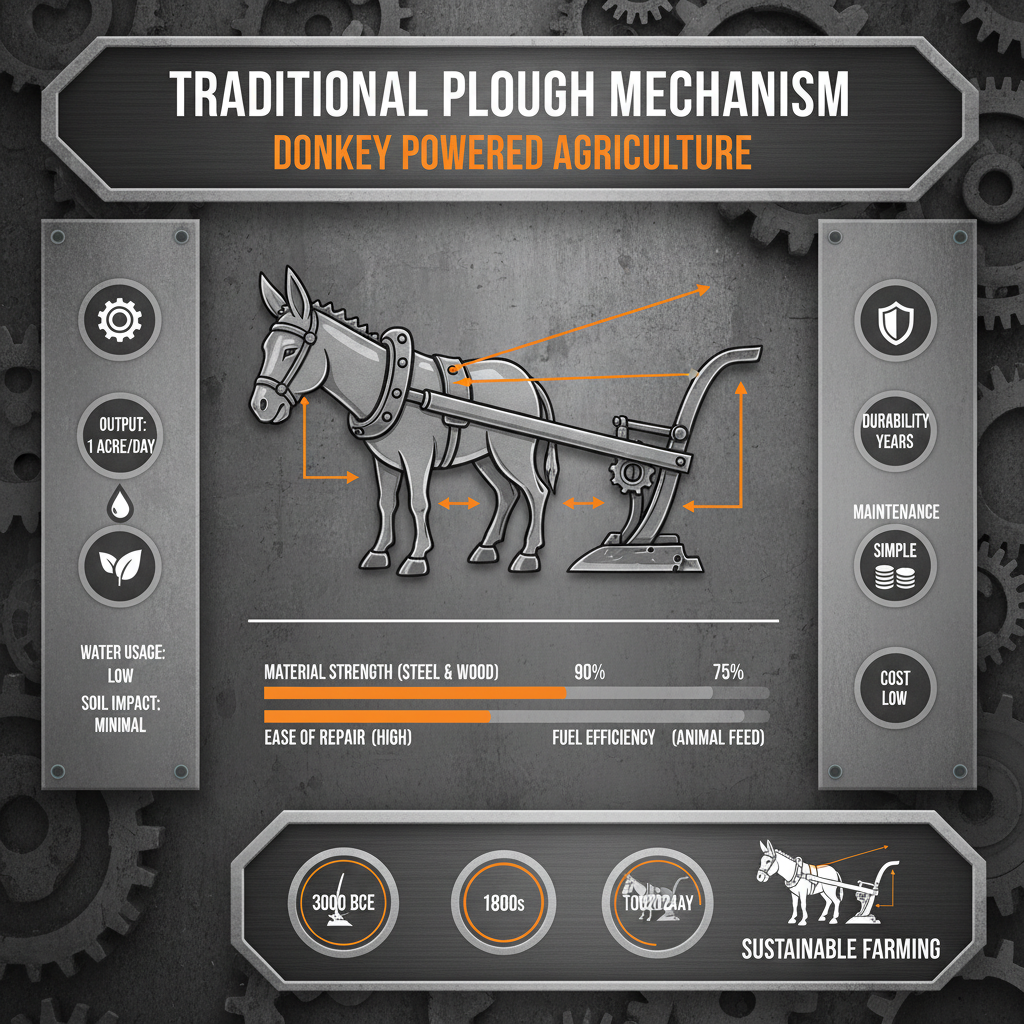
The donkey drawn plough represents a timeless intersection of animal husbandry and agricultural engineering, serving as a primary tool for soil preparation in various small-scale farming ecosystems globally. While industrial mechanization has dominated large-scale agriculture, these traditional implements remain indispensable for farmers in terrains where tractors are impractical or prohibitively expensive, ensuring food security through sustainable land management.
Understanding the mechanics and materials behind a high-quality donkey drawn plough is crucial for optimizing crop yields and reducing the physical strain on both the animal and the operator. By integrating modern metallurgical standards—such as high-carbon cast iron—with traditional designs, these tools can achieve a balance of durability and efficiency that supports regenerative farming practices.
In a world increasingly focused on carbon footprints and sustainable development, the reliance on animal-powered tools like the donkey drawn plough offers a low-emission alternative to fossil-fuel-dependent machinery. This guide explores the technical specifications, global applications, and future innovations of these essential agricultural components from the perspective of precision casting and durability.
The Engineering Principles of Donkey Drawn Plough
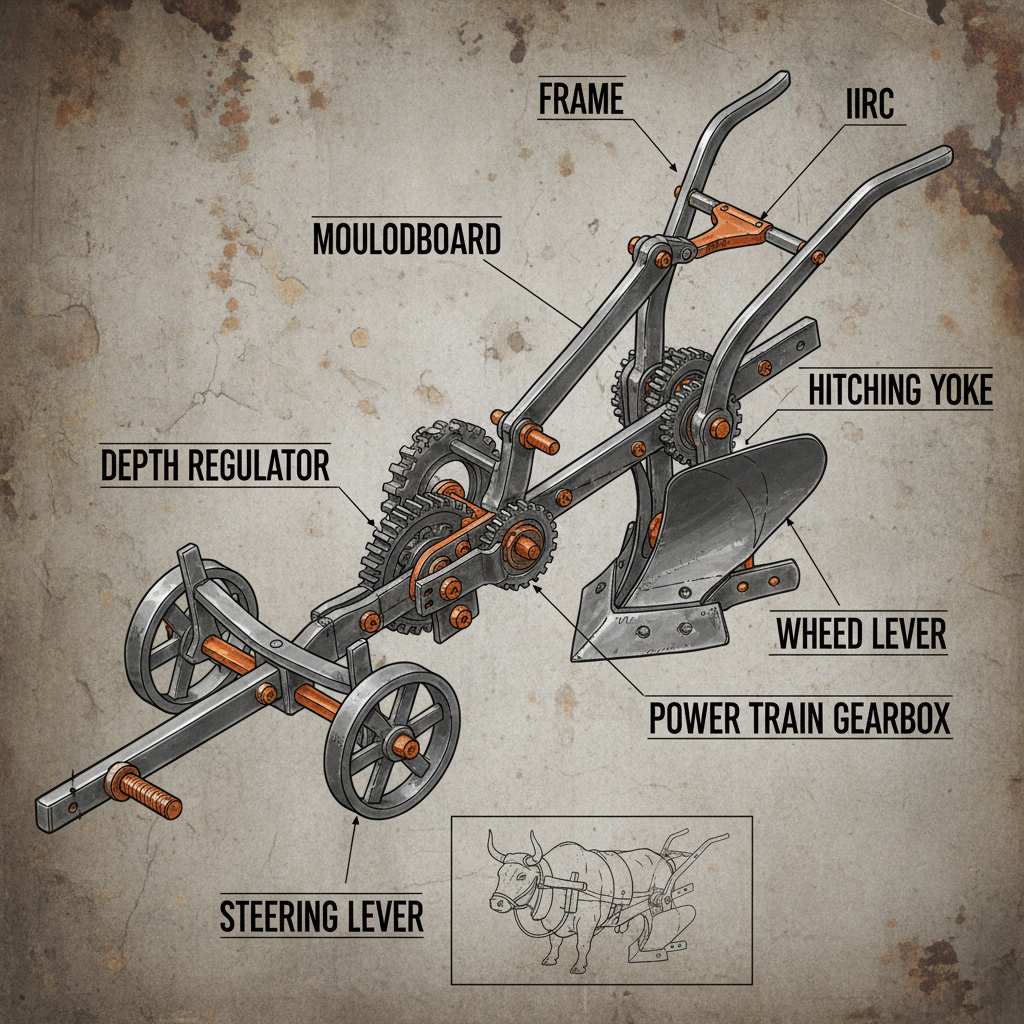
The fundamental engineering of a donkey drawn plough centers on the physics of soil shear and friction reduction. The moldboard is designed to not only cut through the earth but to invert the soil slice, which helps in burying weeds and aerating the root zone. Achieving the correct curvature is essential to ensure that the plough glides through the soil without creating excessive drag, which would otherwise overwork the animal.
From a casting perspective, the structural integrity of the frame must withstand significant lateral pressure. The use of reinforced cast iron ensures that the tool does not warp under the stress of heavy clay or rocky soils. By optimizing the center of gravity, engineers ensure that the plough maintains a consistent depth, reducing the need for constant manual adjustment by the farmer.
Global Relevance and Economic Impact
Across the developing regions of Sub-Saharan Africa and Southeast Asia, the donkey drawn plough remains a cornerstone of rural livelihoods. According to data trends aligned with FAO guidelines, smallholder farmers who transition from hand-hoeing to animal-drawn implements see a significant increase in the area of land they can cultivate per season, directly impacting regional food security and household income.
The economic barrier to entry for motorized tractors is often insurmountable for small-scale farmers due to fuel costs and maintenance requirements. In contrast, the low operational cost of animal-powered tools makes them a sustainable economic choice. The local manufacture of these ploughs using durable cast iron parts also stimulates regional industry and provides a scalable model for agricultural growth.
Furthermore, the deployment of optimized plough designs in remote industrial zones or post-disaster recovery areas allows for the rapid restoration of arable land. By empowering farmers with reliable, low-tech tools, international NGOs can foster self-sufficiency and resilience in communities facing extreme economic volatility.
Core Components and Material Selection
The efficiency of a donkey drawn plough is heavily dependent on the quality of its share and moldboard. These components are typically fabricated from high-grade cast iron to provide the necessary hardness and wear resistance. The share, which is the leading edge that penetrates the soil, must be sharp and resilient to avoid dulling quickly when encountering abrasive stones.
Material selection for the donkey drawn plough frame often involves a balance between weight and strength. While heavy iron provides stability, overly cumbersome tools exhaust the animal. Advanced casting techniques now allow for thinner wall sections that maintain structural rigidity, thereby increasing the efficiency of the animal's pull.
Finally, the hitching mechanism and handles are designed for ergonomic control. The handles allow the operator to steer the donkey drawn plough and manage the depth of the furrow. By using corrosion-resistant coatings or specific alloy compositions, manufacturers ensure that these tools can survive years of exposure to moisture and soil acidity.
Performance Metrics and Efficiency Analysis
When evaluating the performance of a donkey drawn plough, experts look at the "draft force"—the amount of pull required to move the tool through the soil. A well-designed plough minimizes this force through aerodynamic soil flow and polished surfaces, allowing a single donkey to cover more ground with less fatigue.
Comparing different design iterations shows that the geometry of the moldboard is the primary variable in efficiency. By testing various angles and curvatures, manufacturers can tailor the plough to specific soil types, whether it be sandy loam or heavy clay, ensuring maximum productivity for the user.
Efficiency Rating of Various Donkey Drawn Plough Designs
Practical Applications in Diverse Terrains
The versatility of the donkey drawn plough makes it ideal for mountainous regions where the steep incline and narrow paths make tractor use impossible. In these settings, the agility of the donkey combined with a compact, cast-iron plough allows farmers to cultivate terrace farms efficiently.
In arid regions, such as parts of the Middle East or Northern Africa, these ploughs are used for shallow tillage to preserve soil moisture. By adjusting the depth of the donkey drawn plough, farmers can prevent the evaporation of precious subsurface water while still preparing the seedbed for planting.
Long-term Sustainability and Value
From an environmental perspective, the donkey drawn plough is a champion of carbon-neutral farming. Unlike diesel tractors that emit greenhouse gases and compact the soil, animal-drawn tools preserve the soil structure and integrate organic matter more naturally. This promotes long-term soil health and biodiversity.
The reliability of cast iron components ensures a lifespan that can span decades if properly maintained. This long-term value reduces the waste associated with "disposable" agricultural tools and provides the farmer with a dependable asset that does not require expensive electronics or proprietary software to operate.
Beyond the logic of cost, there is a social dimension of dignity and independence. Owning a durable donkey drawn plough allows smallholders to manage their own production cycles without relying on expensive rental services or government-funded machinery cooperatives.
Future Innovations in Casting Technology
The future of the donkey drawn plough lies in the adoption of advanced metallurgy and 3D simulation. By using Finite Element Analysis (FEA), engineers can now identify stress points in the plough frame and reinforce them with specific alloys, reducing overall weight while increasing strength.
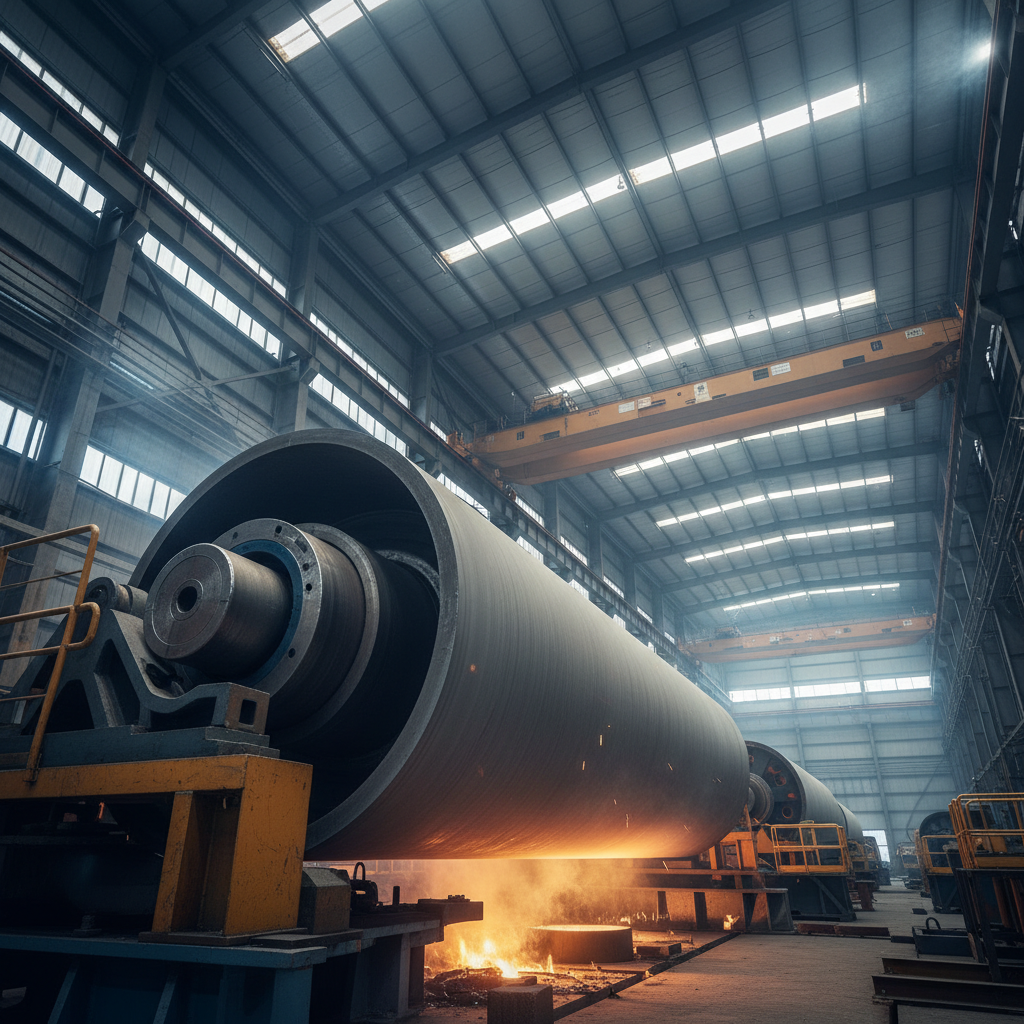
Sustainable casting processes, such as the use of recycled iron scrap and green foundry practices, are making the production of these tools more eco-friendly. The integration of modular parts—where the share can be easily swapped for different soil types—is increasing the versatility of a single tool for various farming conditions.
Furthermore, the fusion of traditional design with modern coatings, such as tungsten carbide tipping, is drastically reducing the wear and tear on the donkey drawn plough. This innovation extends the time between sharpenings and enhances the overall productivity of the farming operation.
Analysis of Material and Design Iterations for Donkey Drawn Ploughs
| Material Type |
Durability Score (1-10) |
Weight Efficiency |
Recommended Soil |
| Standard Gray Iron |
7 |
Medium |
Soft Loam |
| High-Carbon Cast Steel |
9 |
High |
Hard Clay |
| Ductile Iron Alloy |
8 |
High |
Rocky Terrain |
| Coated Mild Steel |
6 |
Very High |
Sandy Soil |
| Tungsten-Tipped Iron |
10 |
Medium |
Abrasive Soils |
| Recycled Composite Iron |
7 |
High |
General Purpose |
FAQS
Cast iron offers significantly higher durability and wear resistance. Unlike wooden ploughs, which rot over time and struggle with hard soils, a cast iron donkey drawn plough can penetrate deeper and last for decades. It also provides a sharper cutting edge, which reduces the draft force required from the animal, making the plowing process more efficient and less exhausting.
Regular maintenance involves cleaning the moldboard after each use to prevent soil acidity from corroding the metal. Periodically sharpening the share with a metal file ensures clean cuts. Additionally, applying a thin layer of oil or protective paint to the frame prevents rust during the off-season, ensuring the tool remains structurally sound for years.
Yes, but the design must be tailored. For heavy clay, a narrower, sharper share is needed to reduce resistance. For sandy soils, a wider moldboard helps in better soil inversion. Most professional manufacturers offer different configurations of the donkey drawn plough to ensure optimal performance regardless of the geological composition of the farm.
Absolutely. The hitching points and handle lengths can be adjusted to accommodate different sizes of donkeys or mules. Customizing the height and angle of the drawbar ensures that the animal is pulling from the most efficient anatomical position, reducing the risk of injury to the animal and improving the stability of the plough.
In terms of total cost of ownership, yes. While mini-tractors offer more speed, they require fuel, expensive spare parts, and specialized technical knowledge for repair. A donkey drawn plough has nearly zero operational cost and can be repaired by a local blacksmith, making it the most cost-effective solution for small-scale, sustainable farming.
Organizations can partner with specialized foundries that offer bulk manufacturing and standardized shipping. By specifying the soil conditions of the target region, NGOs can ensure the correct model of donkey drawn plough is delivered. Many suppliers provide flat-pack options to reduce shipping costs and allow for easy assembly upon arrival in the field.
Conclusion
The donkey drawn plough is far more than a relic of the past; it is a sophisticated tool of survival and sustainability. By combining traditional agricultural wisdom with modern cast-iron metallurgy, we can provide small-scale farmers with a reliable, low-cost, and eco-friendly means of soil preparation. From the precise curvature of the moldboard to the durability of the frame, every engineering detail contributes to the overall productivity and resilience of rural farming communities.
Looking forward, the continued innovation in casting materials and ergonomic design will only enhance the value of animal-drawn implements. As the world pivots toward regenerative agriculture and carbon-neutral practices, the donkey drawn plough stands as a testament to the power of appropriate technology. We encourage agricultural developers and farmers to invest in high-quality, precision-cast tools to ensure a sustainable and food-secure future. Visit our website: www.tjjironcasting.com