

Exploring the Essential Parts of a Spear and Their Historical Significance
Understanding the Parts of a Spear
A spear, one of humanity’s oldest tools, is more than just a pointed stick. Its effectiveness lies in the careful combination of several key components. From hunting and warfare to ceremonial purposes, the spear has been instrumental throughout history. This article will dissect the anatomy of a spear, exploring the function of each component, and its contribution to the weapon’s overall performance. Understanding these parts is crucial for appreciating the engineering and craftsmanship behind this timeless tool.
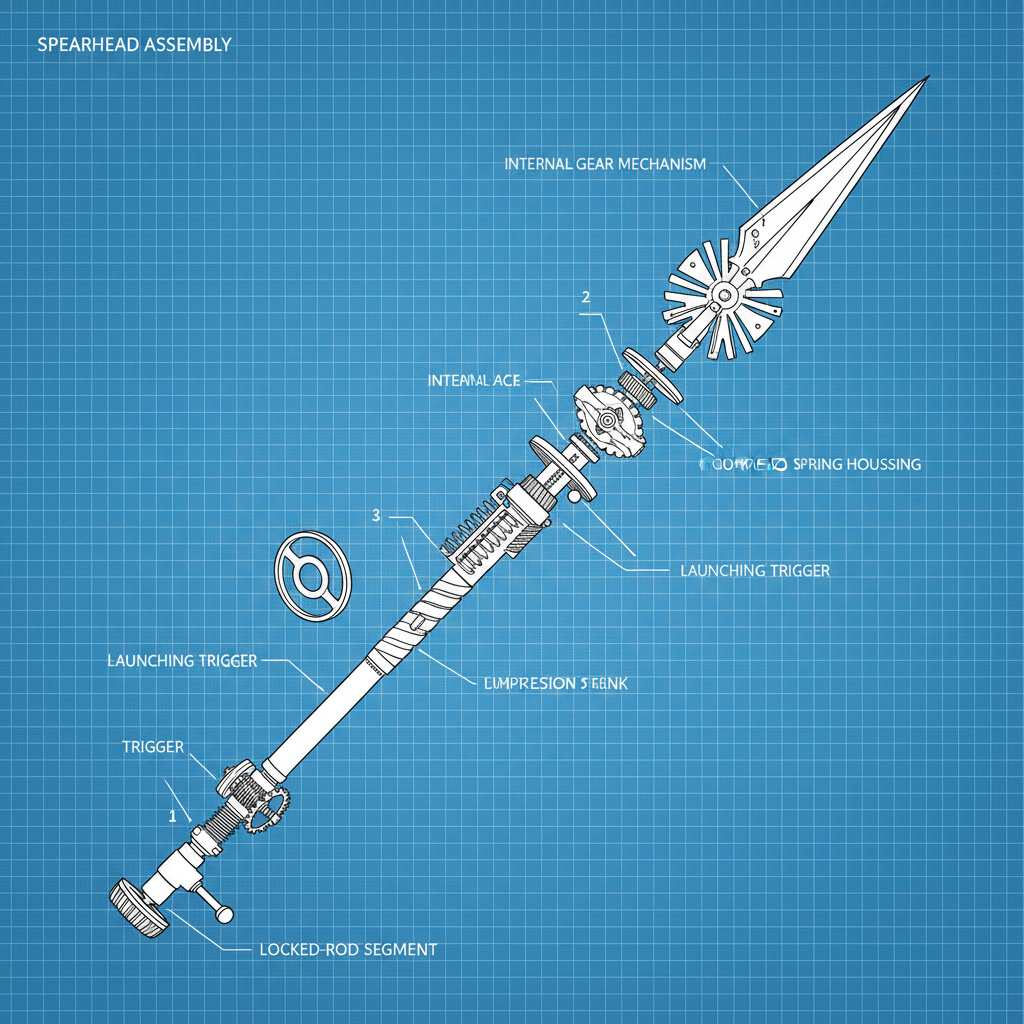
The Spearhead: The Point of Impact
The spearhead is arguably the most important part of the spear. It’s the business end, responsible for penetration and inflicting damage. Spearheads come in a wide variety of shapes and materials depending on their intended use. Traditionally, they were crafted from flint, obsidian, bone, or metal (bronze, iron, steel). The shape varies from leaf-shaped for general purpose to barbed for greater retention in the target. A well-crafted spearhead, often created through intricate casting processes – a specialty of iron casting manufacturers – is essential for maximizing the spear’s effectiveness.
The Socket or Tang: Connecting Point
The socket or tang is the section of the spearhead that attaches to the shaft. There are two main types: socketed spearheads, which slip over the shaft, and tang spearheads, which are inserted into the shaft. Socketed heads offer greater strength and ease of replacement, while tang heads, often secured with resin or binding, were common in earlier designs. The reliability of this connection is vital – a loose head renders the spear useless, and even dangerous to the wielder.
The Shaft: Providing Length and Leverage
The shaft forms the bulk of the spear, providing length and leverage. It's typically made from wood, though bamboo, reeds, or even composite materials can be used. The length of the shaft dictates the spear’s reach and the amount of force that can be generated. A longer shaft increases reach but can be harder to control. The shaft’s straightness and strength are paramount, influencing accuracy and preventing breakage upon impact. Choosing the right wood, and properly seasoning it, is key to a durable spear.
The Butt: End of the Spear & Balance
The butt is the rear end of the shaft. While often simple, the butt can be weighted or reinforced to improve balance and durability. In some designs, the butt is fitted with a metal cap to prevent splitting or wear. A well-balanced spear is easier to wield and more accurate. The butt also provides a grip point for throwing or bracing the spear during a charge.
Bindings and Reinforcements: Enhancing Durability
Bindings, often made from sinew, leather, or plant fibers, play a crucial role in securing the spearhead to the shaft and reinforcing vulnerable areas. They strengthen the connection, preventing the head from loosening during use. Reinforcements, such as wooden splints or metal bands, can also be added to the shaft to prevent breakage. These additions, while seemingly minor, significantly extend the spear's lifespan and reliability. Consider the quality of materials used – especially for bindings, as they are constantly exposed to stress and the elements.
Key Components Summary: The spearhead delivers the impact, the socket/tang secures it to the shaft, the shaft provides length and leverage, the butt balances the weapon, and bindings reinforce critical connections.
Comparing Spearhead Types
Different spearhead designs were optimized for different purposes. Here’s a comparison of some common types:
Conclusion: A Timeless Tool
The spear, in its simplicity, is a testament to human ingenuity. Understanding its parts – from the carefully crafted spearhead to the reinforced shaft – reveals the thought and skill that went into its creation. From ancient hunting practices to modern-day sporting events, the spear continues to hold a place in human culture. For high-quality casting of spearheads and other metal components, explore the expertise of TJJ Iron Casting.
Frequently Asked Questions (FAQs)
What materials were traditionally used for spearheads?
Historically, spearheads were crafted from a wide range of materials depending on availability and technological advancement. Early spearheads were made from readily available resources like flint, obsidian, and bone. As metalworking techniques developed, bronze became a popular choice, followed by iron and eventually steel. The choice of material directly impacted the spear's strength, durability, and effectiveness. Each material required different crafting techniques and offered unique properties.
How important is the shaft material to the overall performance of the spear?
The shaft material is critically important. It must be strong and flexible to withstand the force of impact and prevent breakage. Traditional choices include hardwoods like ash, oak, and hickory, chosen for their strength and straight grain. Bamboo and reeds were also used, particularly in regions where hardwoods were scarce. The shaft’s straightness impacts accuracy, while its weight influences balance and handling. A poorly chosen or improperly seasoned shaft can significantly reduce the spear’s effectiveness.
What role do bindings play in a spear’s construction?
Bindings are essential for securely attaching the spearhead to the shaft. They prevent the head from loosening during use, ensuring the spear remains a unified and effective weapon. Traditionally, materials like sinew, leather, or plant fibers were used for binding. A well-executed binding job distributes stress evenly, reinforcing the connection and prolonging the spear's lifespan. The quality of the binding materials and the technique used directly impact the spear’s reliability.
-
Understanding Iron is What Type of Element and Its PropertiesNewsApr.16,2026
-
How to Identify Prevent and Remove Wrought Iron Rust EffectivelyNewsApr.09,2026
-
Enhance Your Property with Durable and Stylish Iron Gate HandlesNewsApr.07,2026
-
Understanding Wrought Iron vs Iron Properties and ApplicationsNewsApr.04,2026
-
Elevate Your Property with Stunning Gate Wrought Iron Design OptionsNewsMar.31,2026
-
The Enduring Appeal of Ornamental Wrought Iron for Elegant DesignNewsMar.28,2026
-
 Aluminum Ally door and window handle
+
-
 Sliding door window wheel rollers
+
-
 rubber window seal
+
-
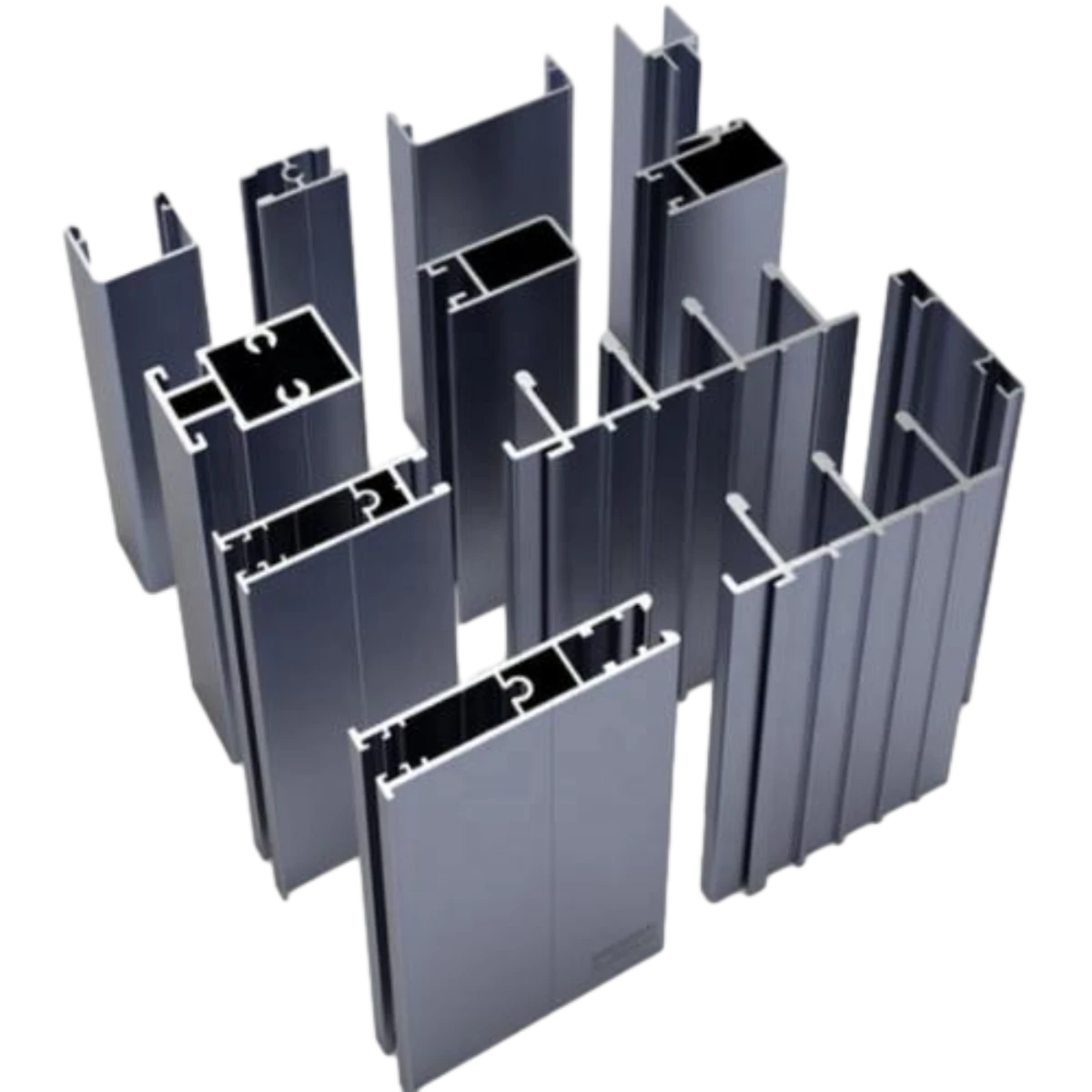 Aluminium Windows Profiles
+
-
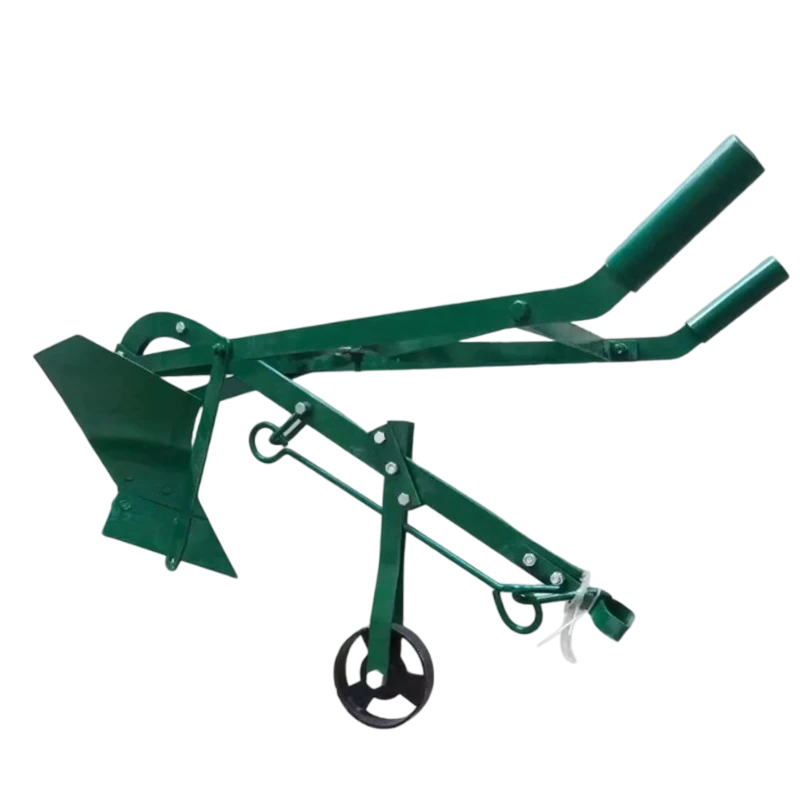 animal drawn plough plows
+
-
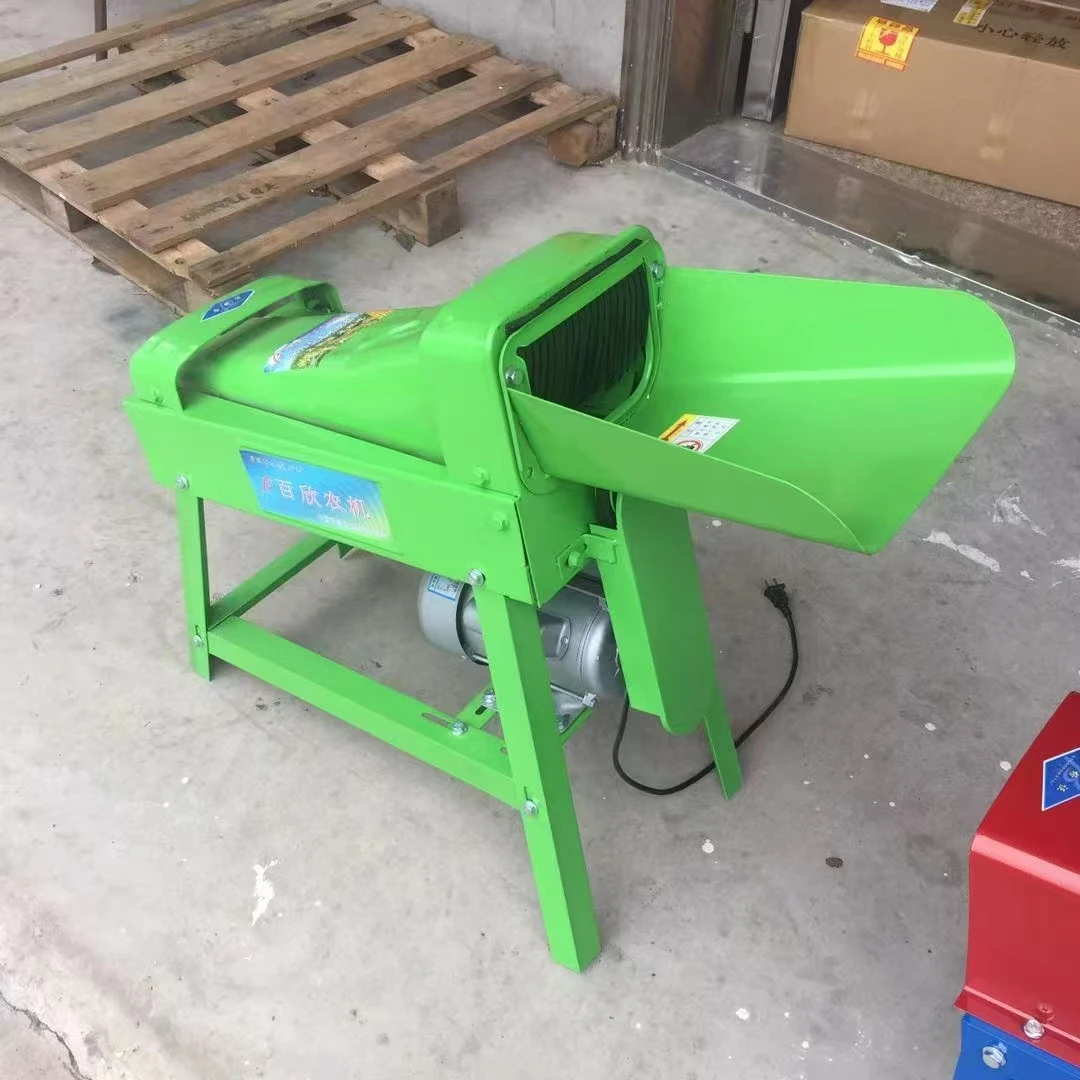 Thresher Machine
+
-
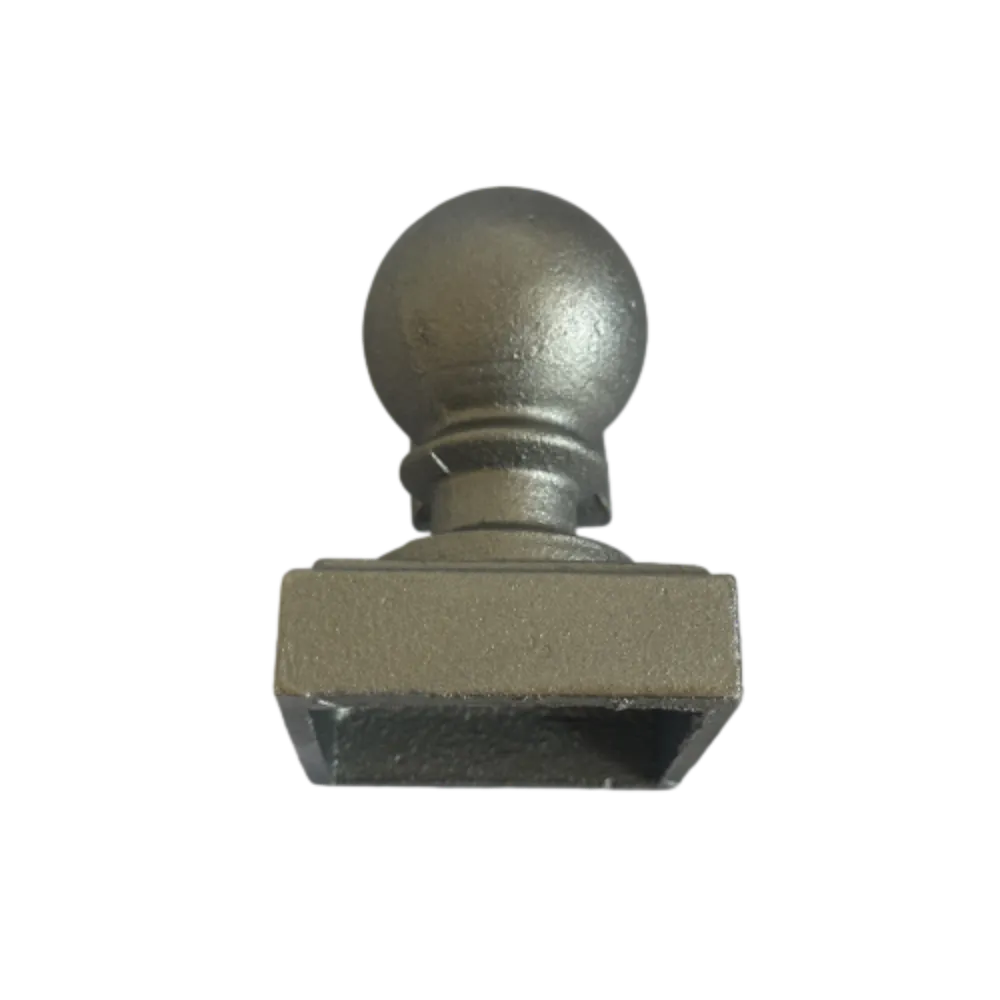 Cast Iron Post Caps
+
-
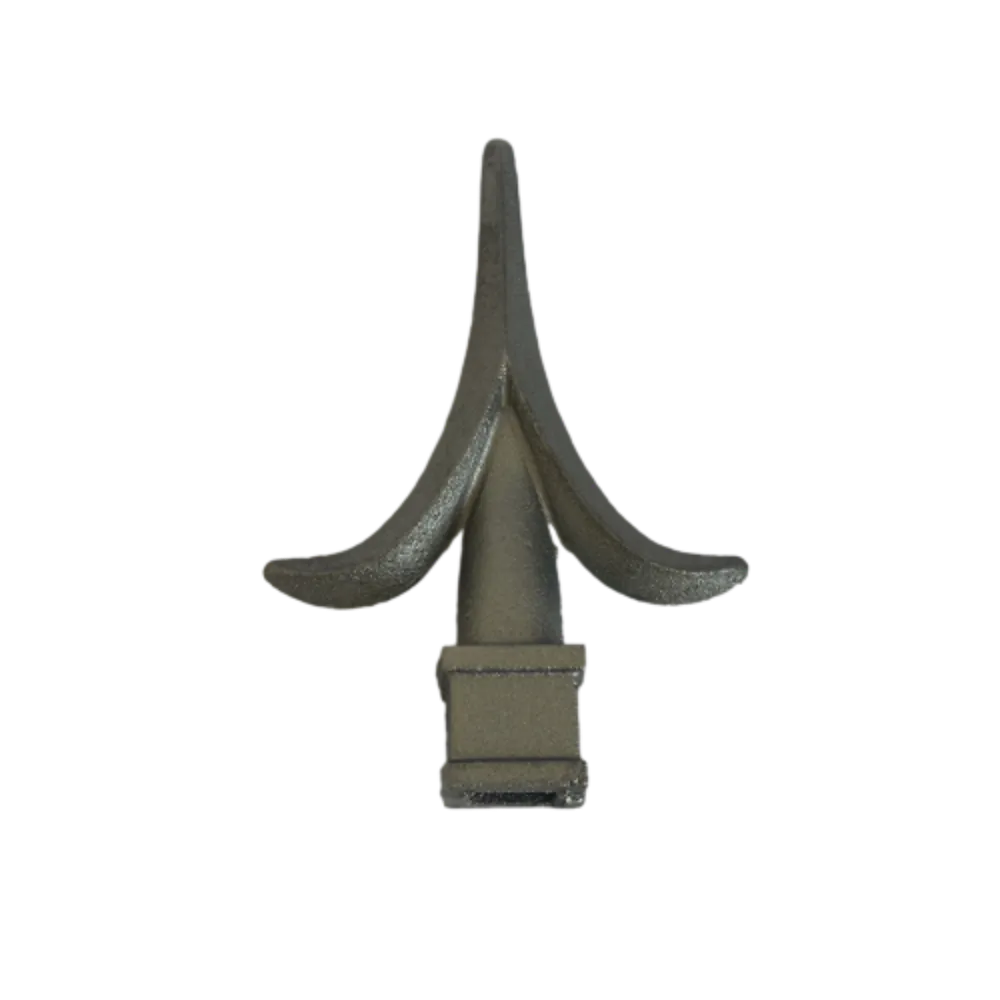 Cast Iron Spear Point Finial
+
-
 Understanding Iron is What Type of Element and Its PropertiesApr-16-2026Understanding Iron is What Type of Element and Its Properties
 -
 How to Identify Prevent and Remove Wrought Iron Rust EffectivelyApr-09-2026How to Identify Prevent and Remove Wrought Iron Rust Effectively
 -
 Enhance Your Property with Durable and Stylish Iron Gate HandlesApr-07-2026Enhance Your Property with Durable and Stylish Iron Gate Handles


