

Understanding How Much is Wrought Iron Worth A Detailed Valuation Guide
How Much is Wrought Iron Worth? A Comprehensive Guide
Wrought iron, prized for its strength, durability, and aesthetic appeal, has a long and fascinating history. But what is it actually worth in today's market? The value of wrought iron is surprisingly complex and dependent on several factors, from its age and condition to current market demand and the specific item in question. This article explores the intricacies of wrought iron valuation, offering insights for collectors, sellers, and anyone curious about this enduring material. Understanding these nuances will help you assess the worth of your wrought iron possessions accurately. Explore our range of high-quality iron castings at TJJ Iron Casting.
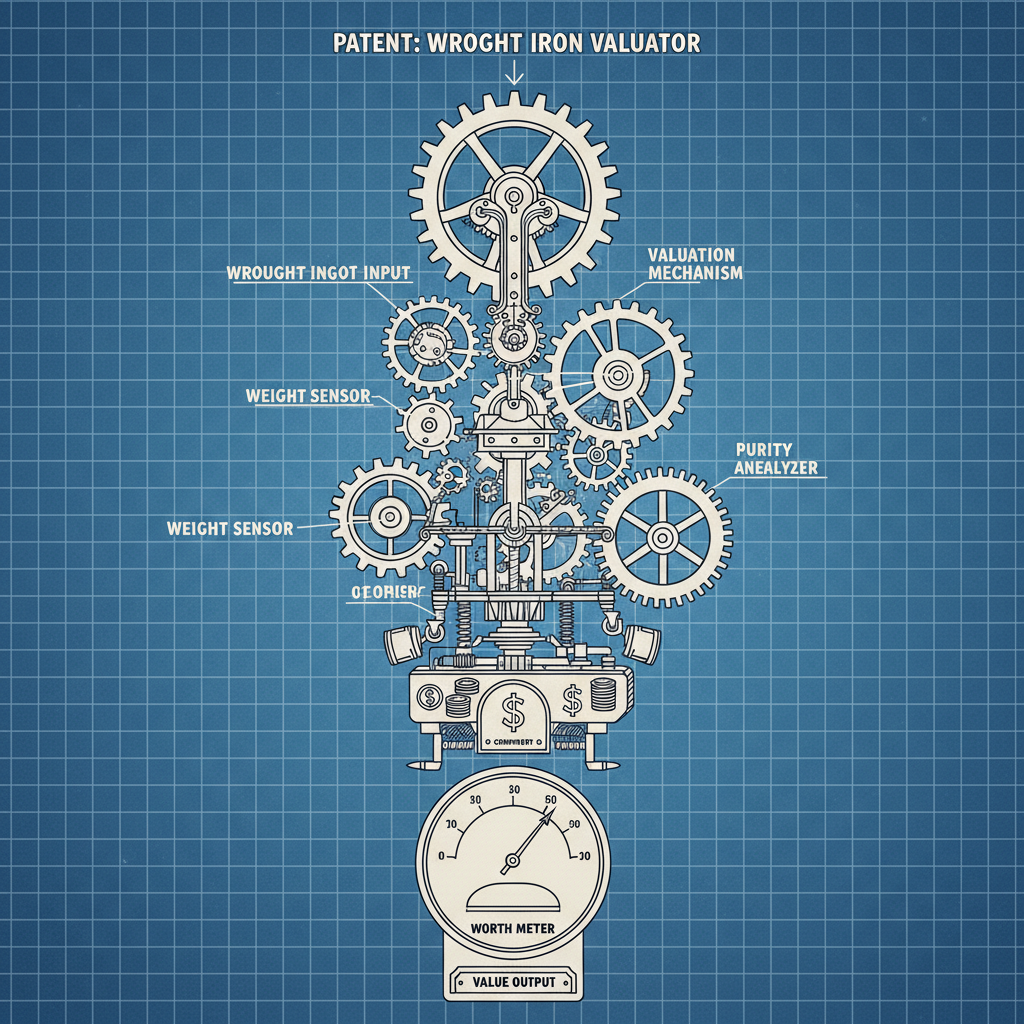
Factors Influencing Wrought Iron Value
Several key factors determine the worth of wrought iron. Age is a significant contributor; antique pieces, particularly those from the 18th and 19th centuries, often command higher prices. Condition plays a crucial role – rust, damage, or alterations will negatively impact value. Rarity is another important consideration; unique or limited-edition items are typically more valuable. Artistic merit also significantly affects the price, with intricately designed pieces fetching higher sums. Finally, current market demand, influenced by trends and collector interest, can swing the value considerably.
Key Factors: Age, condition, rarity, artistic merit, and current market demand all contribute to the value of wrought iron.
How Much is Wrought Iron Scrap Worth?
If the wrought iron is being sold as scrap metal, the value is based primarily on its weight and current scrap metal prices. Wrought iron is primarily iron with a very low carbon content, making it highly recyclable. Prices fluctuate with market conditions and geographical location. As of late 2023/early 2024, scrap wrought iron typically fetches between $0.04 to $0.08 per pound, but this number can vary significantly. It's important to check with local scrap metal dealers for the most accurate and up-to-date pricing.
Scrap Wrought Iron Value Considerations:
• Price fluctuates based on market conditions.
• Typically ranges from $0.04 to $0.08 per pound.
• Check with local scrap metal dealers for accurate pricing.
Valuing Antique and Collectible Wrought Iron
Determining the value of antique or collectible wrought iron requires a more nuanced approach. Common items like gates, railings, furniture, and decorative pieces can range dramatically in price. A simple, unrestored wrought iron fence section might be valued at $50 - $200, while a highly detailed and well-preserved antique gate could fetch thousands of dollars. A fine example of a wrought iron fireplace screen by a known artist could easily be worth several thousand dollars, depending on its provenance and condition.
Where to Get an Accurate Wrought Iron Appraisal
For a precise valuation, consider consulting with a professional appraiser specializing in antique ironwork. Auction houses often offer appraisal services, as do independent appraisers. Online resources, such as LiveAuctioneers and WorthPoint, can provide historical sales data, but these should be used as a guide, not a definitive appraisal. It's crucial to choose an appraiser with relevant expertise and a strong reputation. We at TJJ Iron Casting focus on the creation of quality wrought iron products but can recommend appraisers in the field.
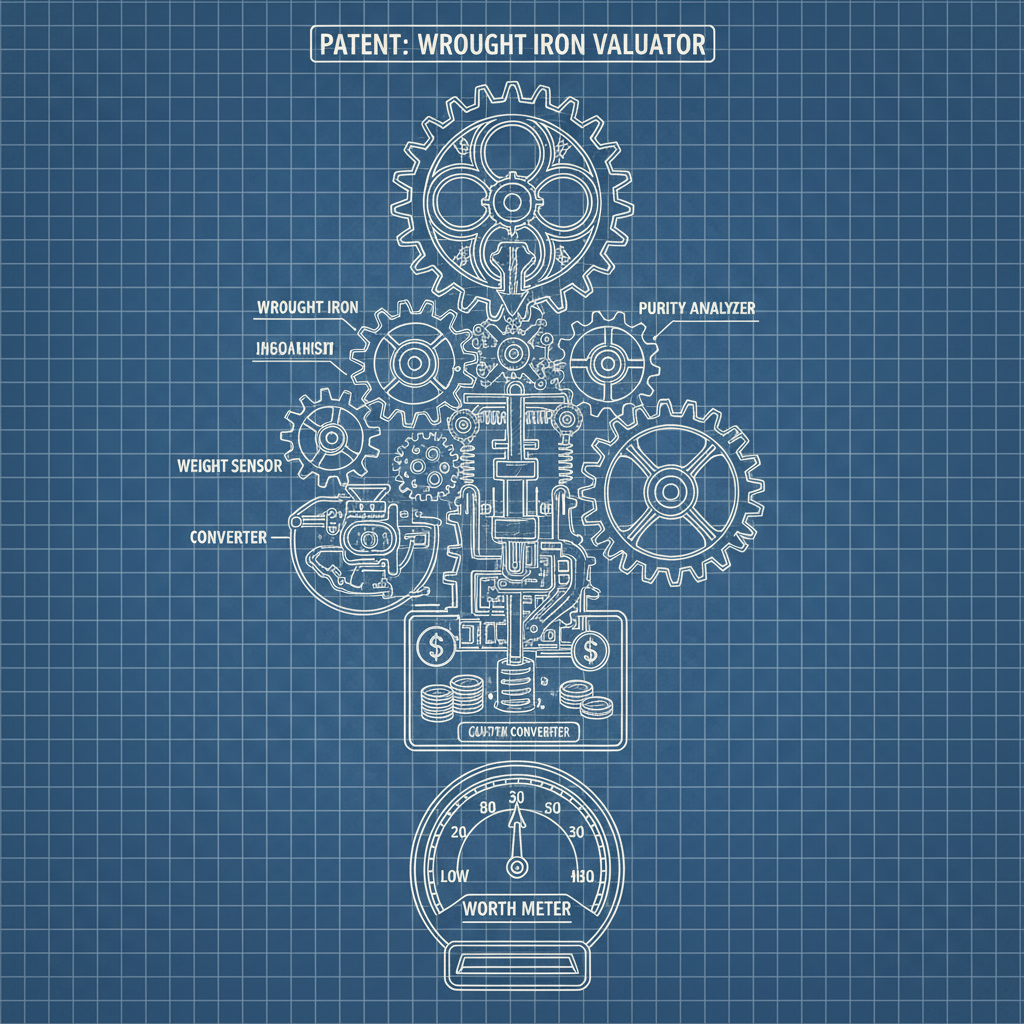
The Future of Wrought Iron Value
The demand for quality wrought iron remains steady, particularly for antique and artist-signed pieces. Increasing interest in handcrafted items and historical aesthetics is likely to support values. However, the availability of modern ironwork and the cost of restoration can influence market trends. As with any collectible, staying informed about current market conditions is essential for maximizing the value of your wrought iron possessions.
Conclusion: Understanding Wrought Iron’s Worth
Ultimately, determining how much wrought iron is worth requires careful consideration of its age, condition, rarity, artistic merit, and current market demand. Whether you're selling scrap metal or a valuable antique, a thorough assessment is crucial. At TJJ Iron Casting, we are committed to creating durable and beautiful wrought iron products.
Frequently Asked Questions (FAQs)
What makes wrought iron different from cast iron?
Wrought iron and cast iron are distinct materials. Wrought iron is known for its fibrous, malleable nature, produced by repeatedly heating and hammering the iron. This process reduces impurities and results in a tough, ductile material. Cast iron, on the other hand, is created by pouring molten iron into a mold. It generally has a higher carbon content, making it harder but more brittle than wrought iron. Because of its lower carbon content and working characteristics, wrought iron is often more valuable, especially in antique applications, because it can be shaped and formed into intricate designs.
Is wrought iron still being produced today?
True, traditionally made wrought iron is rarely produced today. The labor-intensive process of heating and hammering has largely been replaced by modern steelmaking techniques. However, "wrought iron" is often used as a marketing term for certain types of mild steel that are similarly workable and aesthetically pleasing. At TJJ Iron Casting, we specialize in high-quality iron castings, offering durable and visually appealing solutions.
How can I protect wrought iron from rusting?
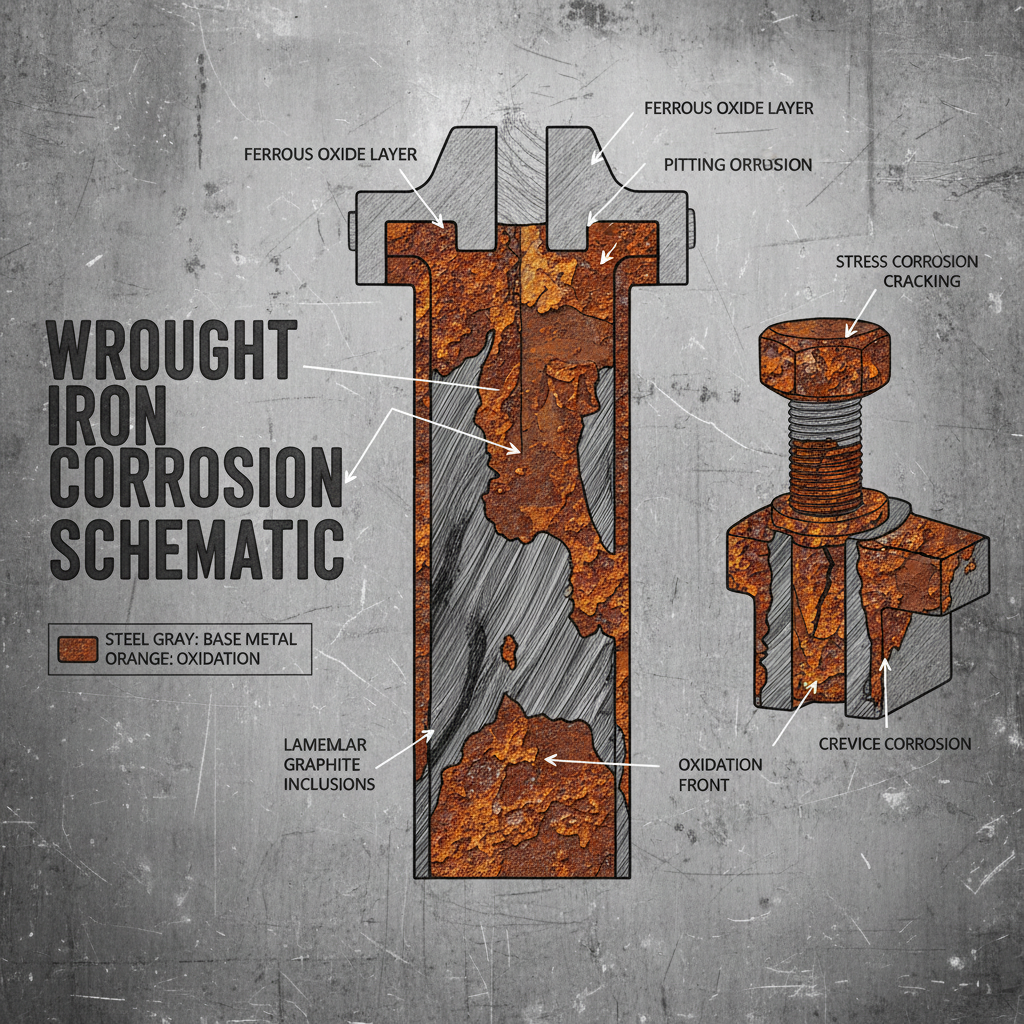
Wrought iron is susceptible to rust if left unprotected. Regularly cleaning the surface and applying a protective coating, such as paint, sealant, or wax, is crucial. For outdoor pieces, consider a rust-inhibiting primer before painting. Maintaining a barrier against moisture will significantly extend the lifespan of your wrought iron items. Periodic inspection and touch-ups are also recommended.
Are there any signs I should look for when identifying genuine antique wrought iron?
Look for hand-forged details like hammer marks, irregular shapes, and unique tool marks. Authentic antique wrought iron will not have perfectly uniform welds or machine-made precision. The presence of original patina and signs of age, such as surface rust or wear, are also indicators. Examining the construction techniques and comparing them to known examples from the period can help determine authenticity. Consulting with an experienced appraiser is recommended for valuable pieces.
-
Understanding Iron is What Type of Element and Its PropertiesNewsApr.16,2026
-
How to Identify Prevent and Remove Wrought Iron Rust EffectivelyNewsApr.09,2026
-
Enhance Your Property with Durable and Stylish Iron Gate HandlesNewsApr.07,2026
-
Understanding Wrought Iron vs Iron Properties and ApplicationsNewsApr.04,2026
-
Elevate Your Property with Stunning Gate Wrought Iron Design OptionsNewsMar.31,2026
-
The Enduring Appeal of Ornamental Wrought Iron for Elegant DesignNewsMar.28,2026
-
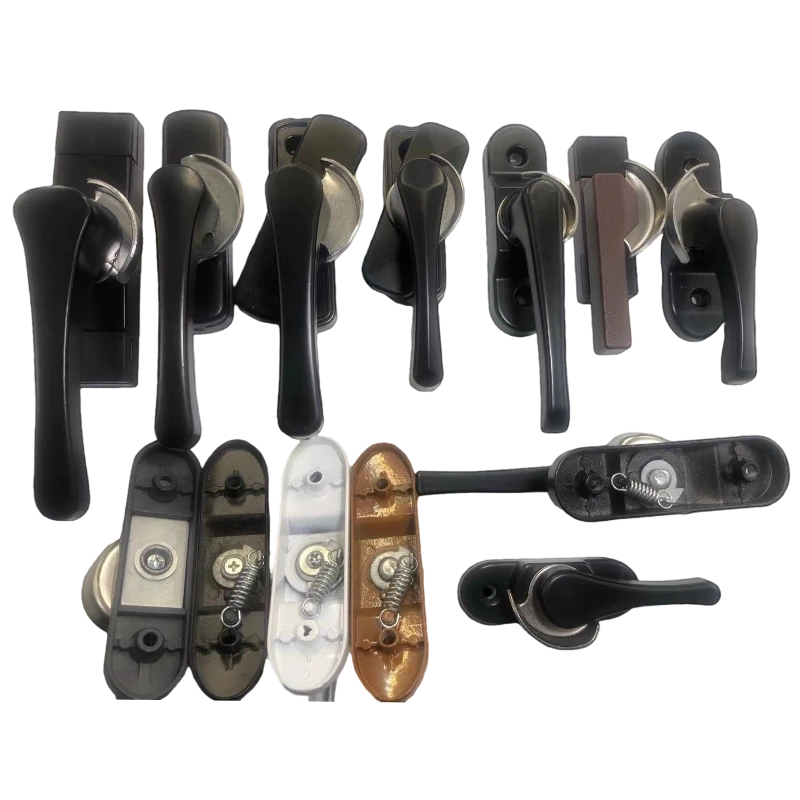 Aluminum Ally door and window handle
+
-
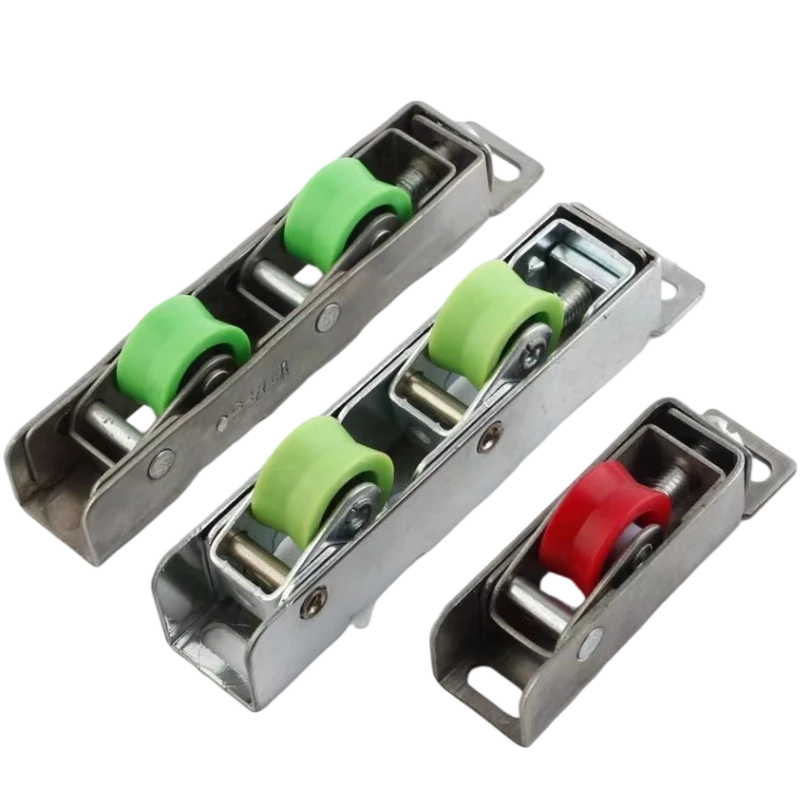 Sliding door window wheel rollers
+
-
 rubber window seal
+
-
 Aluminium Windows Profiles
+
-
 animal drawn plough plows
+
-
 Thresher Machine
+
-
 Cast Iron Post Caps
+
-
 Cast Iron Spear Point Finial
+
-
 Understanding Iron is What Type of Element and Its PropertiesApr-16-2026Understanding Iron is What Type of Element and Its Properties
 -
 How to Identify Prevent and Remove Wrought Iron Rust EffectivelyApr-09-2026How to Identify Prevent and Remove Wrought Iron Rust Effectively
 -
 Enhance Your Property with Durable and Stylish Iron Gate HandlesApr-07-2026Enhance Your Property with Durable and Stylish Iron Gate Handles


