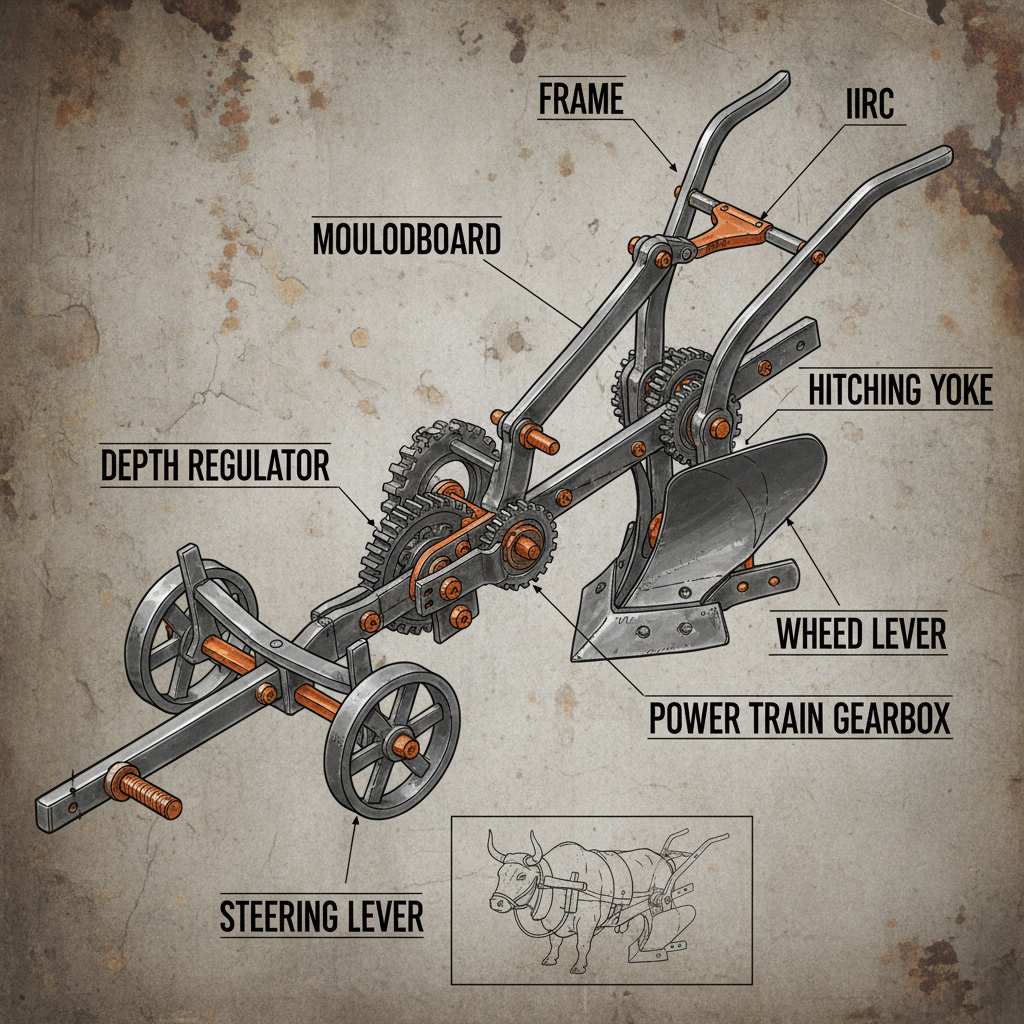
The animal drawn disc plough represents a critical intersection between traditional agrarian wisdom and precision metallurgical engineering. In many parts of the world, specifically in regions where mechanized tractor farming is cost-prohibitive or geographically impractical, these tools remain the backbone of food security. By utilizing rotating concave discs to cut through tough soil, they provide a sustainable alternative for land preparation that respects the local ecosystem.
Understanding the mechanics and material science behind an animal drawn disc plough is essential for improving agricultural yields in developing economies. Unlike moldboard ploughs, the disc variant is specifically designed to handle abrasive, rocky, or sticky soils, reducing the draft force required from the livestock. This efficiency not only preserves the health of the animals but also accelerates the timeline for planting, making it a vital asset for small-scale farmers globally.
From a manufacturing perspective, the production of these tools relies heavily on high-quality cast iron and forged steel to ensure longevity under extreme friction. As we look toward a future of sustainable intensification, optimizing the design of the animal drawn disc plough allows for better soil aeration and moisture retention without the carbon footprint associated with fossil-fuel-powered machinery.
Global Relevance and Industry Context of Disc Ploughing
Globally, the reliance on animal-powered agriculture remains significant. According to data from the FAO and World Bank, millions of smallholder farmers in Sub-Saharan Africa and Southeast Asia still depend on draught animals for primary tillage. The animal drawn disc plough addresses the challenge of "hardpan" soils—layers of compacted earth that prevent root penetration and water infiltration—which are common in these regions.
The industry context is one of transition; while industrialization pushes for tractors, the logistical reality of remote villages often makes a high-quality cast iron disc plough more reliable and easier to maintain. By reducing the friction encountered during the furrowing process, these tools prevent animal fatigue and increase the acreage a single farmer can manage per season, directly impacting regional food security.
Defining the Animal Drawn Disc Plough and Its Purpose
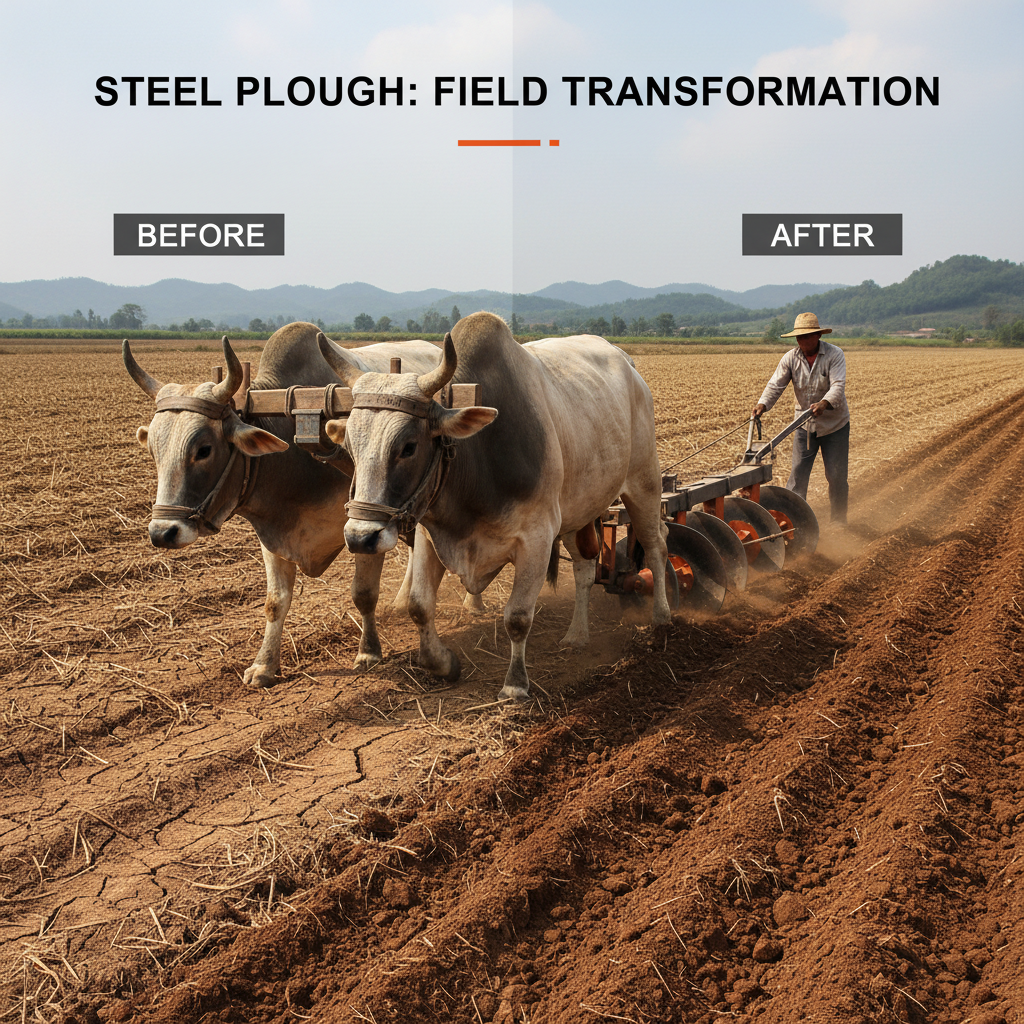
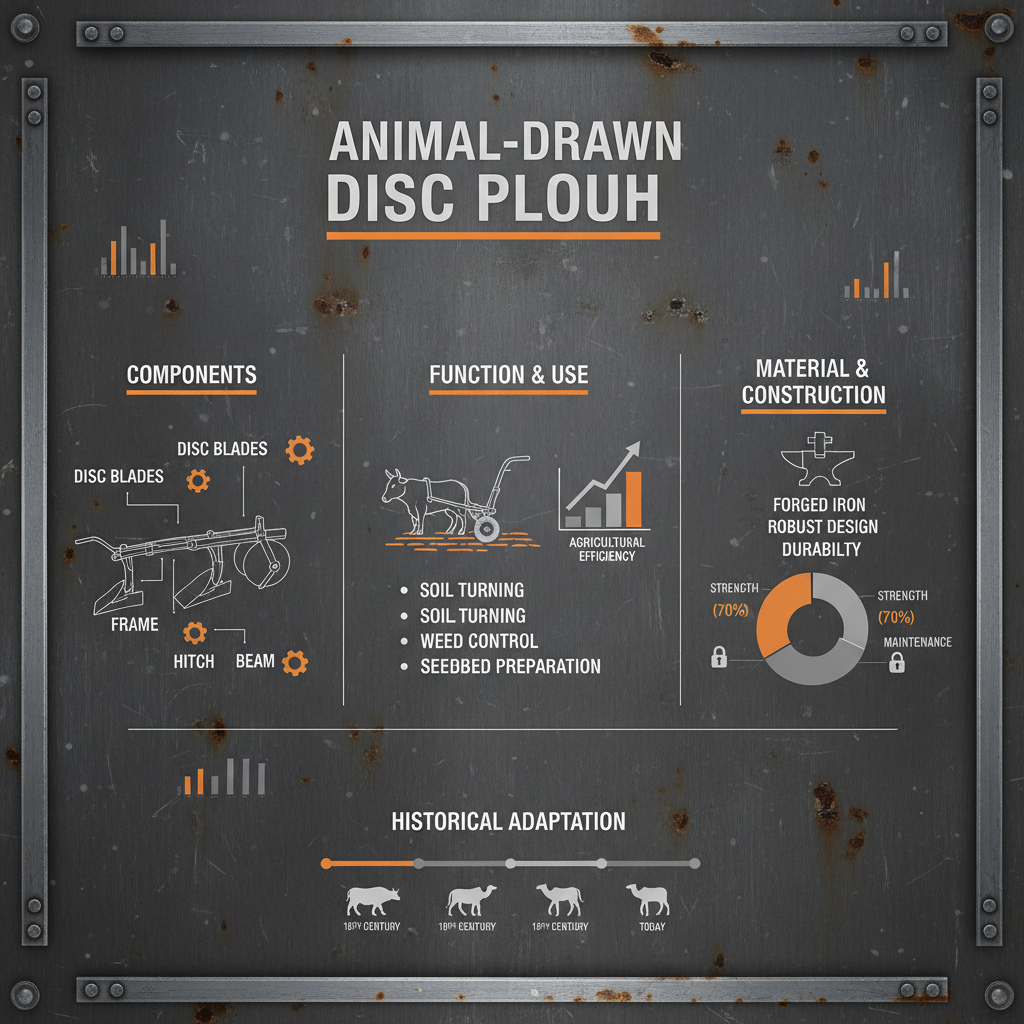
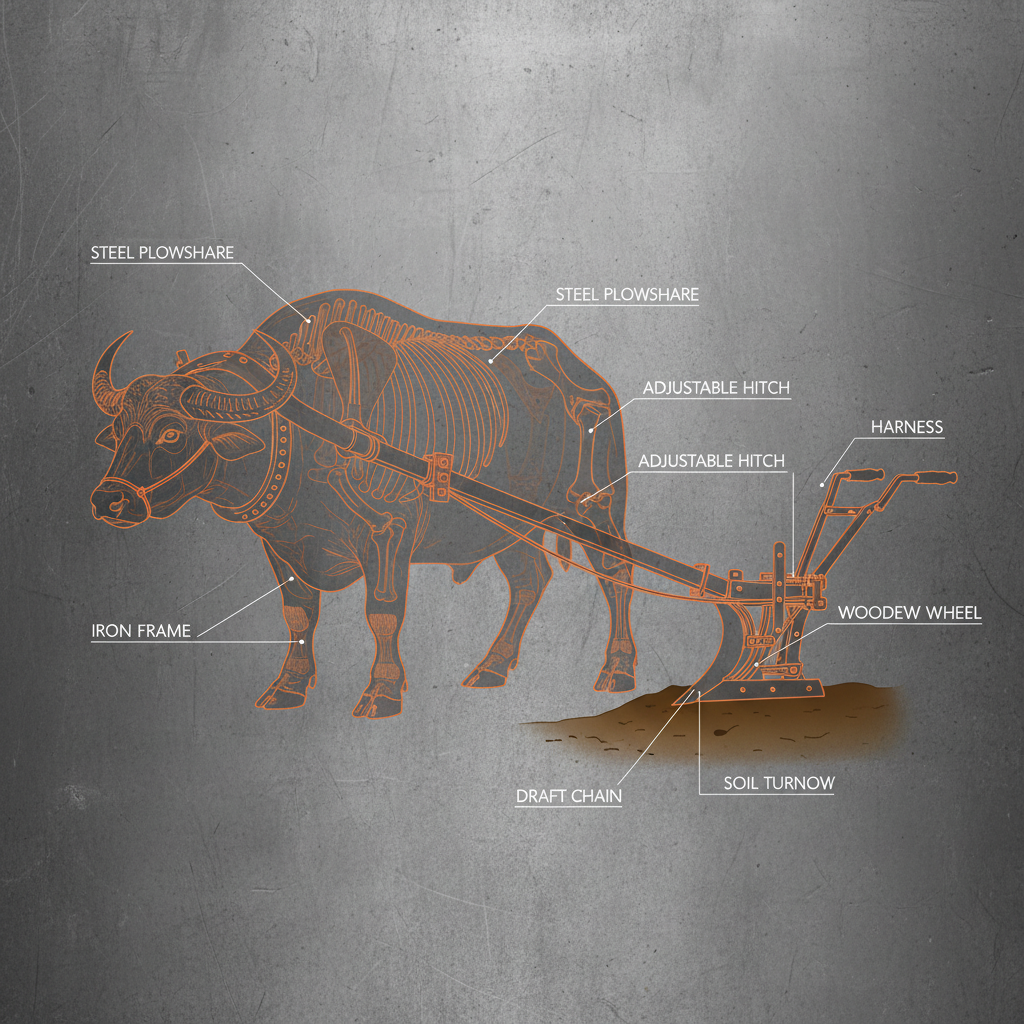
In simple terms, an animal drawn disc plough is a tillage implement consisting of one or more concave steel discs mounted on a frame, which is pulled by oxen, buffaloes, or horses. Unlike a traditional mouldboard plough that lifts and flips the soil, the disc plough cuts through the soil and rolls it to the side. This rotating motion is what allows it to glide over obstacles like roots and stones without snagging, making it indispensable for virgin land clearing.
Its connection to modern industry lies in the precision of its casting. To withstand the immense pressure of abrasive soil, the discs are often made from specialized alloys of cast iron or heat-treated steel. This ensures that the cutting edge remains sharp over hundreds of hours of operation, reflecting a sophisticated blend of traditional farming needs and modern materials science.
Beyond mere farming, these tools serve a humanitarian purpose. In post-conflict or disaster-recovery zones where fuel is scarce and infrastructure is destroyed, the animal drawn disc plough provides a low-tech, high-impact solution for restarting agricultural production. It empowers local communities to reclaim their land using the resources already available to them, fostering autonomy and resilience.
Core Components and Metallurgical Factors
The durability of an animal drawn disc plough is primarily determined by the quality of its discs. These are typically manufactured using high-carbon cast iron to ensure a balance between hardness (to resist wear) and toughness (to prevent cracking under impact). The angle of the disc—both the disc angle and the tilt angle—is meticulously calibrated to control the depth of penetration and the width of the cut.
Another critical factor is the frame's structural integrity. Using forged steel for the beam and collars ensures that the tool can withstand the lateral forces exerted by the animals. A well-balanced frame reduces the physical strain on the draught animal, ensuring that the energy is directed efficiently into the soil rather than wasted on instability or vibration during the plowing process.
Finally, the bearing and axle assembly must be designed for low-maintenance in dusty environments. In the context of the animal drawn disc plough, these components must be sealed effectively to prevent grit from entering the rotation mechanism. When these metallurgical and mechanical factors align, the result is a tool that can last for decades, providing a massive return on investment for the farmer.
Practical Applications and Regional Use Cases
The application of the animal drawn disc plough varies significantly by geography. In the clay-heavy soils of the Mekong Delta, the rotating disc is preferred because it prevents the "clogging" effect common with flat blades. Farmers there use these tools to create precise seedbeds for rice and maize, ensuring that the soil is sufficiently loosened to allow for optimal drainage and aeration.
In the arid regions of East Africa, these ploughs are often deployed in communal farming schemes. Because the disc plough can handle stony soil without breaking, it is the primary tool for expanding cultivated areas into previously unused scrublands. Organizations providing agricultural aid often prioritize the distribution of these tools because they require zero fuel and minimal technical training to operate.
Comparative Efficiency of Animal Drawn Disc Plough Variations
Long-Term Economic and Environmental Value
The economic value of an animal drawn disc plough extends far beyond the initial purchase price. By eliminating the need for diesel and expensive tractor maintenance, the operational cost is virtually zero. For a smallholder farmer, this means a higher percentage of the harvest profit can be reinvested into better seeds or education for their children, creating a cycle of poverty reduction.
Environmentally, these tools are a gold standard for sustainable farming. They promote a carbon-neutral tillage process and, when used correctly, avoid the severe soil compaction caused by heavy machinery. This preservation of soil structure maintains the land's natural biodiversity and water-holding capacity, ensuring that the farm remains productive for future generations without relying on chemical soil conditioners.
Future Innovations in Traction Tool Design
The future of the animal drawn disc plough lies in the integration of advanced materials and ergonomic design. Researchers are exploring the use of tungsten carbide coatings on the disc edges to further reduce wear and tear, potentially extending the lifespan of the tool by 300%. Such innovations ensure that the equipment remains functional in the most abrasive volcanic or sandy soils.
Furthermore, there is a movement toward "smart" adjustable frames. By allowing farmers to easily change the disc angle based on soil moisture levels, the draft force can be optimized in real-time. This reduction in effort not only improves the welfare of the animals but also allows smaller, more sustainable breeds of livestock to perform the same work as larger, more expensive animals.
Digital transformation is also touching this sector through the use of 3D printing and CAD modeling. Manufacturers can now create custom-fitted components for specific regional soil types, ensuring that an animal drawn disc plough used in the highlands of Peru is engineered differently from one used in the plains of India, maximizing efficiency across diverse terrains.
Overcoming Operational Challenges and Solutions
One of the primary challenges associated with the animal drawn disc plough is the initial learning curve for the operator. Incorrect disc angling can lead to the plough "wandering" or digging too deep, which exhausts the animal. The solution lies in educational outreach and the implementation of standardized depth-control markers on the frame, allowing farmers to maintain a consistent furrow depth visually.
Maintenance in remote areas is another hurdle. When a disc becomes dull or a bearing fails, the farmer may lack the tools for repair. To combat this, modular designs are being adopted. By creating standardized, interchangeable parts that can be replaced with a simple wrench, the downtime for the animal drawn disc plough is significantly reduced, ensuring that planting windows are not missed.
Finally, the challenge of animal health must be addressed. Overworking draught animals can lead to long-term injury. The solution is the development of ergonomically designed yokes and harnesses that distribute the weight of the plough more evenly across the animal's shoulders. When coupled with a high-efficiency disc plough, the physical burden is minimized, promoting a sustainable harmony between farmer, animal, and earth.
Technical Analysis and Comparison of Animal Drawn Disc Plough Specifications
|
Material Grade
|
Wear Resistance (1-10)
|
Soil Type Suitability
|
Maintenance Cycle
|
| Grey Cast Iron |
6 |
Loamy / Soft Soil |
6 Months |
| Ductile Iron |
8 |
Clay / Heavy Soil |
12 Months |
| Hardened Forged Steel |
9 |
Rocky / Abrasive |
18 Months |
| Boron Steel Alloy |
10 |
Mixed / Hardpan |
24 Months |
| Case-Hardened Iron |
7 |
Sandy / Loam |
9 Months |
| Manganese Steel |
9 |
High-Impact / Rooty |
15 Months |
FAQS
The primary advantage is the rolling action. A mouldboard plough attempts to lift the soil, which often leads to it snagging on rocks or roots, causing the tool to break or the animal to jerk. The animal drawn disc plough cuts through the obstacle and rolls over it, maintaining forward momentum and significantly reducing the risk of structural failure.
With proper maintenance, such as periodic sharpening of the disc edges and greasing the bearings, a professional-grade disc plough can last between 10 to 20 years. The longevity depends heavily on the material grade; boron steel or ductile iron options offer the longest lifespans in highly abrasive environments.
Yes, they are versatile, but the frame and yoke must be adjusted to the animal. Oxen and buffaloes are most common due to their strength and steady pull. Horses and mules can also be used, provided the disc weight and angle are calibrated to match the animal's specific pulling power and gait.
Absolutely. It produces zero greenhouse gas emissions during operation and prevents the severe soil compaction caused by the heavy weight of tractors. This preserves the soil's natural structure and promotes a more sustainable, regenerative approach to farming.
Depth is typically adjusted by changing the "tilt angle" of the disc relative to the ground. Increasing the tilt causes the disc to penetrate deeper into the soil. Many modern frames include an adjustment bolt or pin system that allows the farmer to lock in the desired depth for specific crop requirements.
NGOs can partner with specialized foundries that offer bulk manufacturing and international shipping. The key is to specify the soil type of the target region so that the discs are cast from the appropriate alloy. Many manufacturers provide "kit" versions that are easier to ship and can be assembled locally by the farmers.
Conclusion
The animal drawn disc plough remains a cornerstone of sustainable agriculture, bridging the gap between ancient tradition and modern metallurgy. By focusing on high-quality cast iron components, ergonomic frame designs, and regional customization, these tools empower millions of small-scale farmers to maintain food security without relying on expensive, polluting machinery. We have seen that its value lies not just in its ability to till the land, but in its capacity to protect the soil and the animals that work it.
Looking ahead, the continued innovation in wear-resistant materials and modular design will ensure that traction tools remain viable in a changing climate. For those seeking to implement sustainable farming practices or support rural development, investing in precision-engineered tillage equipment is a step toward long-term resilience. To explore professional-grade casting solutions and agricultural implements, visit our website: www.tjjironcasting.com